Two Plies, Not One
A base sheet and a granulated cap sheet, laps offset so no seam runs straight through.
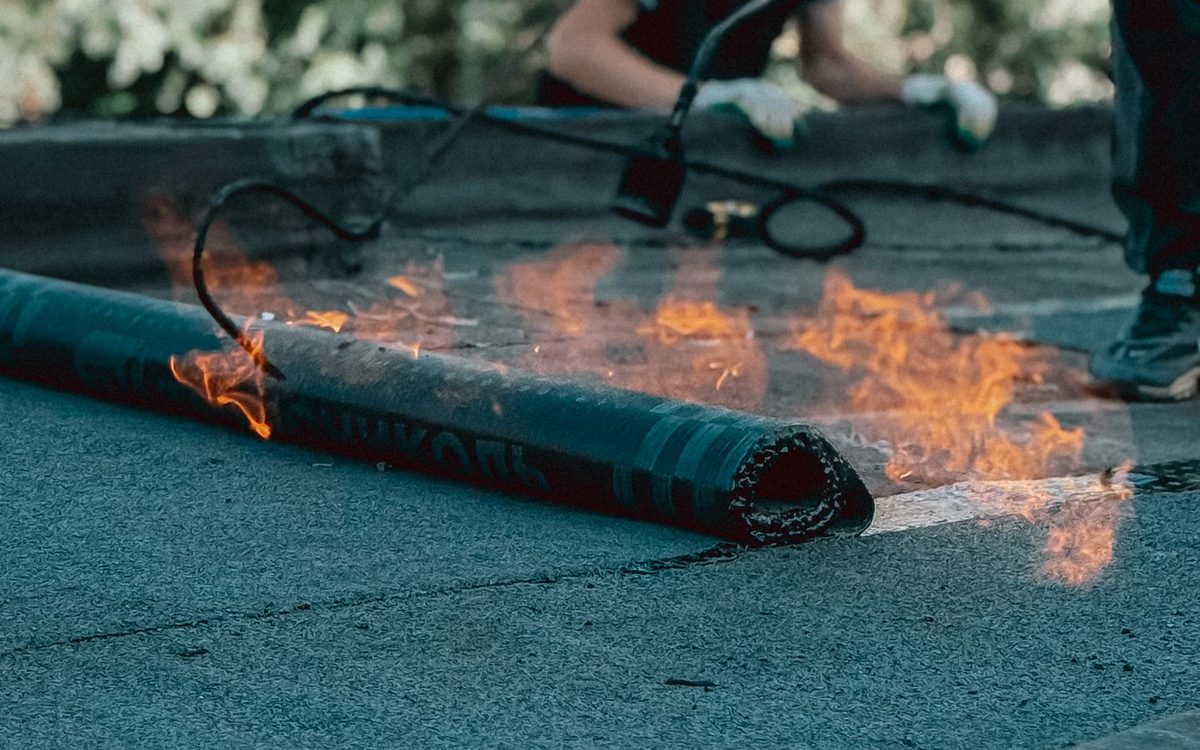
Modified bitumen, fused into one tough surface. A base and cap sheet heat-bonded across the open roof, with no flame used near walls, edges or penetrations.
Torch-down is modified bitumen sheet melted into place with a torch, usually in two layers. It is tough underfoot and handles rooftop traffic better than most flat roofs.
Big Easy Roofing Company installs and repairs torch-down and self-adhered modified bitumen roofs on commercial buildings and flat-roofed homes across New Orleans.
Near anything that can catch fire, torching stops and self-adhered sheet takes over. The same care goes into flashing repair at walls and curbs.
A base sheet and a granulated cap sheet, laps offset so no seam runs straight through.
Walls, wood edges and penetrations get self-adhered or cold-applied sheet instead.
Torched areas watched and checked for hot spots at the end of every day.
Modified bitumen wears in predictable places. These are the ones to look for.
Where sheets overlap and the bond has let go, an edge lifts and water gets under.
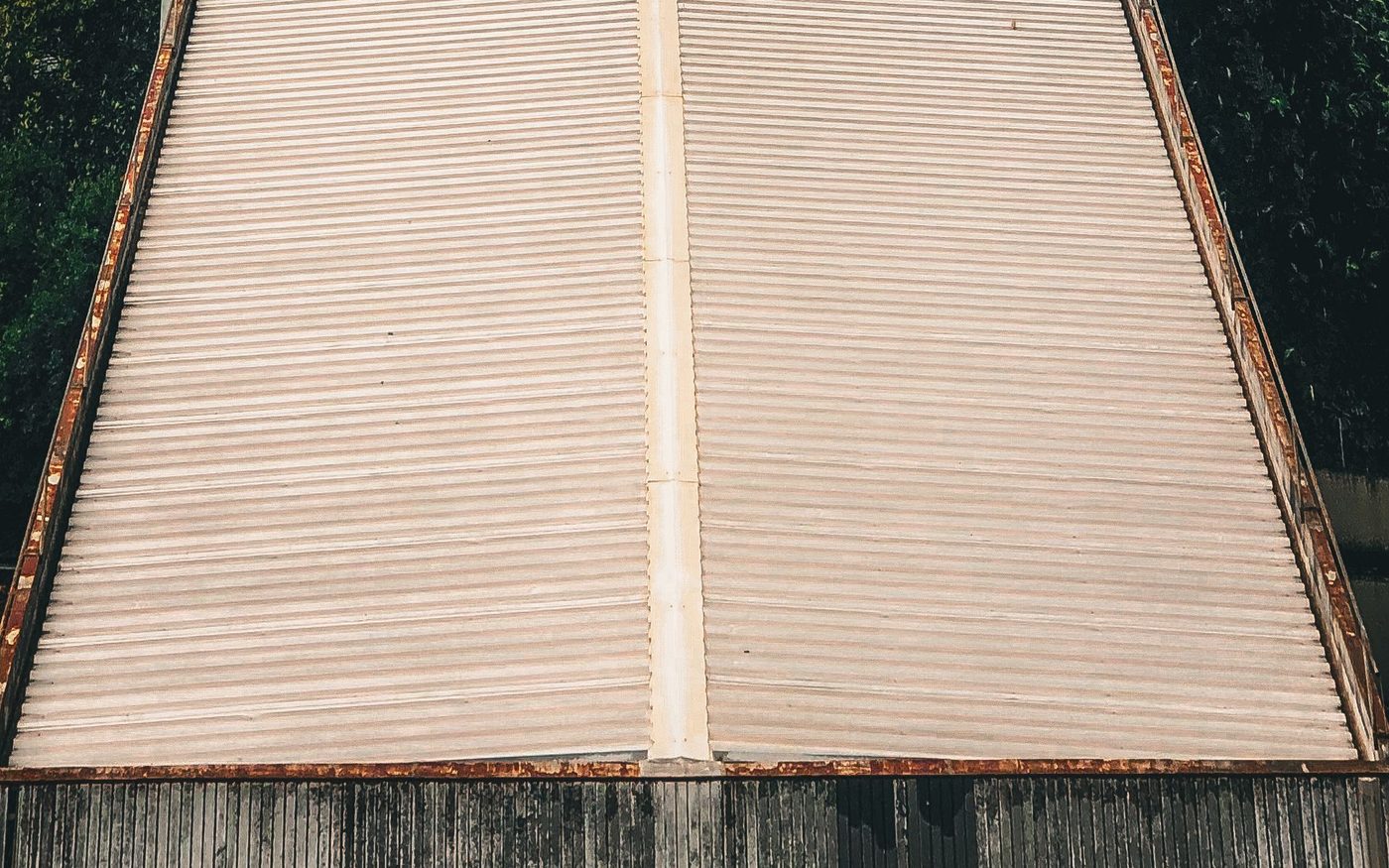
Bare black patches on the cap sheet have lost the granules that shield it from sun.
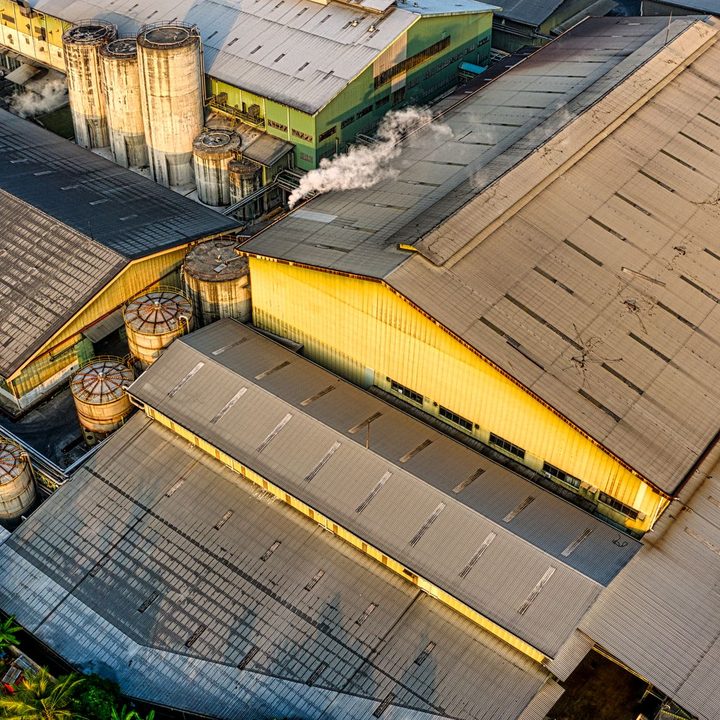
Raised soft areas show moisture trapped between the plies.
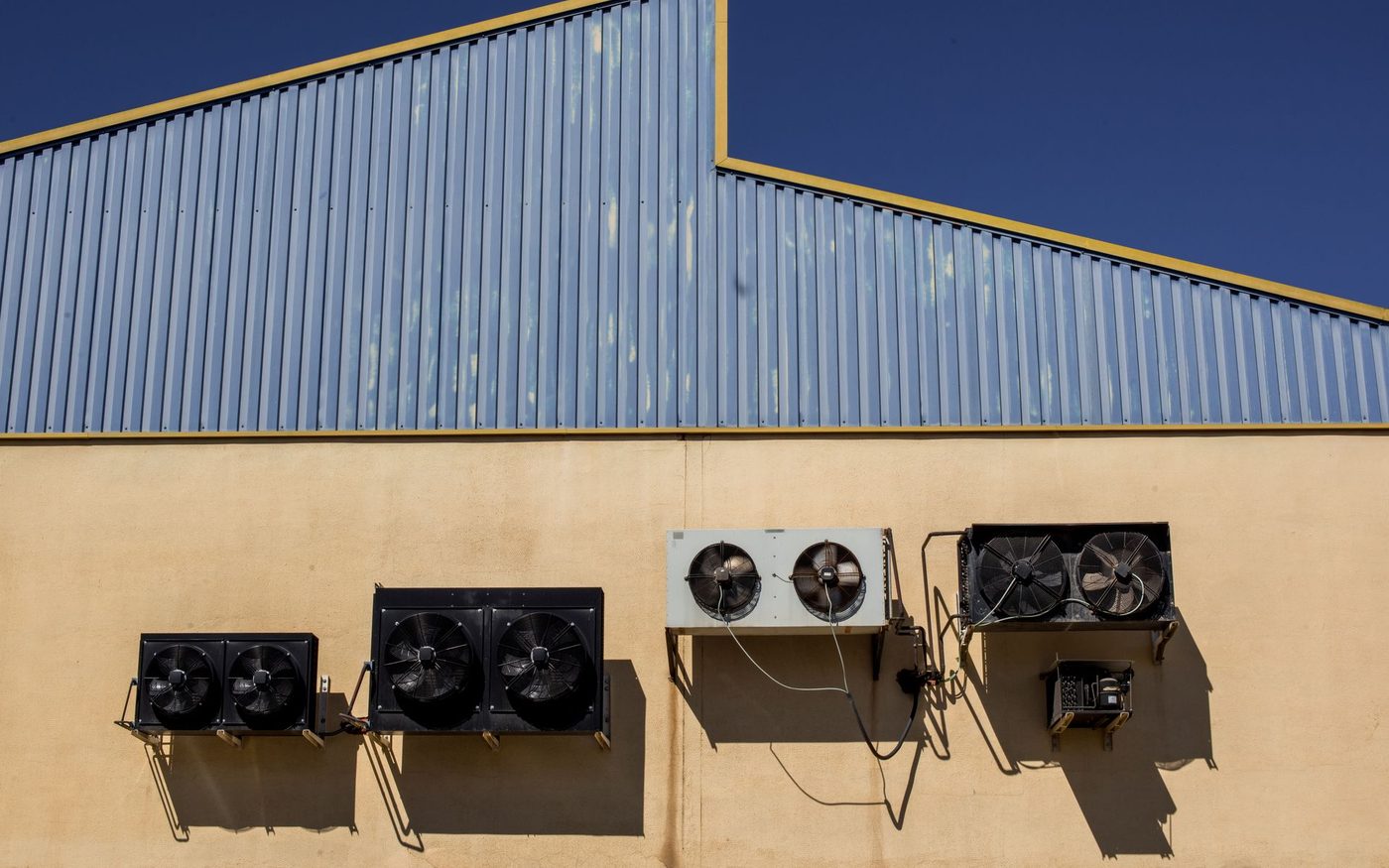
Where the roof turns up a wall or curb, movement cracks the flashing first.
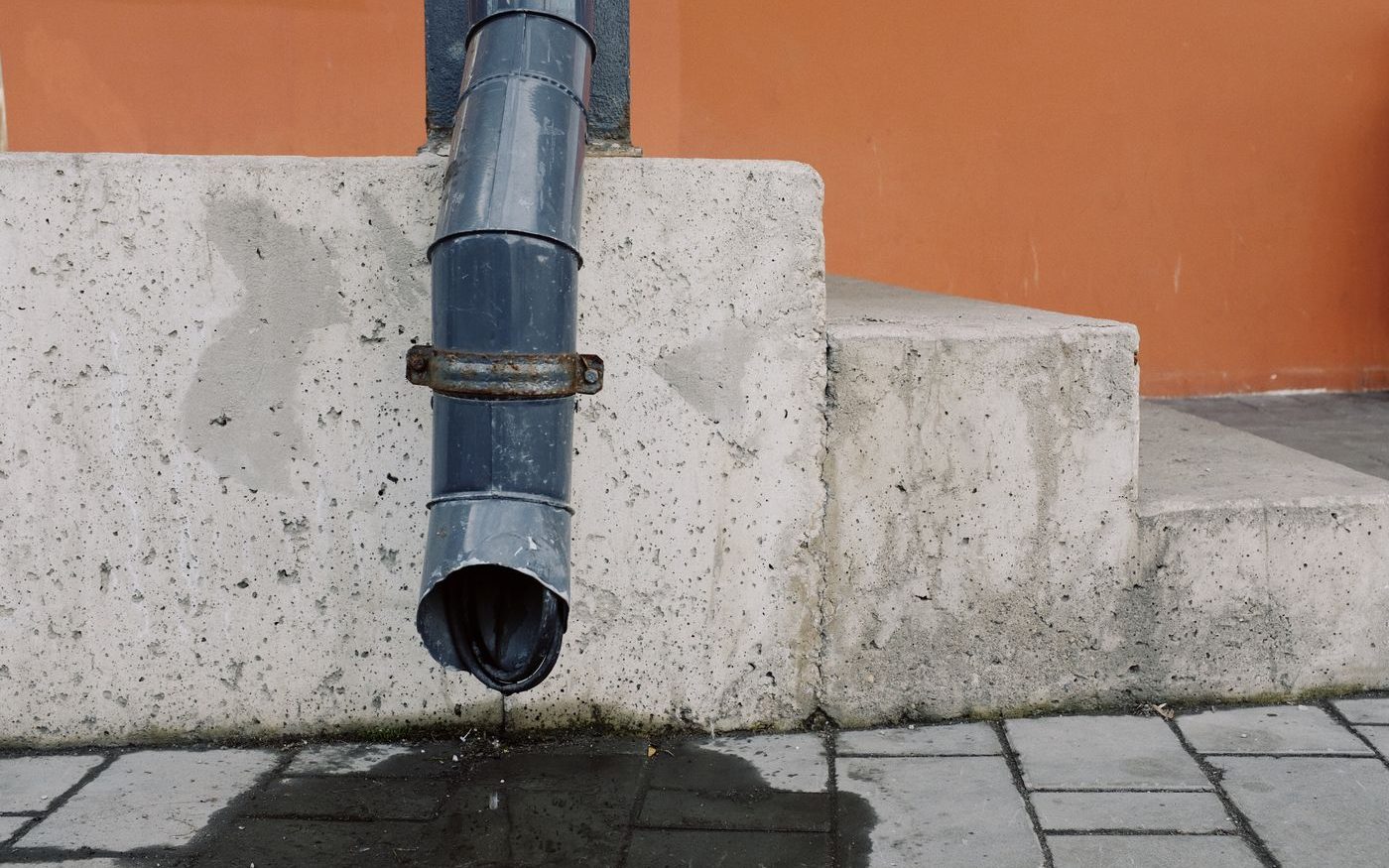
Water that sits around drains softens laps and wears the surface faster.
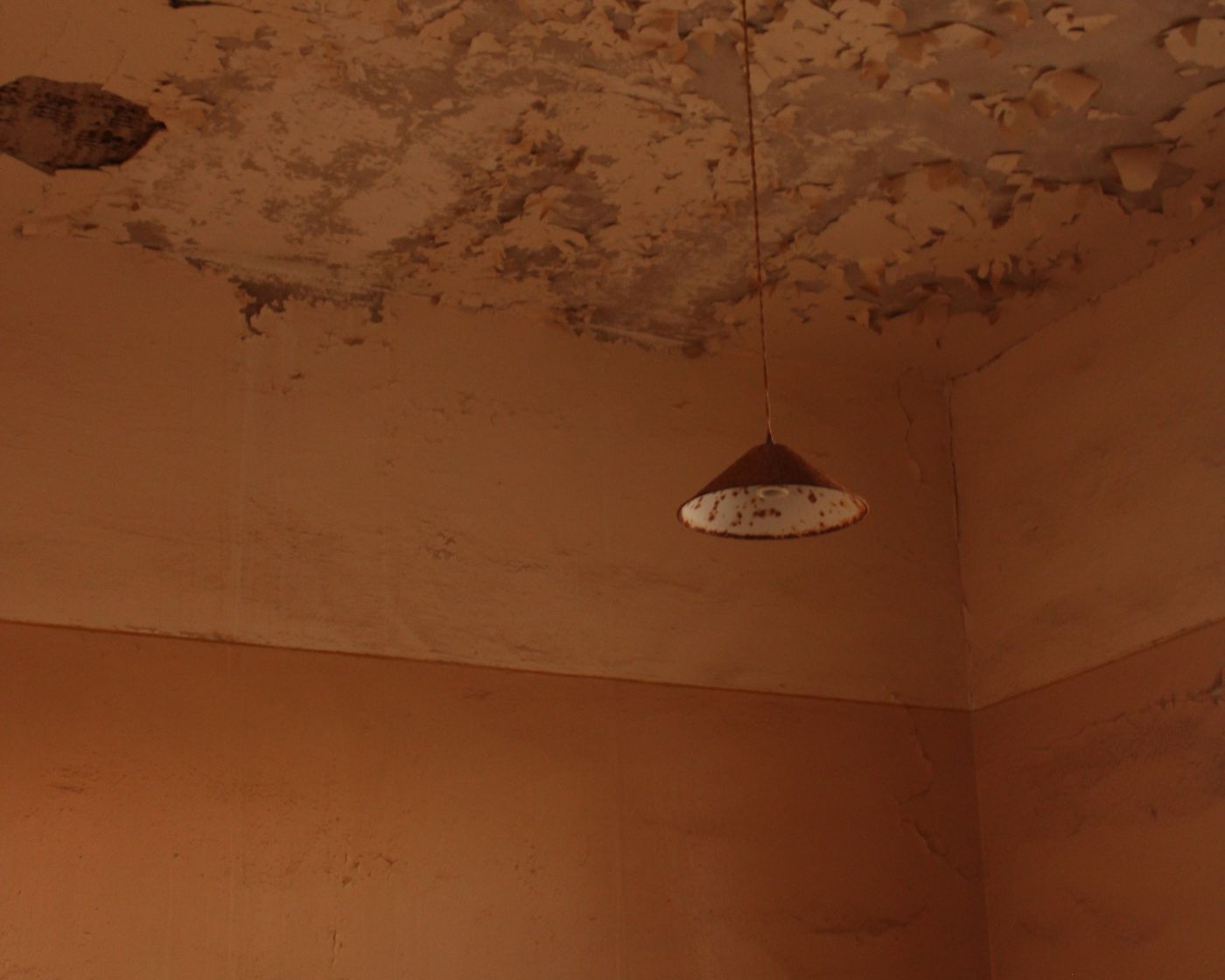
Wind-driven rain finds open laps and flashing splits that stay dry in light rain.
Recognize these? A free visit checks the laps, surface and flashings end to end.
Request a free quoteEight steps. Two are about fire safety, because on this roof they have to be.
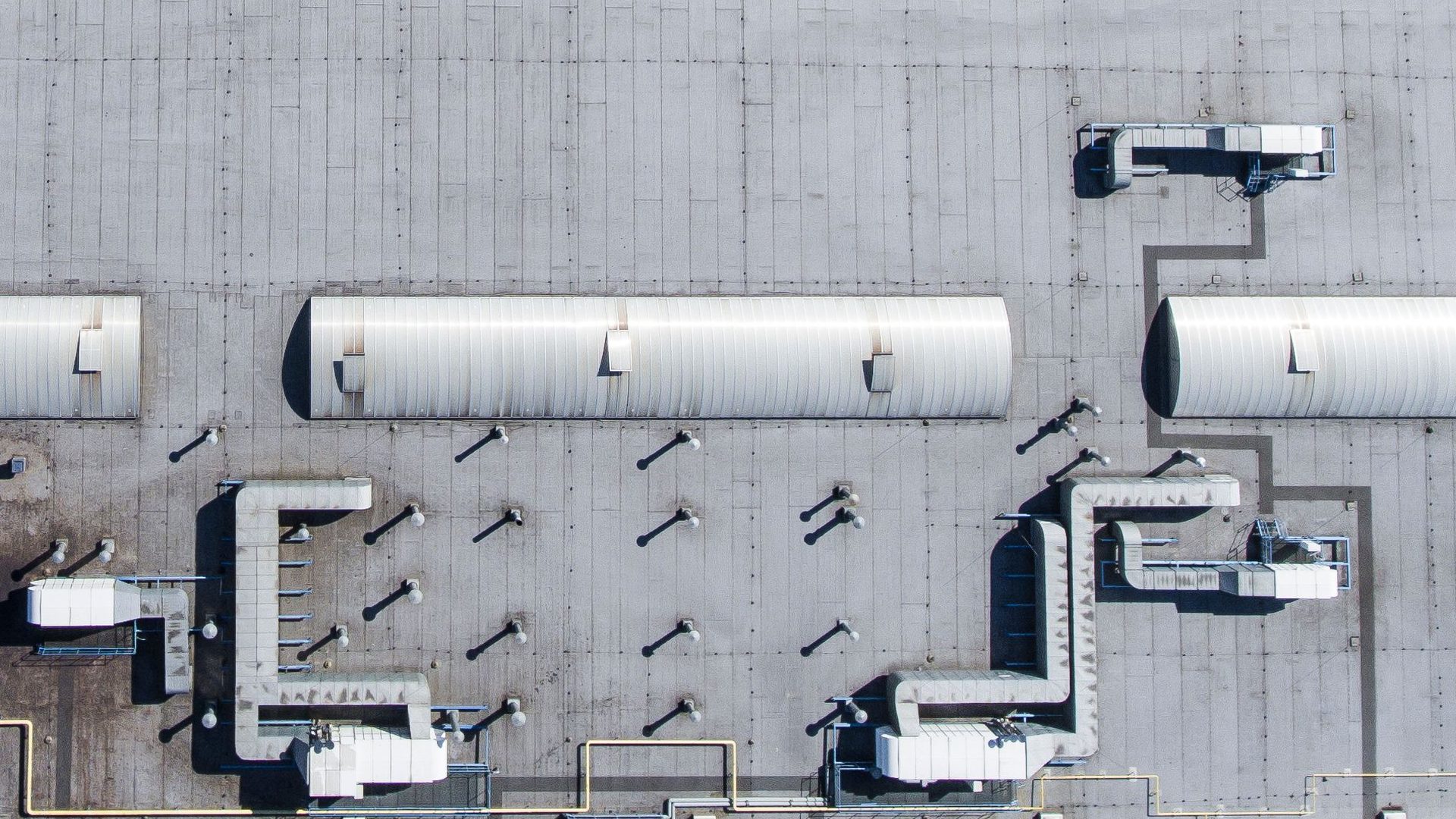
The roof walked and test areas checked for wet insulation below.
Wet layers mapped.

Plies, insulation, flashing, edge metal and the areas that cannot be torched all priced.
Agreed before work.
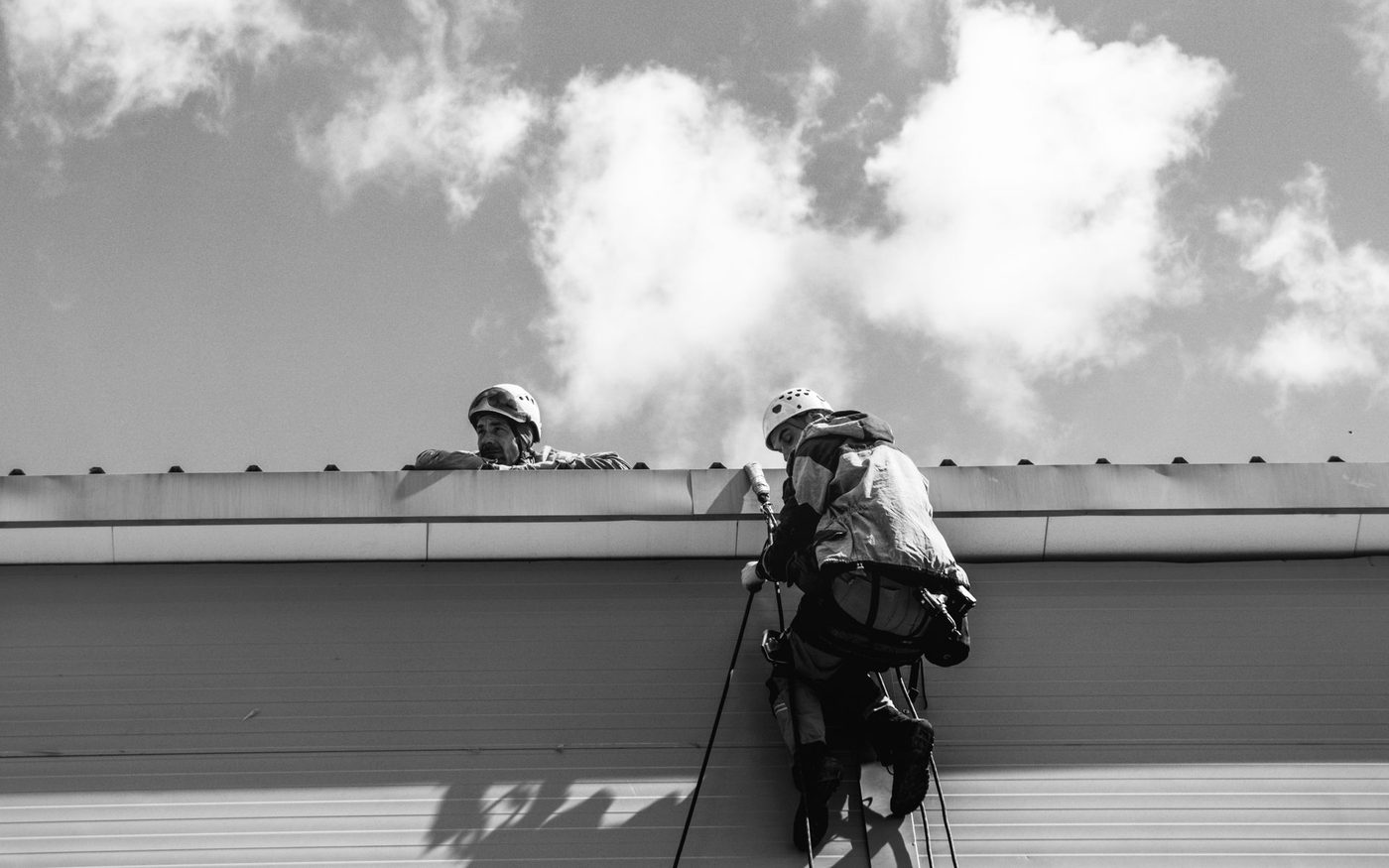
Old roofing and wet insulation stripped back to a dry deck, one section at a time.
Closed the same day.
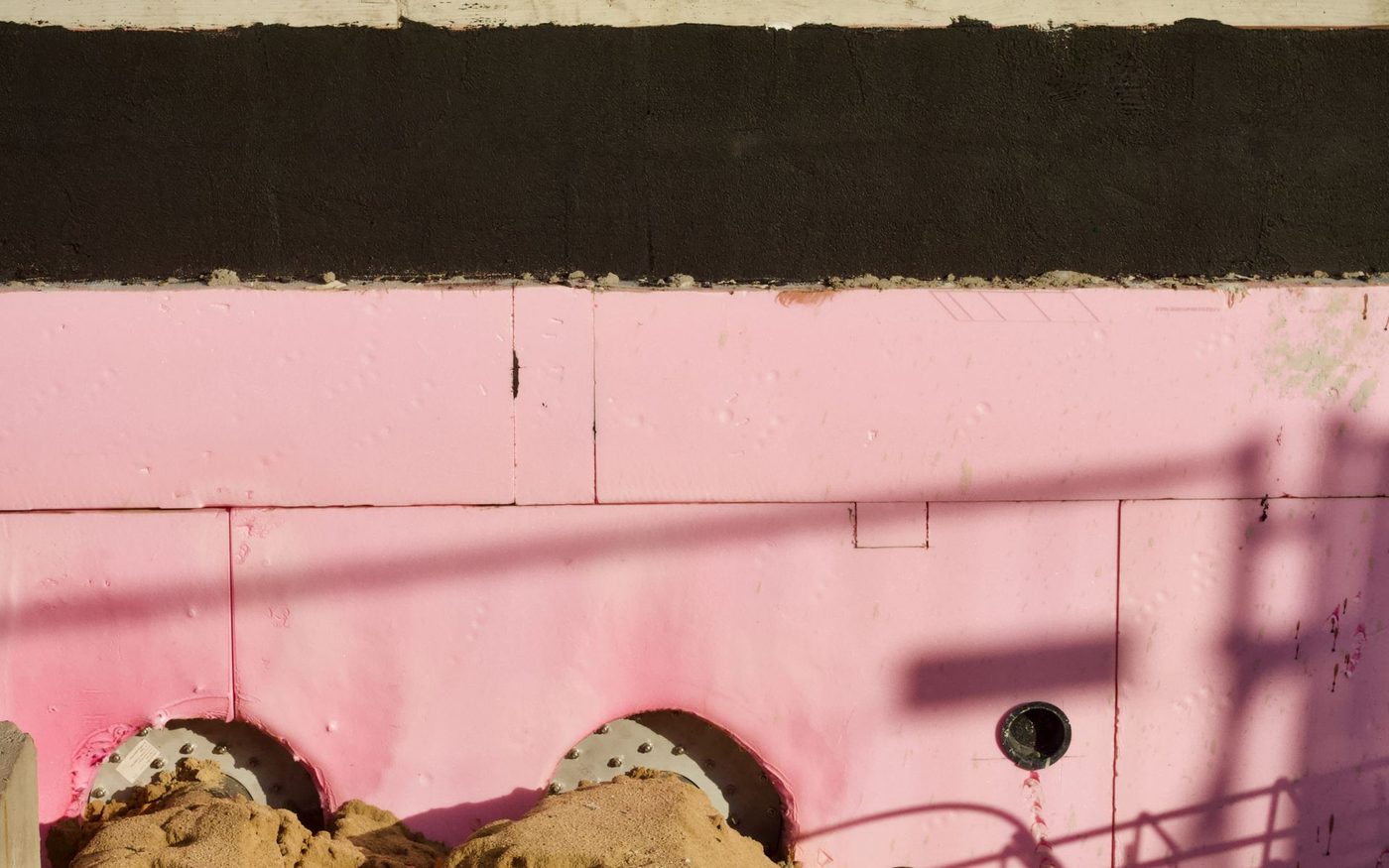
Insulation or cover board laid, then the base sheet fastened or bonded over it.
The first ply.
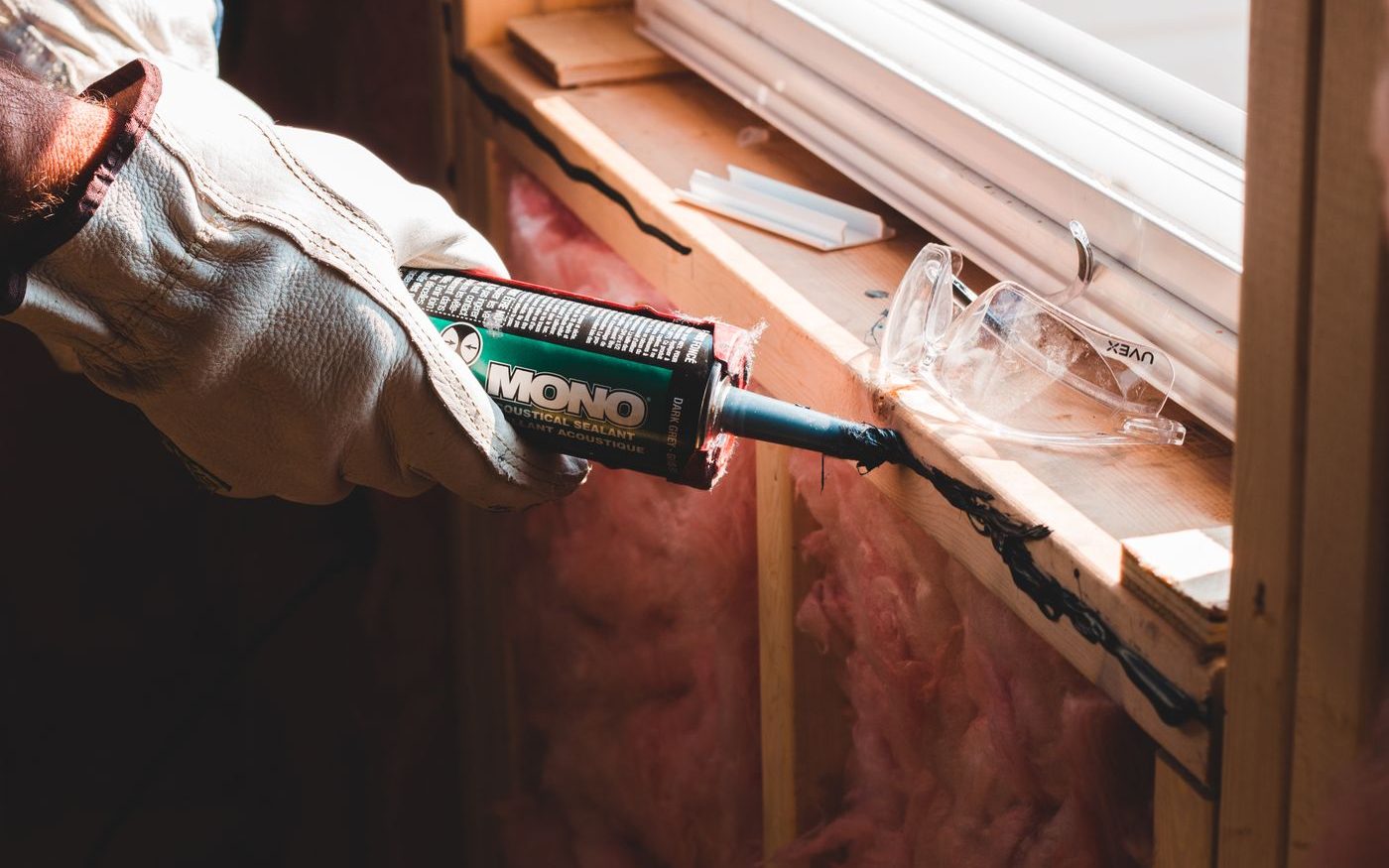
Walls, wood edges, vents and pipes finished with self-adhered or cold-applied sheet.
Hot work kept clear.
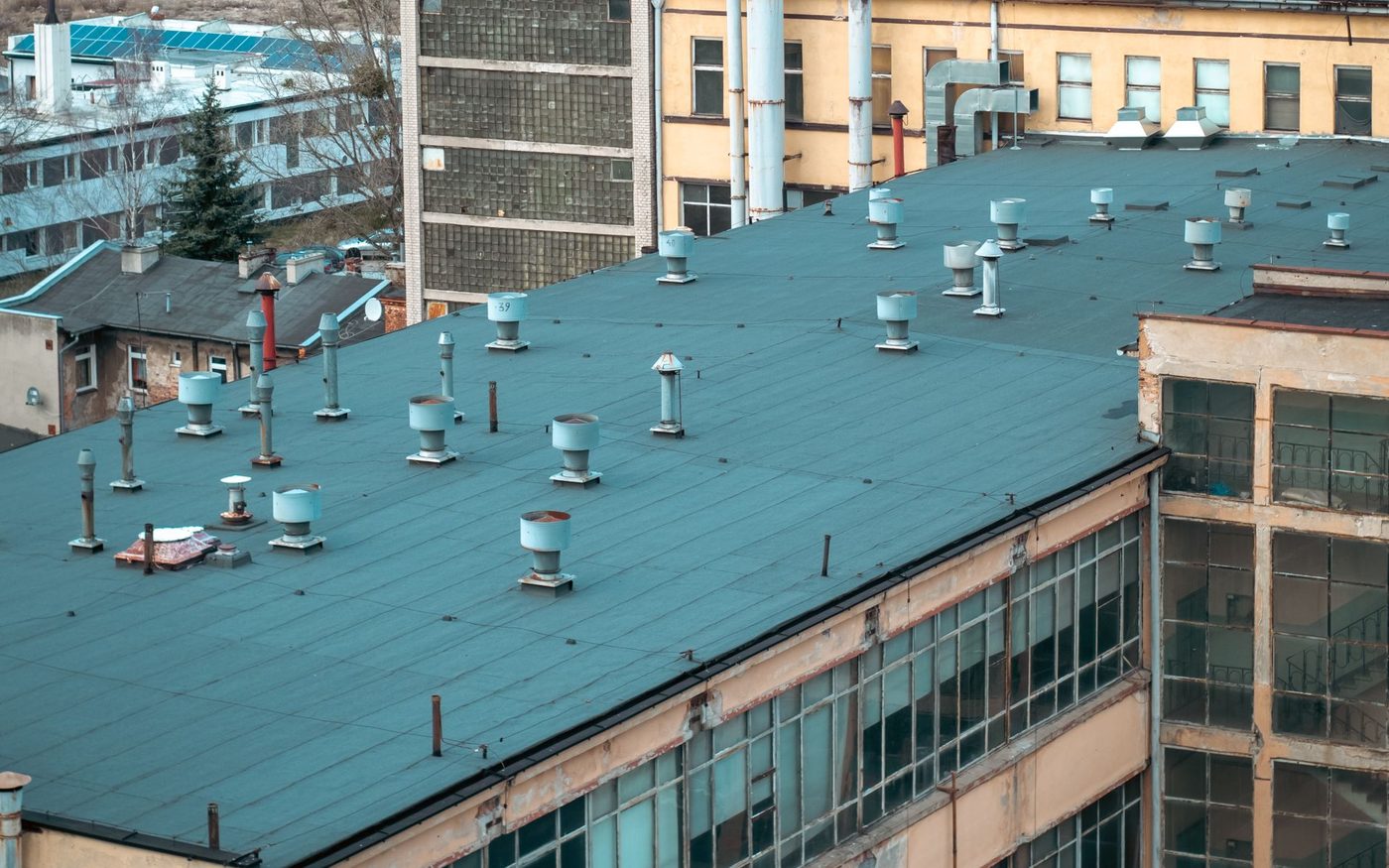
The granulated cap sheet heat-bonded over the base, with laps offset from those below.
Laps staggered.
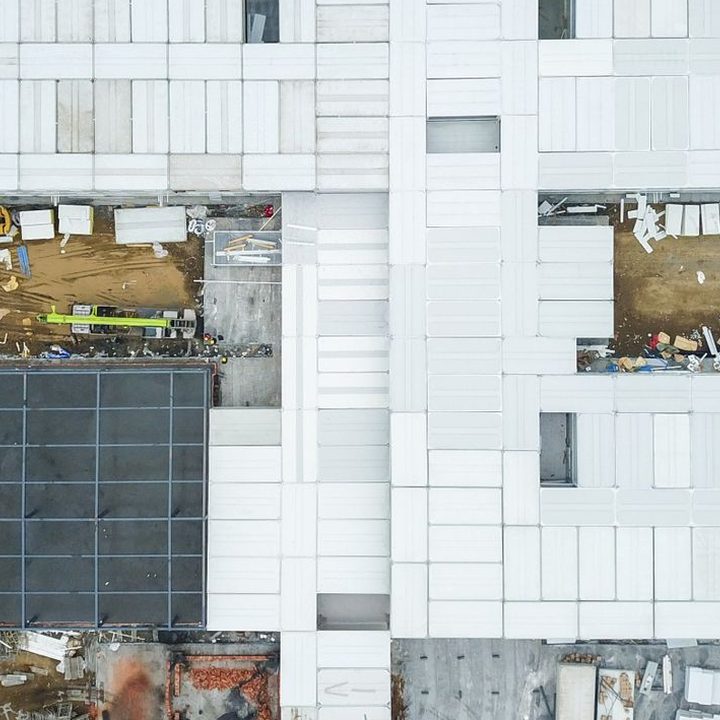
Every lap checked for a continuous bead of bitumen along its edge.
Every lap, not a sample.
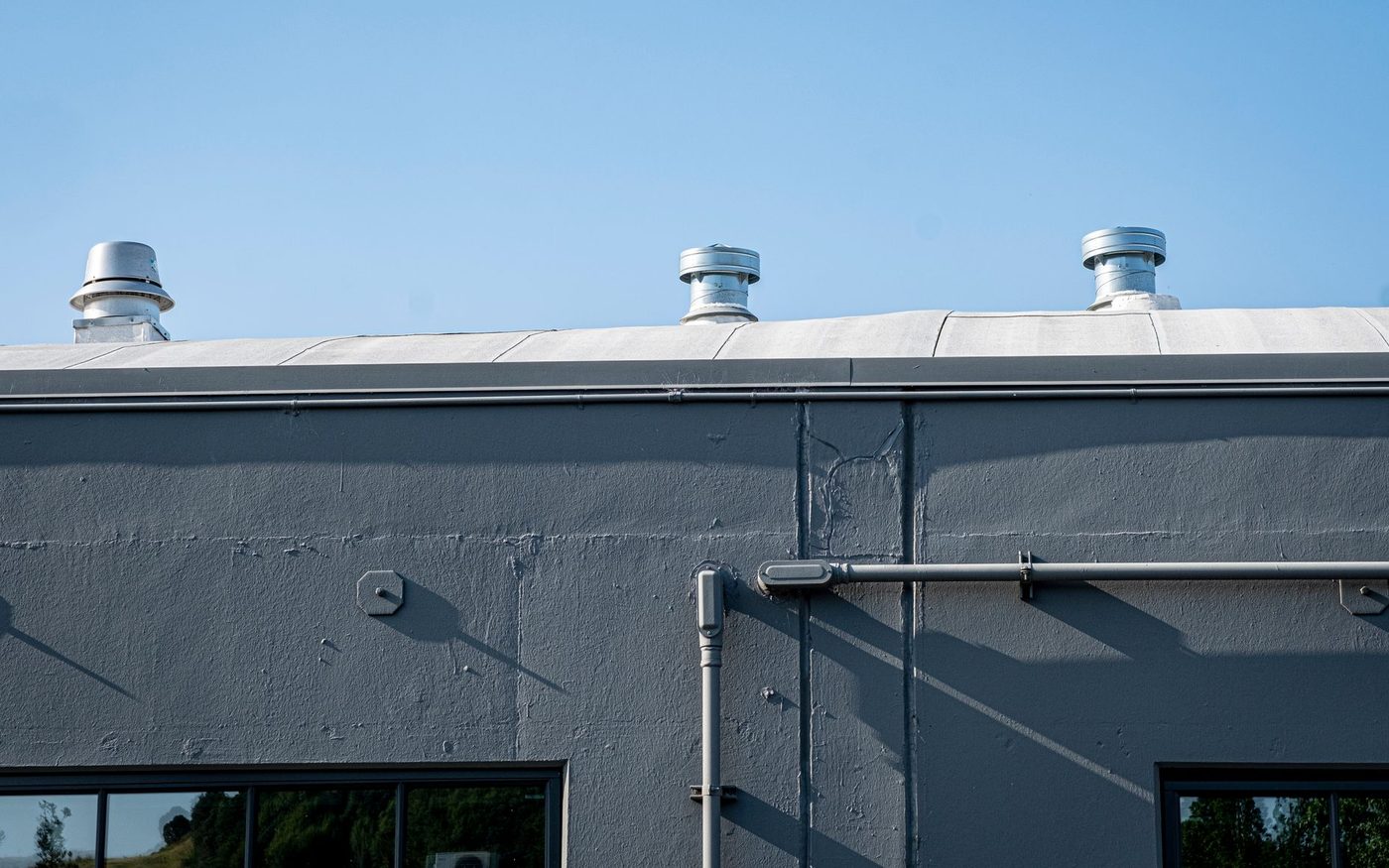
Torched areas watched after work stops, then the finished roof photographed.
Checked before leaving.
The quote is free, and it marks every area that will be finished without a flame.
Request a free quoteTorch-down is one way to install modified bitumen. These are the choices around it.
A base sheet and cap sheet fused together. The standard system for open commercial roofs.
Mineral granules on the top ply shield the bitumen from sun and scuffing.
Peel-and-stick modified bitumen with no flame at all, for homes and roofs near combustibles.
A reflective coating over a sound modified bitumen roof to cool it and renew the surface.
Torching near wood edges, vents or wall cavities is how roof fires start. Those areas are marked on the estimate and finished without a flame.
Torch-down is priced by area and plies, then by how much of the roof needs flame-free detail.
Measured across every section being covered.
A two-ply system costs more than a single cap sheet over a sound base.
Stripping old layers and wet insulation is its own line.
Self-adhered sheet at walls and edges costs more than torched sheet.
Each unit curb, drain and wall needs its own detail.
The estimate prices torch-down beside a single-ply option where both suit the roof. Rather write first? The contact page has a form.
Free, with every flame-free area marked.
Two torch-down bids can quote the same sheet and treat fire risk very differently.
Quote A is a composite of shortcuts seen in rushed torch-down installs. It is not a real quote, and it does not describe any particular company.
Lots of foot traffic to rooftop units? Mention it. It points toward torch-down.
Talk to a roofer504-229-3955Modified bitumen sheet bonded to the roof by melting its underside with a torch, usually as a base sheet and a cap sheet.
On the open roof, done with care, yes. Near wood, vents and walls we do not use a flame at all.
Torch-down is tougher underfoot. TPO is lighter and white. Heavy rooftop traffic points to torch-down.
Often a self-adhered version is used on homes, which gives the same kind of roof without a flame.
Yes, when it is sound and dry. A reflective coating cools it and renews the surface.
Open laps are re-bonded and damaged areas patched with new modified bitumen, with a flame only where it is safe.
Name and phone are enough. We call back the same business day.