Seams Welded, Then Probed
Hot-air welded seams checked along their length before the roof is signed off.

One sheet, welded into a continuous roof. TPO and PVC membranes heat-welded at every seam, fastened to the wind design, and flashed at every edge and unit curb.
A single-ply roof is one layer of membrane over insulation. With so little material, the seams and how it is attached decide whether it holds through a named storm.
Big Easy Roofing Company installs and repairs TPO, PVC and EPDM single-ply roofs on commercial buildings and on the flat sections of homes across New Orleans.
EPDM behaves differently from the welded membranes, so it has its own page on rubber roofing. This one is mostly about TPO and PVC.
Hot-air welded seams checked along their length before the roof is signed off.
Fastener pattern or adhesive set by the building’s wind exposure, not habit.
White TPO and PVC send back much of the sun a dark roof would absorb.
Single-ply problems start small and spread along seams and edges. These are the early ones.
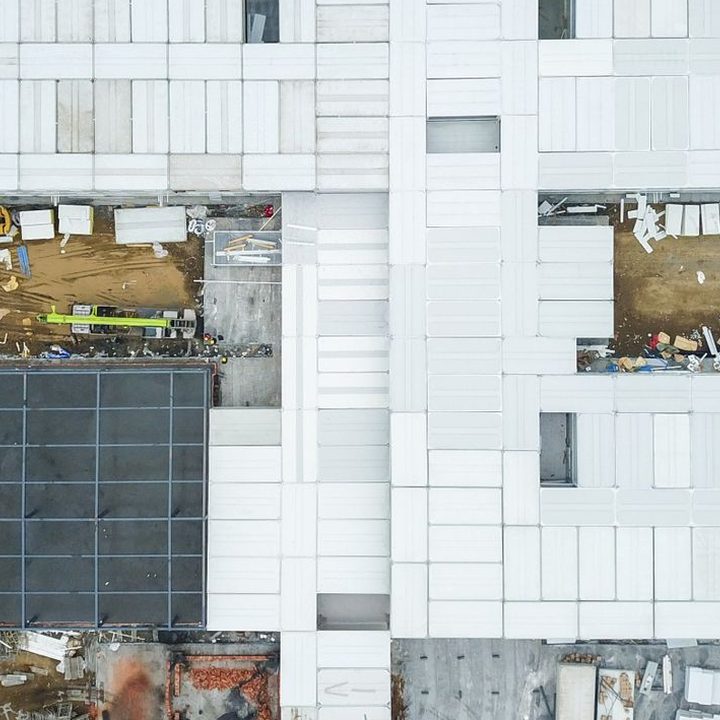
A seam that peels back at a corner lets water under the whole sheet around it.
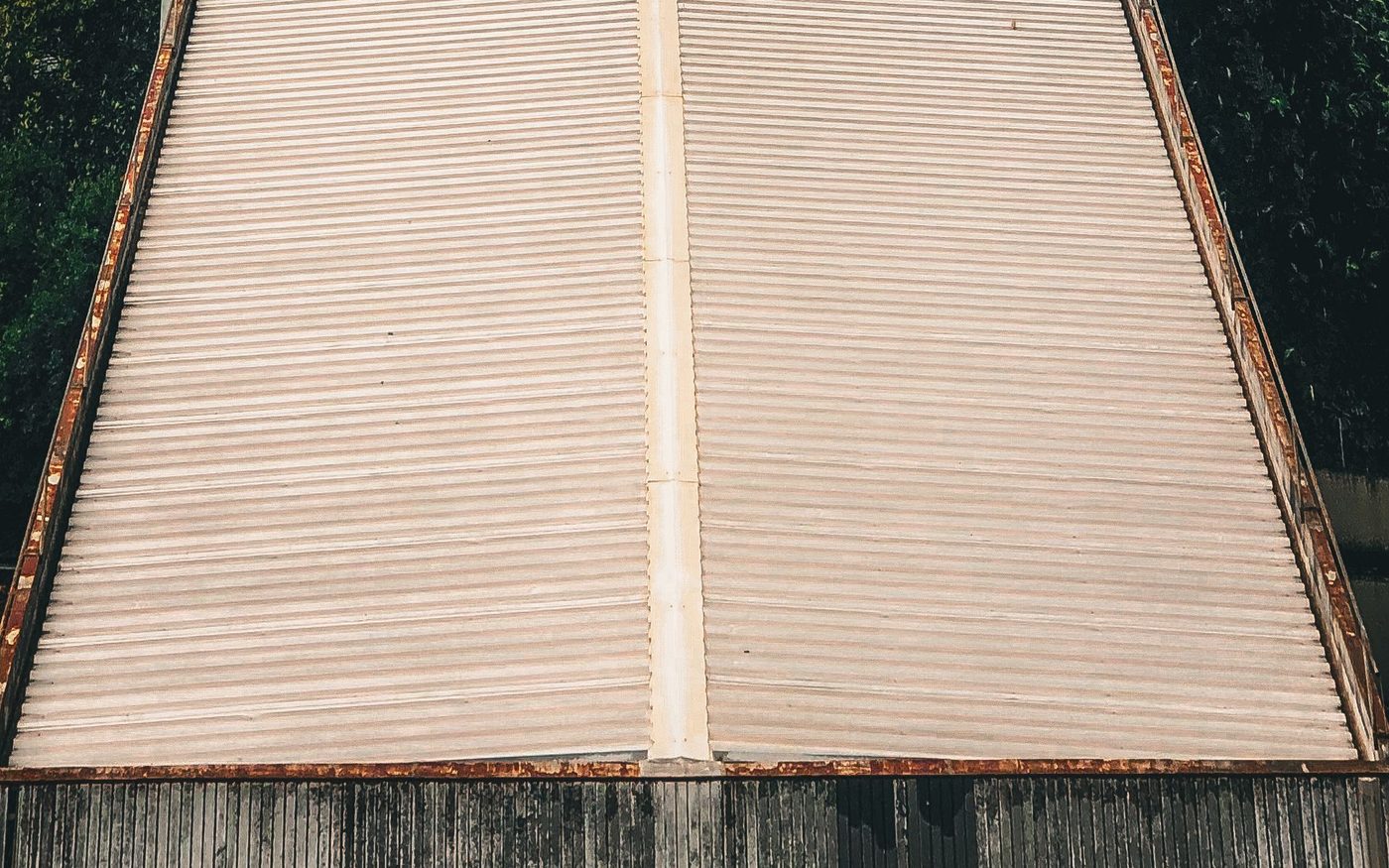
Ponding that stays for days strains seams and shows the insulation below has sagged.
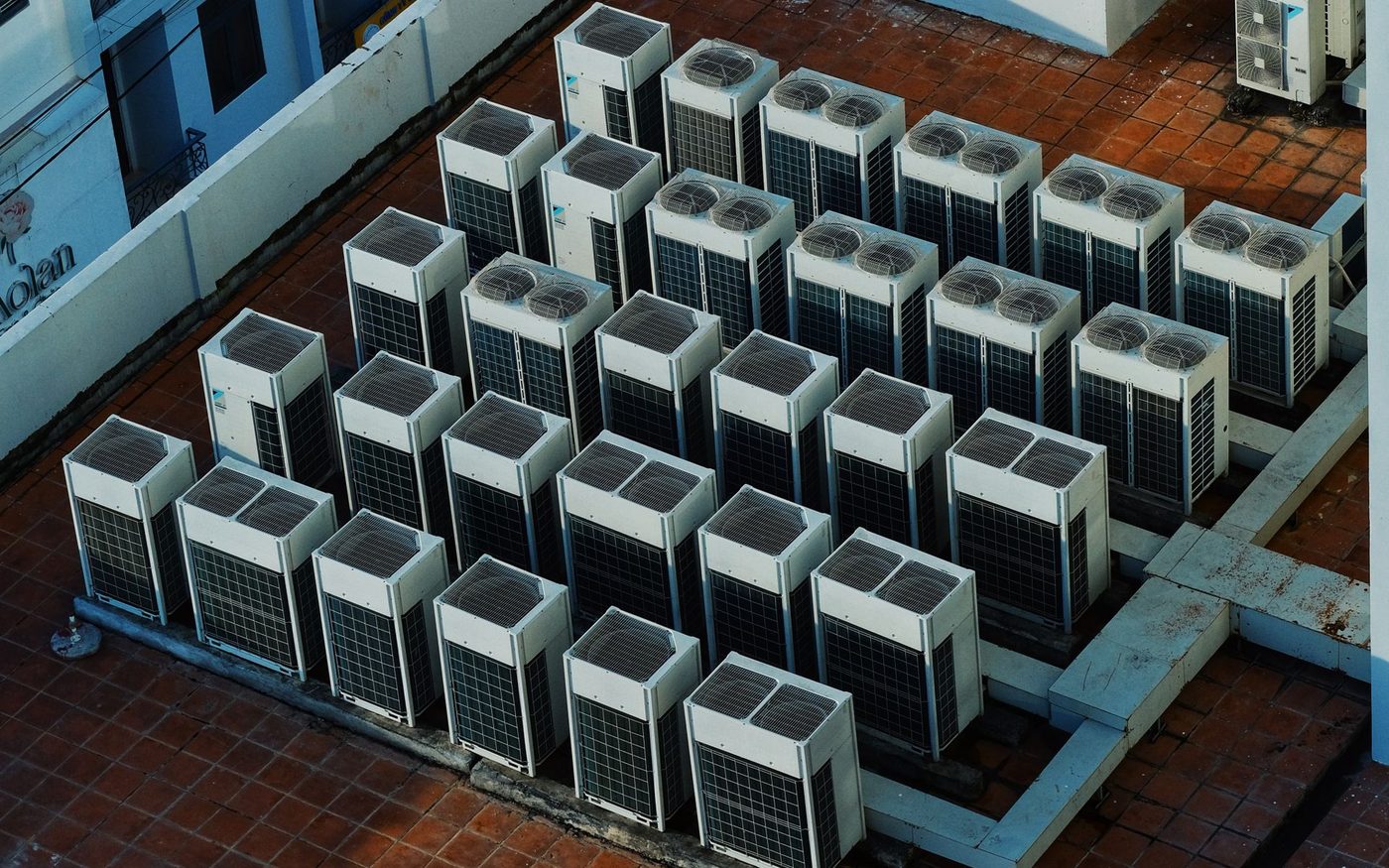
Dropped tools and foot traffic around units puncture thin membrane.
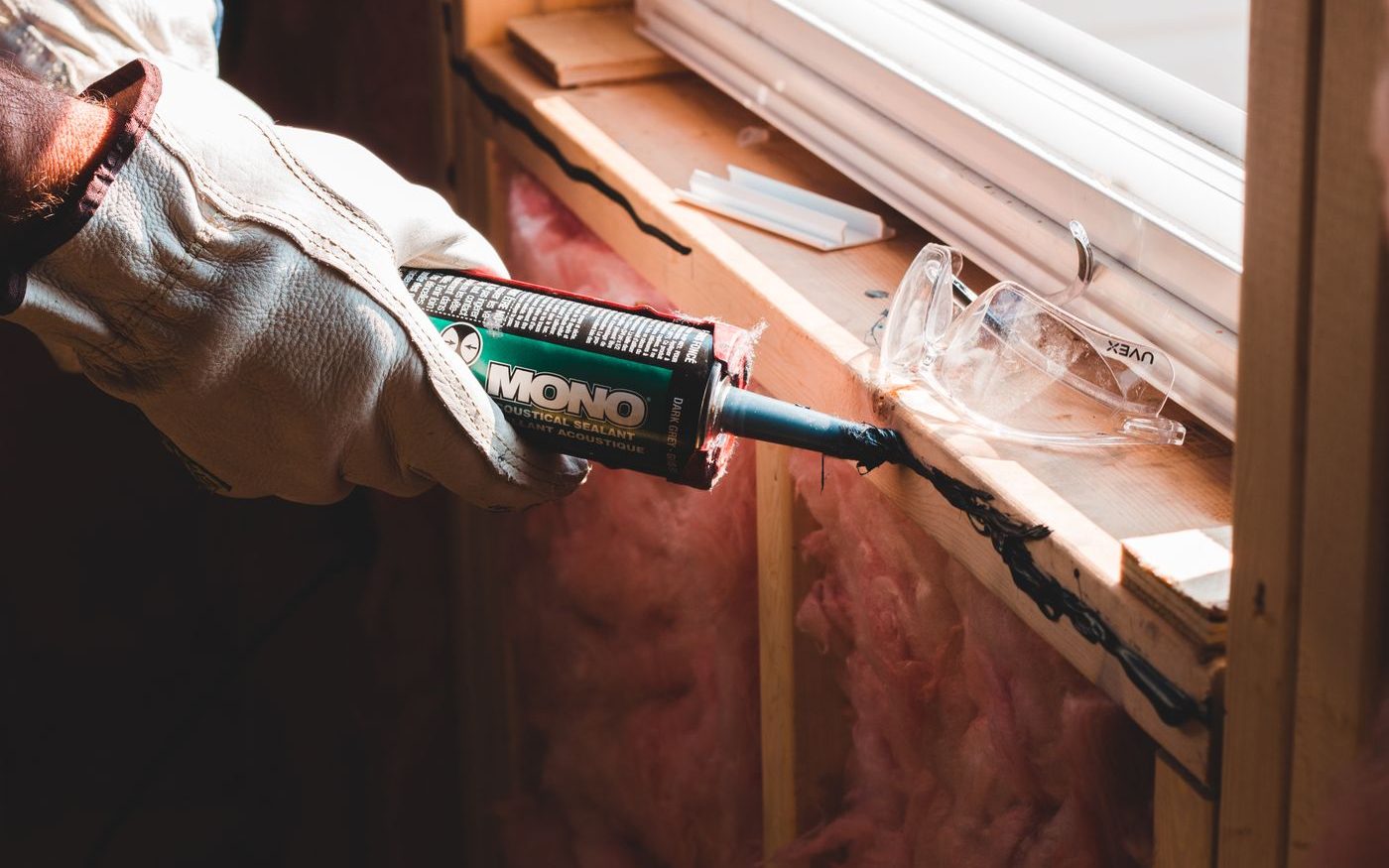
Beads of sealant along welds show earlier repairs covering failed seams.
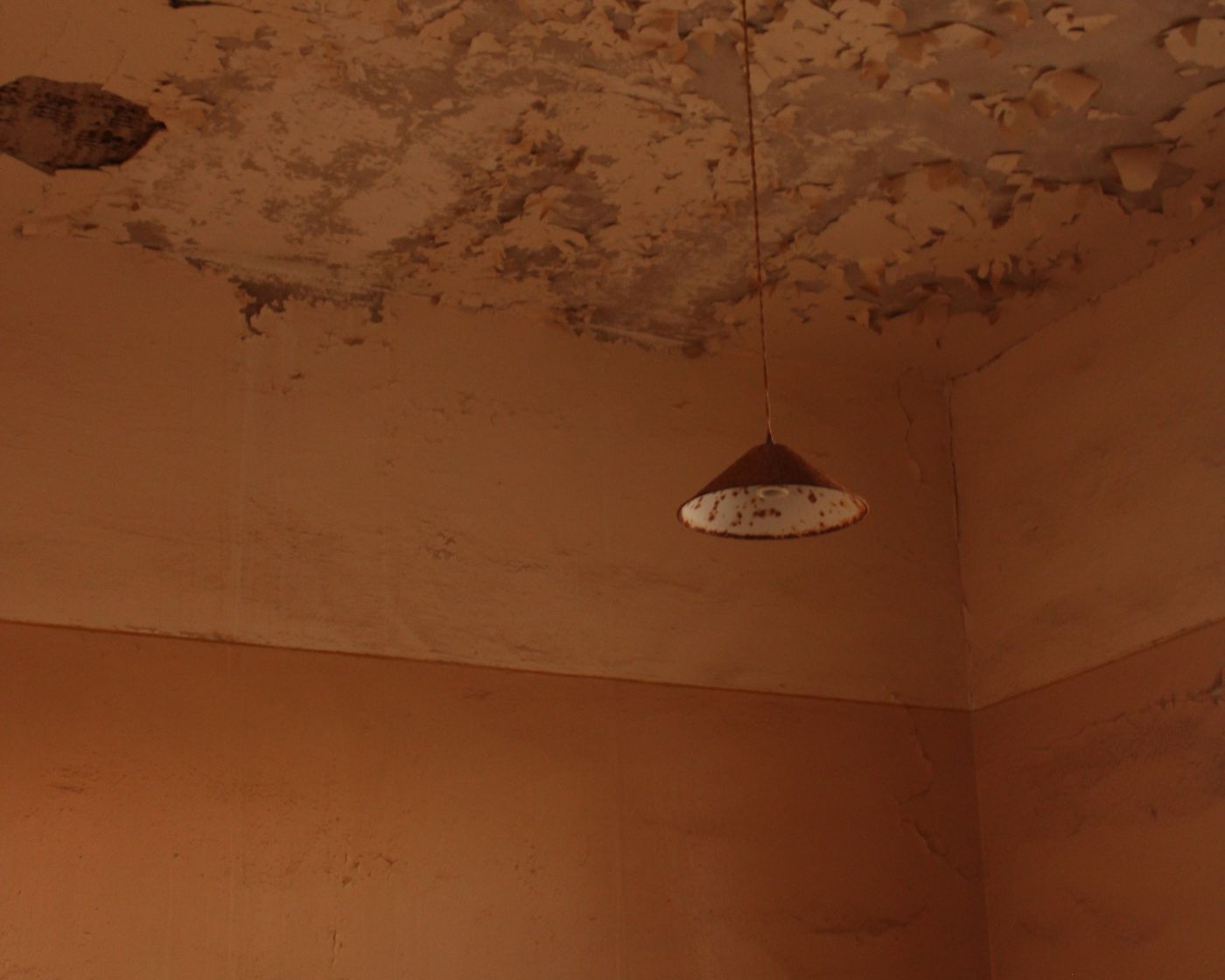
Water can travel under a single-ply sheet a long way before it shows inside.
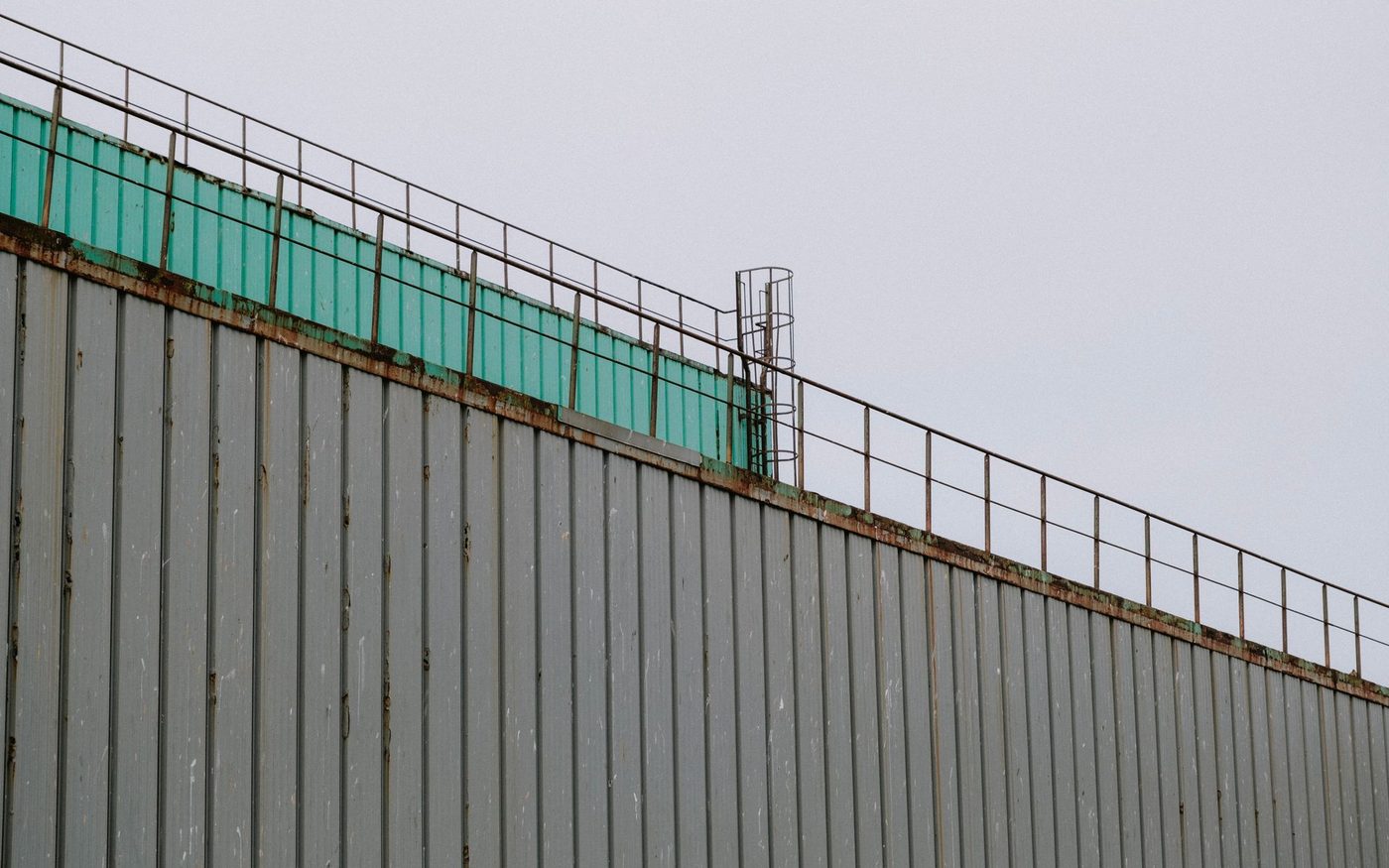
Edges that lift are where wind starts to peel a single-ply roof back.
Recognize any of these? The free survey checks the seams and edges end to end.
Request a free quoteEight steps, and the welding at the end is only as good as the preparation before it.
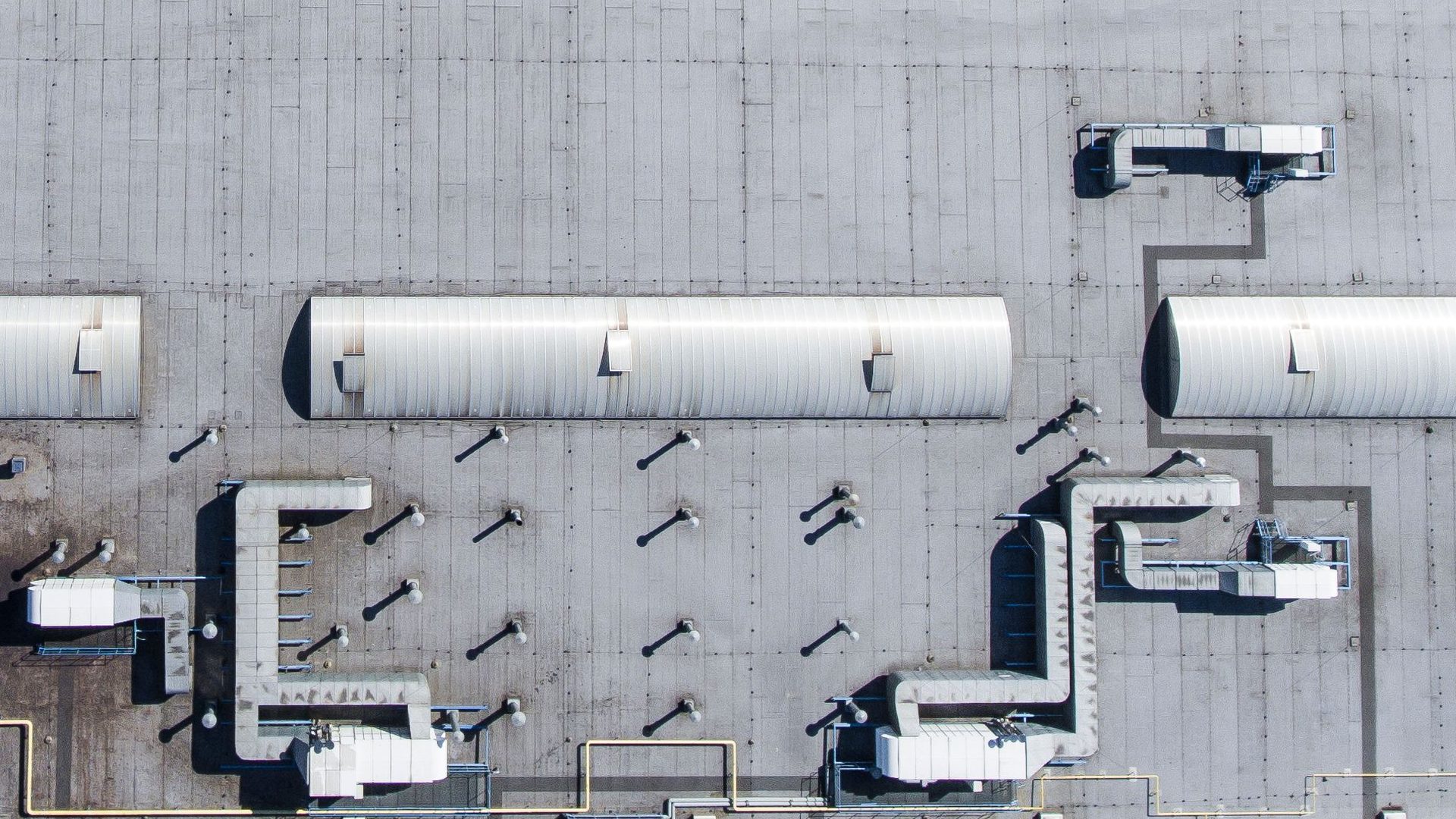
The roof walked and test areas checked for wet insulation under the old surface.
Wet areas mapped.
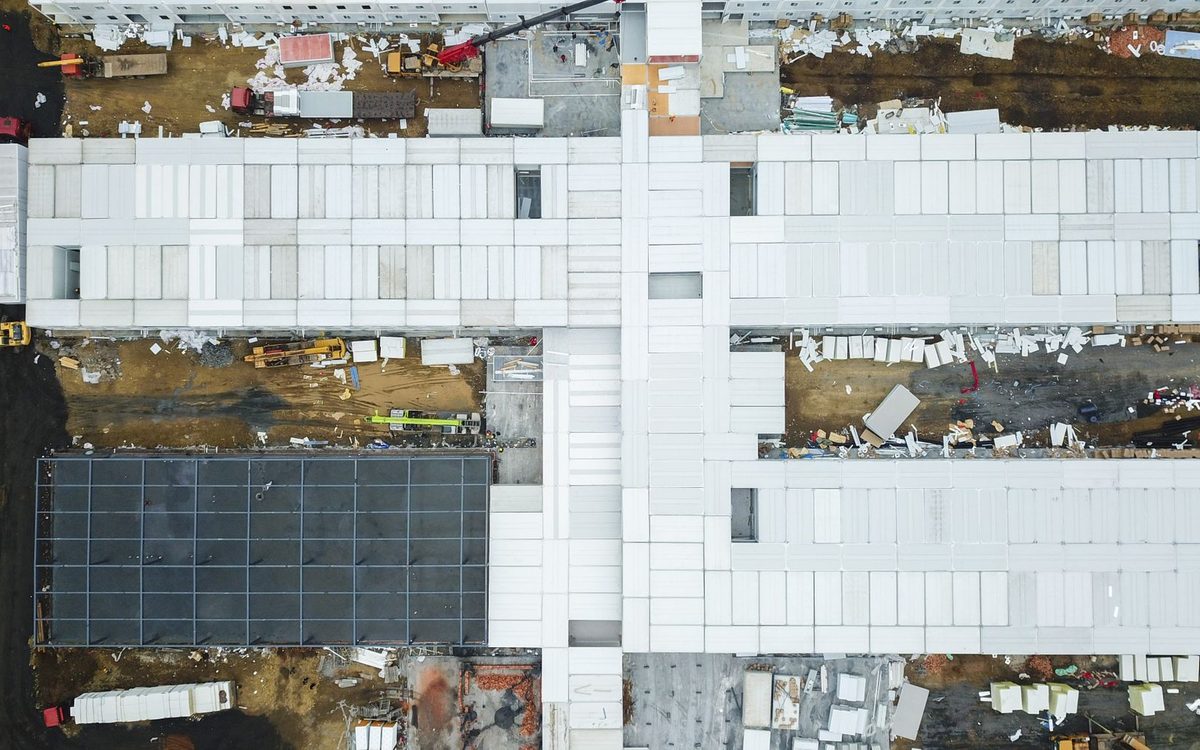
TPO, PVC or EPDM chosen for the building, what drains onto it and what sits on it.
Kitchens and oils point to PVC.

Membrane, insulation, attachment, flashing and edge metal priced line by line.
Agreed before ordering.
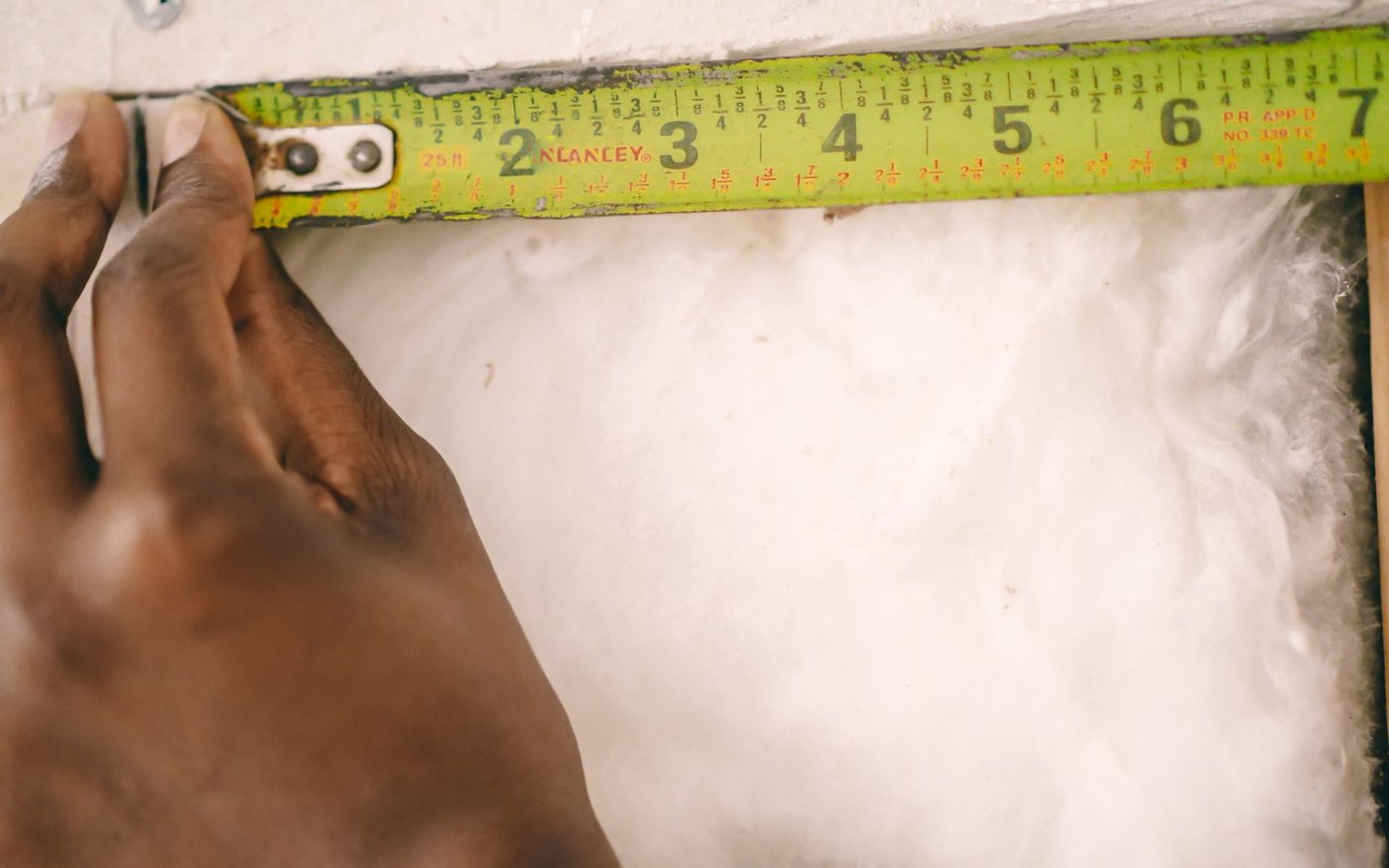
Old roofing and any wet insulation cut out down to a dry, sound deck.
Nothing wet is covered.
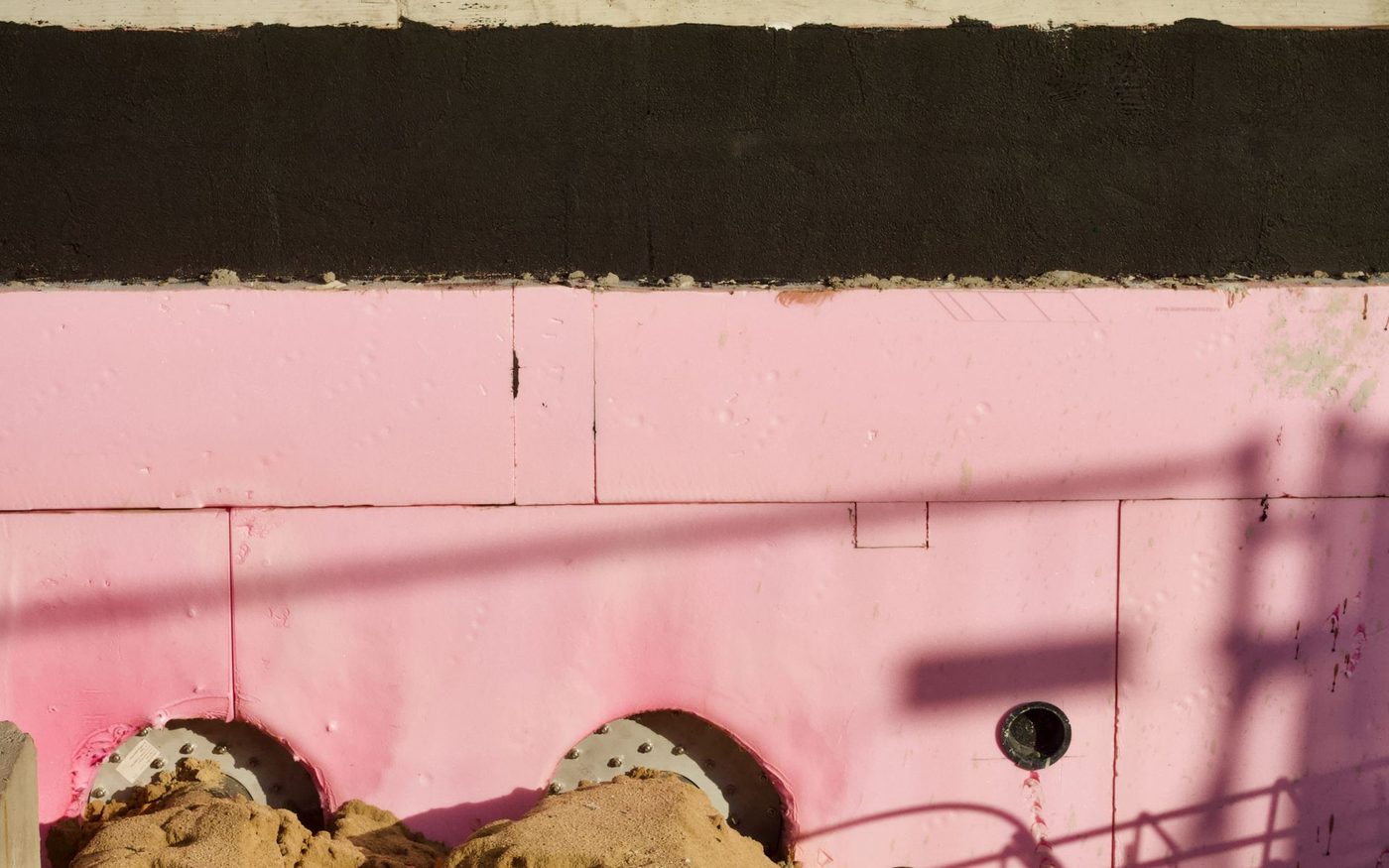
Insulation laid with offset joints and a cover board where the membrane needs one.
A flat, firm base.
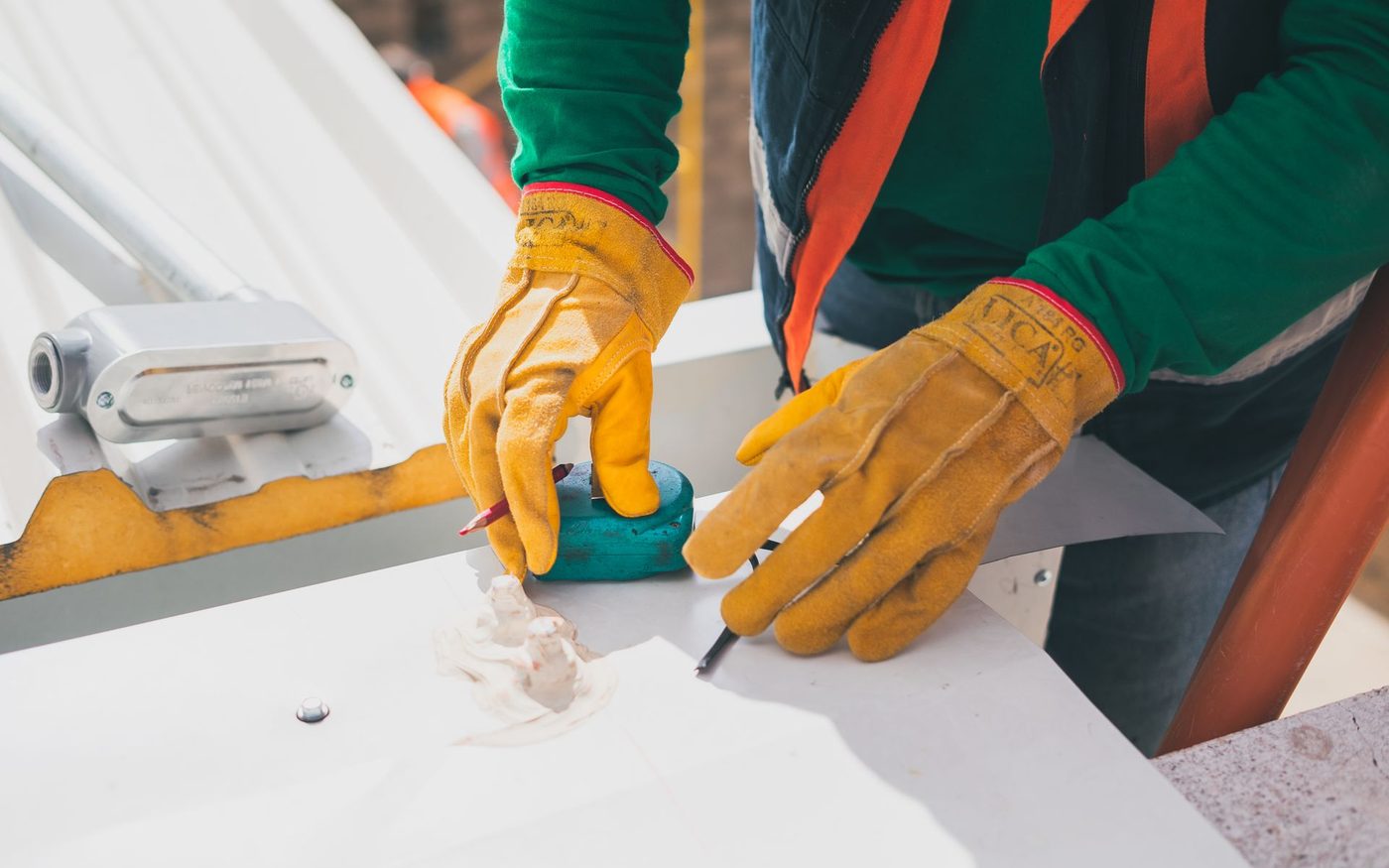
Sheets fastened, adhered or ballasted to the pattern the wind design calls for.
Attachment set per zone.
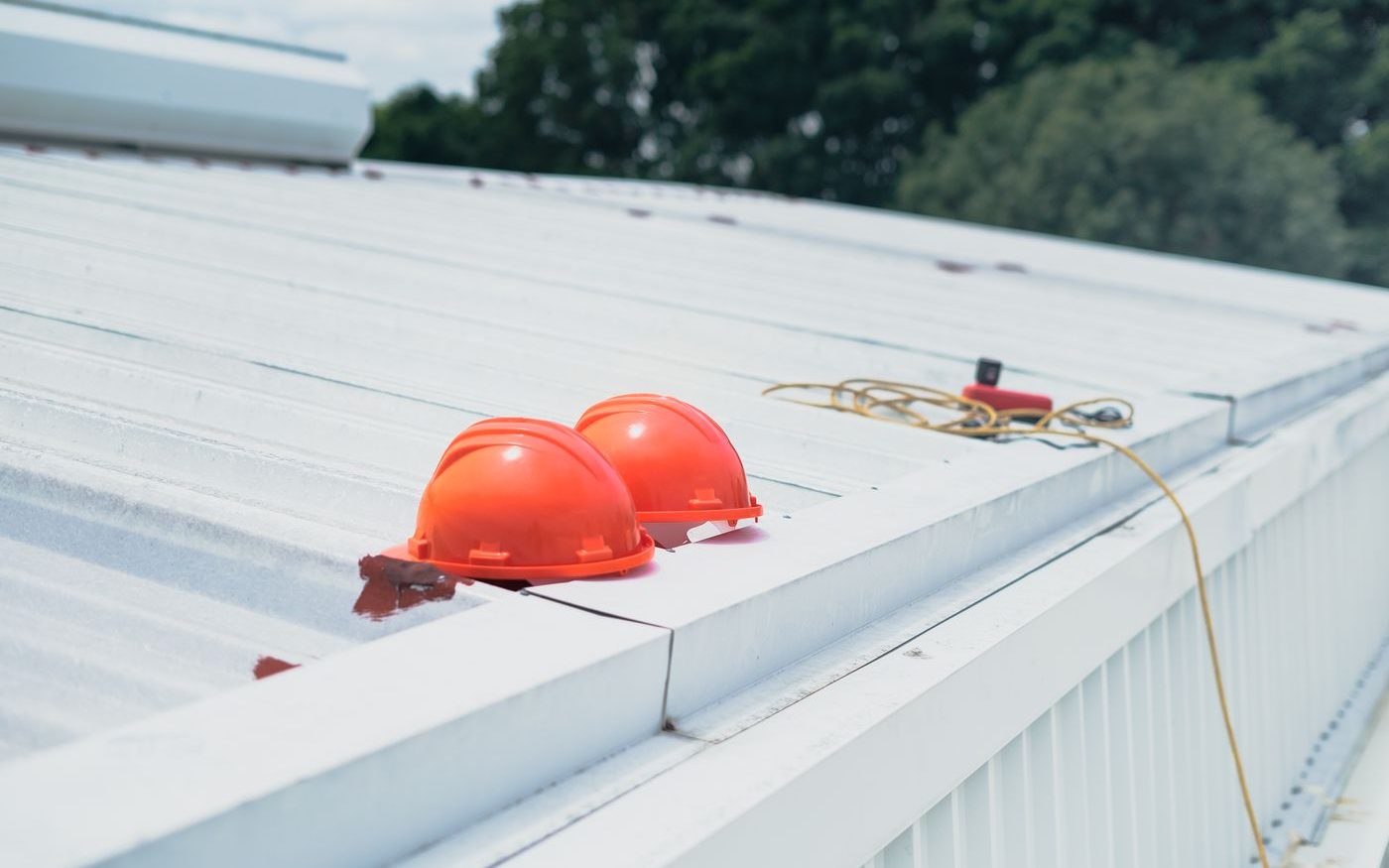
Seams hot-air welded, then checked with a probe along every length.
Every seam, not a sample.
Curbs, drains, walls and edges flashed, then the roof walked and photographed.
Photos included.
The survey and the written quote are free.
Request a free quoteChoosing a single-ply roof is two decisions: which sheet, and how it stays on.
White, reflective and heat-welded. The most common single-ply roof on new commercial work here.
Welded like TPO, and better at resisting grease and chemicals, which suits restaurants and kitchens.
Synthetic rubber joined with tape and adhesive rather than welds. Covered in full on the rubber page.
Screwed down with plates, glued to the board, or held by stone. The building’s wind exposure decides which.
A single-ply roof fails at its seams and edges, not in the middle of the sheet. That is where the estimate spends its words.
Single-ply is priced by area first, then by what lies under it and how it attaches.
Measured in squares across every section being covered.
PVC costs more than TPO, and thicker sheets cost more than thin.
Cutting out and replacing wet board is priced on its own line.
Fully adhered systems cost more in labor than mechanically fastened ones.
Each unit, pipe and drain needs its own flashing detail.
Every line is priced, so you can compare TPO and PVC on the same roof. Want to send drawings first? The contact page takes them.
Free survey, moisture checked, seams described in writing.
Single-ply bids often quote the same membrane. The differences are in the work around it.
Quote A is invented, drawn from shortcuts common in cheap single-ply bids. It is not a real quote, and no real roofer is described.
Know what is on the roof now? Photos of a seam or an edge help us identify it.
Talk to a roofer504-229-3955TPO suits most roofs. PVC is worth the extra cost where grease, oils or chemicals reach the roof, such as over a restaurant kitchen.
Yes, on flat sections, porches and additions. A white membrane also keeps those rooms cooler.
Sometimes, if the old roof is dry and code allows another layer. The moisture check decides it.
Yes, with care. Walkway pads are added where technicians regularly cross to equipment.
TPO and PVC are patched by welding new membrane over the damage. Sealant alone is not a lasting repair.
Yes. A white membrane reflects much of the sun a dark roof absorbs, which cuts heat reaching the space below.
Name and phone are enough. We call back the same business day.