Moves With the Roof
Rubber stretches through heat and cold instead of cracking at the joints.
Flexible, forgiving and simple to repair. EPDM sheets bonded to a clean deck, seams taped and rolled, and edges terminated so the sheet cannot creep back.
EPDM rubber stretches with a roof as it heats and cools, which makes it forgiving on older buildings. Its weak points are the seams and edges, where it is taped and glued rather than welded.
Big Easy Roofing Company installs and repairs EPDM rubber roofs on porches, additions, flat-roofed homes and commercial buildings across New Orleans.
Rubber is one of the single-ply membranes. For how it compares with the welded ones, see single-ply roofing.
Rubber stretches through heat and cold instead of cracking at the joints.
Punctures and split seams patched with primed rubber, not a smear of sealant.
Standard EPDM is black. White sheet or a coating keeps the roof cooler.
EPDM gives clear warnings, mostly at the places it was joined or cut.
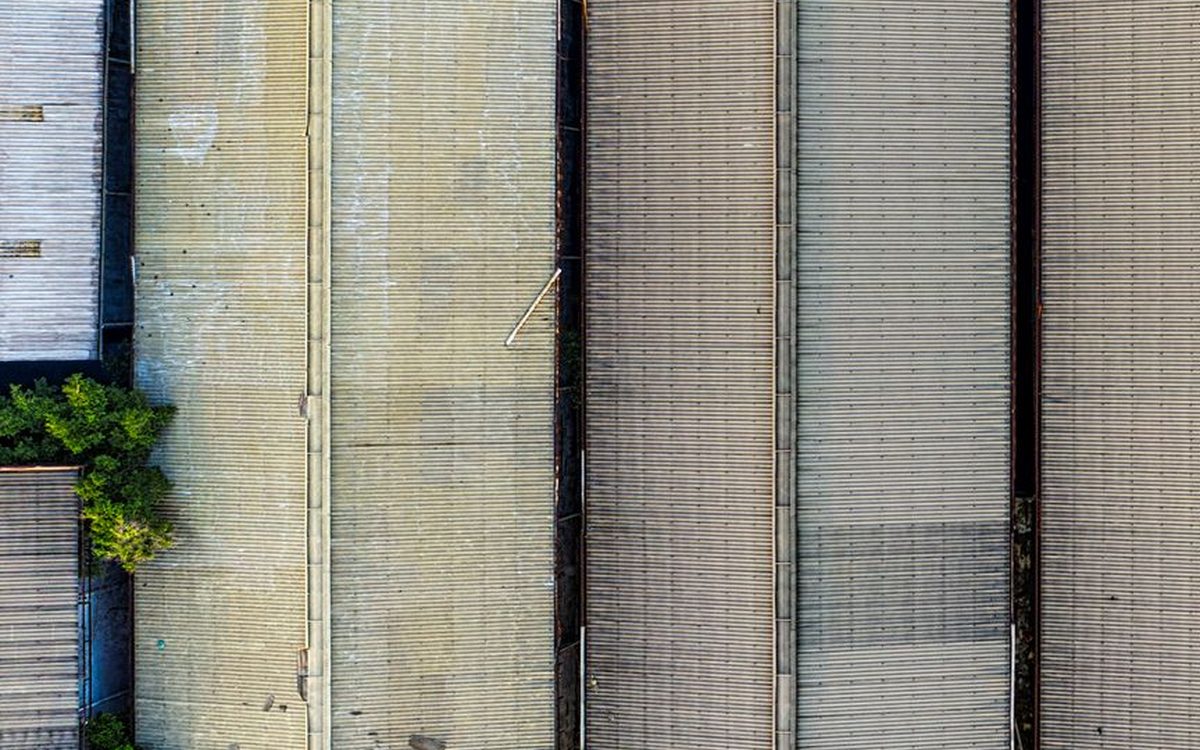
Taped or glued seams that open at the ends let water under the sheet.
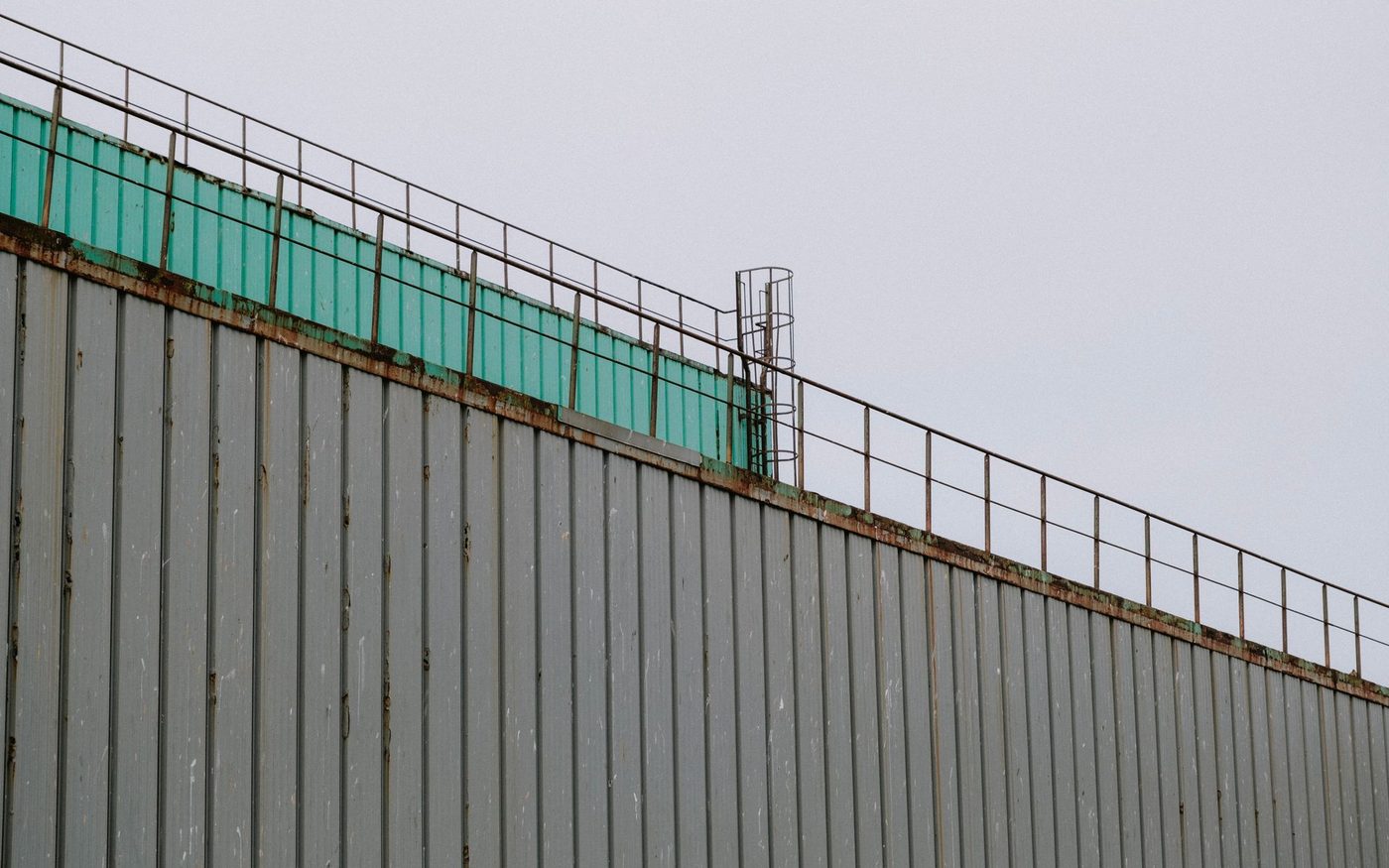
Older rubber can shrink and tug at walls and edges, stretching the flashing.
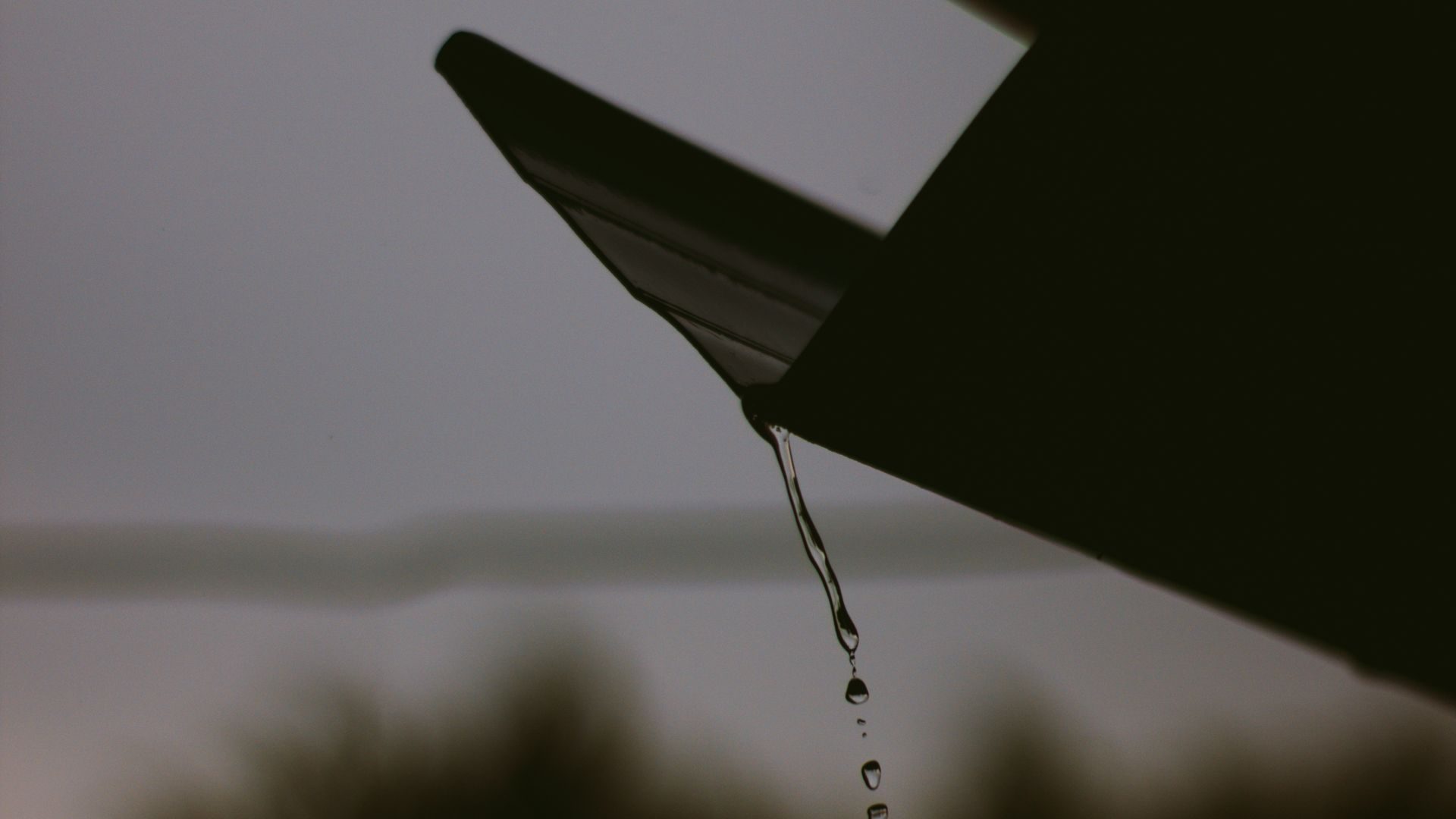
Water getting behind the edge metal means the termination has let go.
Pipe and vent flashings split before the sheet around them does.
Ripples in the sheet show where it has lost its bond to the deck.
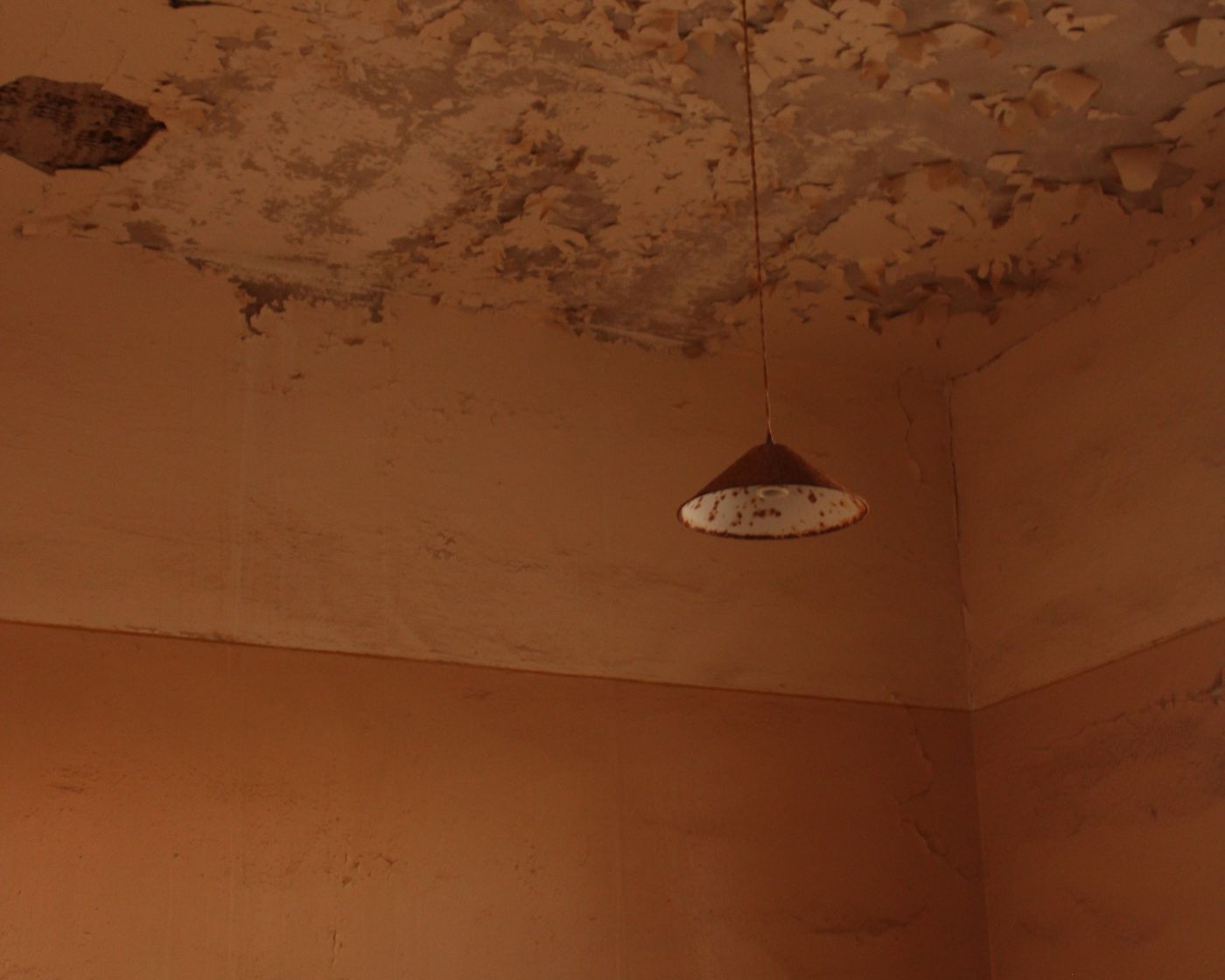
Porch ceilings and addition rooms often show a rubber roof leak first.
Seeing one of these? The free inspection checks every seam and edge on the roof.
Book a free inspectionEight steps. The bond to the deck and the seams decide how long it lasts.
Every seam, edge and penetration checked, and the deck checked for soft spots.
Photographed.
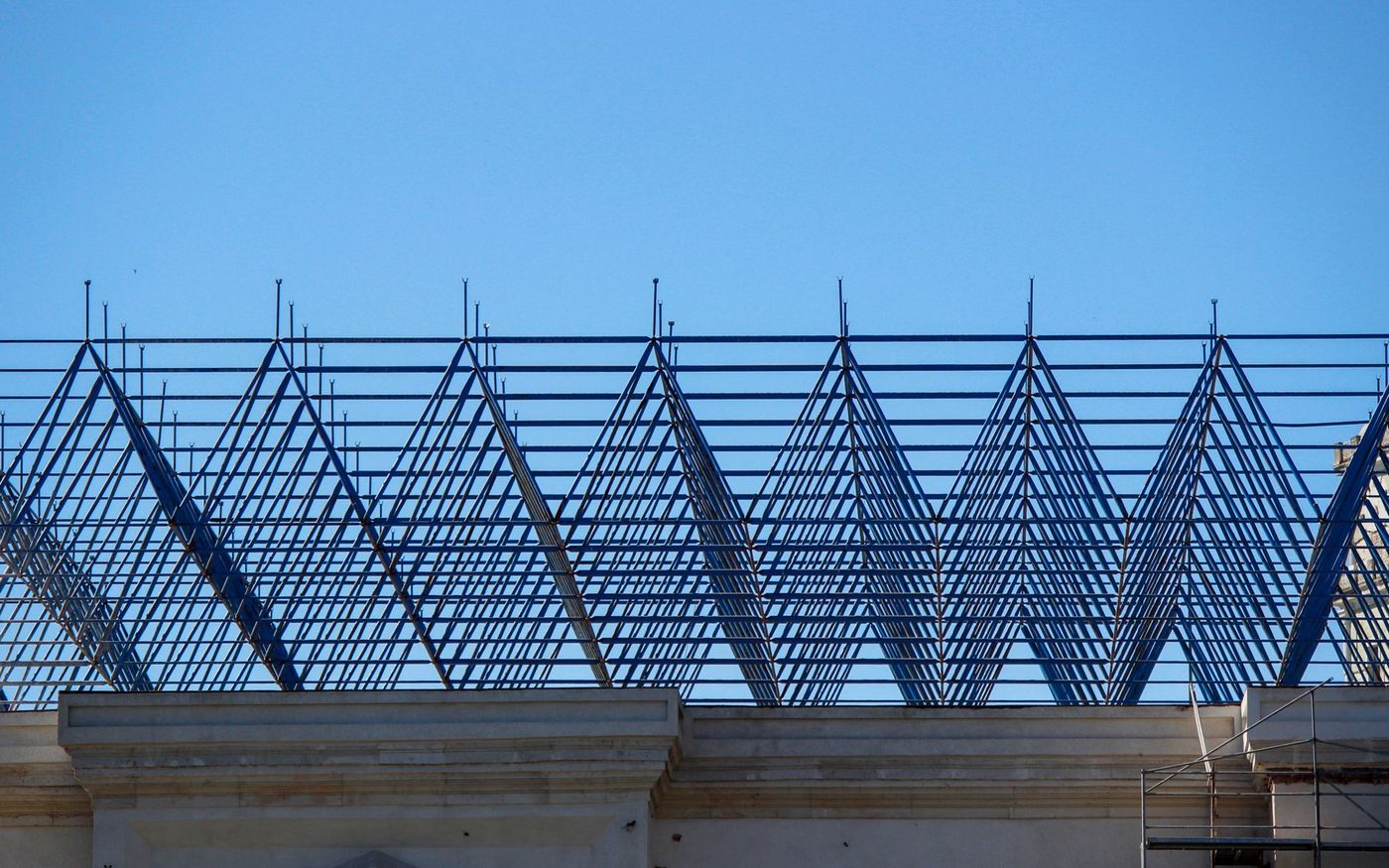
The deck below confirmed dry and sound, and soft or wet sections replaced.
Rubber is only as good as its base.

Sheet, insulation, adhesive, flashing and edge metal priced line by line.
Agreed before work.
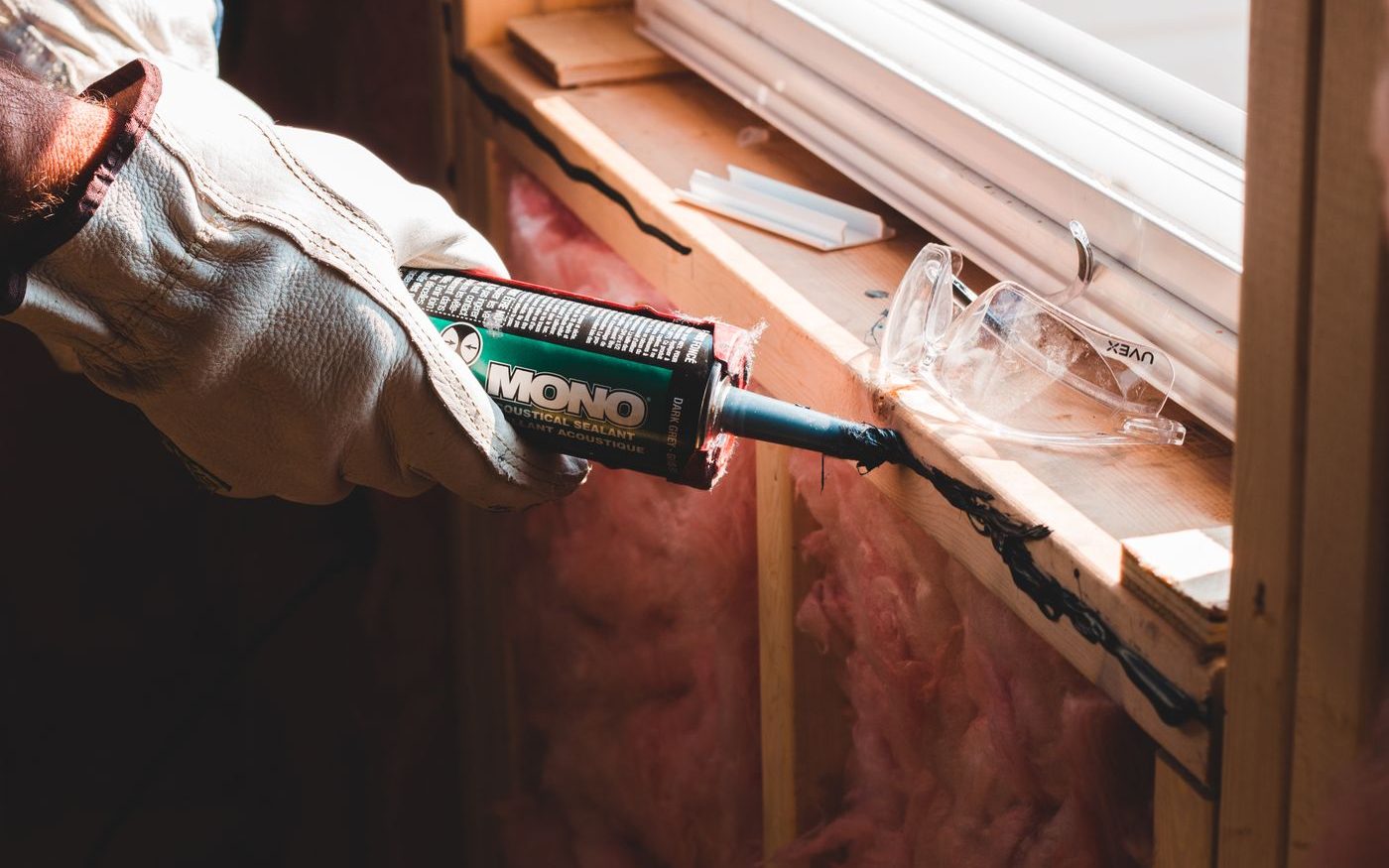
Seam areas and old rubber cleaned and primed so tape and adhesive grip.
Skipped primer is why patches fail.
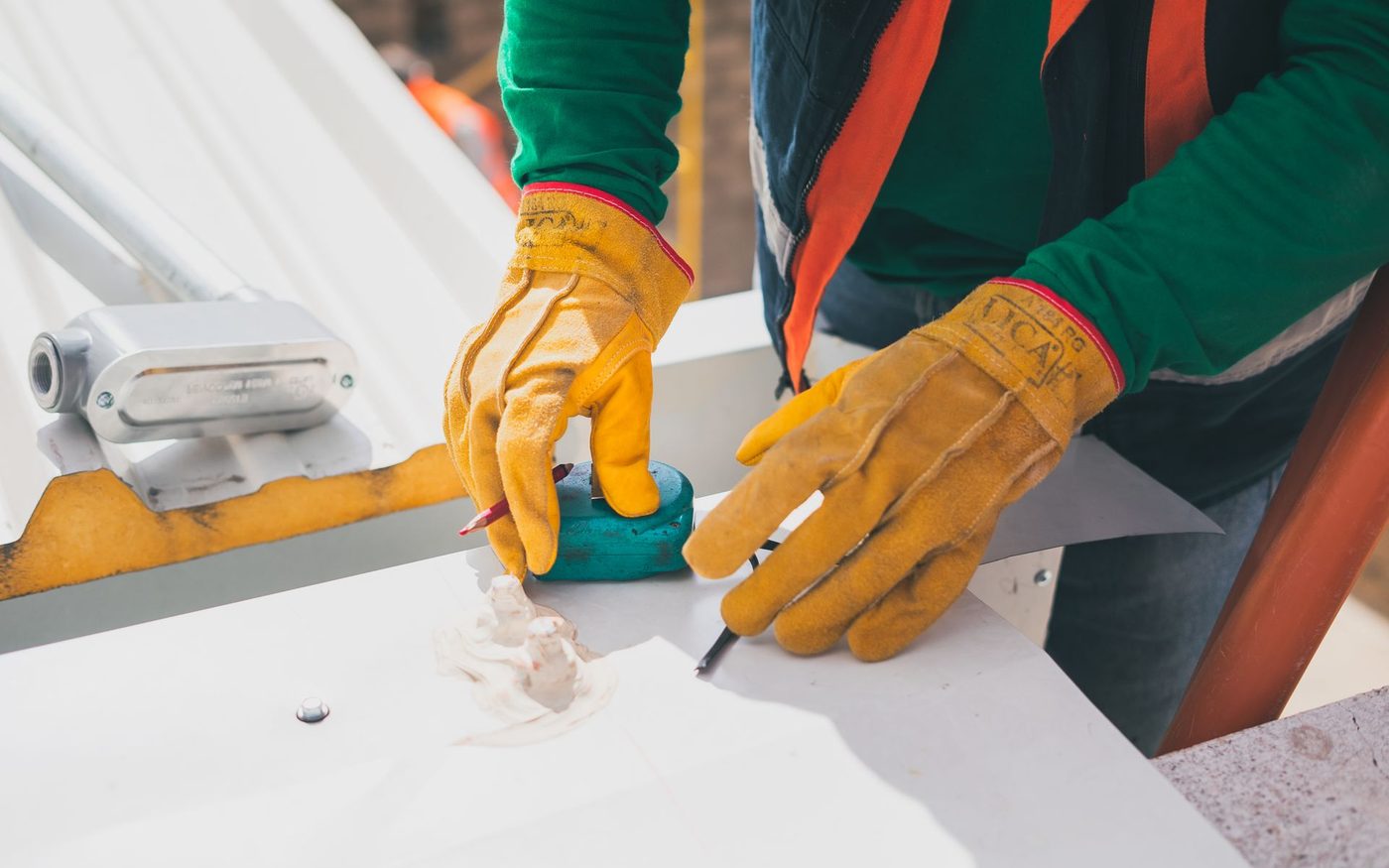
EPDM unrolled and left to relax before bonding, so it lies flat.
No wrinkles sealed in.
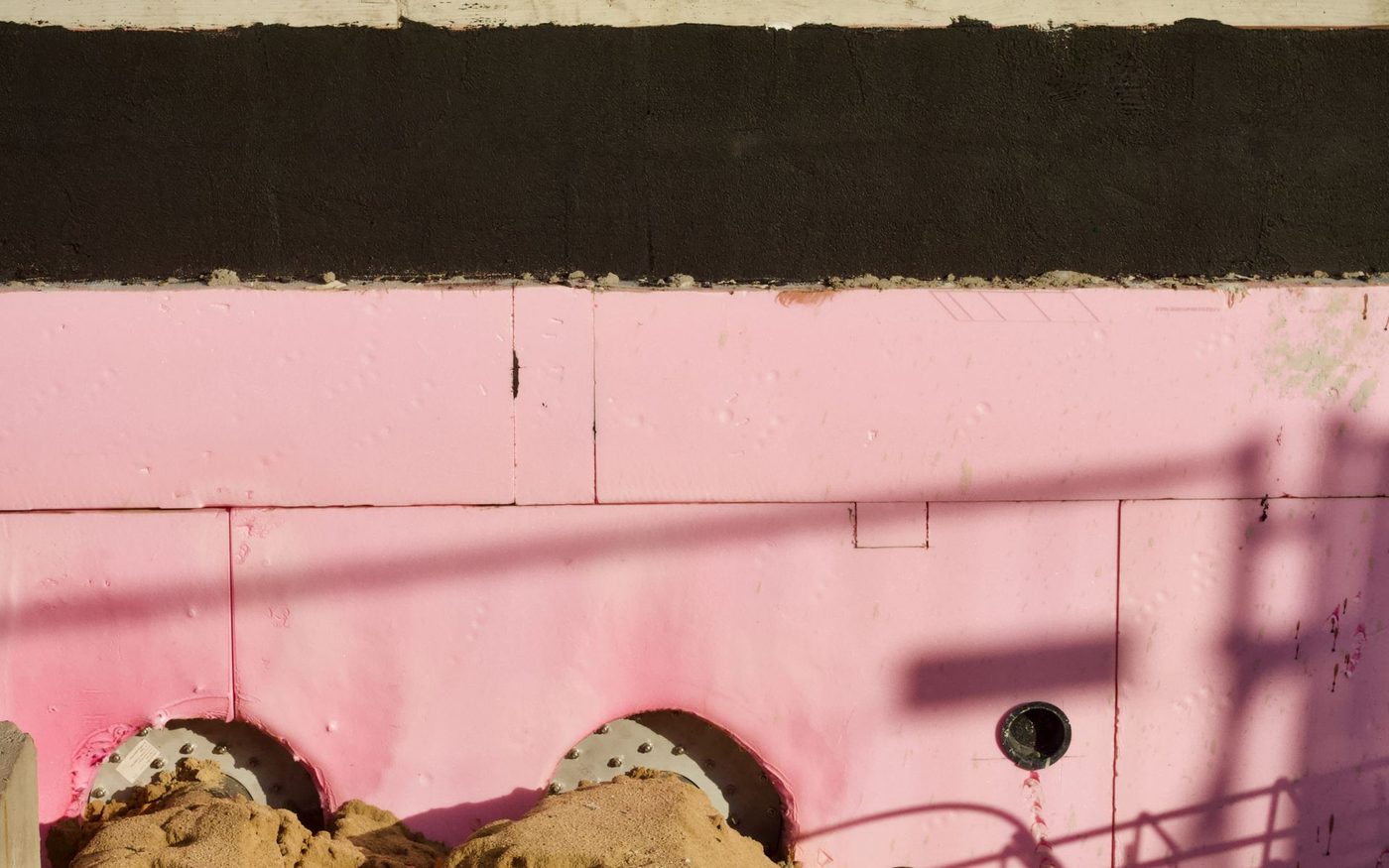
The sheet fully adhered to the insulation or cover board.
Rolled for full contact.
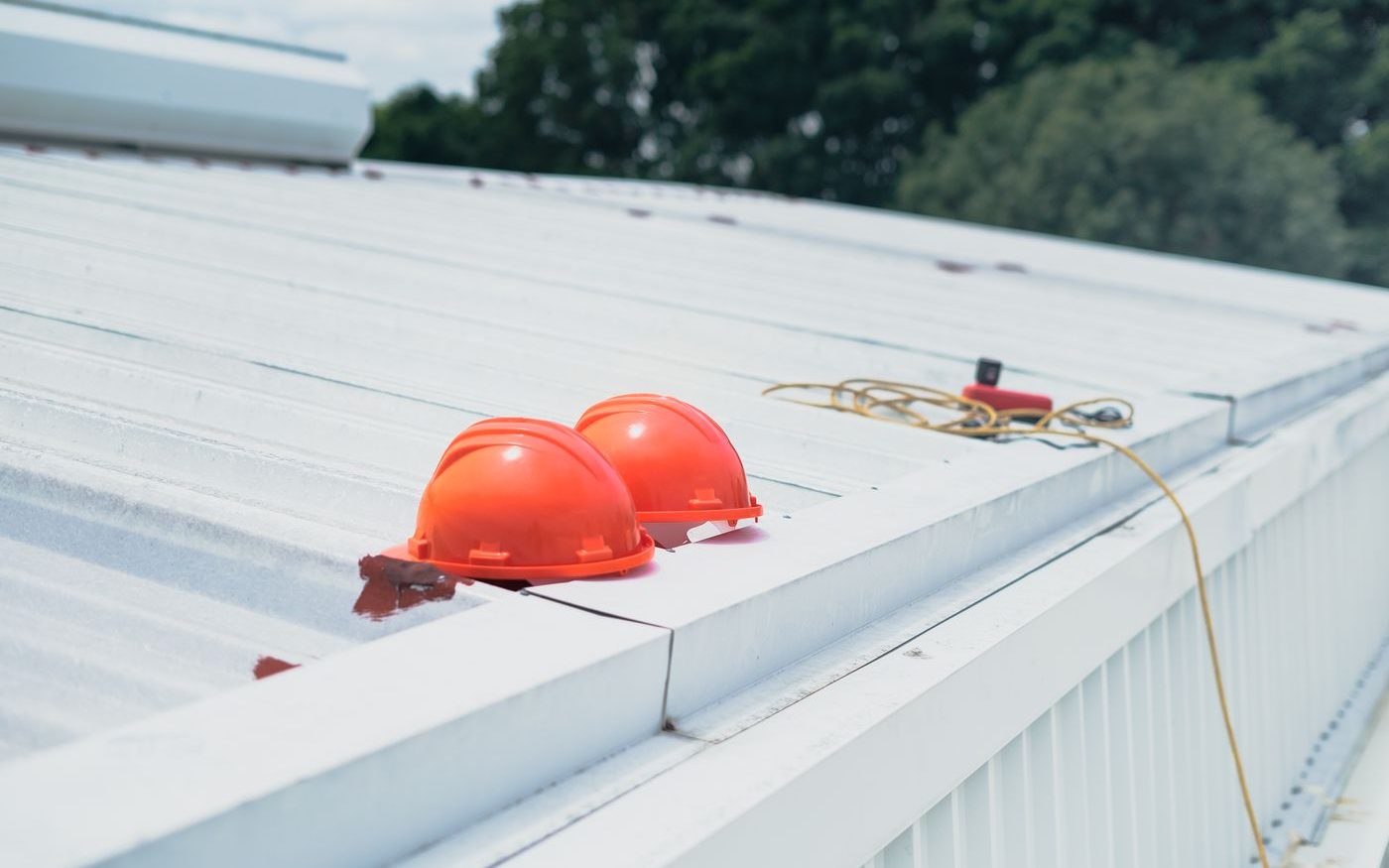
Seam tape applied to primed overlaps and rolled down along its length.
Every seam checked by hand.
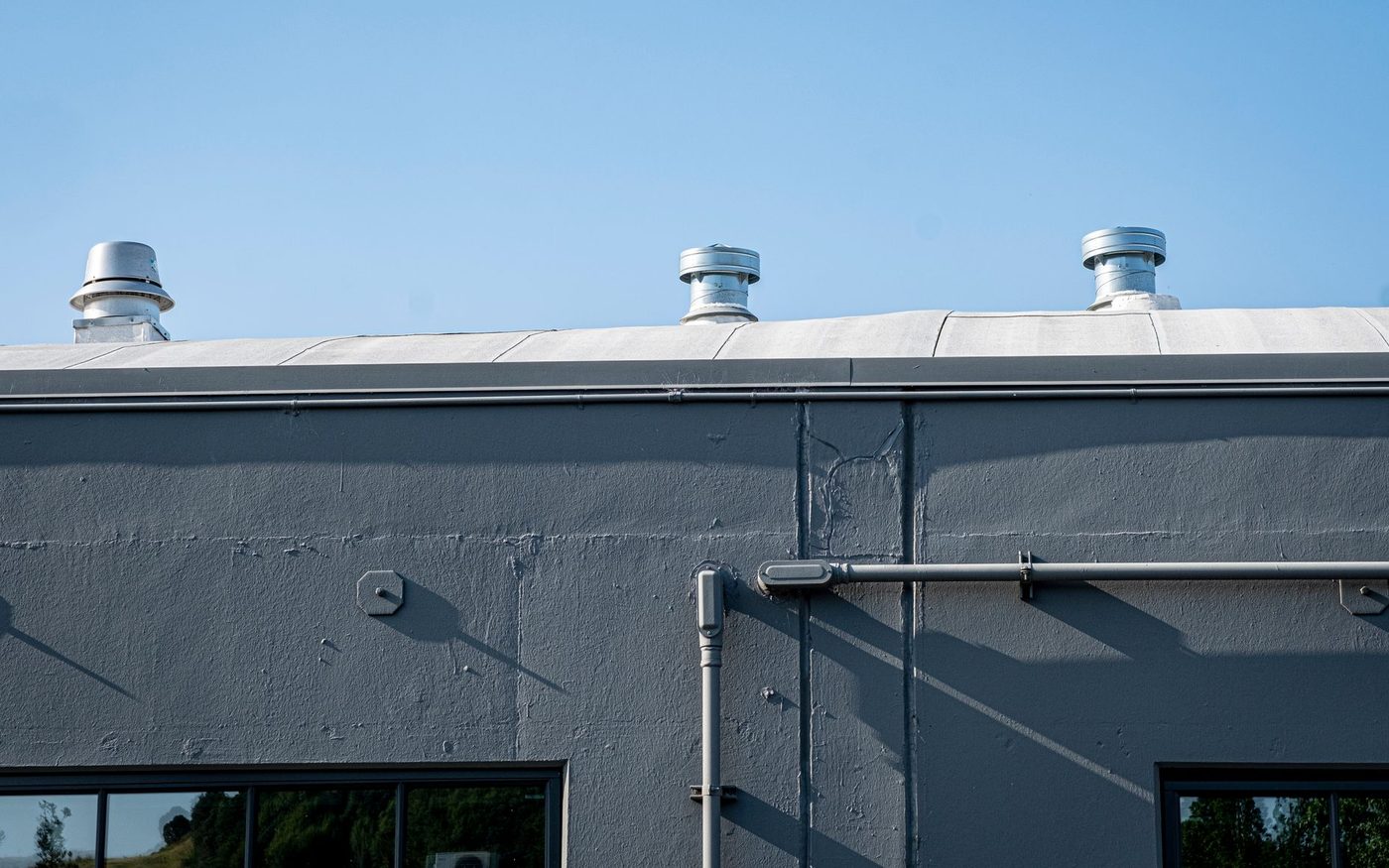
Termination bars and edge metal fixed so the sheet cannot creep, then photographed.
Photos for your file.
The inspection and the written estimate are free.
Book a free inspectionMost rubber roofs here are EPDM sheet. The other two show up on sheds and pitched roofs.
The standard rubber sheet. Flexible and simple to repair, and it absorbs heat unless coated.
The same rubber with a white surface, which keeps the roof and the rooms below cooler.
Lighter rubber rolls for porches, sheds and small low-slope roofs.
Recycled rubber shaped like shingles or slate, for pitched roofs rather than flat ones.
Most caulk does not bond to EPDM for long. A lasting repair is a primed rubber patch rolled into place.
Rubber is one of the more affordable flat roofs. These five things move the price.
Measured across the whole flat section, from porch to warehouse.
Thicker sheet and white EPDM cost more than standard black.
Fully adhered sheets take more labor than ballasted ones.
Soft or wet sections under the old roof are replaced first.
Each wall, pipe and vent needs its own flashing detail.
Every line is on the estimate, so you can weigh rubber against TPO on the same roof. Prefer email? The contact page works too.
Free, every seam and edge checked.
Rubber roof repairs look alike on day one. The difference shows after the first summer.
Quote A is invented for this page from shortcuts common in rubber roof repairs. This is not a real quote, and it describes no actual roofer.
Rubber roof on a porch or addition? A photo from a window above helps us quote it.
Talk to a roofer504-229-3955EPDM is flexible and simple to repair. TPO is white and welded. The building and how hot the rooms below get usually decide it.
It absorbs more heat than white. White EPDM or a reflective coating reduces that.
Yes. The area is cleaned and primed, and a rubber patch is rolled into place.
Very. Low-slope porches are one of the most common places for EPDM on New Orleans homes.
Rubber tolerates it better than many roofs, but water that stays still points to a drainage problem worth fixing.
Yes, carefully. Walkway pads protect the sheet where people cross often.
Name and phone are enough. We call back the same business day.