Drainage Comes First
Low spots, drains and scuppers mapped before any system is chosen.

Built for where the water goes. Drainage mapped, wet layers found, and the system chosen for the building, from porches and camelbacks to warehouses.
Flat is a category, not a material. Five systems share the name, and each handles Gulf rain differently. What they share is one rule: water has to reach a drain, and a flat roof that holds water is failing slowly.
Big Easy Roofing Company repairs, recovers and replaces flat and low-slope roofs on homes and commercial buildings across New Orleans: built-up, torch-down, TPO, PVC and EPDM.
A sound flat roof that is simply worn can often be renewed with a roof coating instead of replaced, and the inspection says whether yours is one.
Low spots, drains and scuppers mapped before any system is chosen.
The right one depends on the building, the traffic and what sits on the roof.
All three options priced where they apply, so you are not sold the biggest.
Flat roofs rarely fail at once. They hold water, then blister, then leak somewhere unexpected.
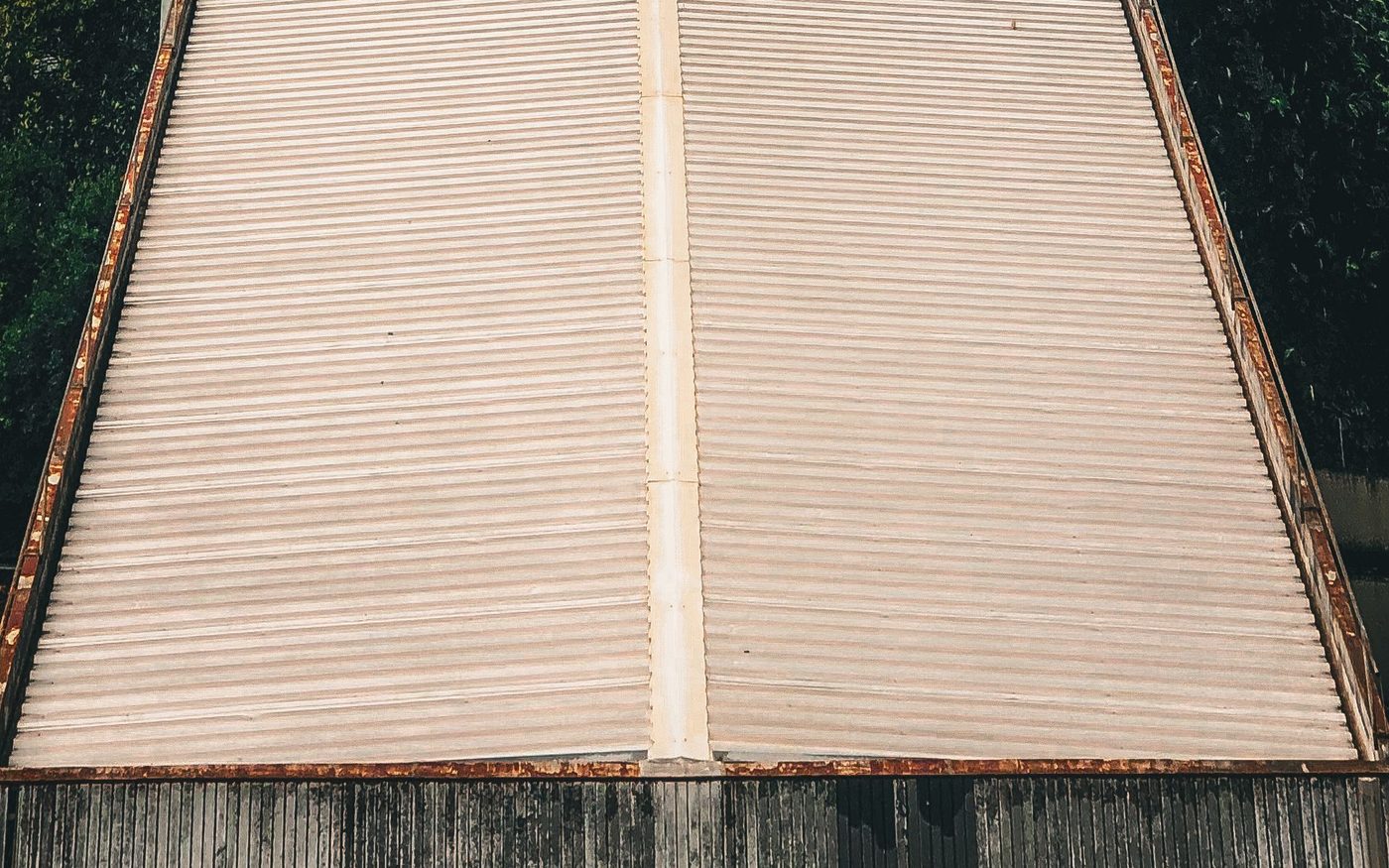
Water still standing a couple of days after rain means the roof has sagged or the drains are blocked.
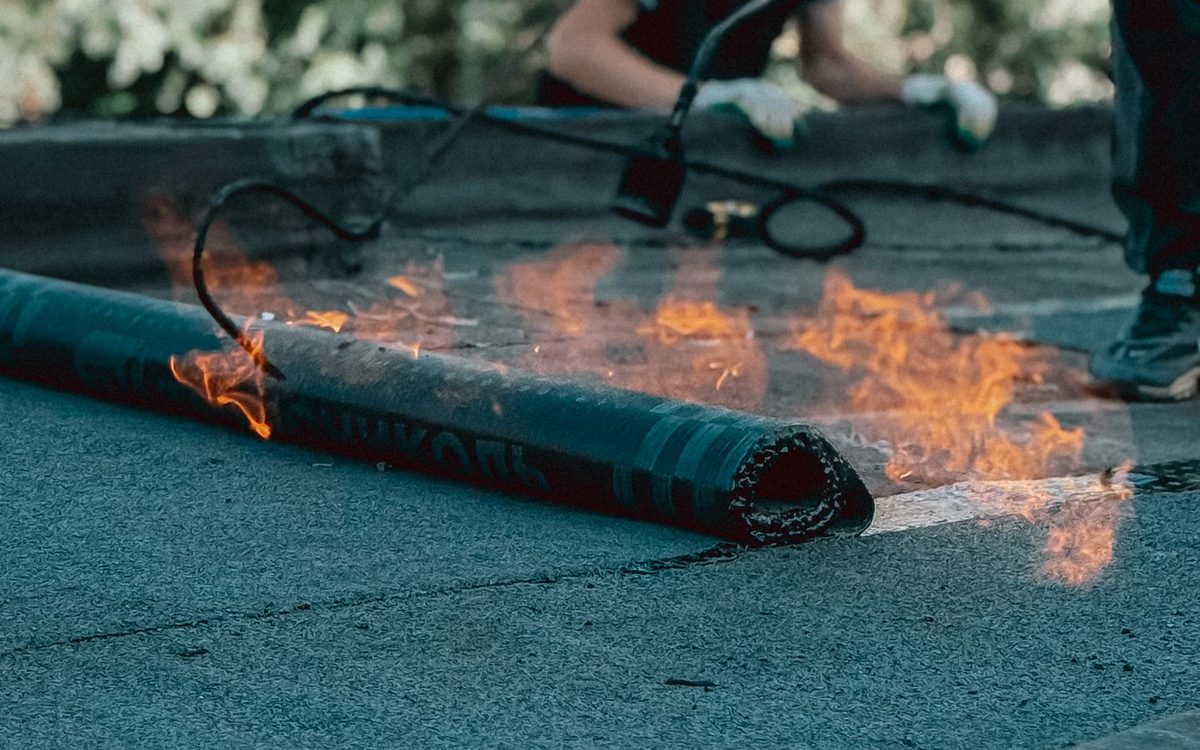
Bubbles in the roof mean moisture trapped between layers is expanding in the heat.
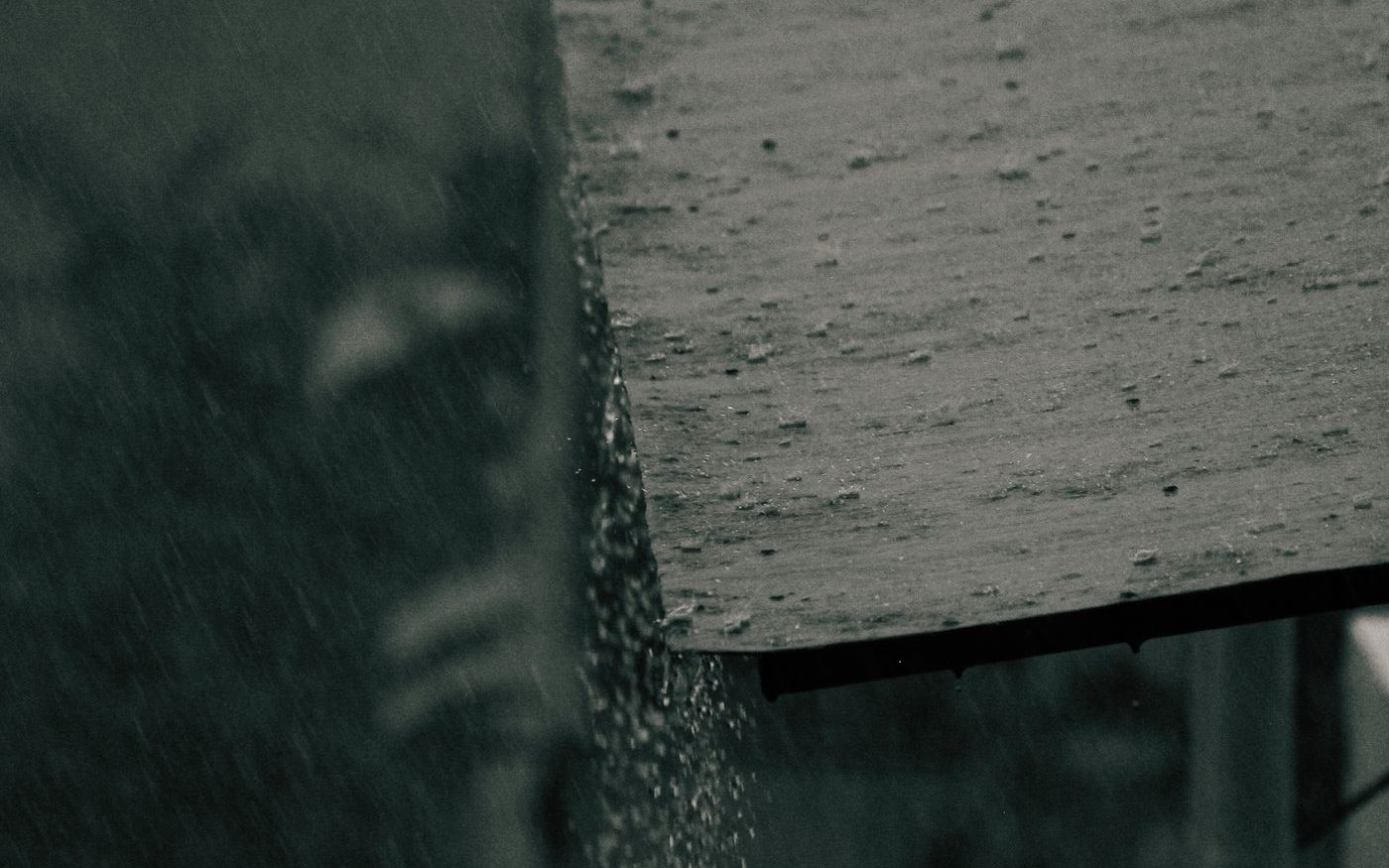
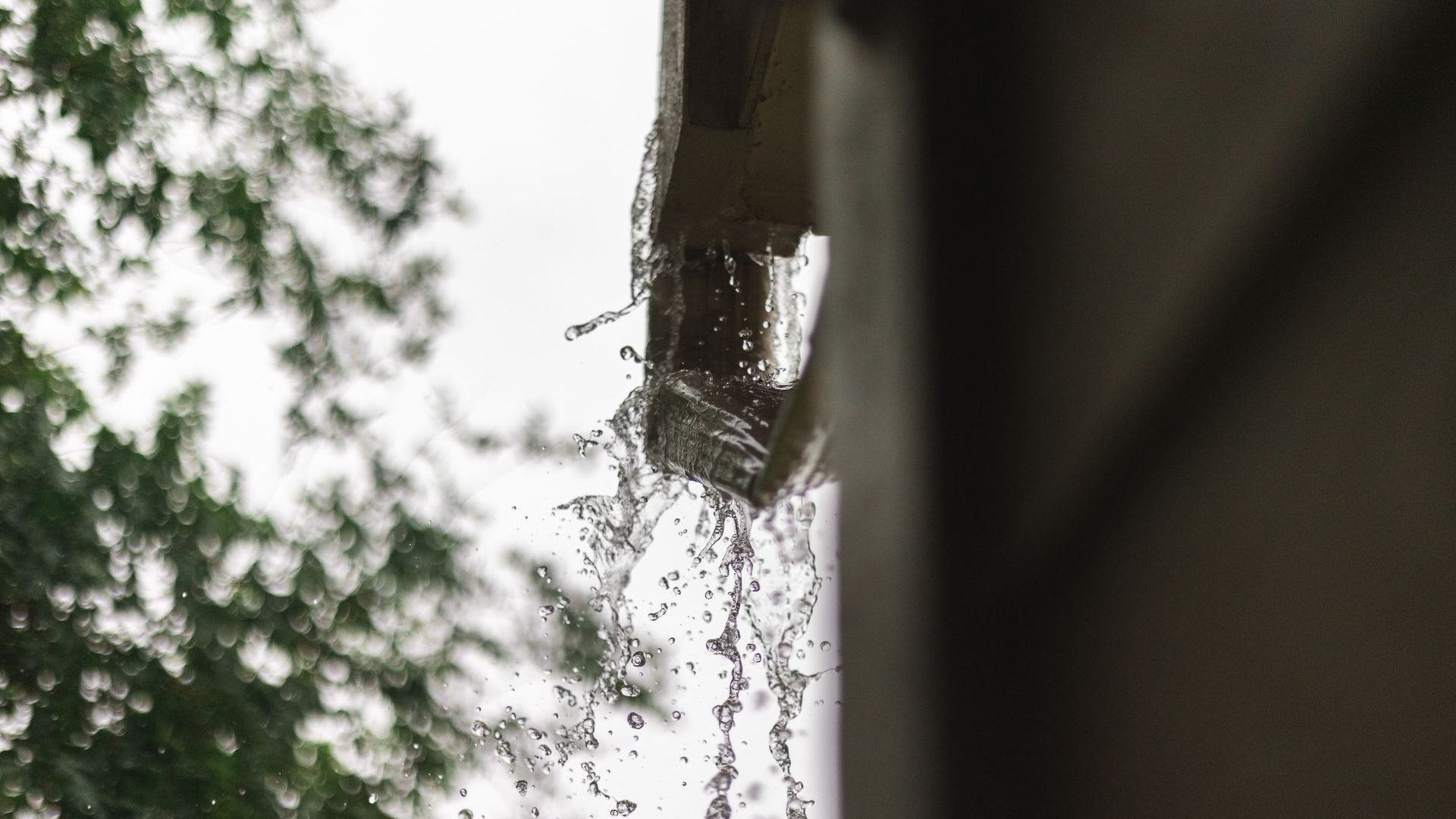
Rain pouring off the side instead of into the drain shows the roof is pitched wrong.
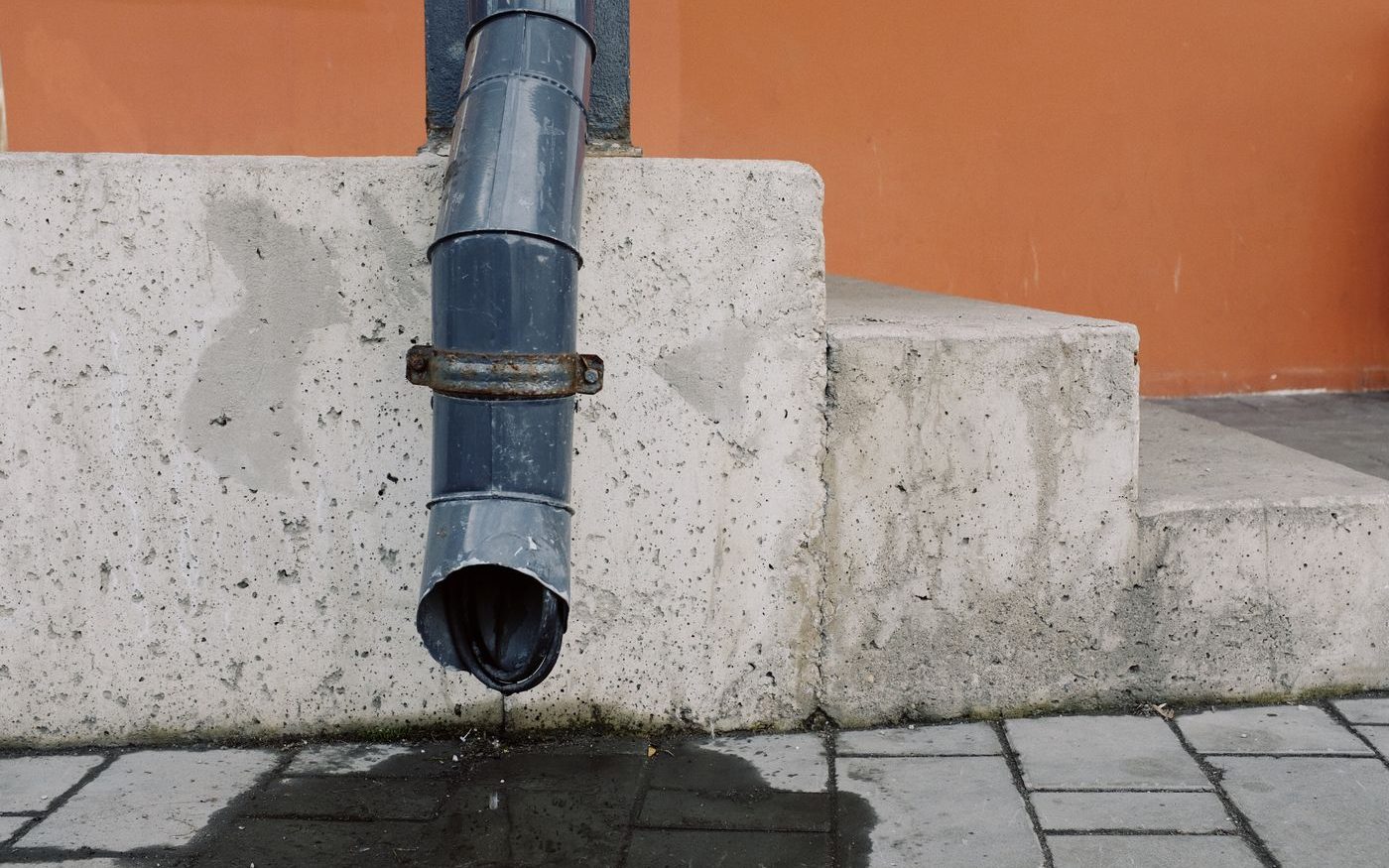
Downspouts that trickle long after rain stops are draining a roof that holds water.
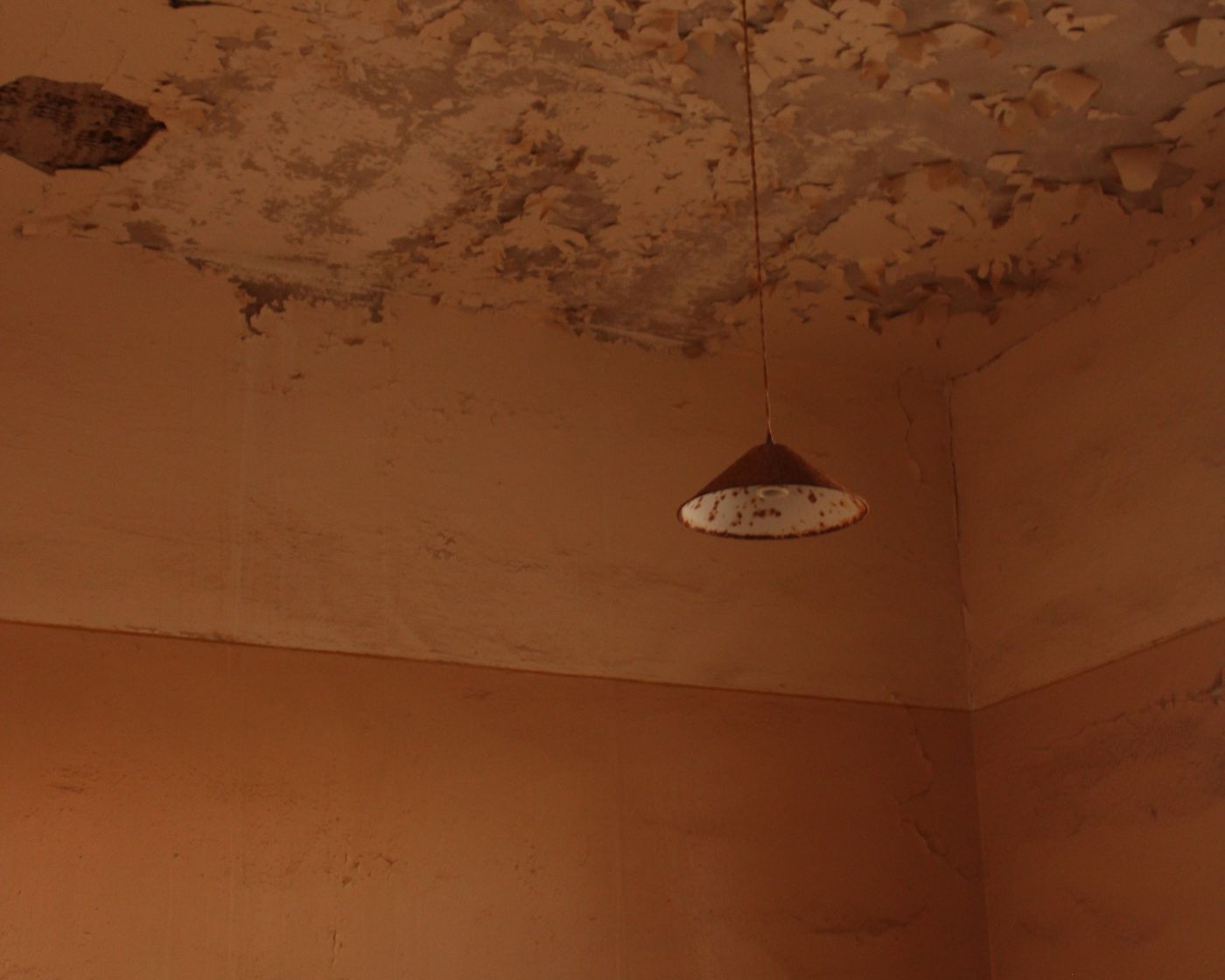
On a flat roof water travels under the surface before it finds a way through.
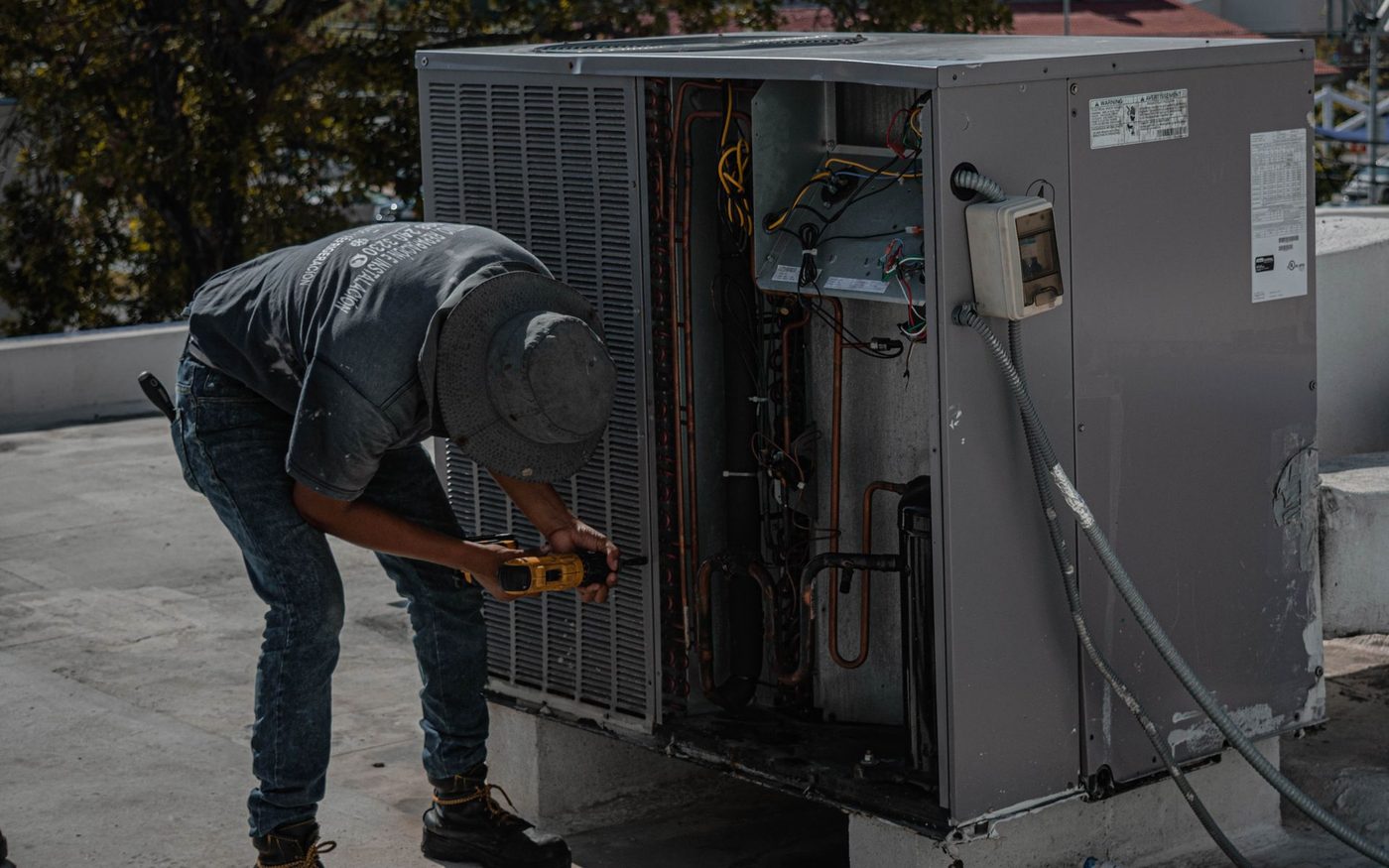
Units, satellite dishes and solar installs leave cuts and loose screws behind.
Seeing any of these? The free inspection maps the drainage and checks for wet layers.
Request a free inspectionEight steps, starting with the water, not the material.
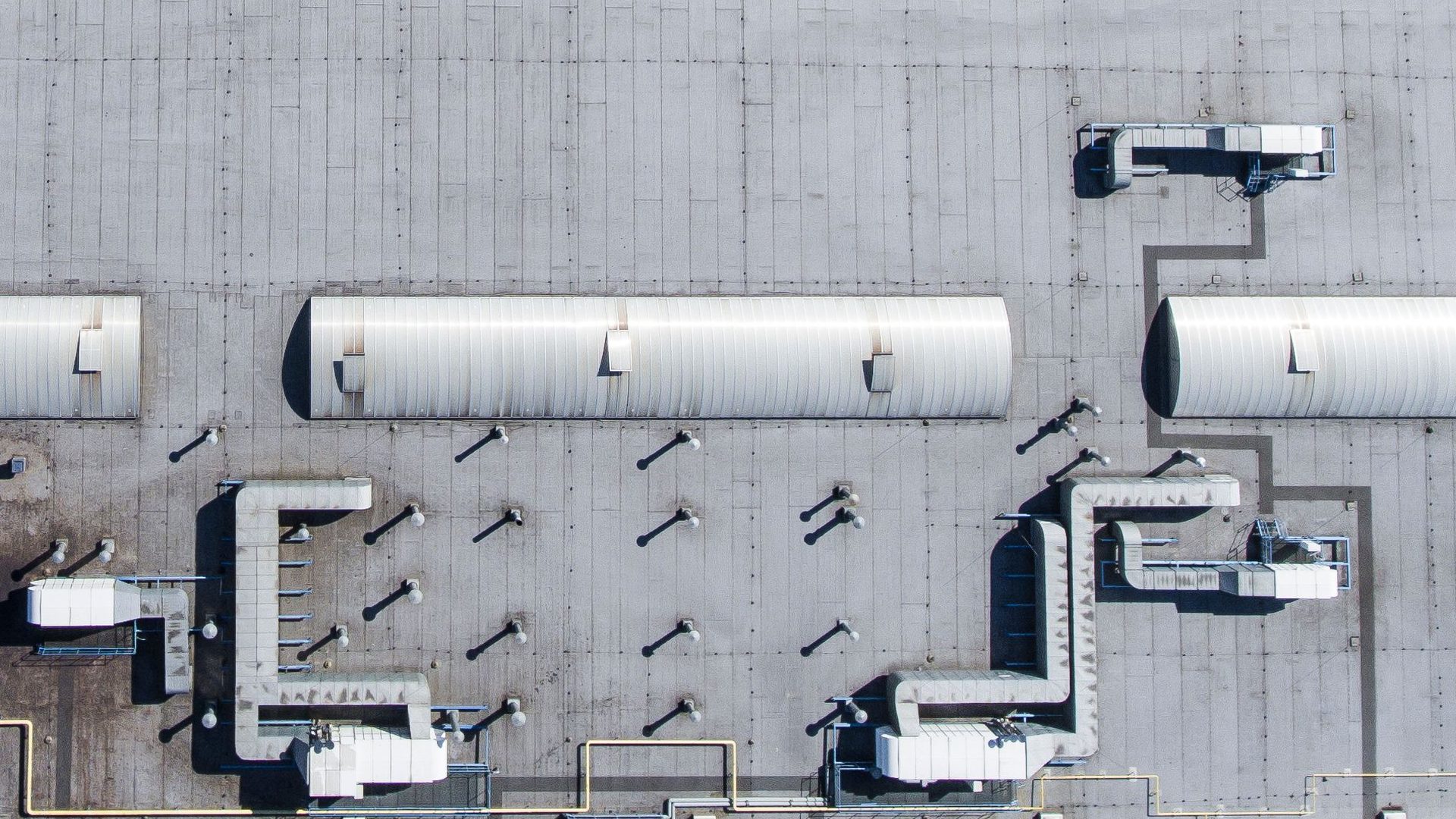
Drains, scuppers, gutters and low spots marked on a sketch of the roof.
Where water sits decides a lot.
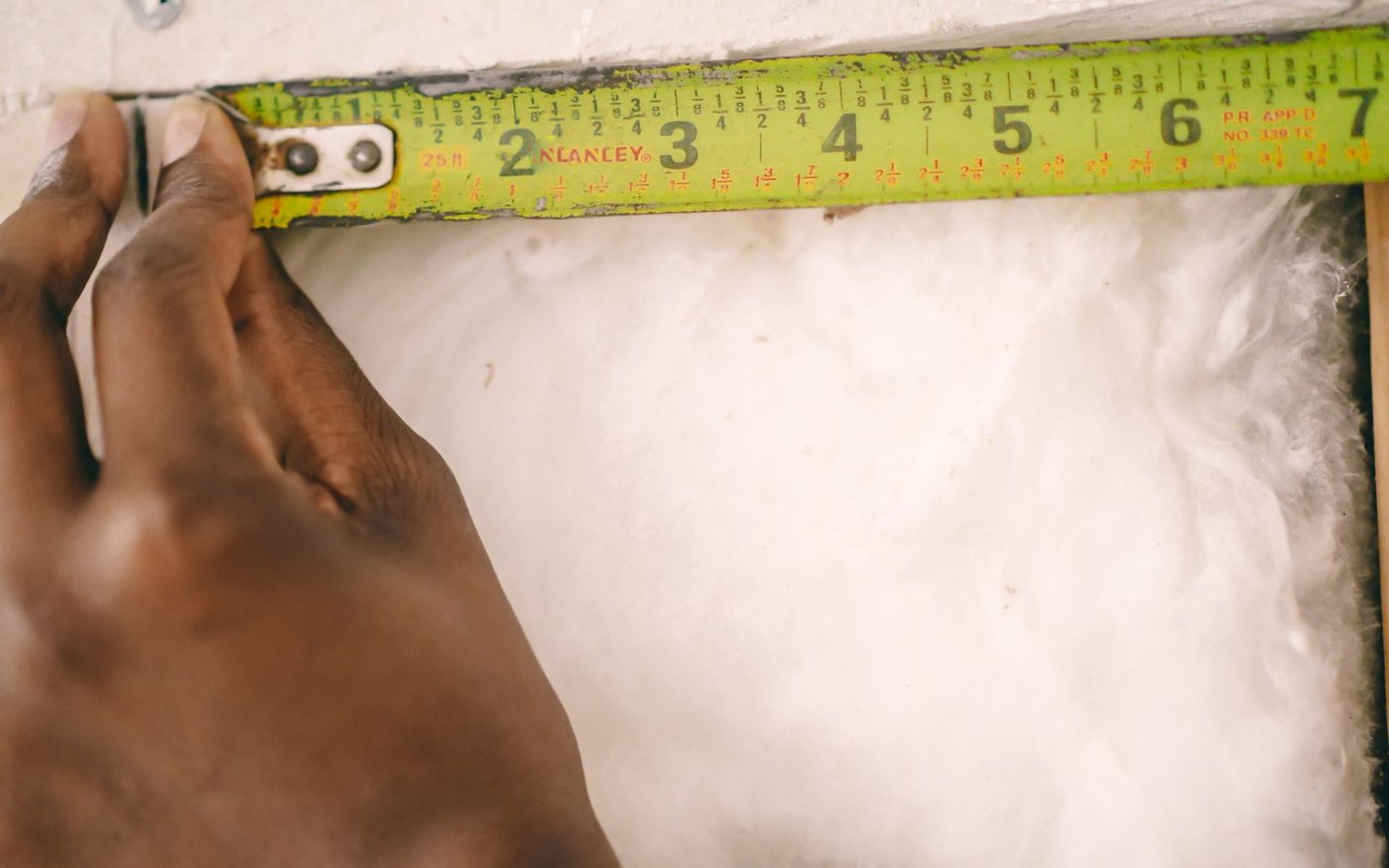
Test areas opened to see whether the insulation and deck below are dry.
Wet layers cannot be covered.
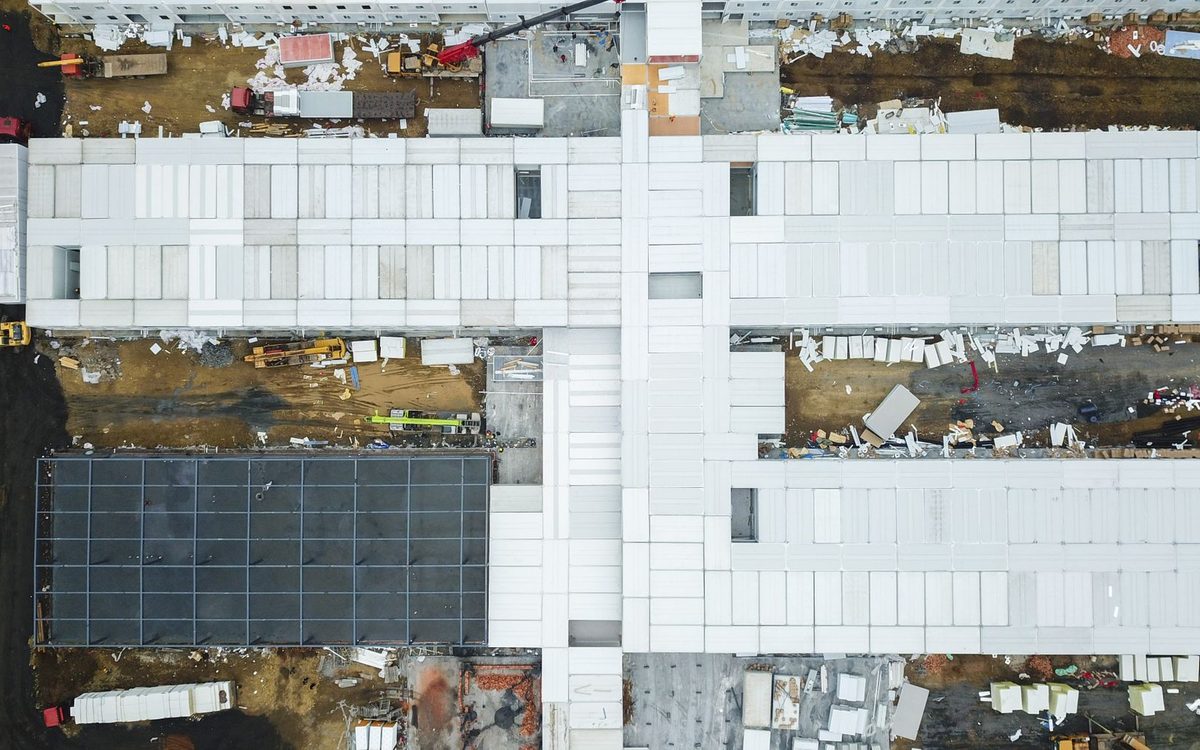
Built-up, torch-down or single-ply chosen for the building, its use and its traffic.
Not one system for every roof.

Repair, recover or replace priced side by side where each is possible.
You choose the level.
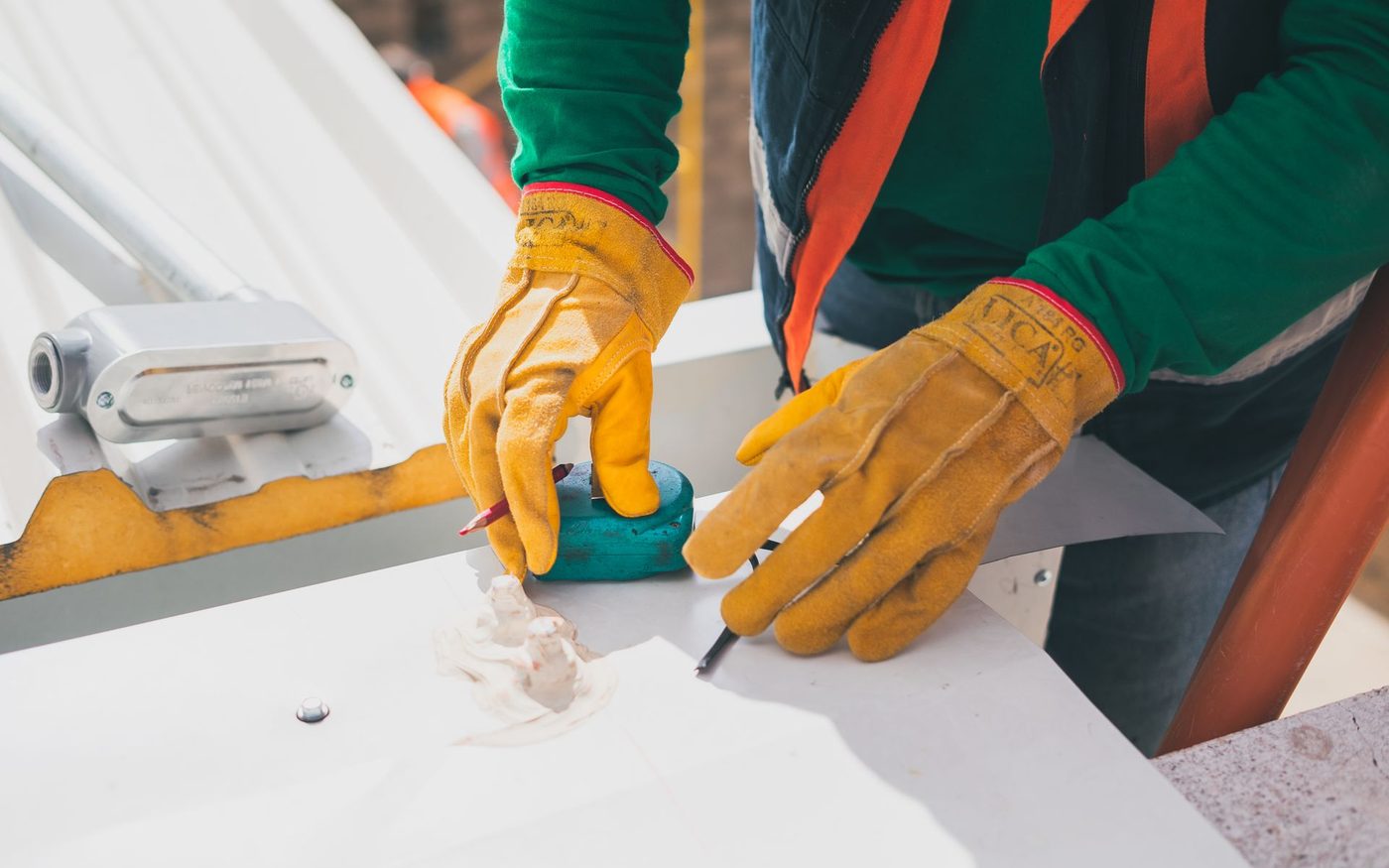
Wet layers removed down to the deck, or a sound roof prepared for a recover.
Only dry material stays.
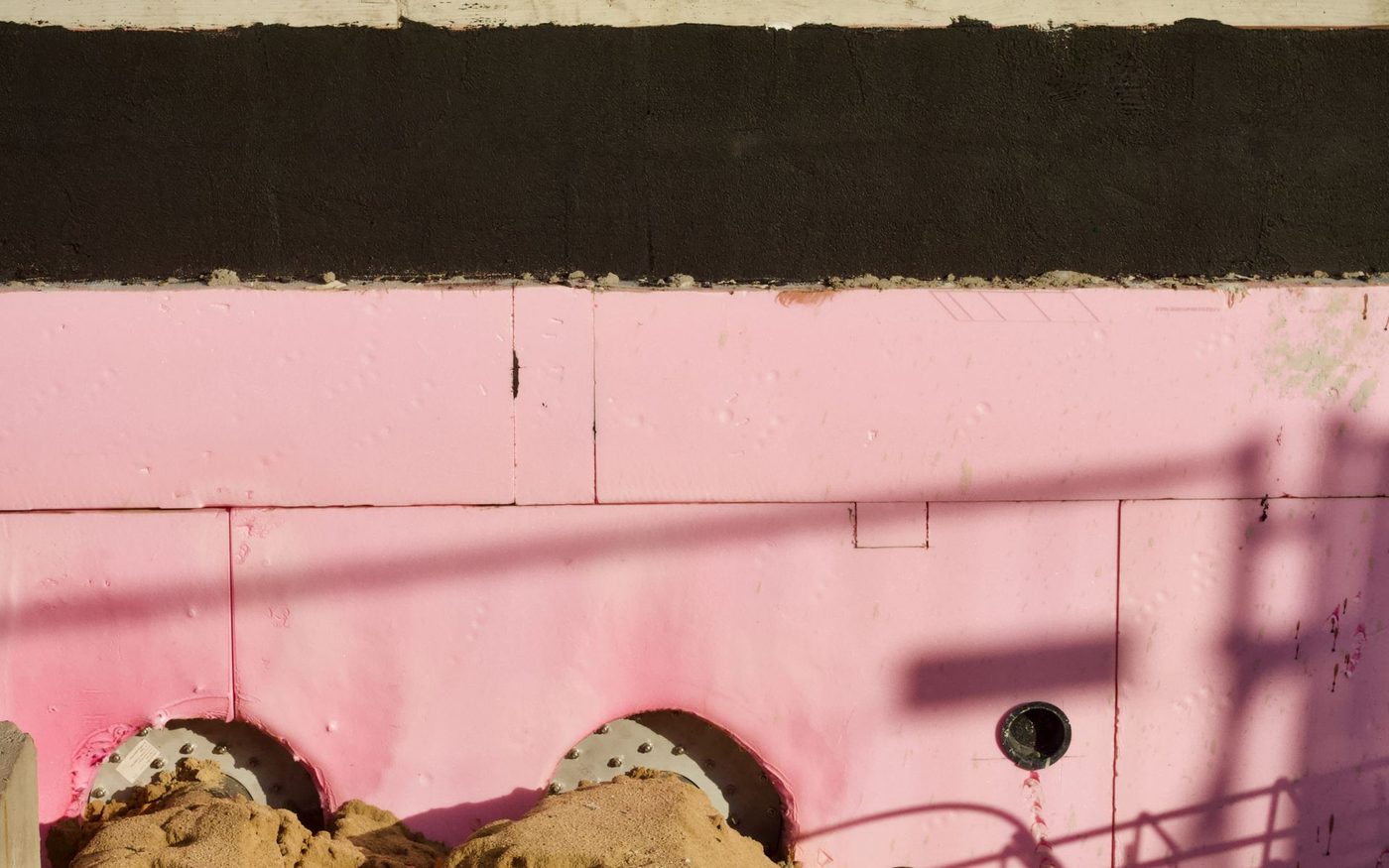
Tapered insulation added where the deck gives water no path to a drain.
Flat is never level.
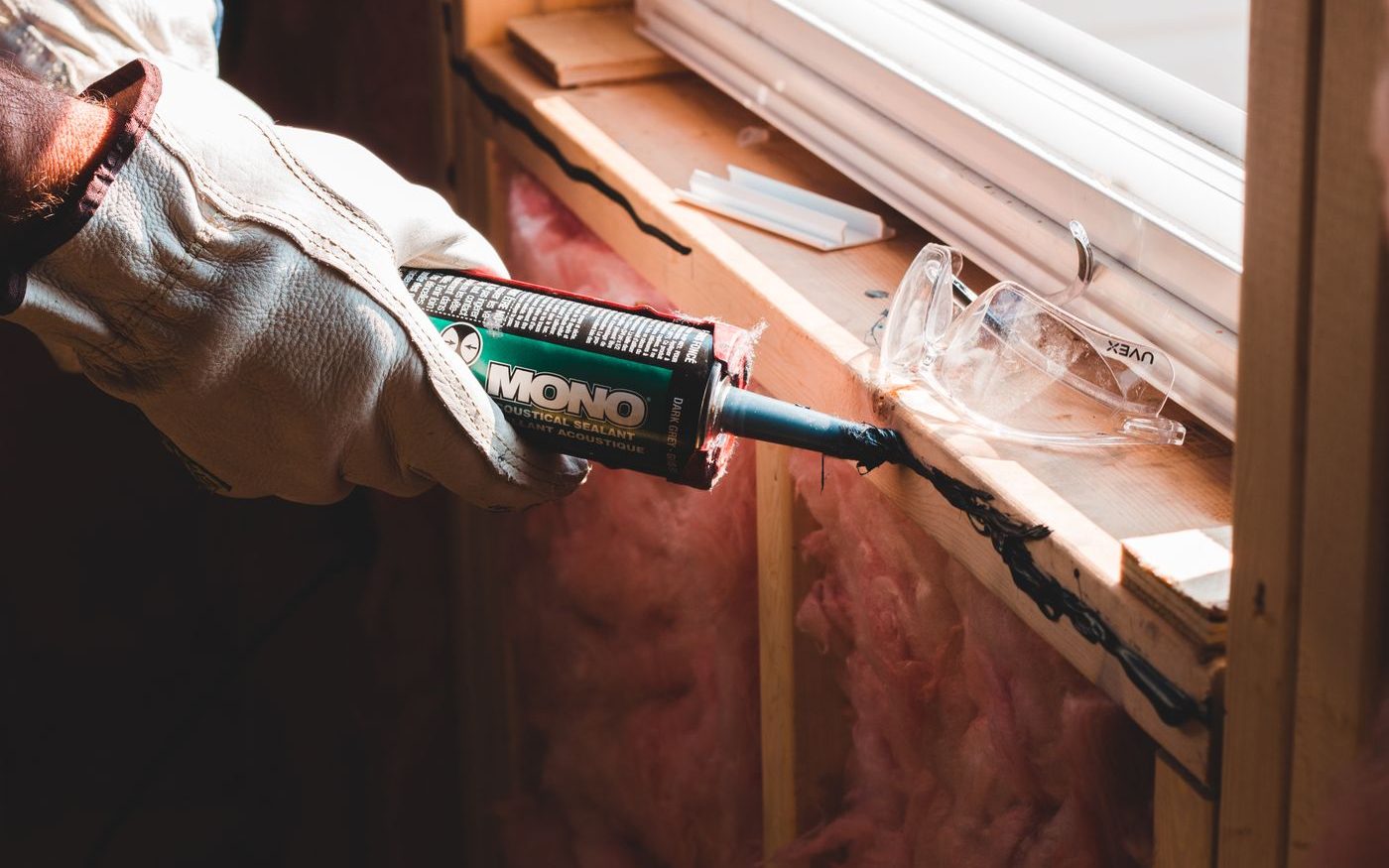
The chosen system installed, then flashed at every wall, curb and drain.
Where flat roofs leak first.
Drains checked to flow, and the finished roof photographed for your records.
Photos of every section.
The inspection is free, and every option we would consider is priced for you.
Request a free inspectionEach of these has its own page. This is the short version of when each makes sense.
Light, white and heat-welded. A common choice for cooler roofs on commercial buildings and additions.
Tough, layered sheets fused with heat. Stands up well to foot traffic.
Layers of felt and bitumen, often topped with gravel. Still on many older buildings, and often repairable.
Flexible synthetic rubber that copes with movement and heat, dark unless coated.
Every flat roof needs a slight fall to its drains. Where the deck has none, tapered insulation builds it in. Coatings, the fifth option, suit sound roofs of any of these types.
Flat roofs are priced by area, then by what the inspection finds under the surface.
Measured across every section, from a porch to a warehouse.
Coating, single-ply, torch-down and built-up sit at different price points.
Wet insulation and decking found in test areas are replaced before anything goes on.
Tapered insulation and new drains are priced where water has nowhere to go.
Every place the roof meets something needs a flashing detail.
Repair, recover and replace are priced side by side where each applies. Prefer to send details? The contact page has a form.
Free, drainage mapped, options priced side by side.
Most flat roof callbacks come back to water the first job never dealt with.
Quote A was made up for illustration from shortcuts common in flat roof bids. It is not a real quote from any company.
Not sure what system is on your roof? A photo of the surface and an edge usually tells us.
Talk to a roofer504-229-3955It depends on the building. White single-ply suits heat, torch-down suits foot traffic, and a sound older roof may only need a coating.
A little that dries within a day or two is common. Water that stays longer is a sign of sag or blocked drains.
Sometimes, if the old roof is dry and code allows another layer. The moisture check decides it.
Yes. Porches, additions, camelbacks and flat-roofed homes are all common here.
Water runs along the deck under the surface until it finds a gap, so the source is often a distance away.
On a sound, dry roof, a coating can add useful life for less. On a wet or failing roof it only hides the problem.
Name and phone are enough. We call back the same business day.