Layers Counted
Test cuts show how many roofs are already up there, which limits the options.

The tar-and-gravel roof, often worth keeping. Blisters and splits repaired, flashings rebuilt and the surface restored, with replacement priced only when the layers have failed.
A built-up roof is layers of felt and bitumen, usually finished with gravel or a cap sheet. It is heavy and forgiving, and many older ones in New Orleans are still worth repairing.
Big Easy Roofing Company repairs and restores built-up roofs on commercial buildings and older flat-roofed homes across New Orleans, and replaces them with a new built-up or modified bitumen system where the layers are finished.
When most of the roof is failing, the work becomes a commercial re-roof or replacement, and the test cuts show which.
Test cuts show how many roofs are already up there, which limits the options.
Blisters, splits and bare spots repaired where the plies below are sound.
Gravel or a cap sheet restored, because sun is what ages the bitumen.
Built-up roofs wear slowly and show it plainly. These are the signs to look for from a roof hatch.
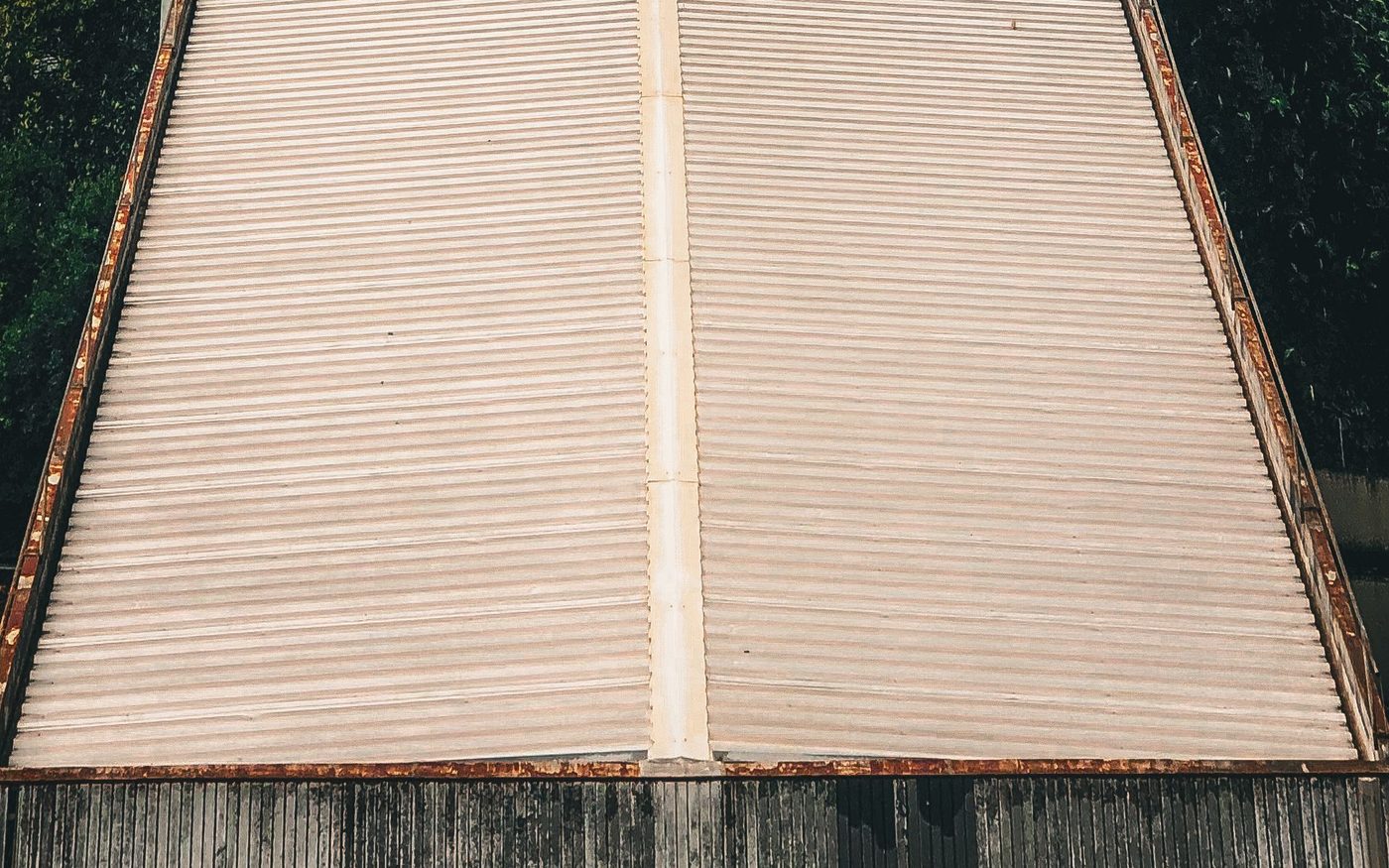
Where rain and wind have scoured the gravel away, sun starts drying the bitumen below.
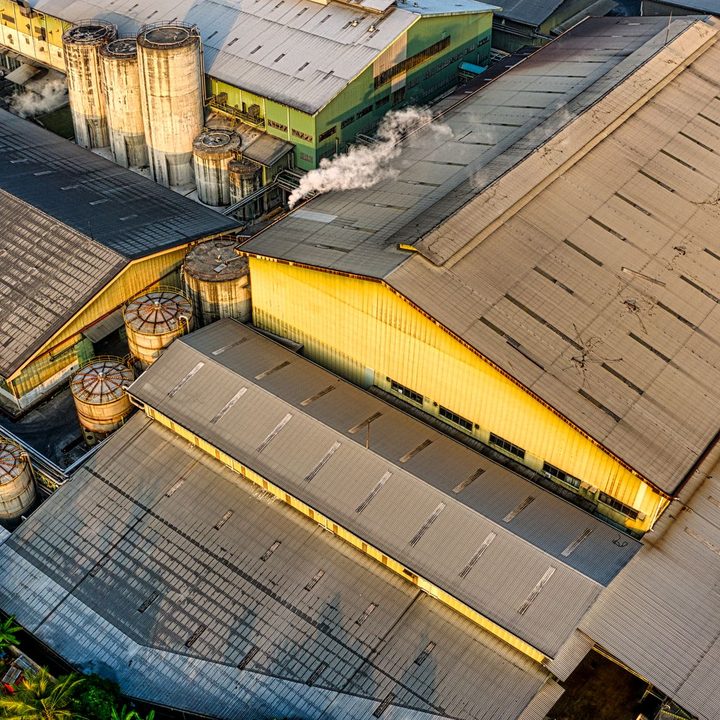
A pattern of cracks like reptile skin means the top coat has dried and shrunk.
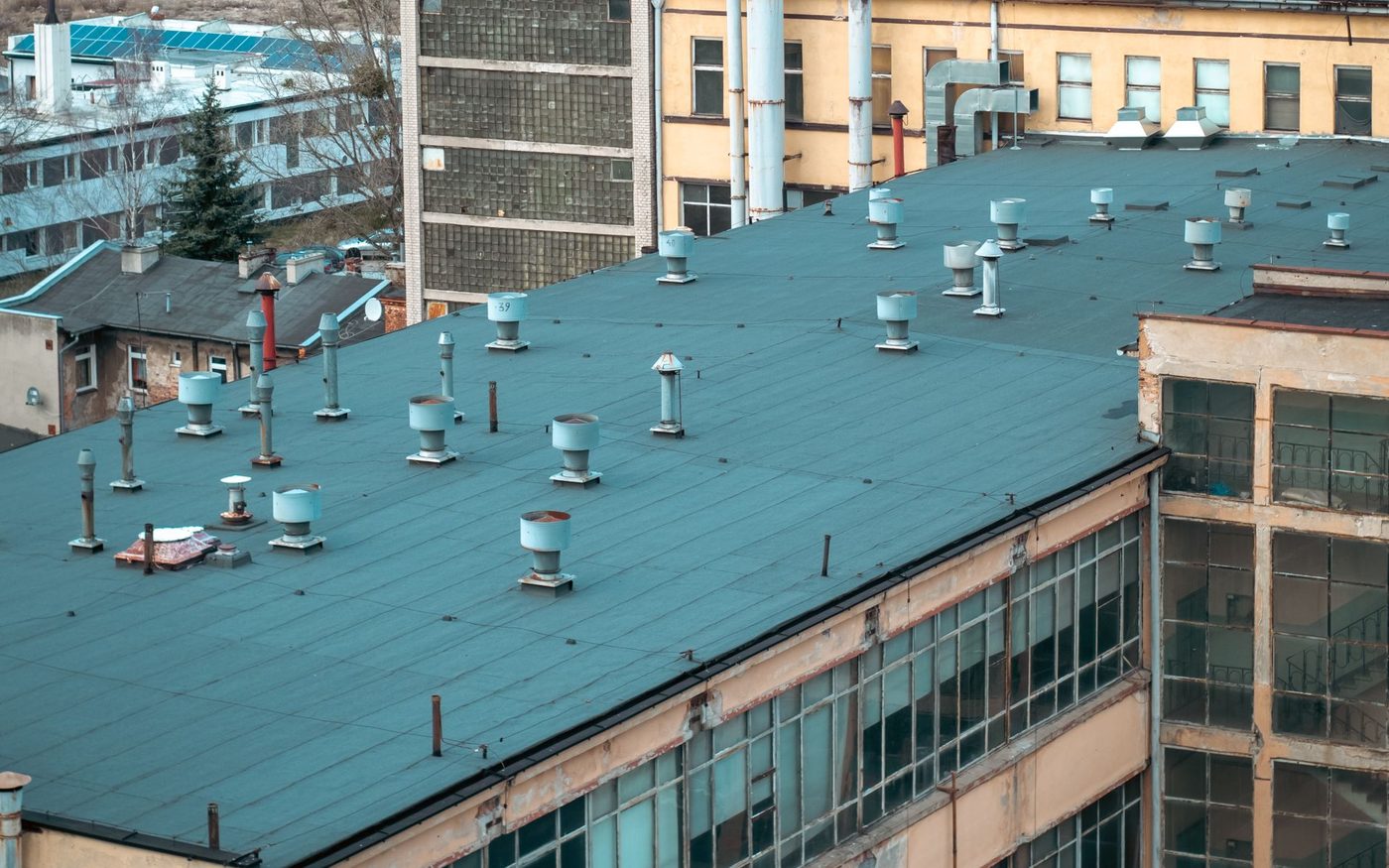
Soft raised areas show moisture or air trapped between layers and expanding in the heat.
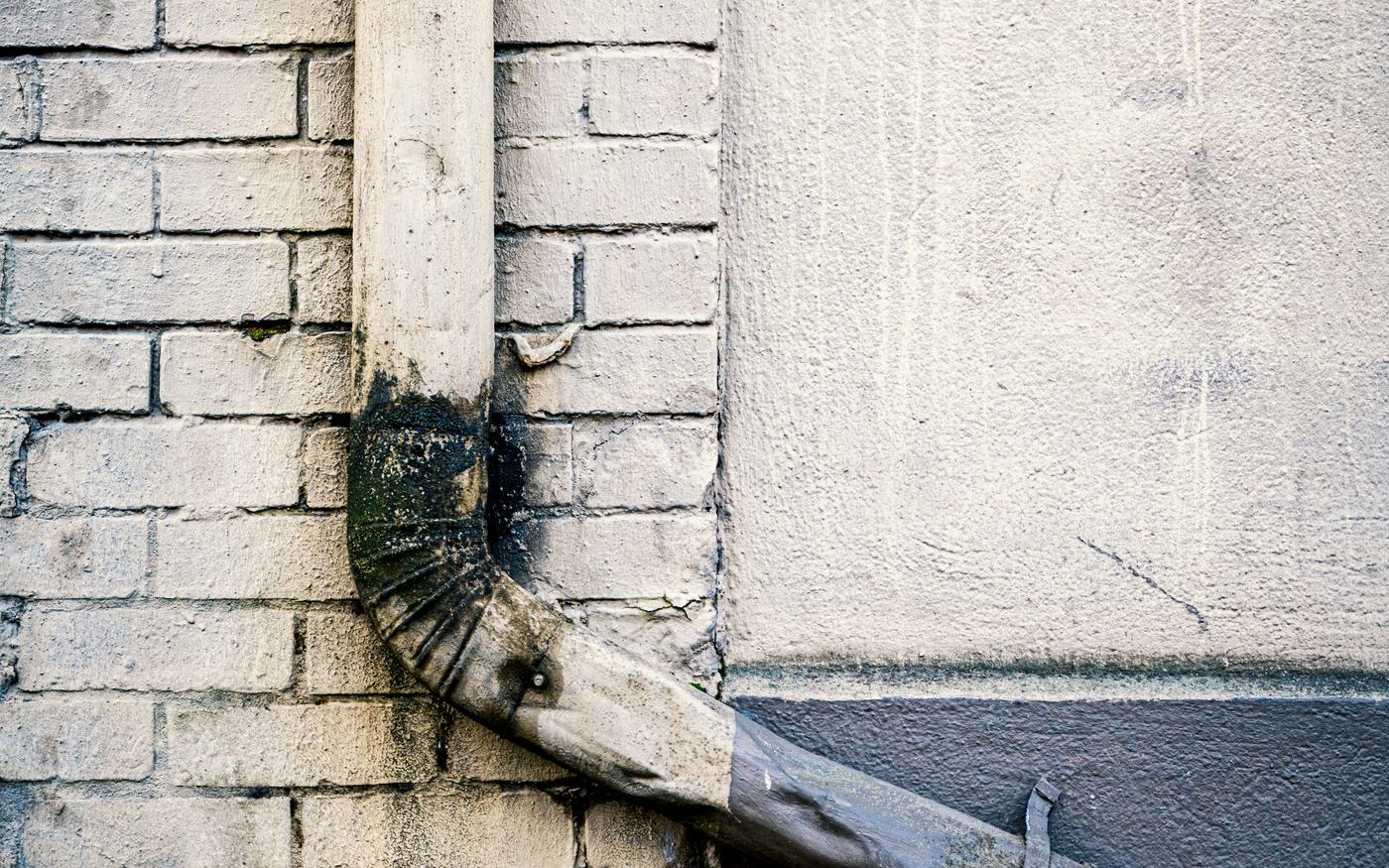
Gravel washing into gutters and drains means the surface is breaking down.
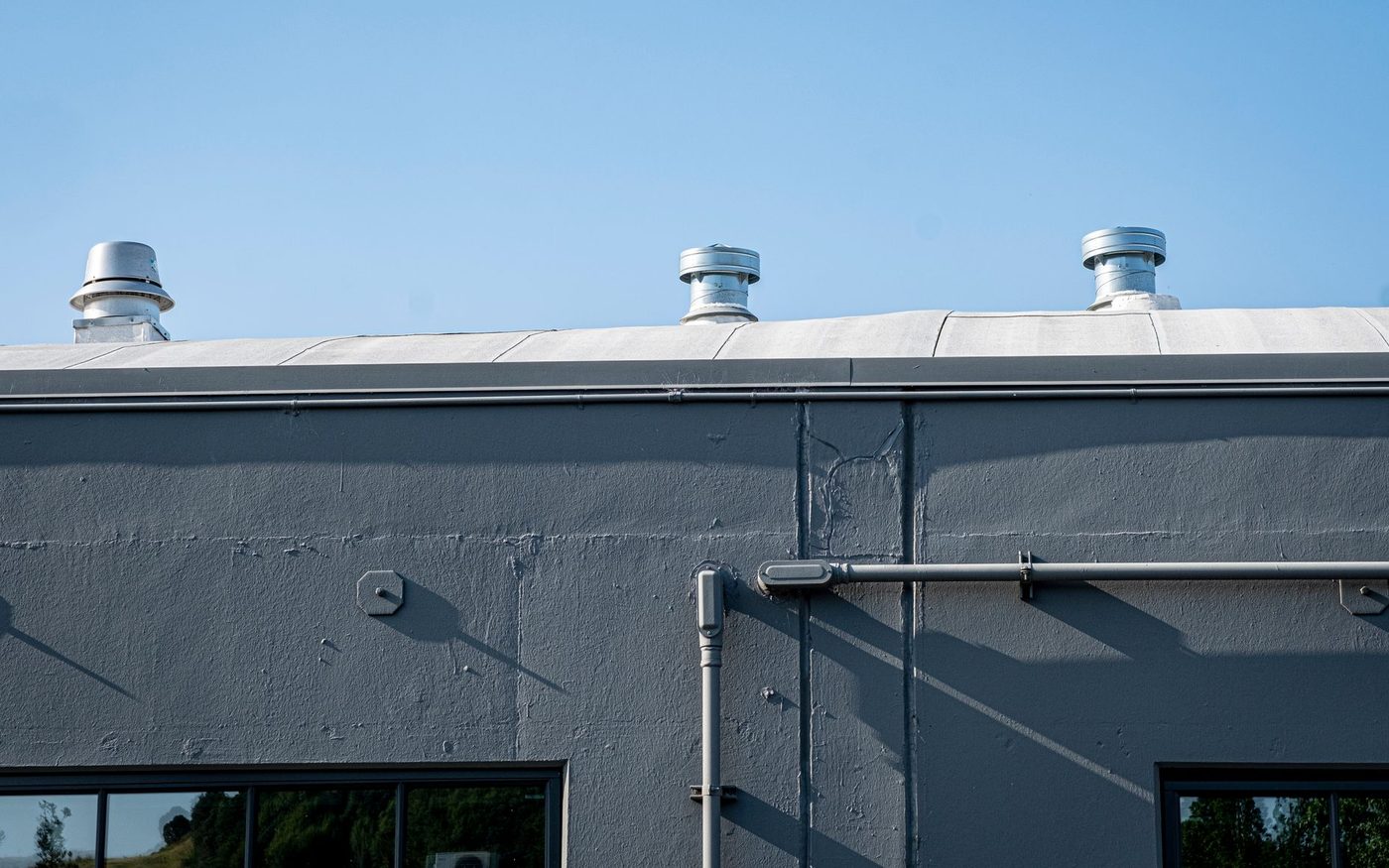
Built-up roofs move, and the flashings where they meet walls crack first.
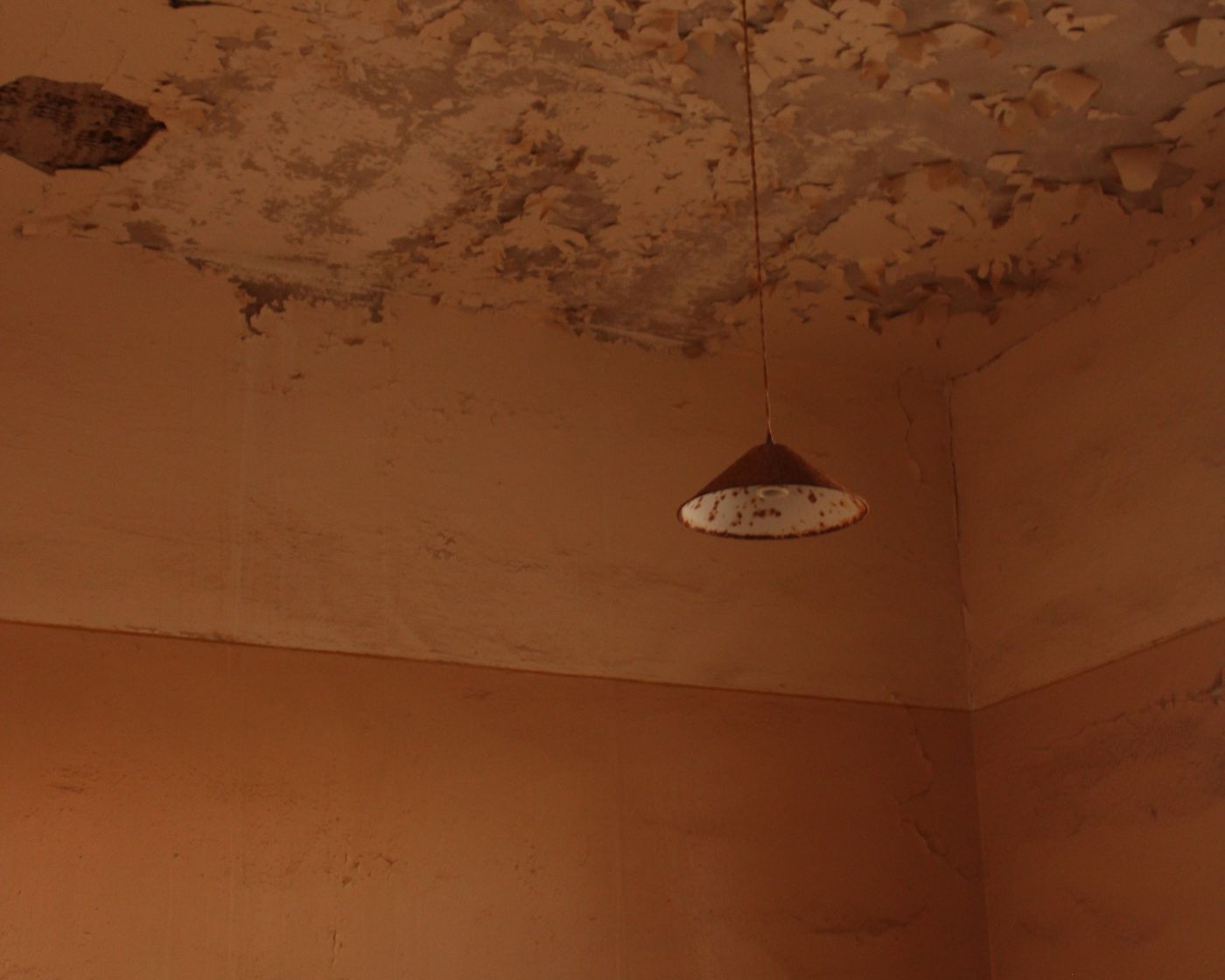
Water through a built-up roof has usually crossed several failing plies to get in.
Seeing some of these? The free inspection includes a test cut to count the layers.
Book a free inspectionEight steps, and the test cut early on decides which way the rest go.
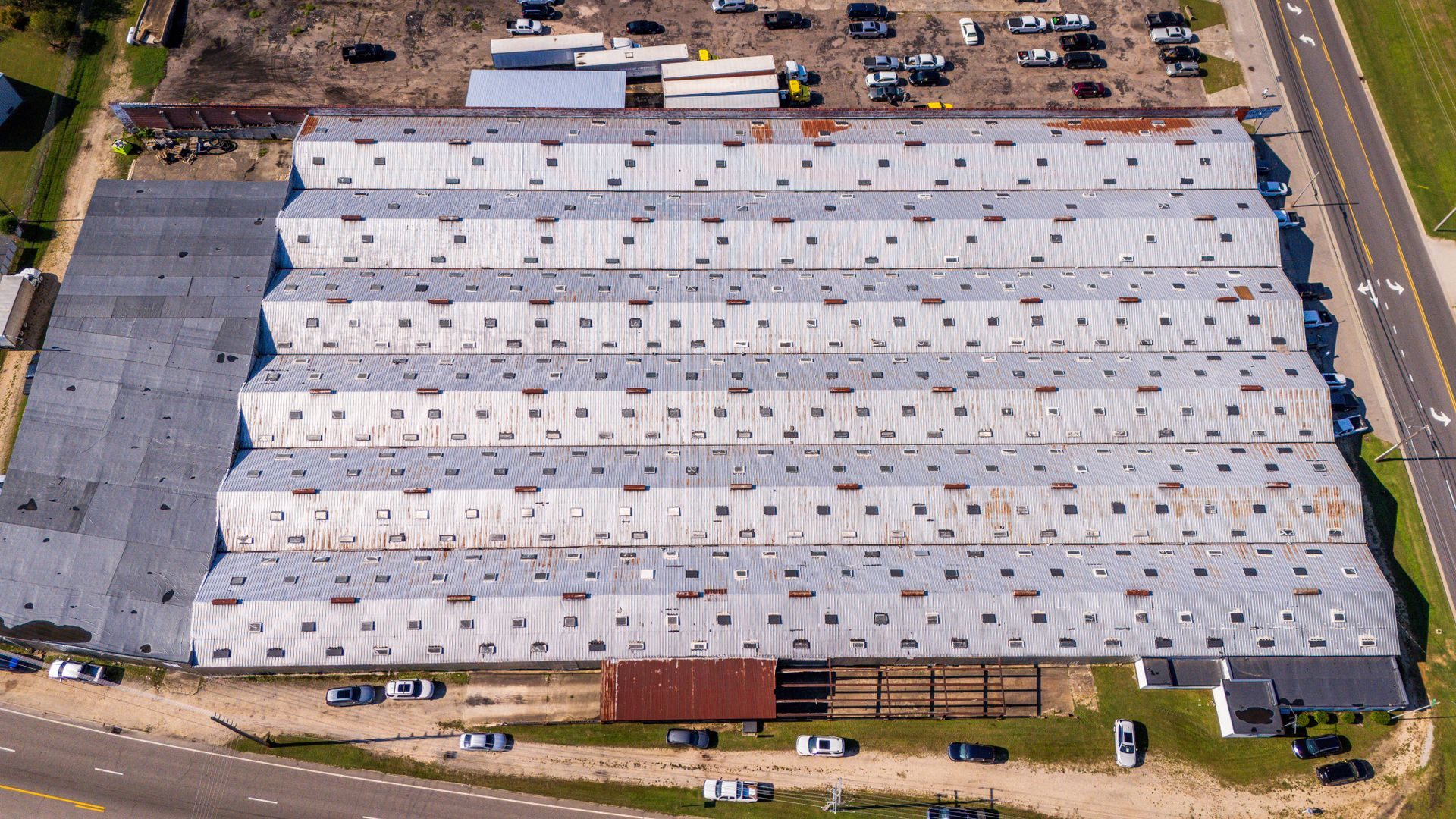
The whole roof walked and photographed, drains and flashings included.
Every section recorded.
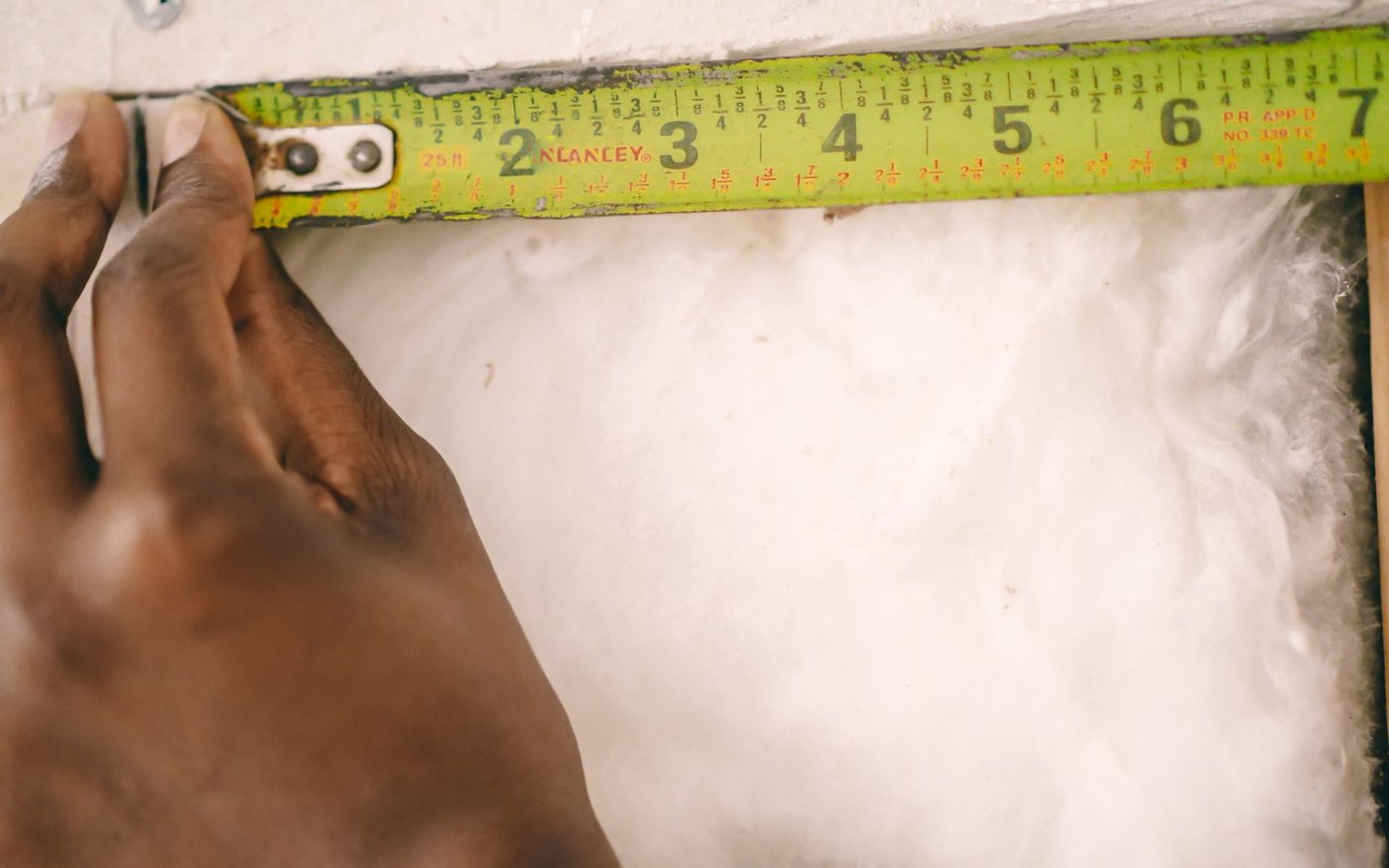
Small cores cut to count the layers and check whether the insulation is dry.
Patched the same day.

Repair, restore or replace priced side by side, with what the cuts found.
You choose the level.
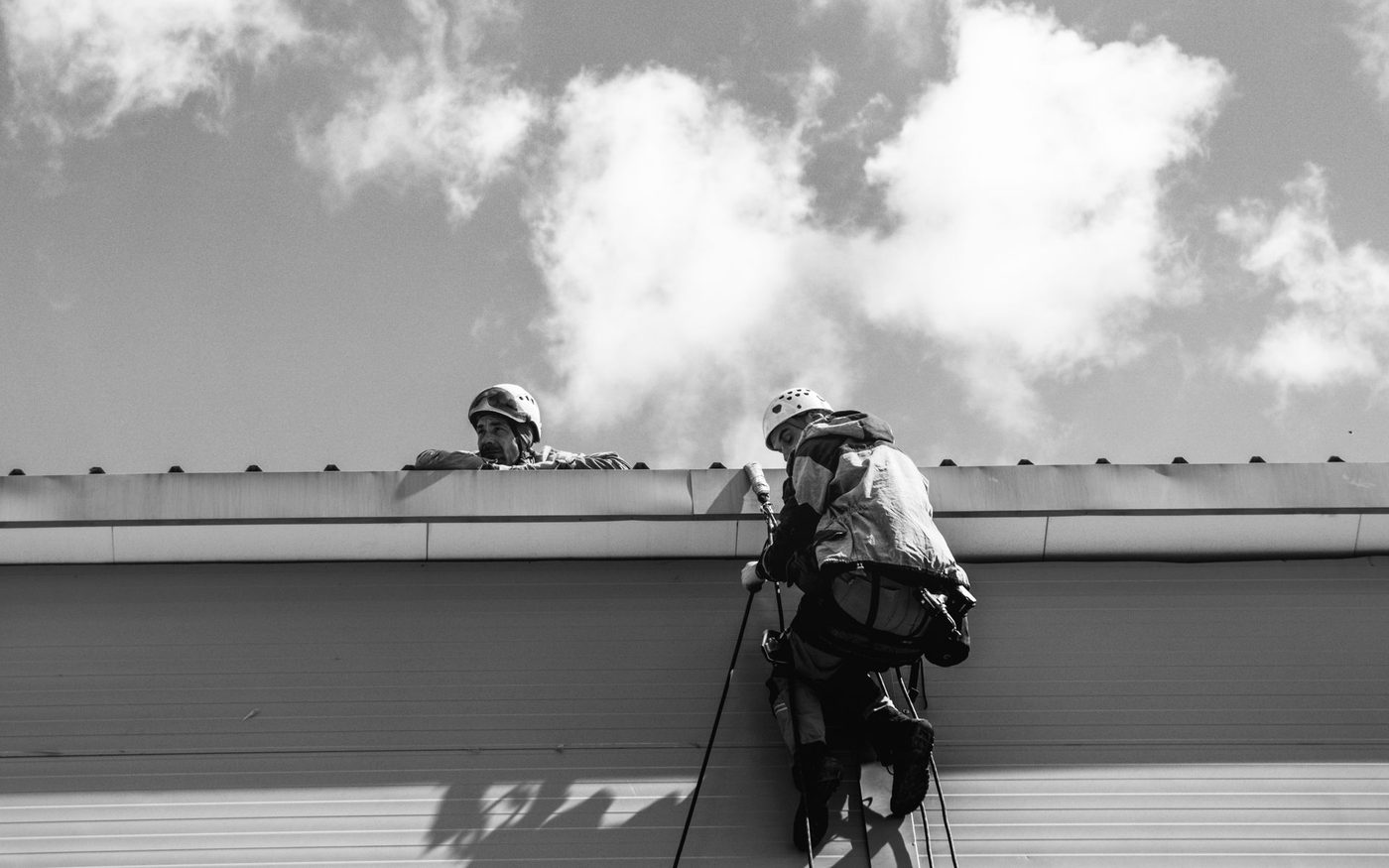
Gravel swept back from repair areas so the plies underneath can be reached.
Put back when done.
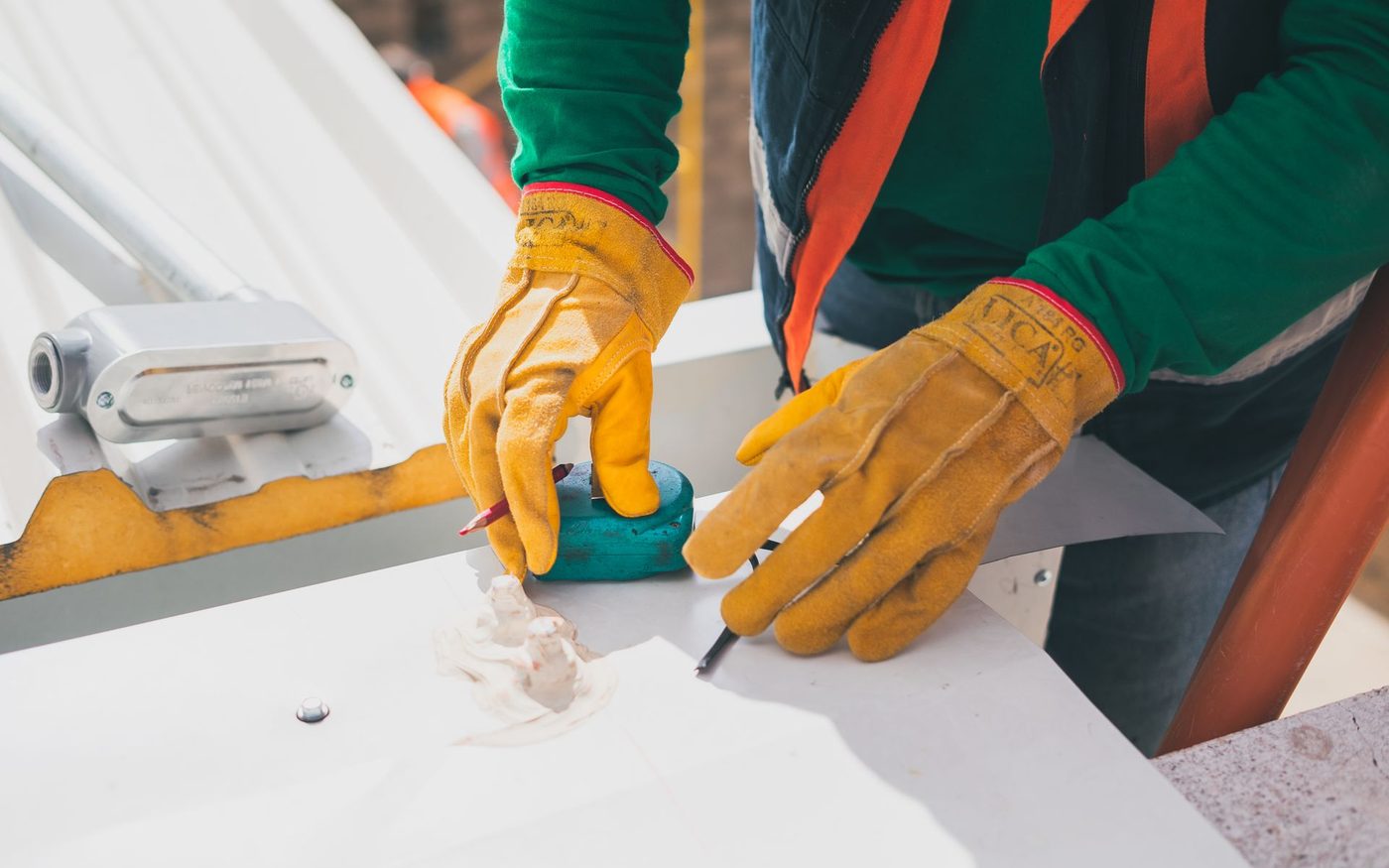
Damaged plies cut back to sound material and new plies built up over them.
Layer by layer.
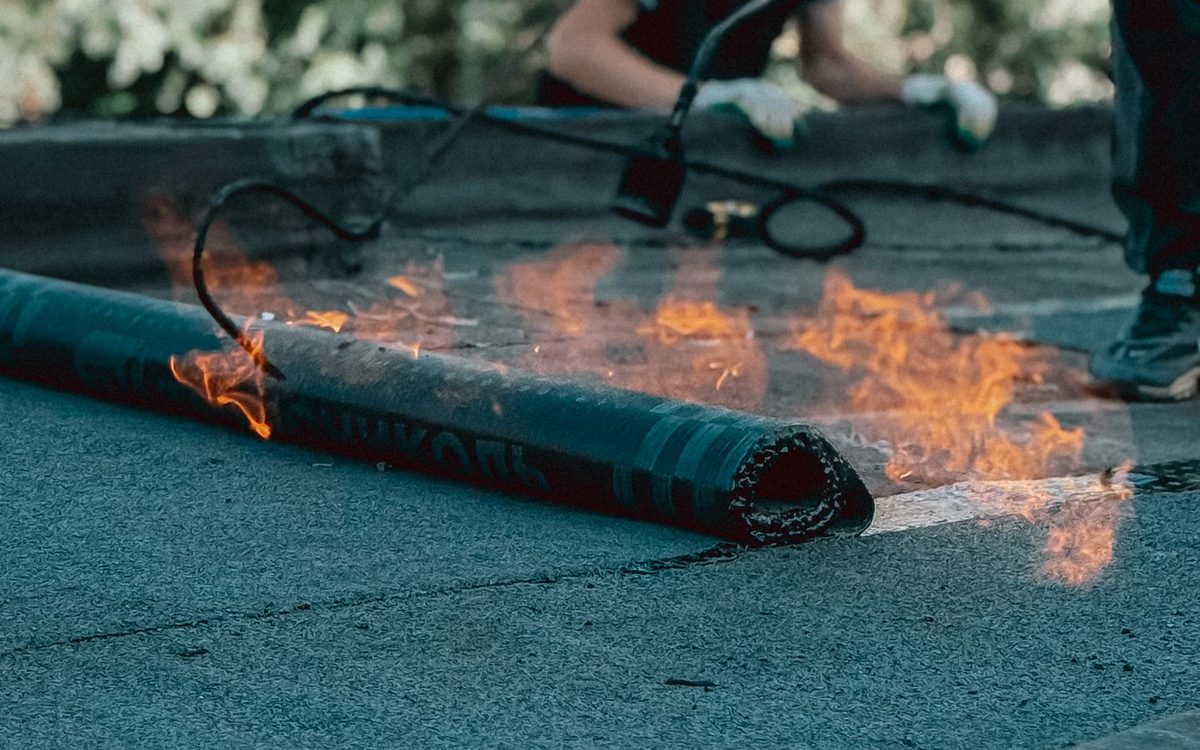
A new cap sheet or plies installed where the surface has worn out across a section.
Matched to the system.
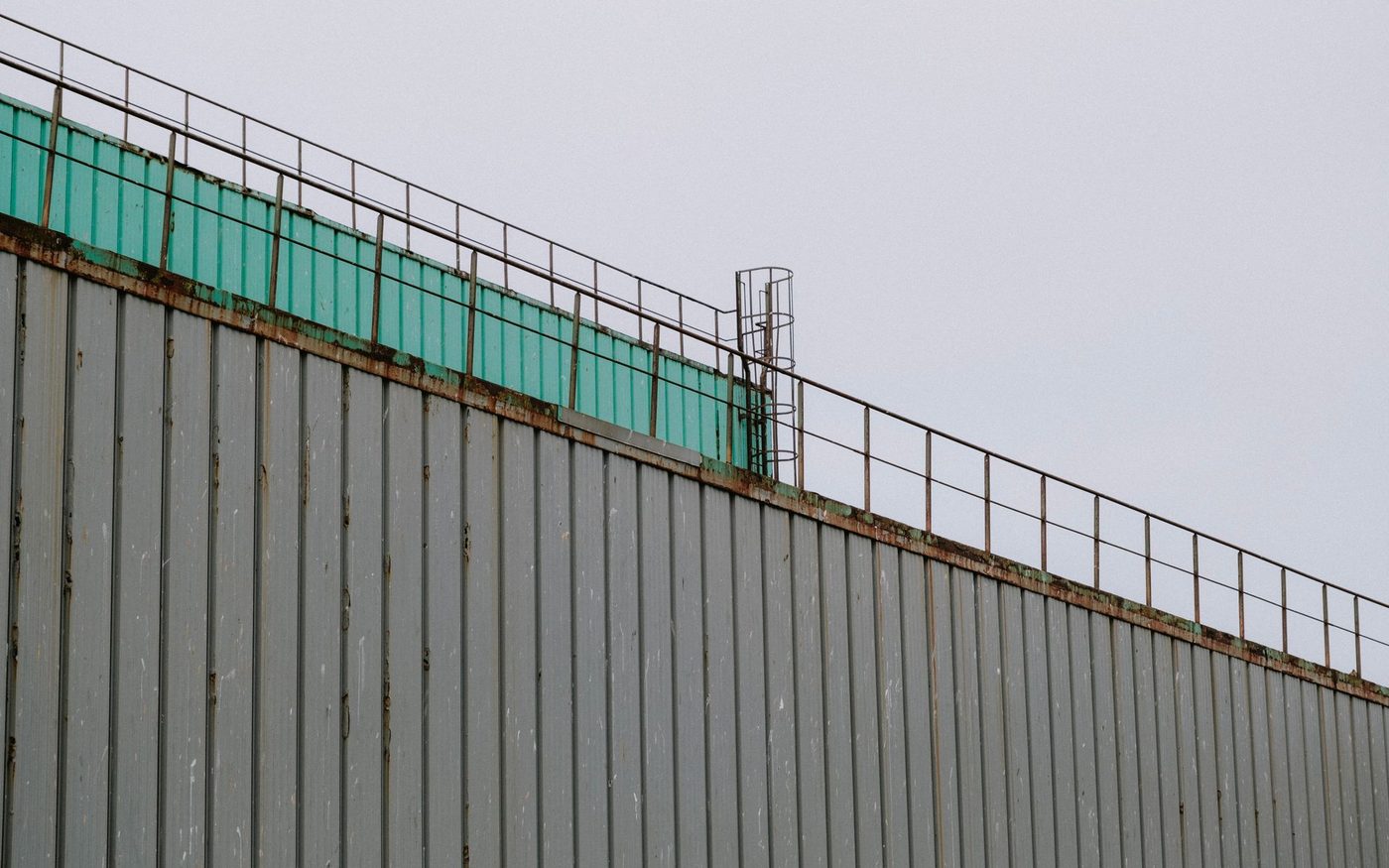
Base flashings at walls, curbs and vents rebuilt in reinforced layers.
Where built-up roofs leak.
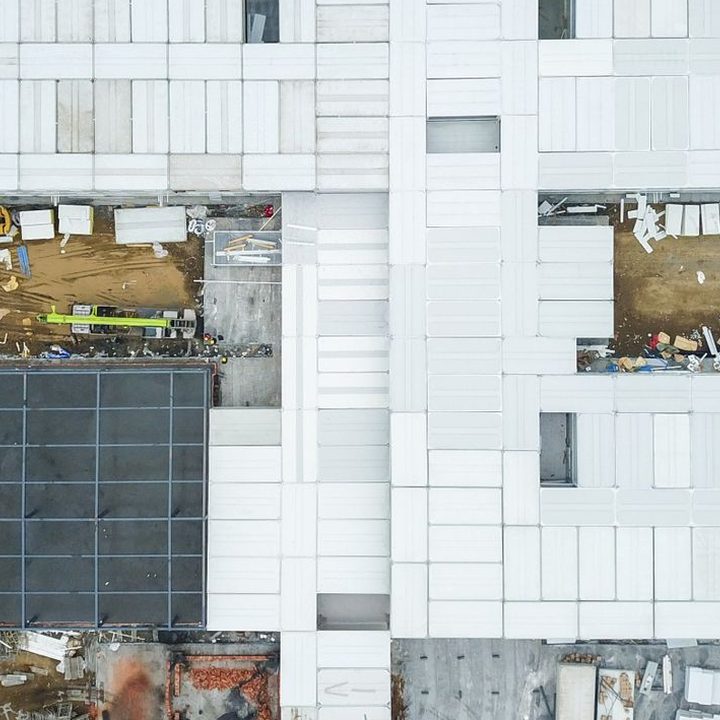
Gravel reset or a reflective coating applied, then the roof photographed.
Photos for your file.
The inspection and test cut are free, and they show whether repair is still the answer.
Book a free inspectionFrom a targeted repair to a new system. The test cut narrows it to one or two.
Blisters, splits and flashings repaired, and the gravel reset. Right when the plies below are dry.
A new cap sheet or a reflective coating over a sound roof, to renew the weathering surface.
A full new built-up system after tear-off, for buildings that suit its weight and toughness.
Fewer, factory-made layers fused in place, with much of the toughness of built-up and less weight.
The gravel is not decoration. It shields the bitumen from sun and hail, so bare patches are the first thing a repair puts right.
Built-up work is priced from the test cuts, because what is under the gravel decides it.
Measured across every section of the roof.
Code limits how many roofs can sit on a deck, which can rule out a recover.
Wet board found in the cuts is replaced before anything goes over it.
Removing and hauling gravel on a tear-off adds labor and disposal.
Every wall, curb and vent is its own reinforced detail.
Repair, restore and replace are priced side by side where the cuts allow each. Rather start in writing? The contact page takes the details.
Free, with a test cut to count the layers.
Built-up roofs are easy to patch badly. These rows show the difference.
Quote A is a made-up bid assembled from shortcuts common in quick built-up repairs. It is not a real quote, and no real company is described.
Know roughly how many times the roof has been redone? Mention it when you call.
Talk to a roofer504-229-3955If the test cut shows dry plies and insulation, repair is usually the better value. If the layers are wet through, replacement is.
The gravel protects the bitumen from sun and hail. Where it washes away, the roof ages faster.
Yes, when it is sound and dry. The gravel is cleared from the area and a coating system suited to built-up roofs applied.
Only if code allows another layer and the old roof is dry. Many buildings already have the limit.
Yes. That is part of its toughness, and the reason a lighter system is sometimes chosen on replacement.
Repairs are done section by section, scheduled around the people inside, and each section is closed the same day.
Name and phone are enough. We call back the same business day.