Balanced Airflow
Intake and exhaust sized to each other, so air actually moves through.

Air in at the soffit, out at the ridge. The attic measured, intake and exhaust balanced, and old vents that fight each other taken out.
A roof needs to breathe. Without balanced ventilation, summer heat and household moisture build up in the attic and age the roof from underneath.
Big Easy Roofing Company installs and corrects roof ventilation on homes across New Orleans. We measure the attic, check which vents are there and whether they work together, and set intake at the soffit and exhaust at the ridge in proportion.
Ventilation is part of every roof we build, and many shingle warranties depend on it. The roof replacement page covers how it fits into a new roof.
Intake and exhaust sized to each other, so air actually moves through.
Moving air carries summer heat out before it bakes the shingles.
Steady airflow carries off the moisture that rots rafters and decking.
Poor ventilation hides in the attic, but it leaves clues in the house and on the roof.
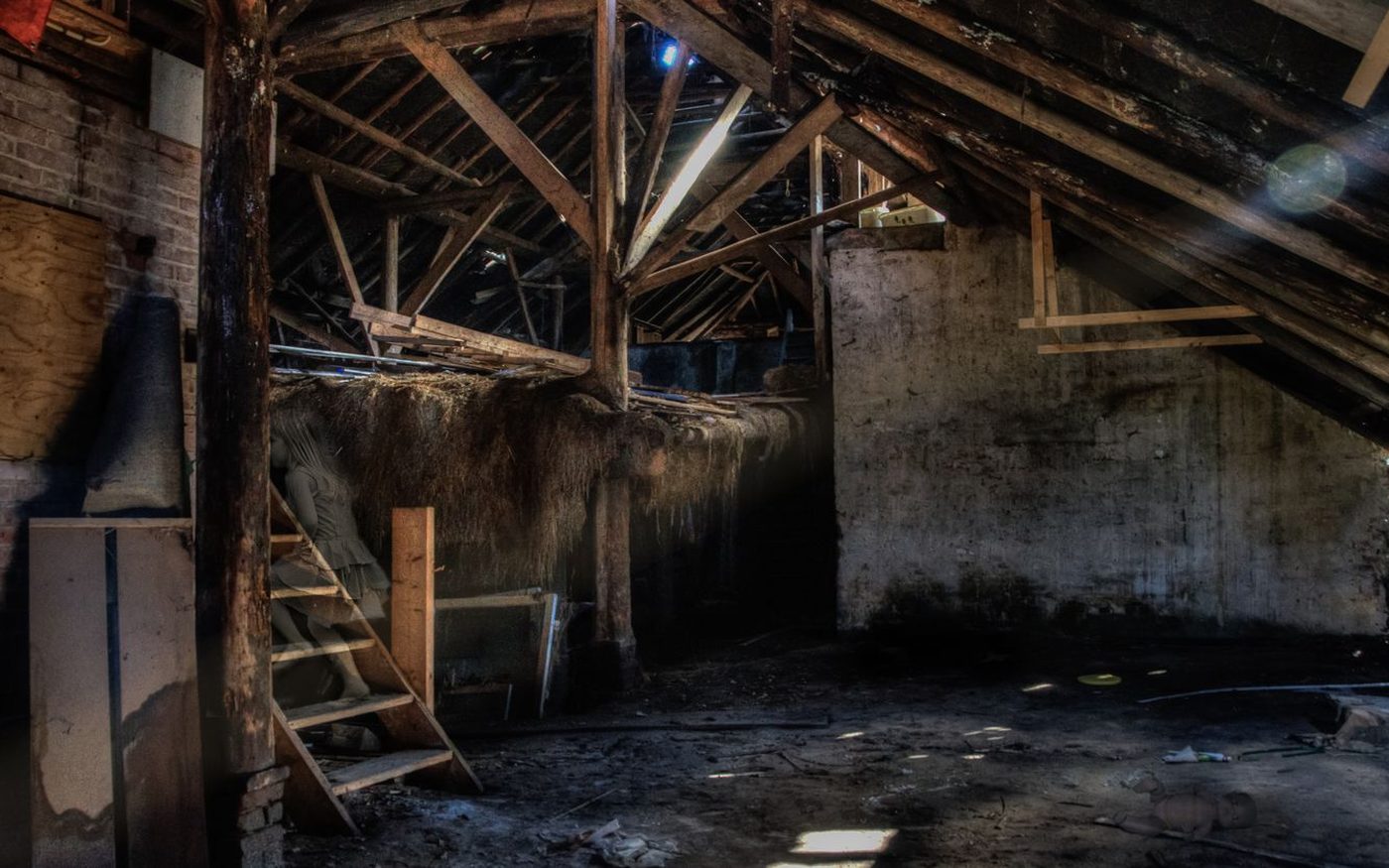
On a summer afternoon a badly vented attic can be far hotter than outside, and that heat pushes down into the house.
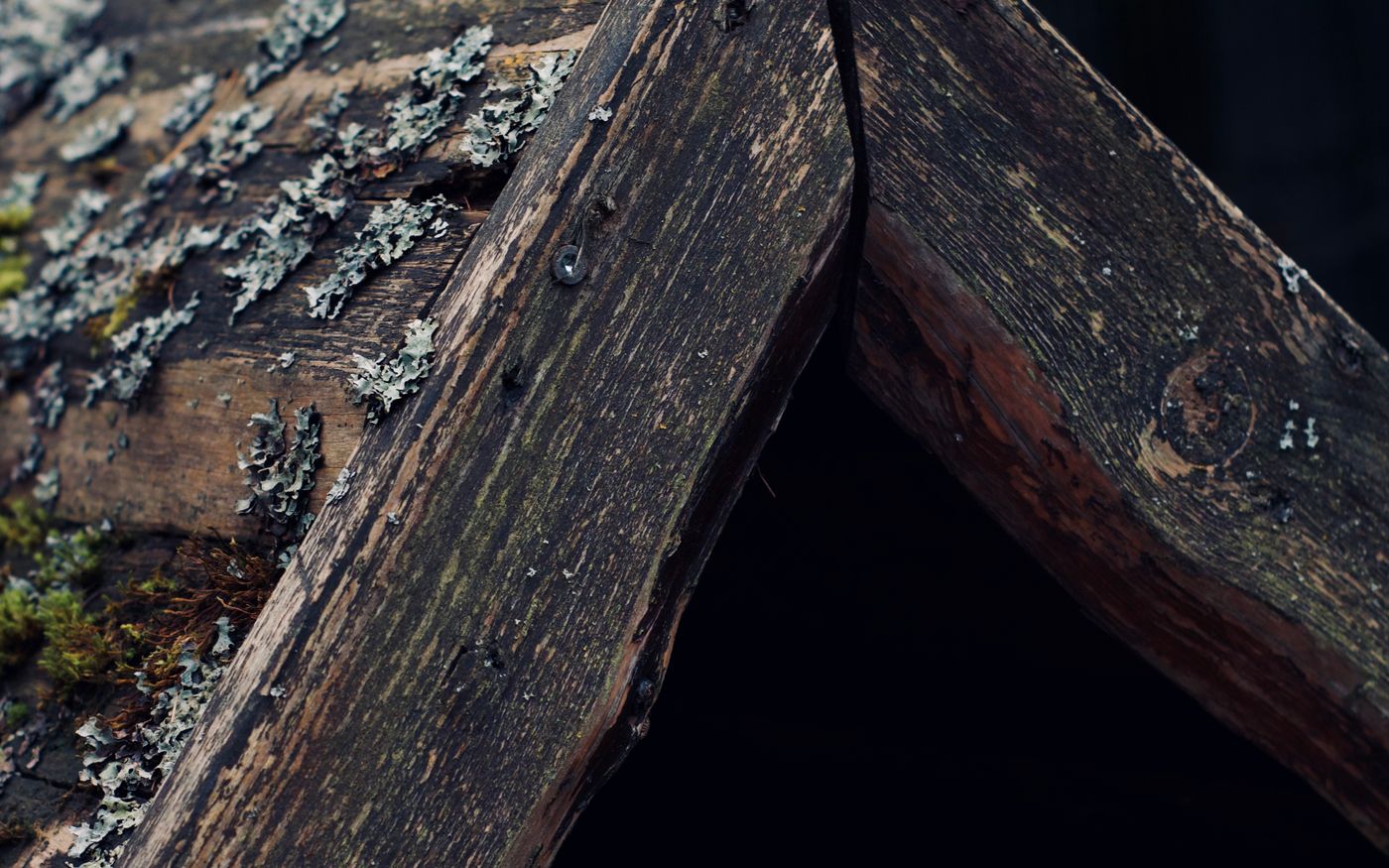
Moisture that cannot escape condenses on the underside of the deck and starts rot and mold.
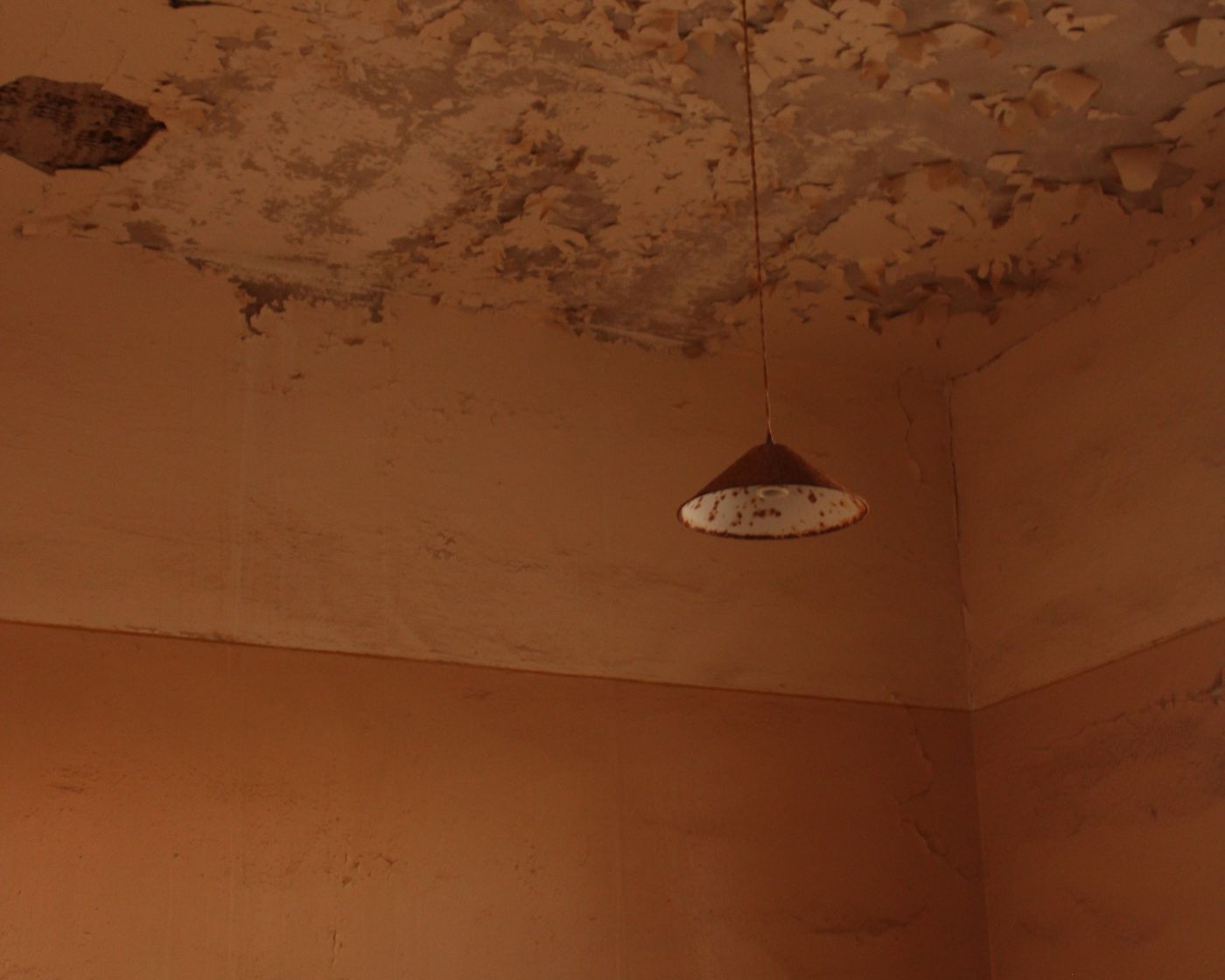
Ceiling marks that show up in muggy spells rather than storms often mean attic condensation.
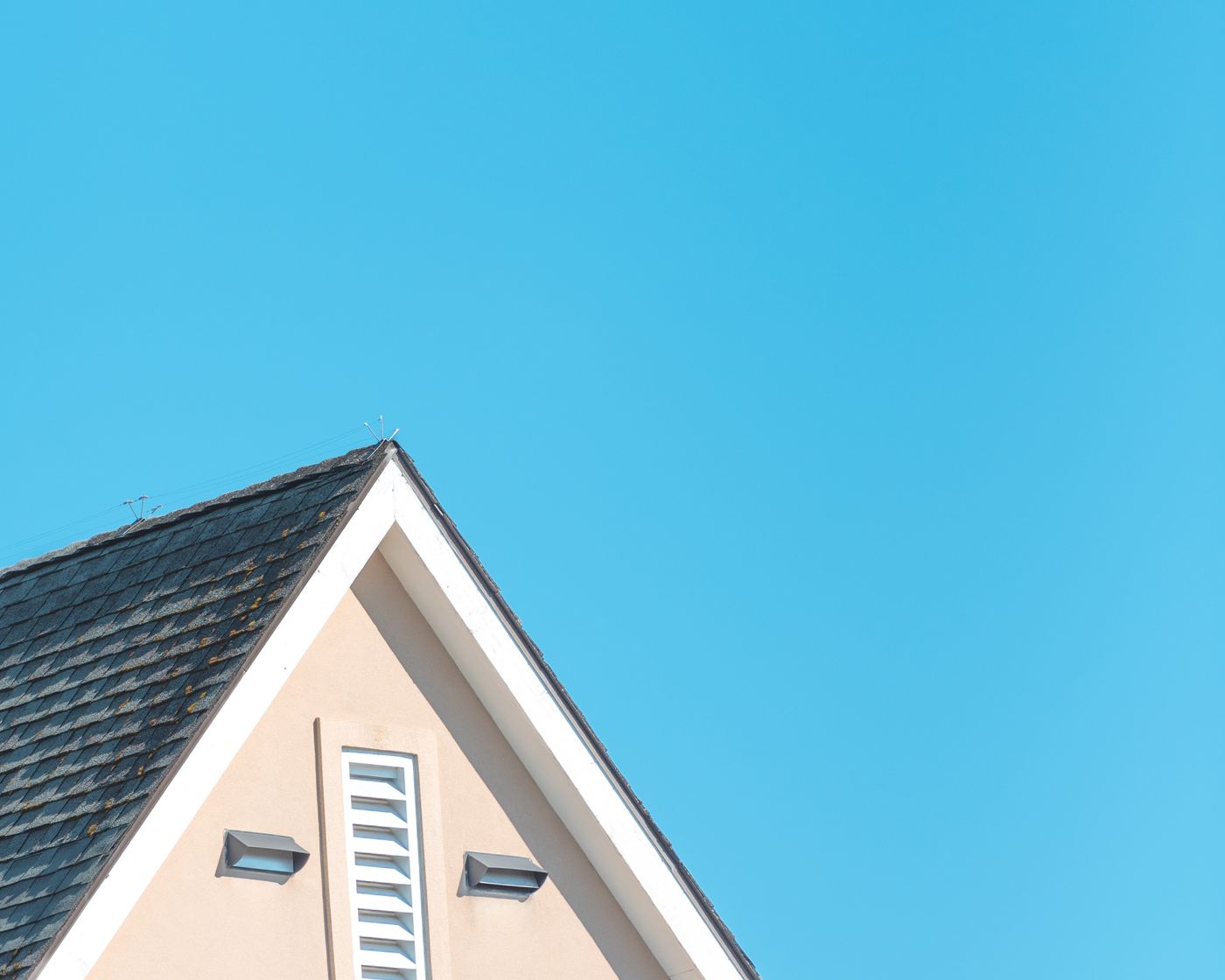
Gable vents alone move air across the top of the attic and leave the rest stagnant.
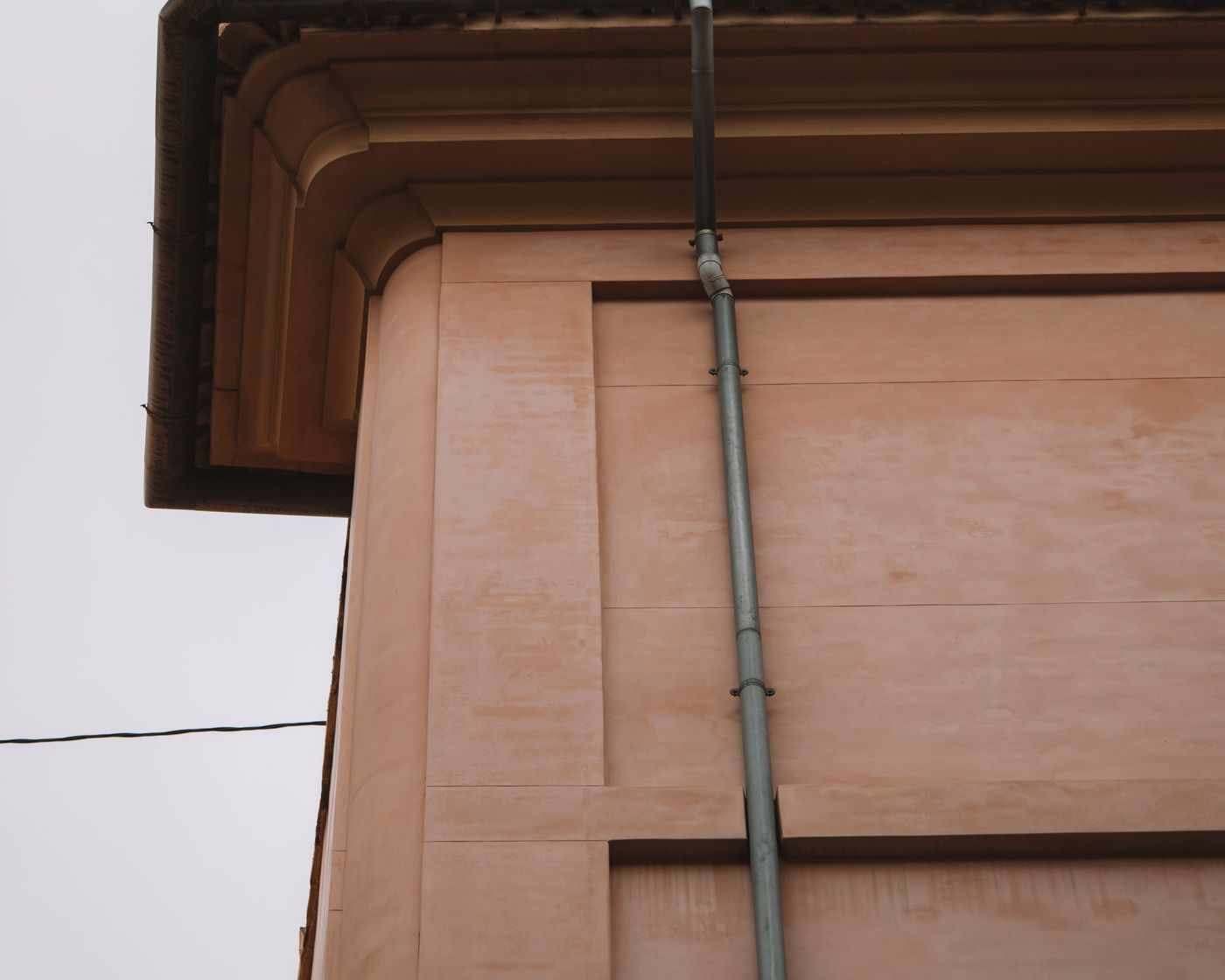
Intake vents painted over or blocked by insulation starve the whole system.
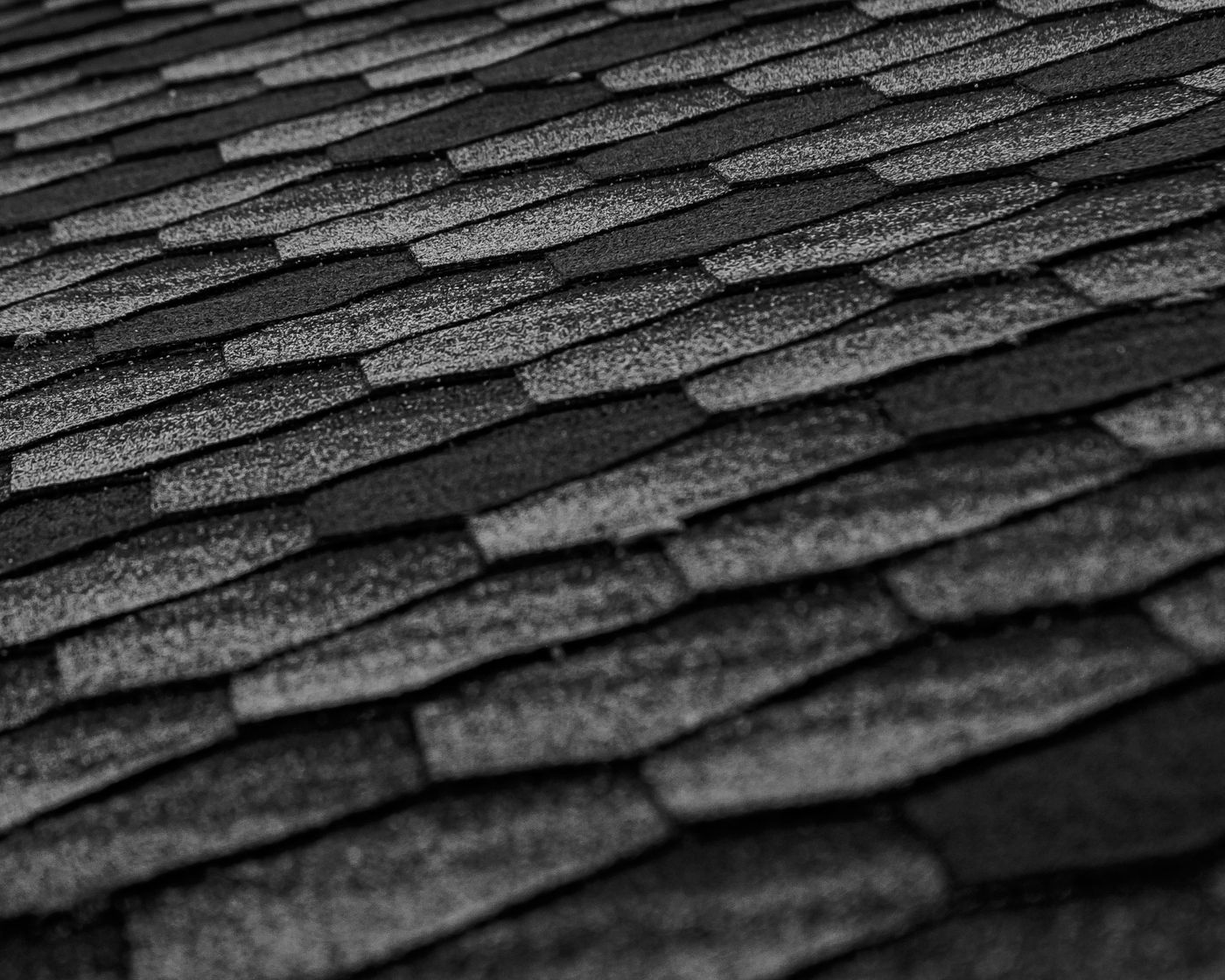
Blistering or curling well before its time is often heat from below, not sun from above.
Notice one of these? Ventilation is checked on every free inspection.
Book a free inspectionEight steps. Most ventilation problems come from mixing vent types that work against each other.
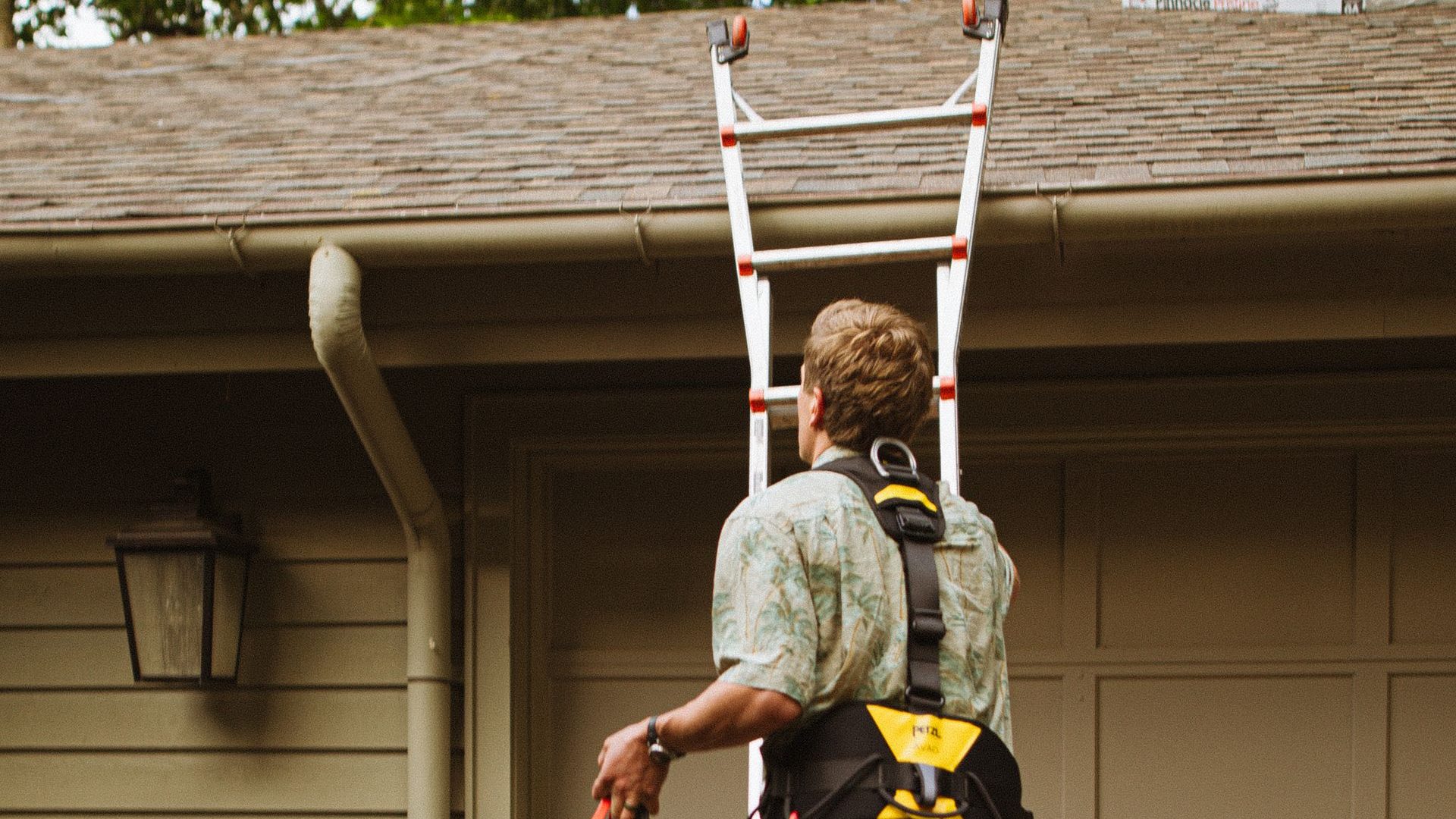
Existing vents, insulation, and signs of heat or damp inside the attic.
From both sides.
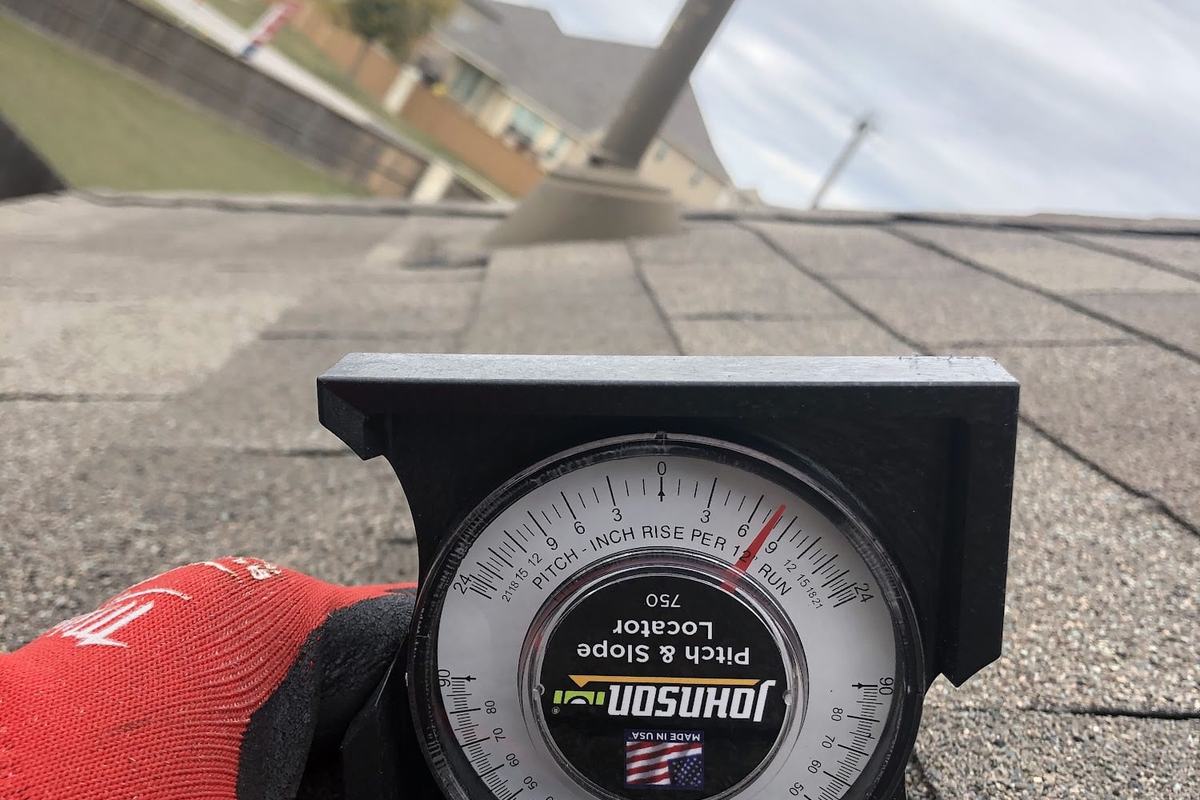
Floor area measured, because the vent area needed is worked out from it.
The numbers drive the plan.

How much intake, how much exhaust, where each goes, and which old vents close.
Priced before work.

Soffit vents opened, cleared or added along the eaves.
Air in low.
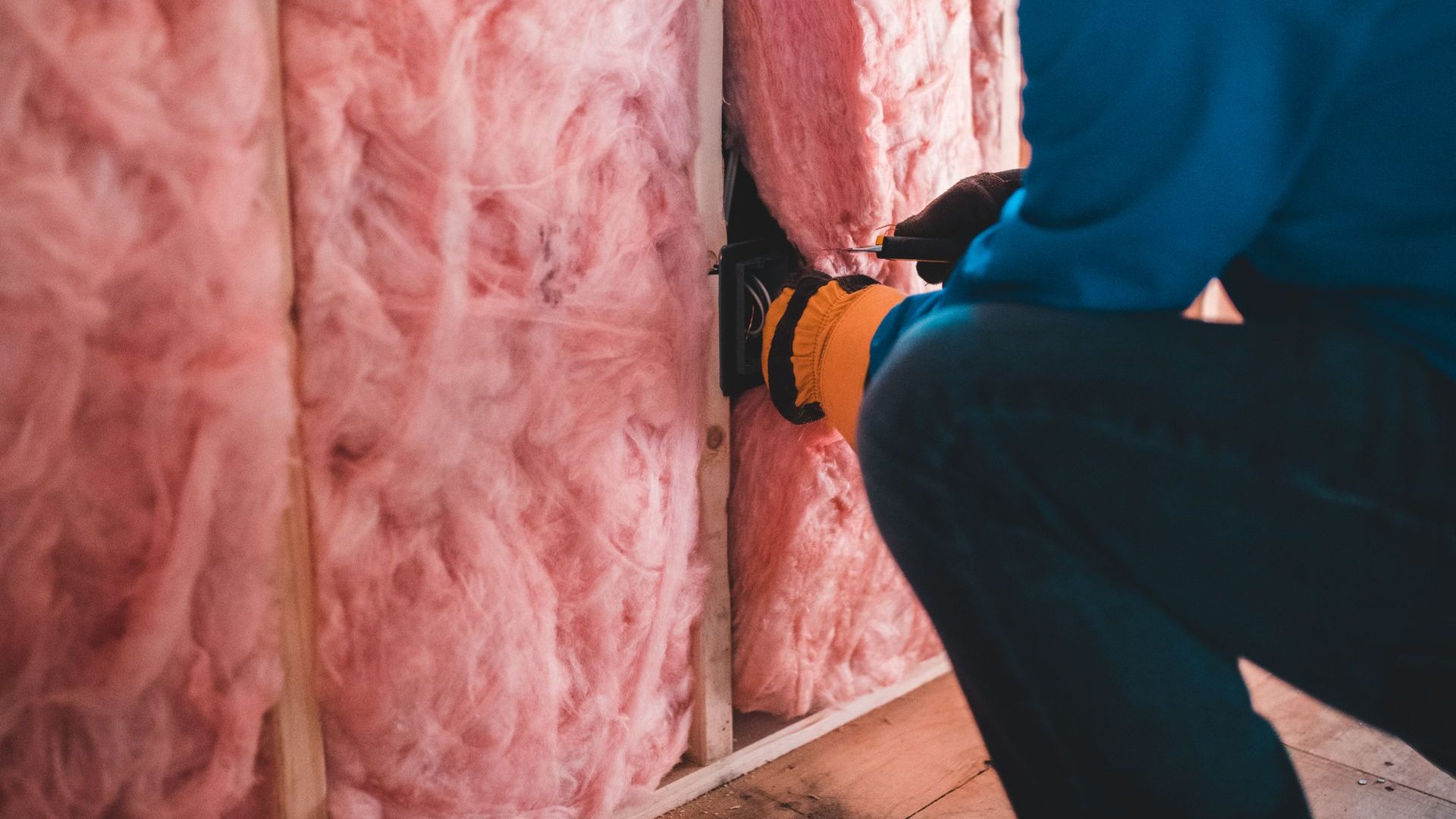
Baffles in each rafter bay so insulation cannot block the intake.
Air keeps its path.
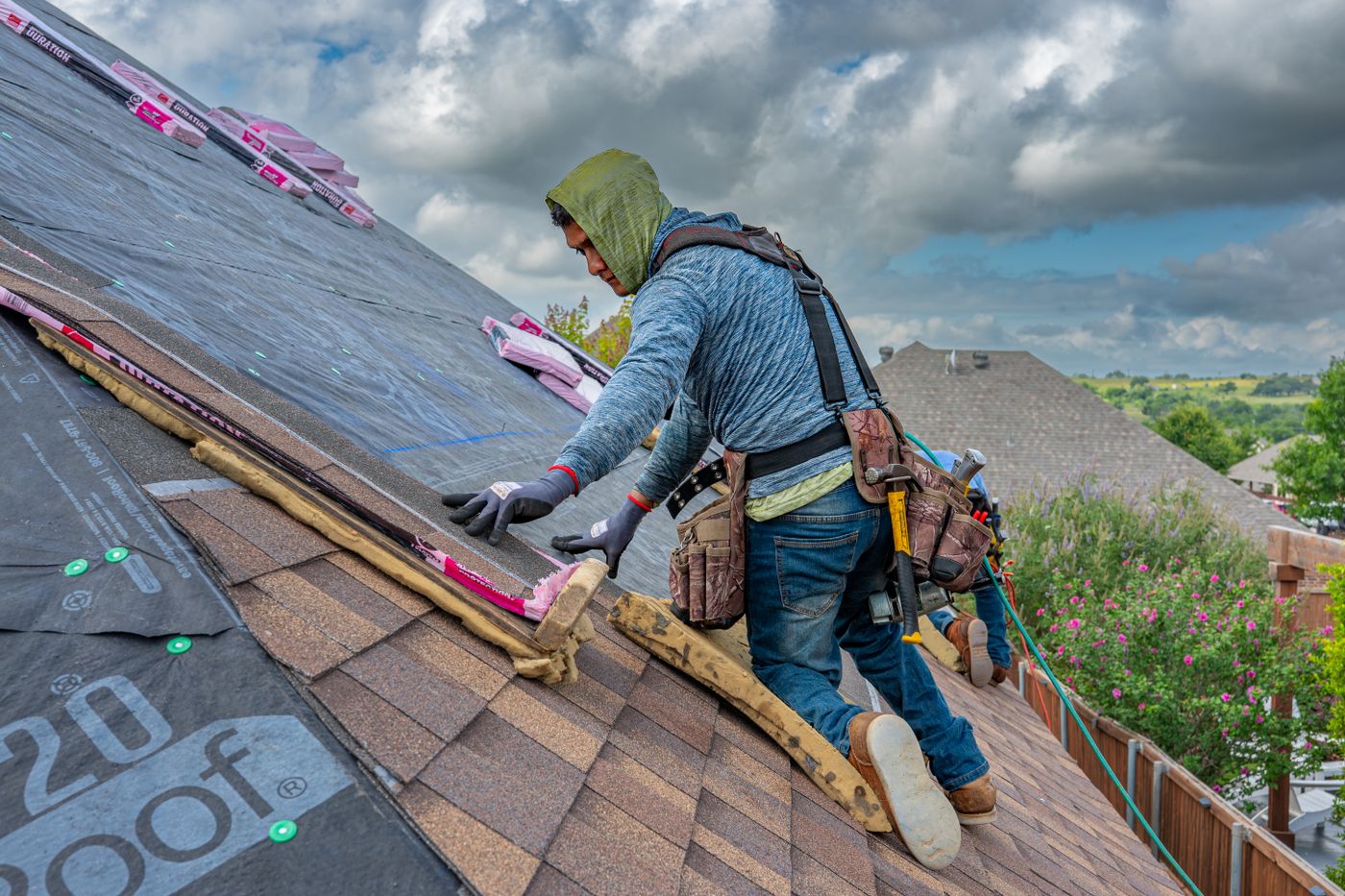
A slot cut along the ridge, clear of the rafters, for the exhaust.
Air out high.
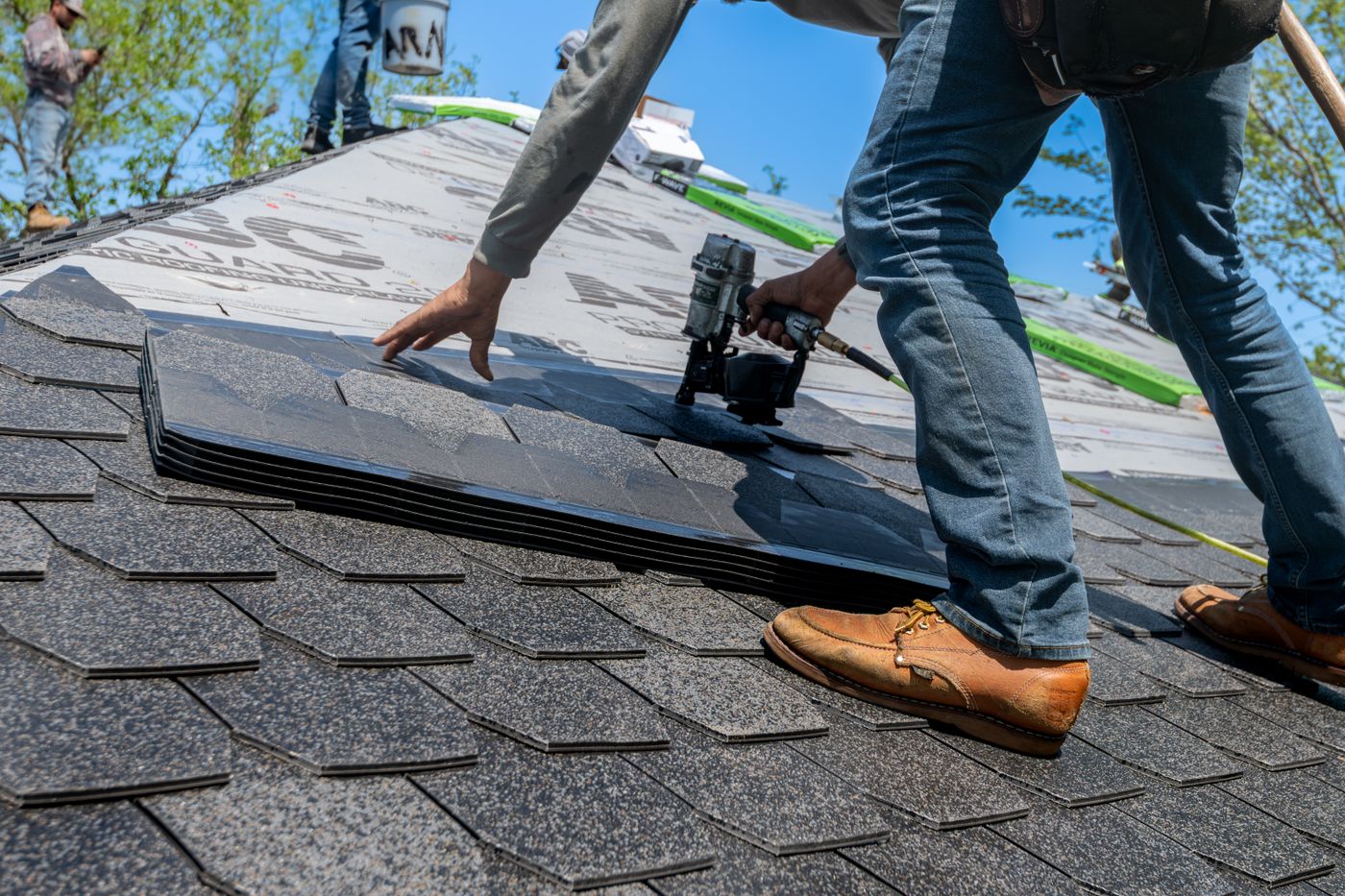
The ridge vent fastened along the slot and capped with shingle to match.
Baffled against rain.
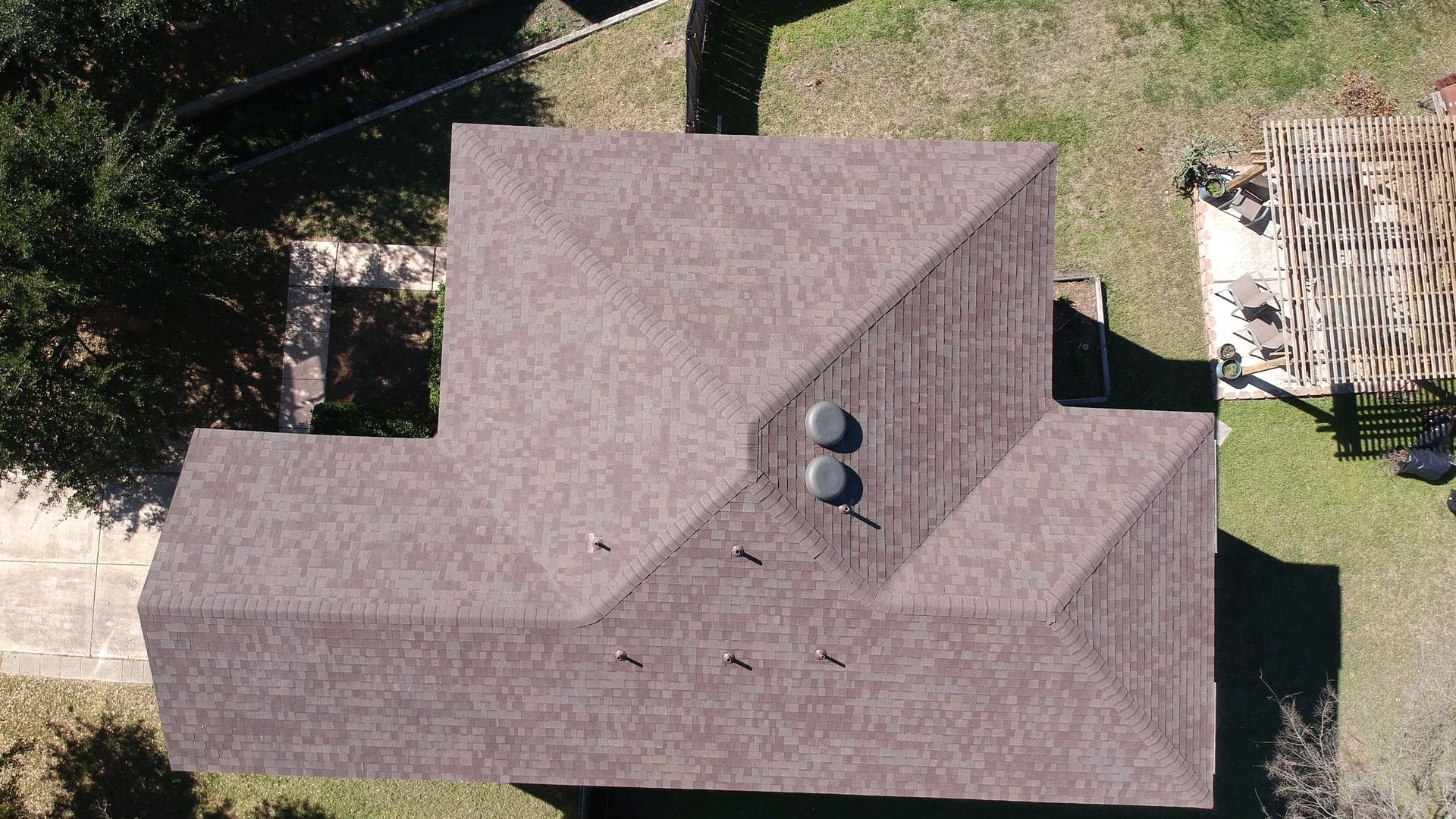
Old box or gable vents that would short-circuit the ridge are sealed up.
One clean airflow path.
The ventilation check is free, and so is the written plan.
Book a free inspectionMost roofs need one kind of intake and one kind of exhaust. Mixing more than that usually hurts.
A continuous vent along the ridge: the most even exhaust on a pitched roof, and the least visible.
Intake along the eaves. Without enough of it, no exhaust vent works properly.
Individual vents near the ridge. They work, but mixed with a ridge vent they steal its airflow.
Vents in the end walls. On their own they ventilate only the top of the attic.
Adding exhaust without intake pulls cooled air out of the house. The plan sizes both ends together.
Most ventilation work is modest. These five things decide the price.
Larger attics need more vent area at both ends.
A new ridge vent, new soffit intake, or both.
Solid or painted-shut soffits need opening or replacing.
Each competing vent removed and patched adds a line.
Ventilation added during a re-roof costs far less than on its own.
The written plan shows the vent area at each end and the price of each change. Would rather ask in writing? Reach the team from our contact page.
Free, measured, and written up for your attic.
Most vent quotes add something. The better question is whether the attic ends up balanced.
Quote A is a made-up example based on shortcuts common in quick vent jobs. It is not a real quote, and it depicts no actual company.
Adding insulation soon? Plan the ventilation at the same time, so one does not block the other.
Talk to a roofer504-229-3955Clues include a very hot attic, damp or moldy rafters, and shingles aging early. The sure way is to measure the attic and the vent area, which the free inspection does.
No. Exhaust without enough intake pulls cooled air out of the house. Balance matters more than quantity.
It is usually a mistake. The box vents short-circuit the ridge vent, so we close the extras off.
Here it matters most in summer heat and in year-round humidity. It keeps the attic from trapping moisture in any season.
A cooler attic puts less heat into the rooms below, and insulation does the rest. The two work best together.
That is the best time. The ridge is open, and the work costs far less than on its own.
Name and phone are enough. We call back the same business day.