Rated for Wind
Materials and fastening chosen for hurricane wind, not just for looks.

Wind-rated siding, fastened the way the maker specifies. A free visit, the wall behind the siding checked, and a written estimate before anything comes off.
Siding is the roof’s partner on the walls. In New Orleans it has to shed sideways rain and hold on in hurricane wind, and most of that comes down to what is behind it and how it is fastened.
Big Easy Roofing Company installs siding on homes across New Orleans in vinyl, fiber cement and wood, with the house wrap, flashing and trim that keep water out of the wall behind it.
Siding and roofing meet at every eave and gable, so when both need work they are best planned together, and the fascia board at the roof edge is checked as part of the job.
Materials and fastening chosen for hurricane wind, not just for looks.
House wrap and flashing at every window, door and corner.
Rotten wall sheathing is replaced before new siding covers it.
Siding usually tells you when it is done. These are the signs it is past painting or patching.
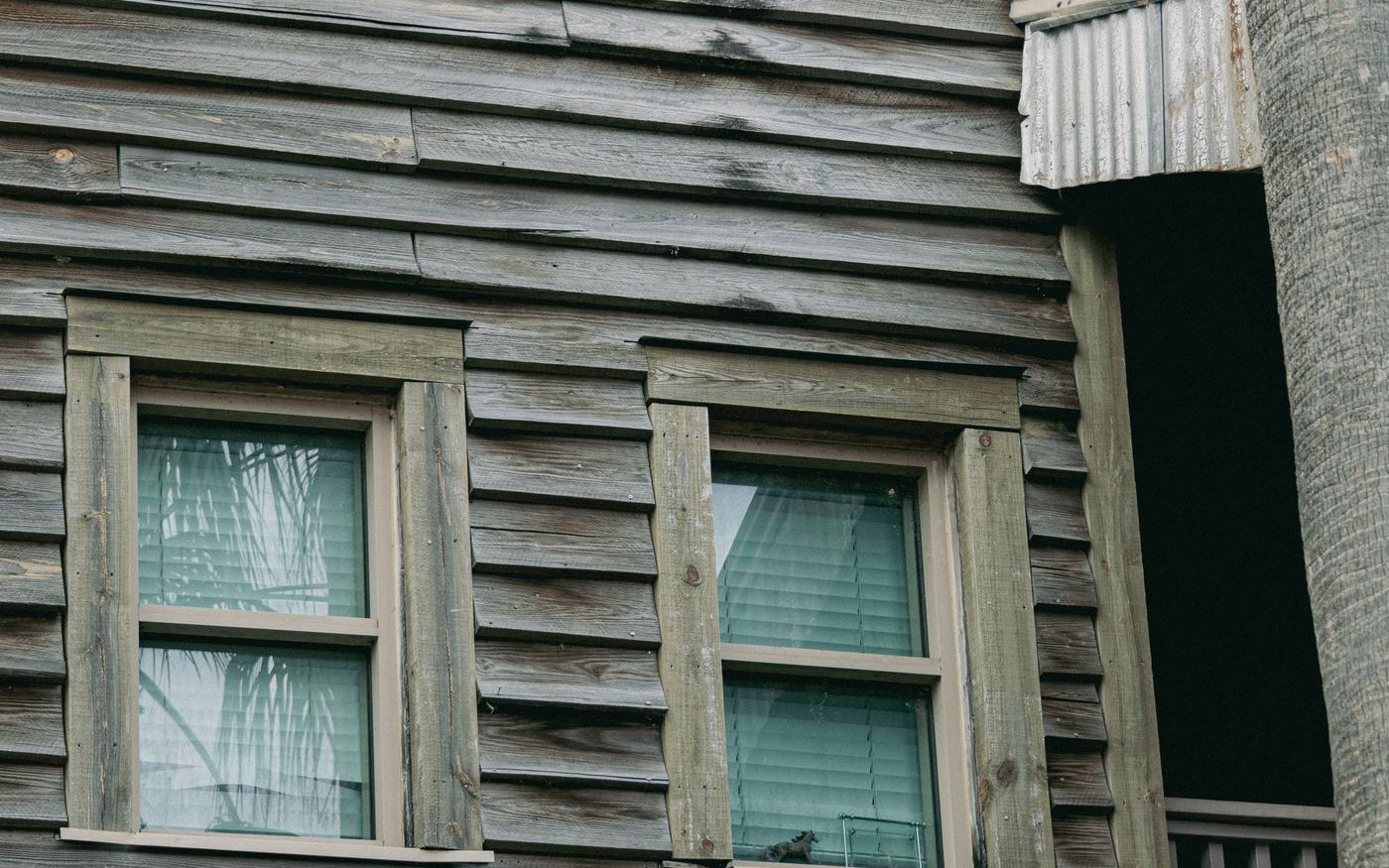
Siding that has cupped, split or pulled away has let water in behind it.
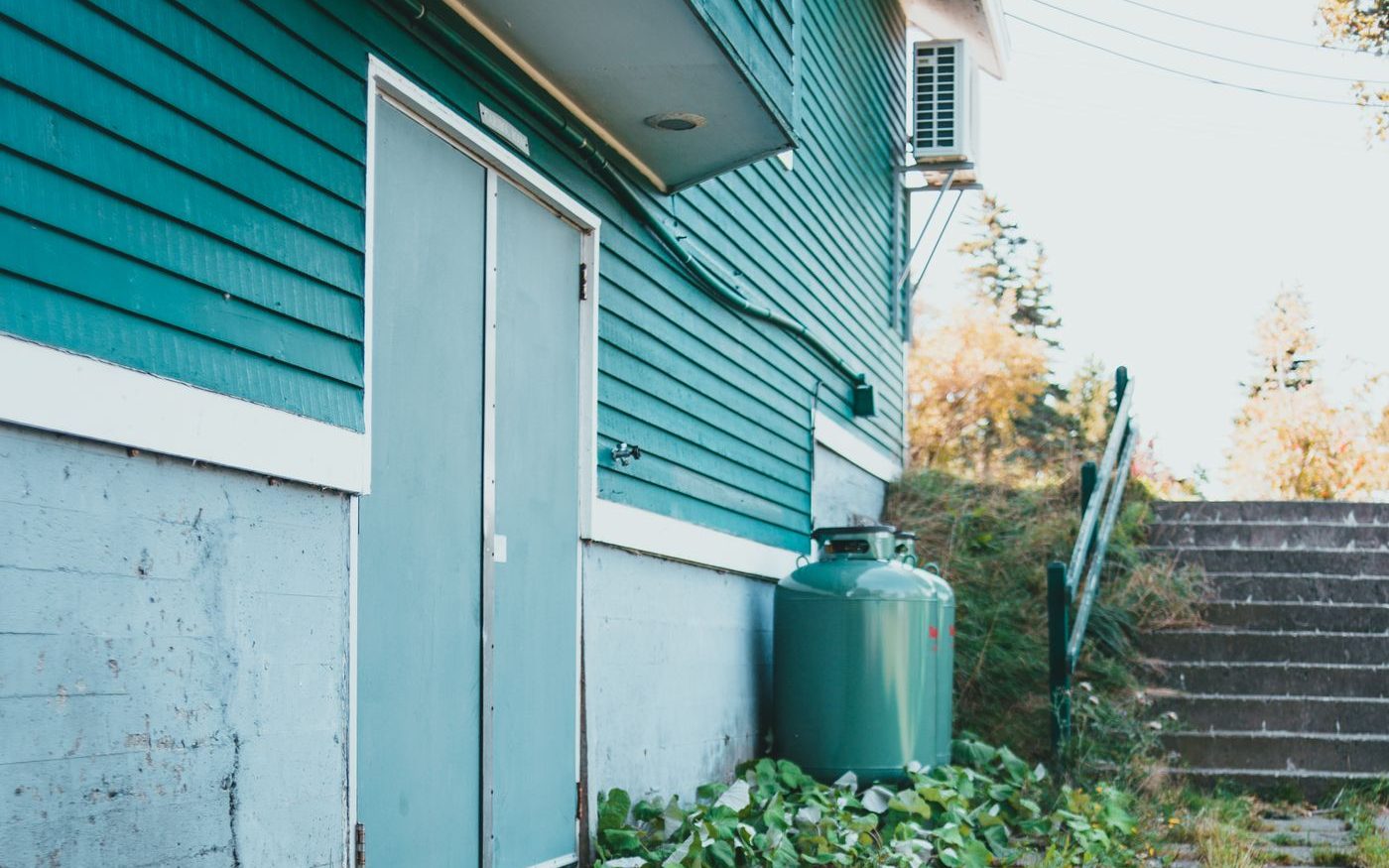
The lowest course takes splash-back from every storm. Rot there spreads up and into the wall.
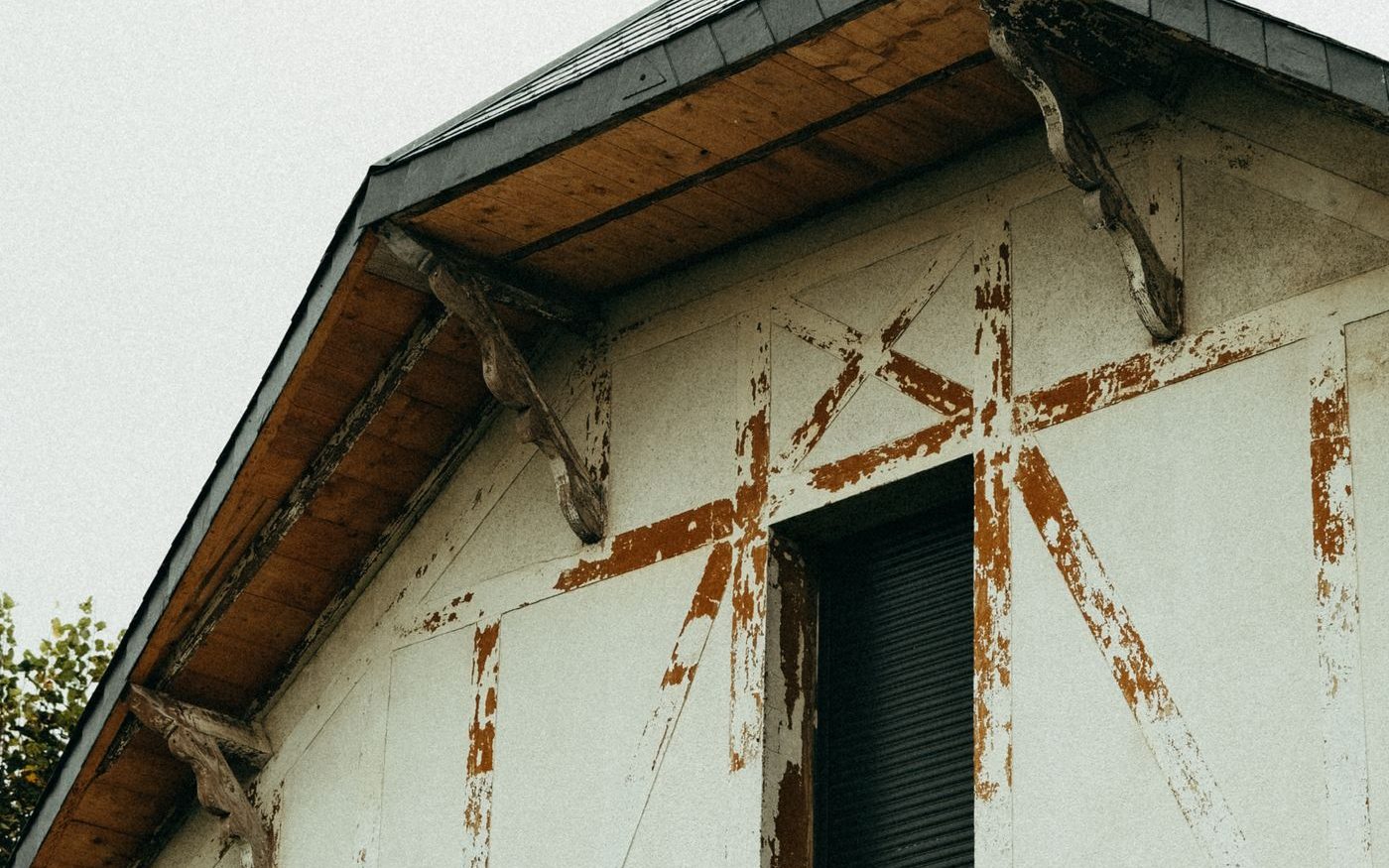
Wood that sheds paint quickly is wet from behind. More paint will not fix that.
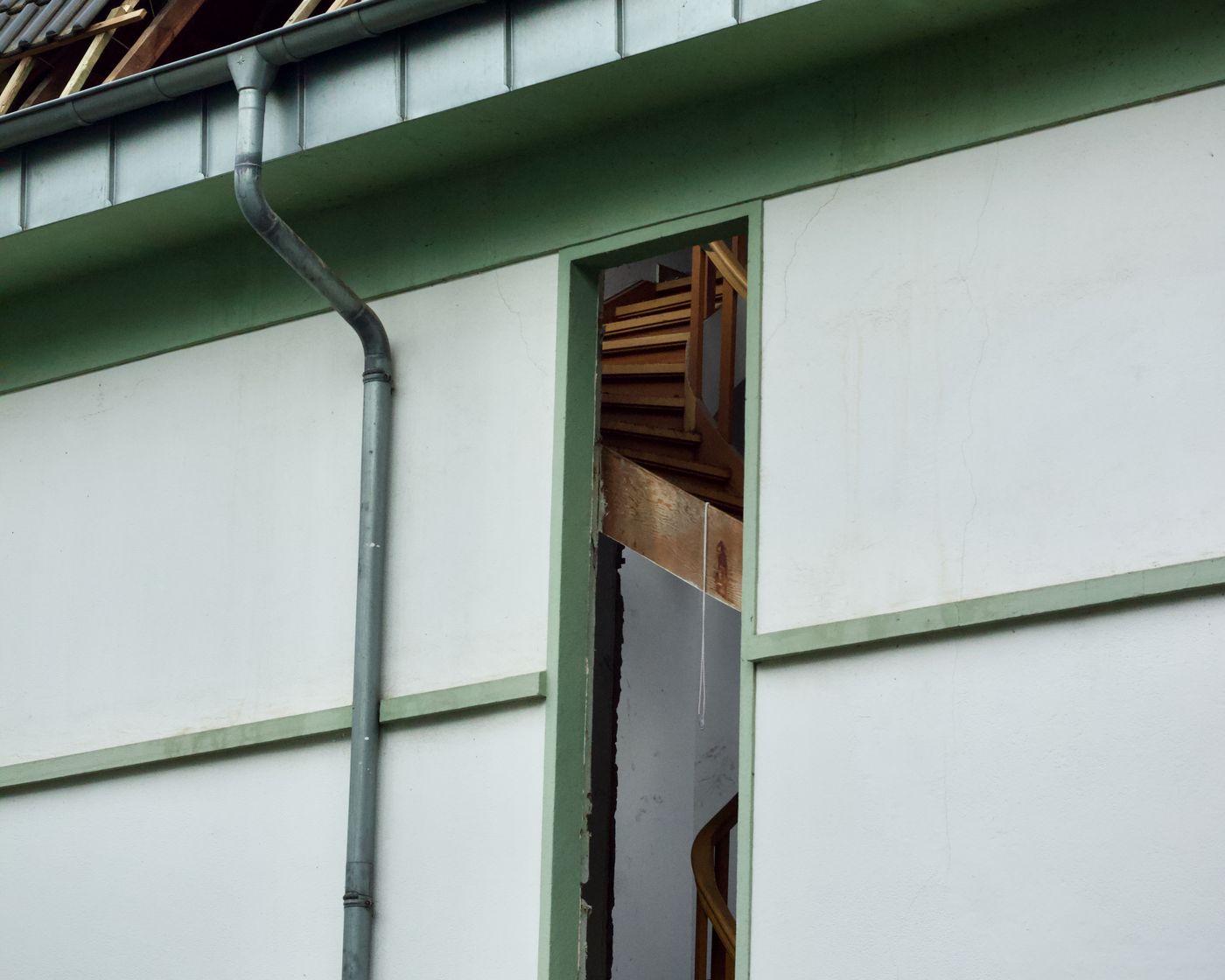
Cracked, dented or missing pieces after a storm let rain straight into the wall.
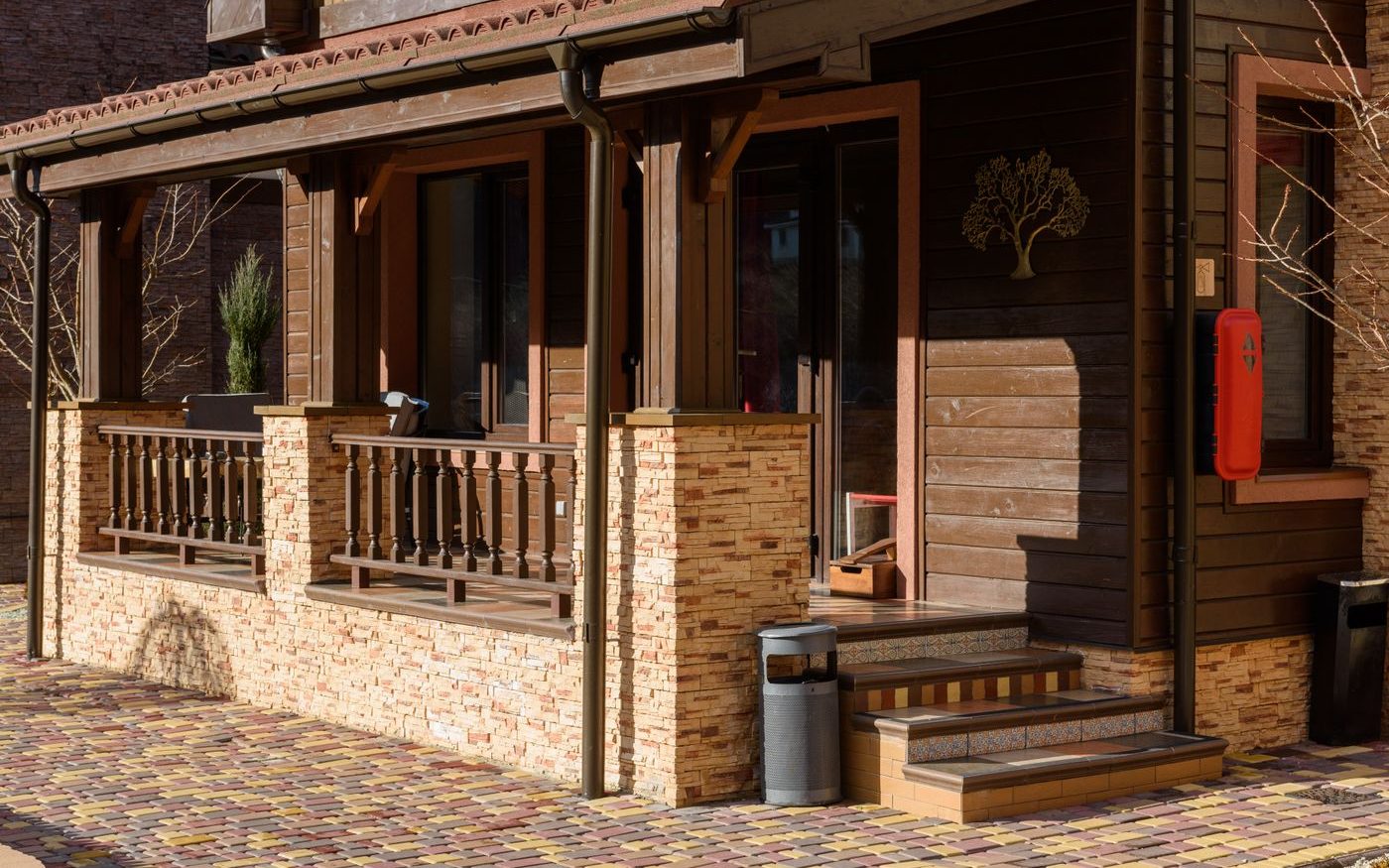
Where siding meets porch roofs, steps and trim, water collects and rot starts first.
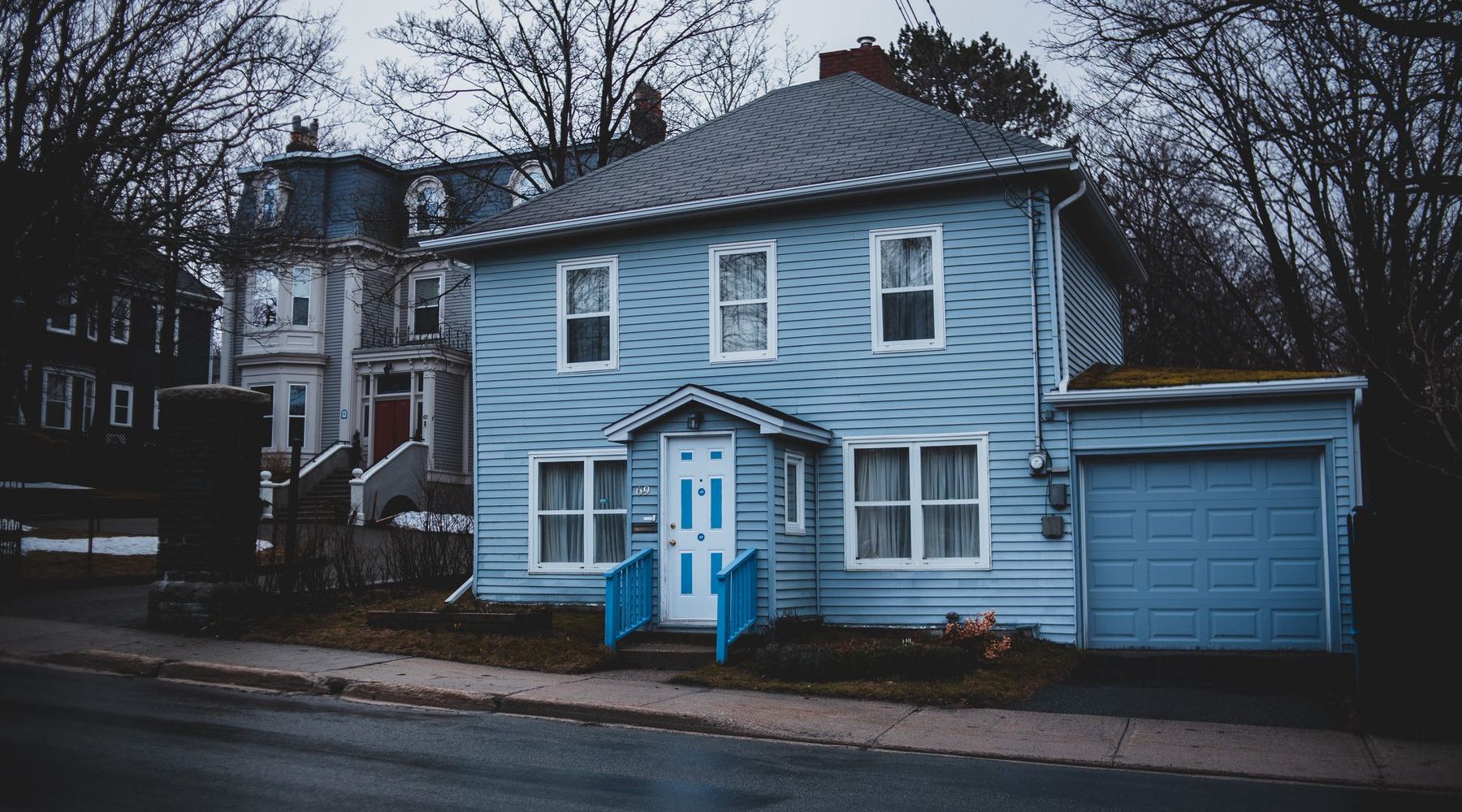
Old siding that is sound but faded is a choice, not an emergency. New siding is how a house gets a new look.
Seeing a few of these? A free visit tells you whether it is a repair or a re-side.
Request an estimateEight steps from measuring to the final walk. The wall behind the siding gets as much attention as the siding itself.
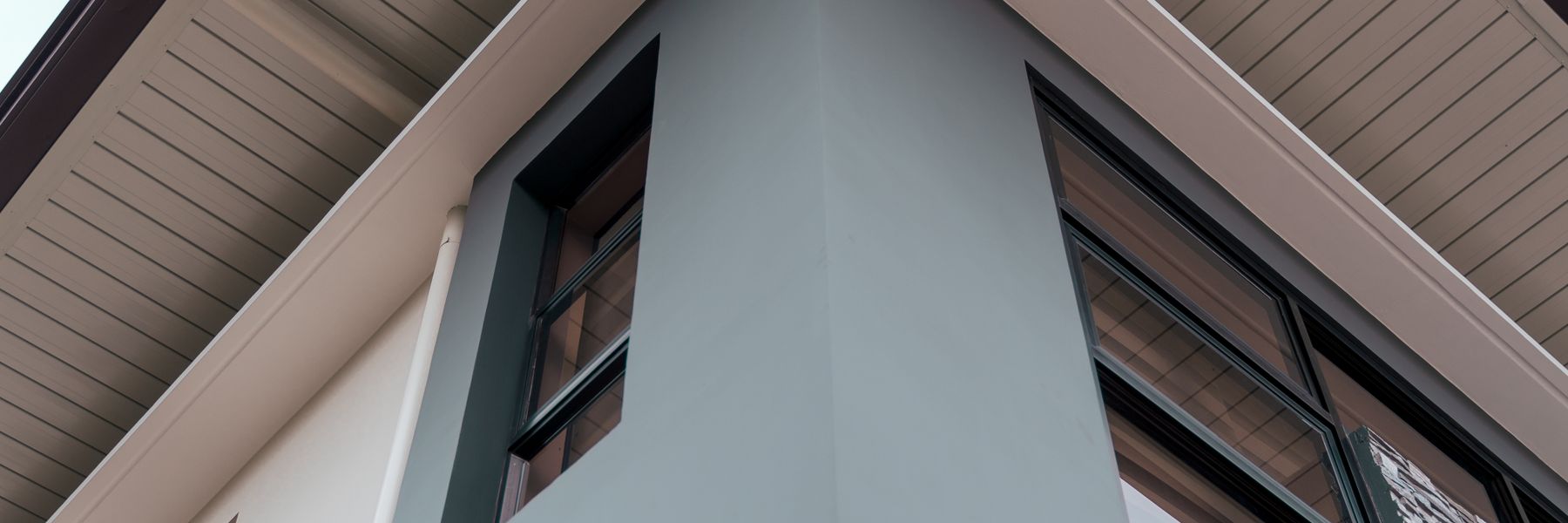
Every wall measured, with windows, doors and corners counted.
Photographed.

Your choice of siding, trim and color, with every line of material and labor priced.
Agreed before work.
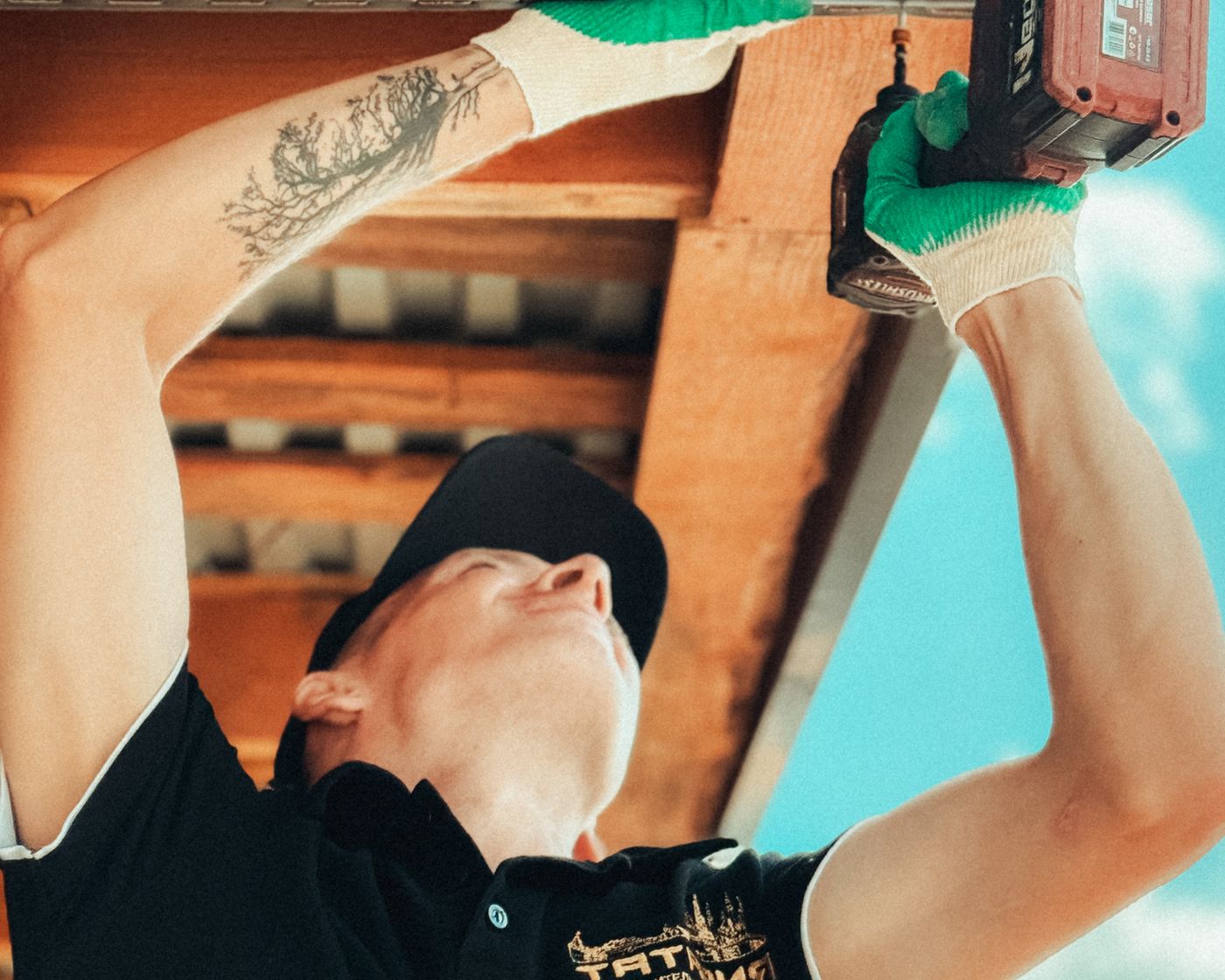
Old siding removed wall by wall, so the sheathing behind it can be seen.
Hauled away.
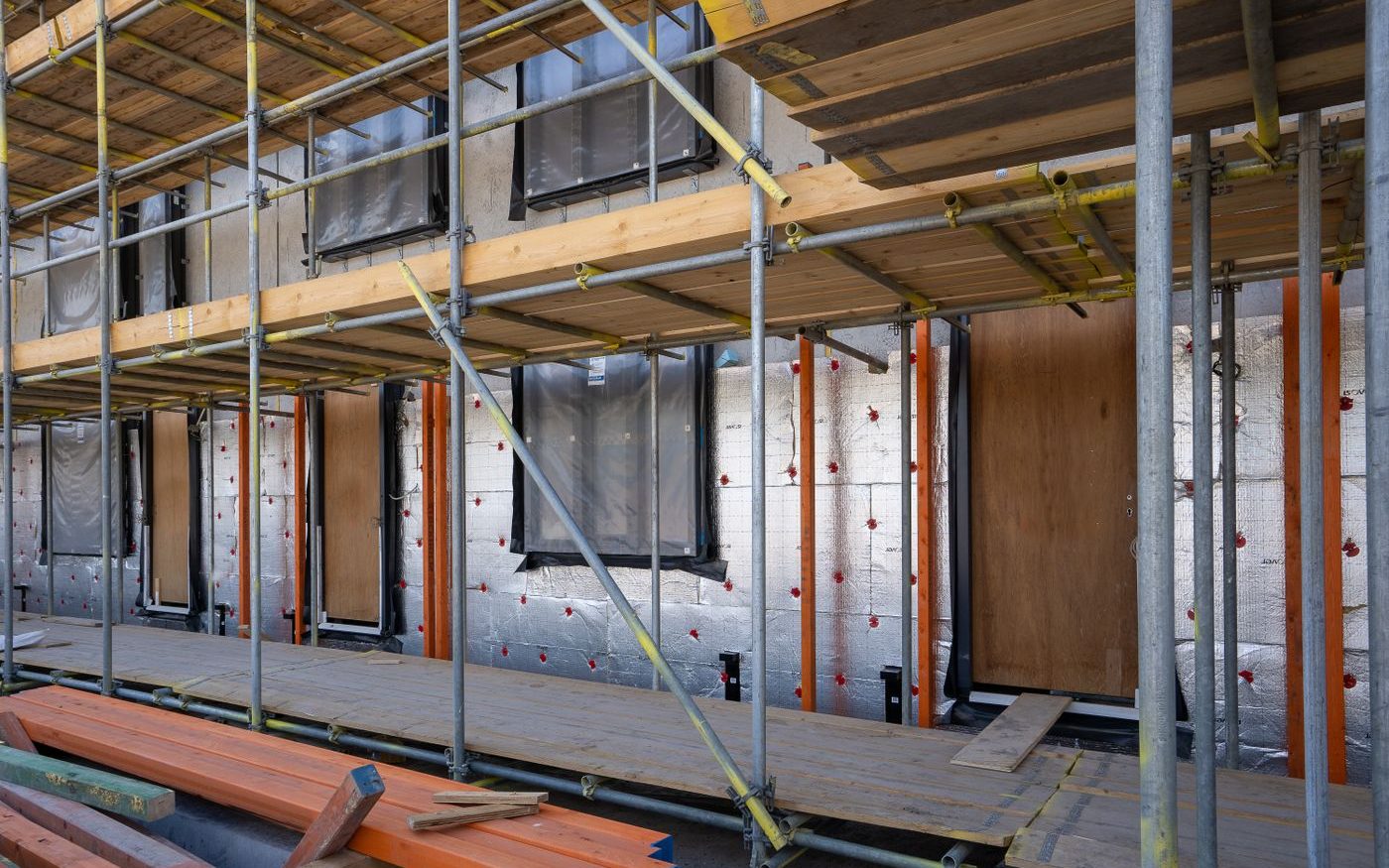
Soft or rotten sheathing replaced before anything covers it.
Priced per sheet on the estimate.
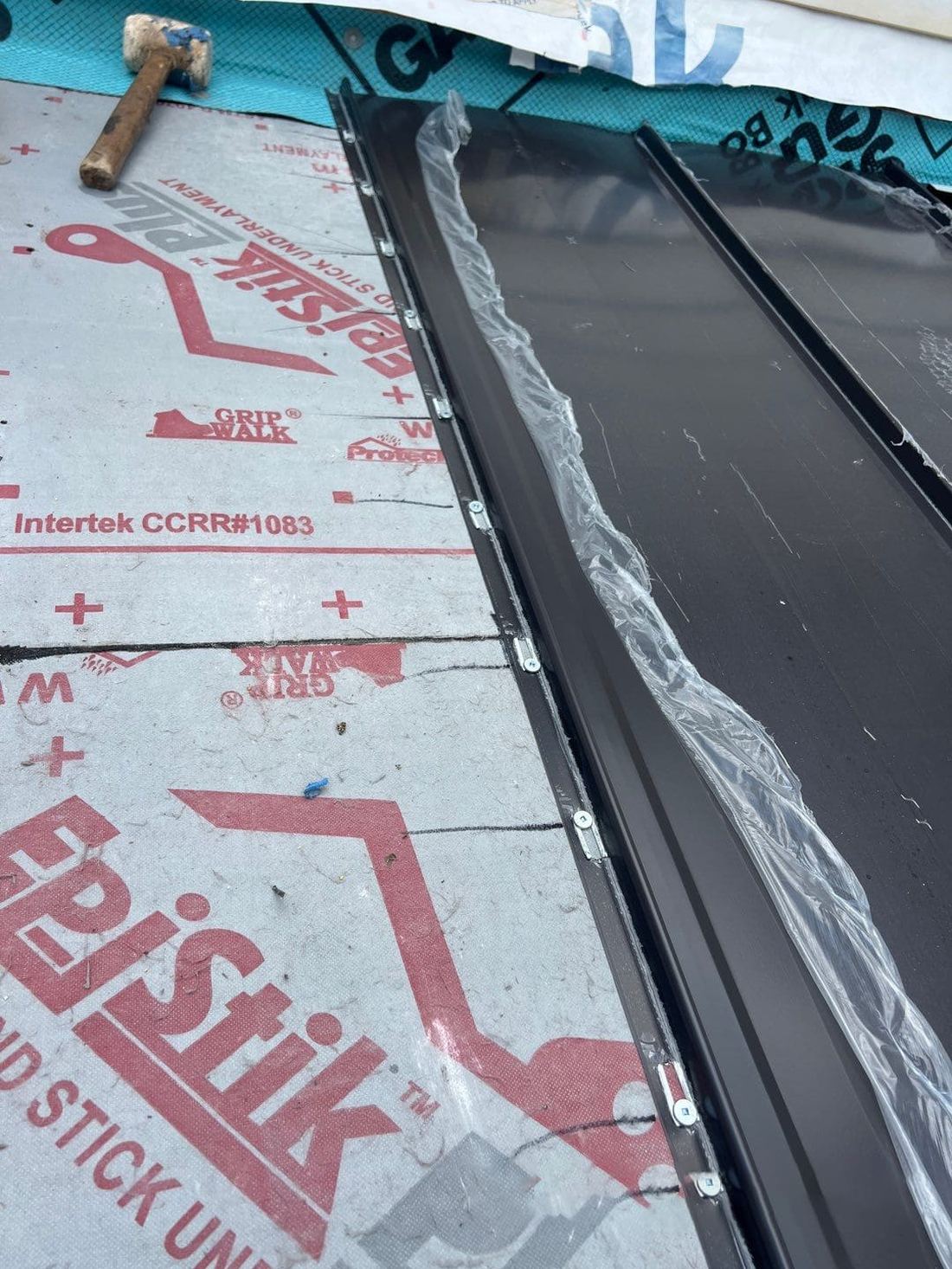
A weather barrier over the sheathing, and flashing at every window, door and corner.
Where walls leak first.
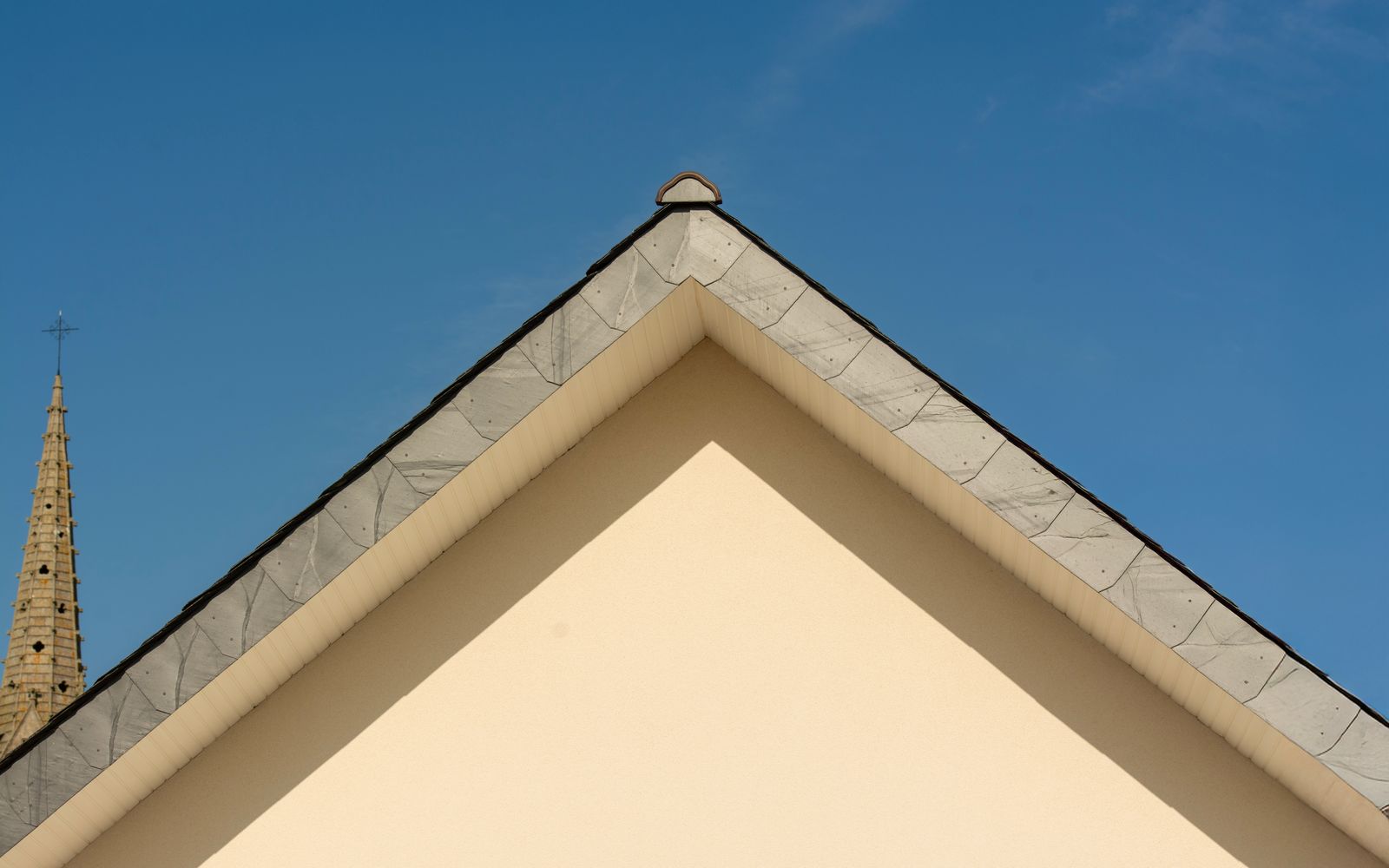
Corner posts, window trim and the joint with the soffit set before the siding runs.
Detailed to shed water.
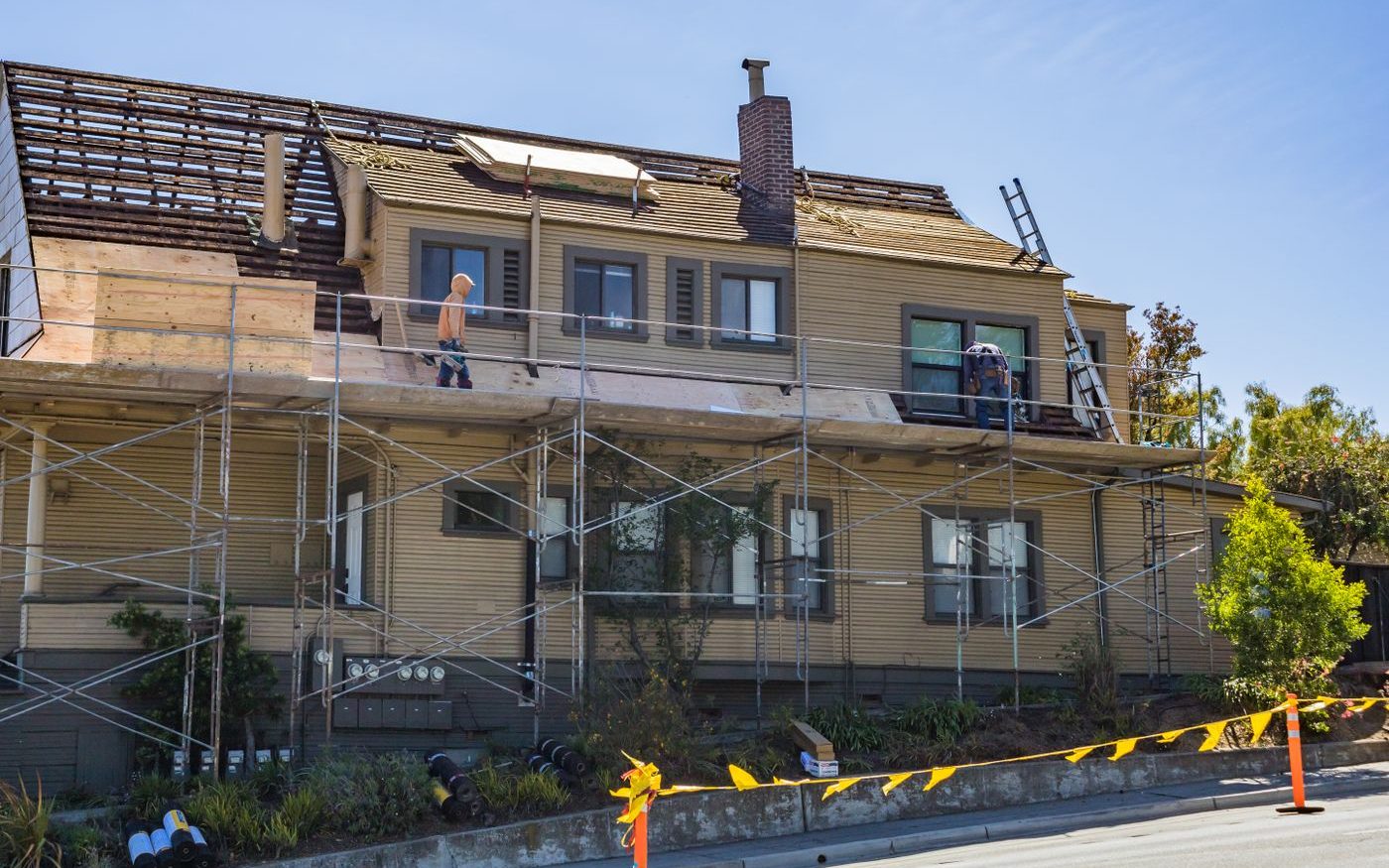
Fastened to the maker’s spacing and pattern, so it holds in wind and can still move with the heat.
The wind rating depends on it.
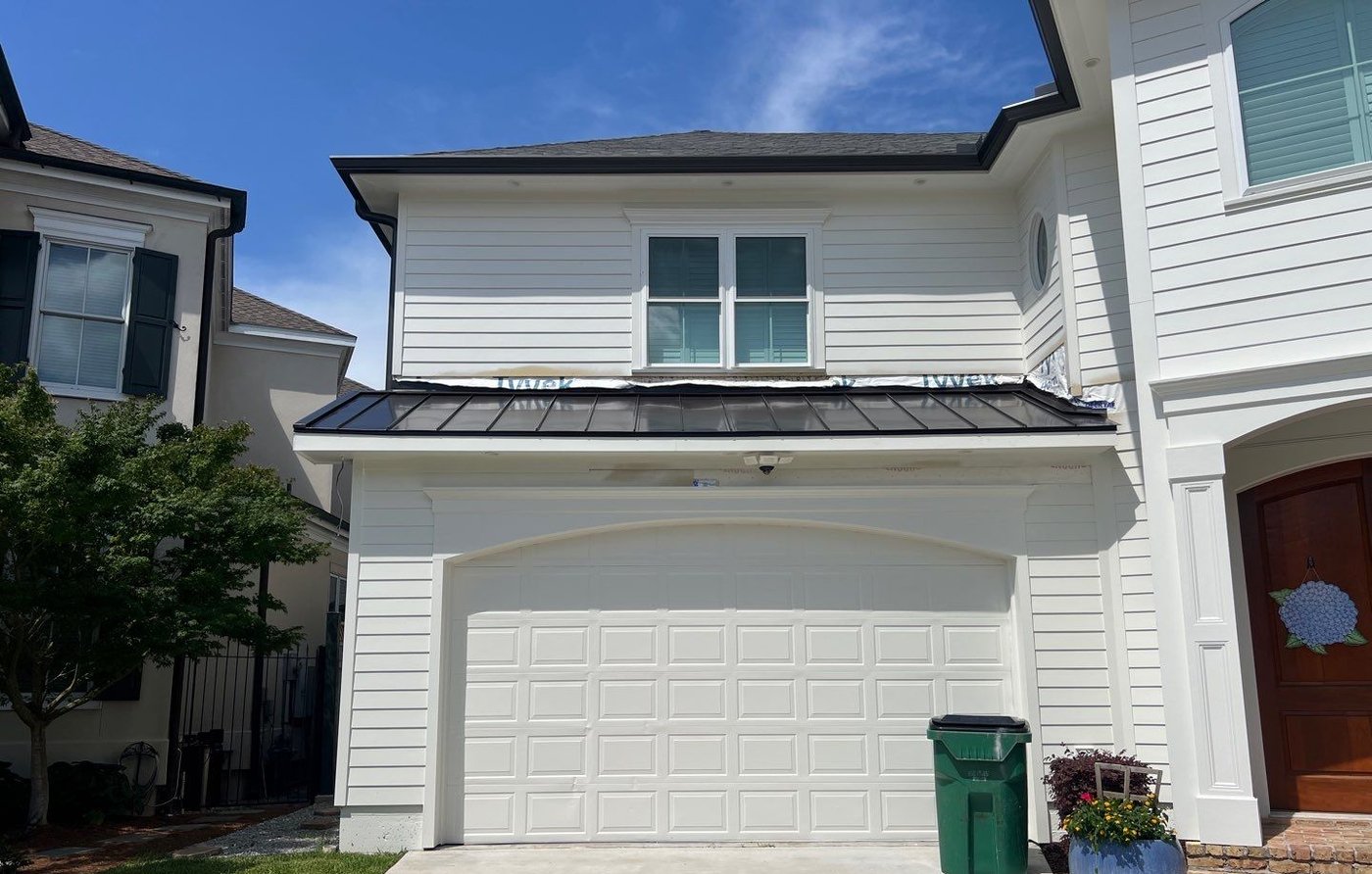
Site cleared, nails swept, and a walk around the house with you.
Photos included.
The visit and the written estimate are free, with no obligation.
Request an estimateEach material handles heat, humidity and wind differently. This is how they compare here.
Affordable, low-upkeep and made in many colors. Choose a wind-rated product and it holds well in storms.
Heavier and tougher than vinyl, resists rot, insects and fire, and takes paint well.
The traditional look for historic homes. Beautiful, but it needs sealing and paint on a schedule in this humidity.
Wood fibers bonded with resin, for the look of wood with better rot resistance.
What keeps water out is the wrap, the flashing and the fastening behind the siding. The estimate lists all three.
Siding is priced by the square foot of wall, then by everything around the openings.
Measured in squares of wall, less the openings.
Vinyl, fiber cement, wood or engineered wood.
Rotten sheathing is replaced before new siding goes on.
Every window, door and corner needs flashing and trim.
Two-story walls and tight lots take more scaffolding.
The written estimate lists every wall and every line, so you can compare it fairly. Would you rather write in? The contact page is the place.
Free, measured wall by wall, and written down.
Siding quotes differ most in what they leave hidden behind the new boards.
Quote A is a made-up bid built from shortcuts common in low siding quotes. It is not a real quote, and it is not modeled on any real company.
Planning a roof and siding together? Ask for both on one estimate, and the joints between them are planned once.
Talk to a roofer504-229-3955For most houses, fiber cement or a wind-rated vinyl. Wood suits historic homes if you will keep up the paint. We lay out the trade-offs for your house.
We take the old siding off, so the wall behind can be checked and any rot fixed. Covering it hides problems.
It depends on the material and the upkeep. Fiber cement and good vinyl last many years, and wood lasts as long as its paint is kept up.
Siding alone does little. The house wrap and any insulation behind it do more, and the estimate shows both.
Storm damage often is, and wear usually is not. We photograph the damage either way. The insurance claims page explains how we help.
Roofs and walls meet at every eave, gable and porch. Doing both with one crew means those joints are flashed properly.
Name and phone are enough. We call back the same business day.