Heat Kept Out
The right depth slows summer heat on its way from the roof into the rooms.

A cooler house under the same roof. The attic measured, the ventilation checked first, and insulation added to the depth this climate calls for.
In New Orleans, roof insulation is about keeping heat out, not in. Done with the ventilation in mind, it cools the rooms under the roof and keeps moisture off the deck.
Big Easy Roofing Company adds and upgrades attic and roof insulation on homes across New Orleans. We measure what is there, check that the attic can breathe, and recommend the type and depth that suits the house.
Insulation and airflow have to be planned together. Packing insulation into the eaves without baffles blocks the soffit vents, so every job starts with a look at the roof ventilation.
The right depth slows summer heat on its way from the roof into the rooms.
Baffles keep the soffit vents clear, so the attic still breathes.
Air sealing and ventilation stop damp air condensing under the deck.
Most insulation problems show up as comfort problems first. These are the usual ones.

If the rooms under the roof stay hot long after sunset, heat is coming straight through the ceiling.
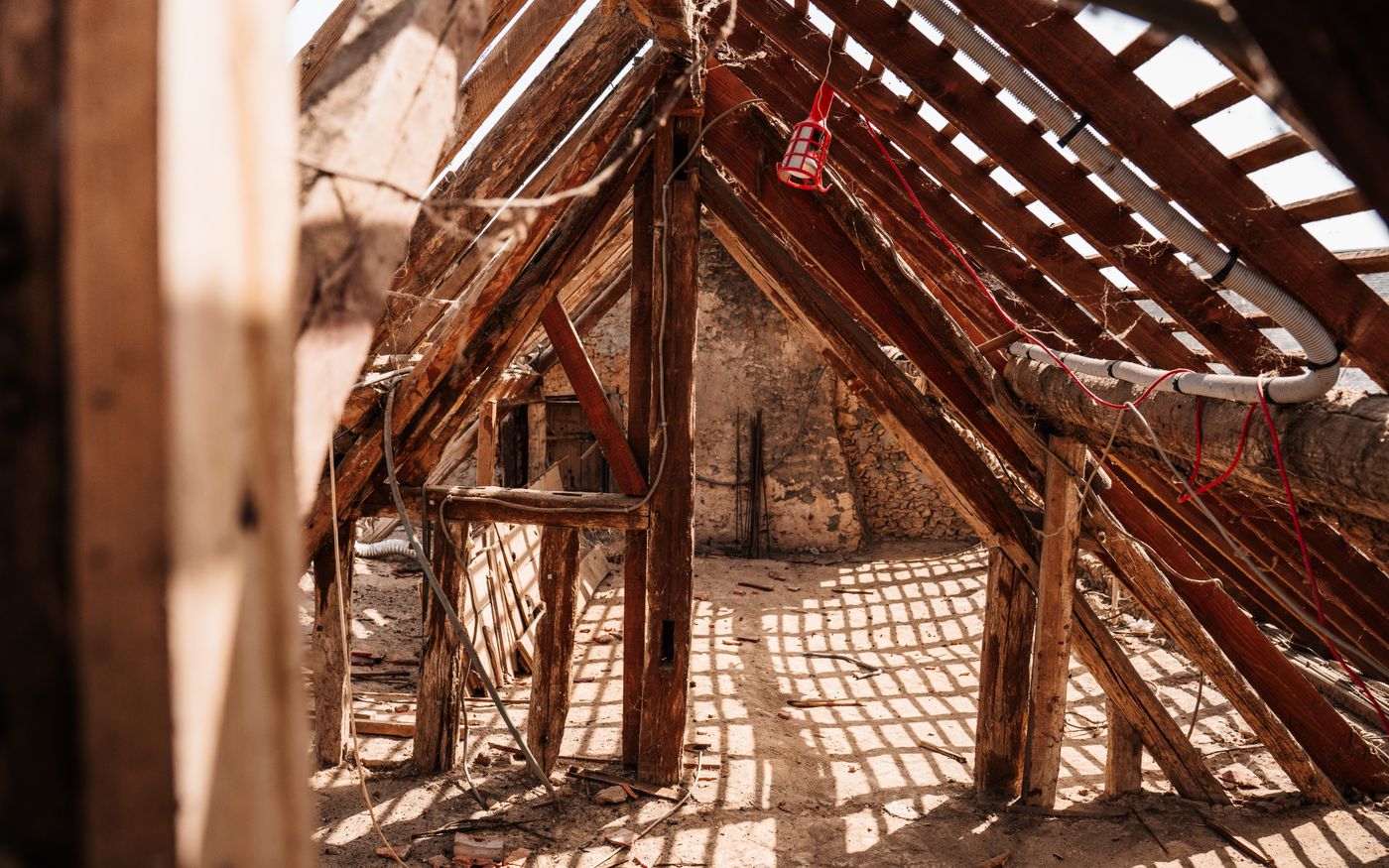
If you can see the tops of the ceiling joists in the attic, there is not enough insulation for this climate.

An air conditioner fighting heat from above runs longer and costs more every month.

Condensation under the deck means warm, wet air is reaching it. Air sealing and airflow fix that.
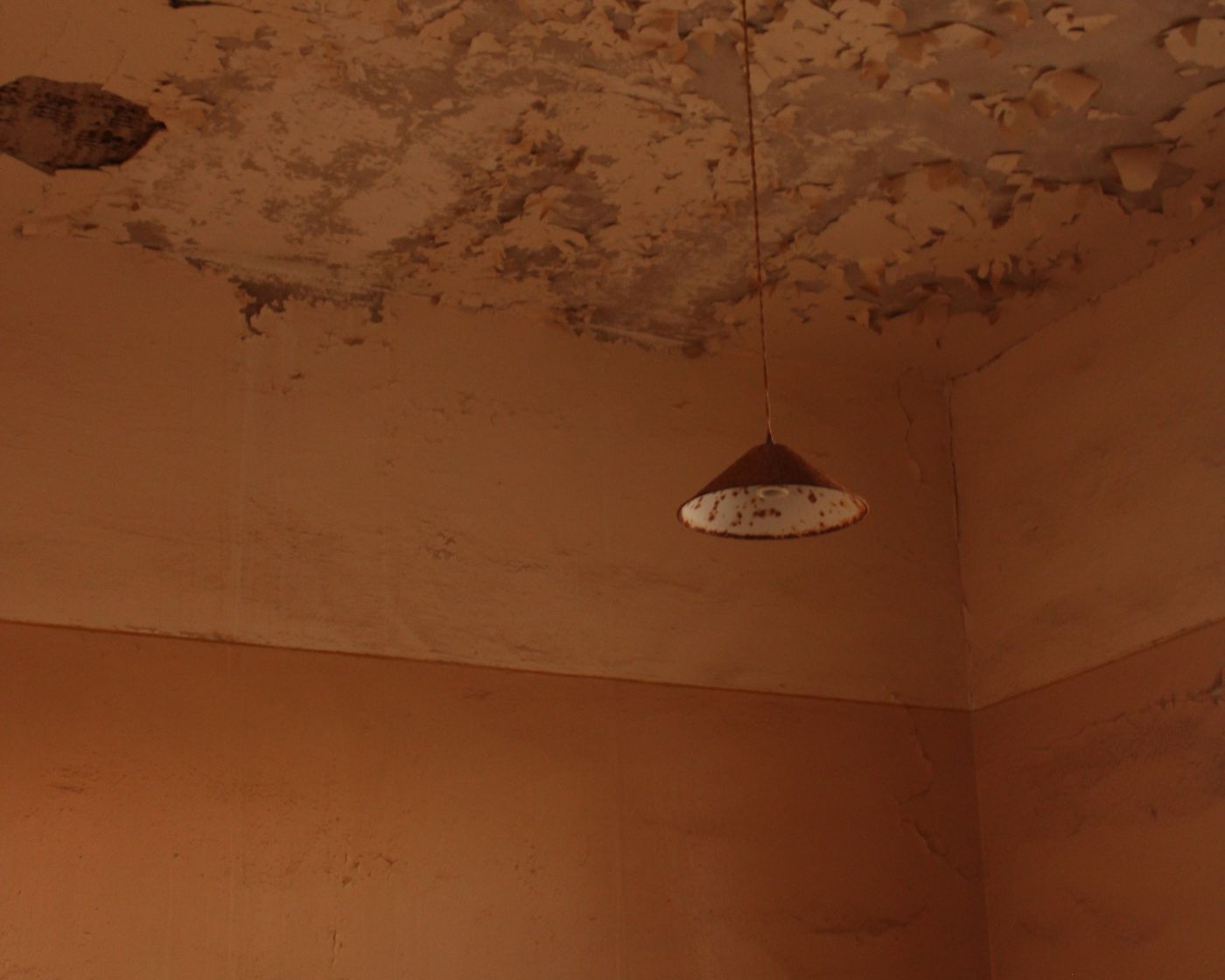
Stains that appear in humid weather rather than in rain often point to condensation in the attic.

A hot, still attic bakes both the insulation and the shingles above it.
Recognize a few of these? A free attic check measures what you have.
Book a free inspectionEight steps. The airflow and the air leaks come before the insulation, because both decide whether it works.
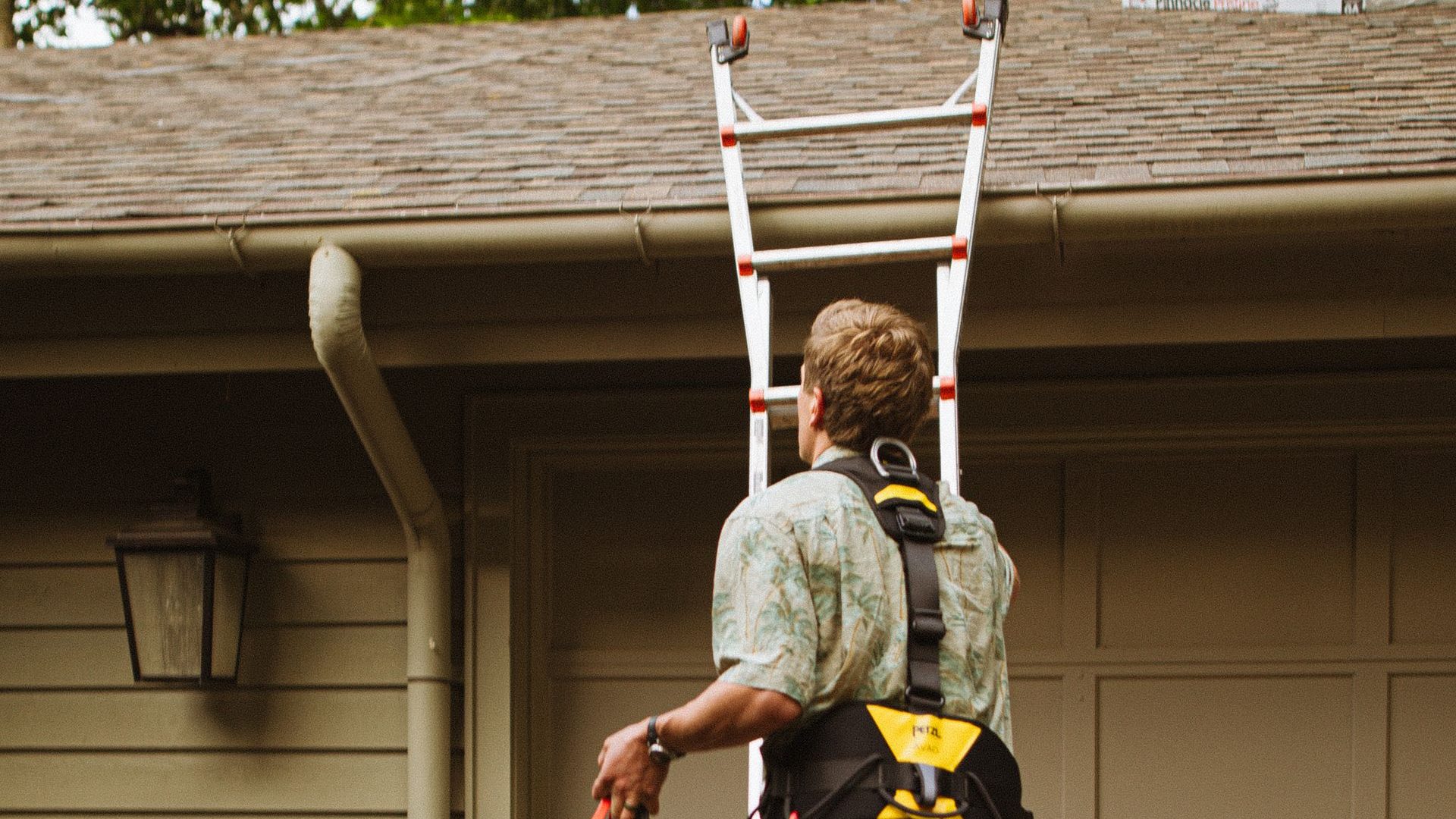
Access, existing insulation, damp, and anything living up there.
Photographed.
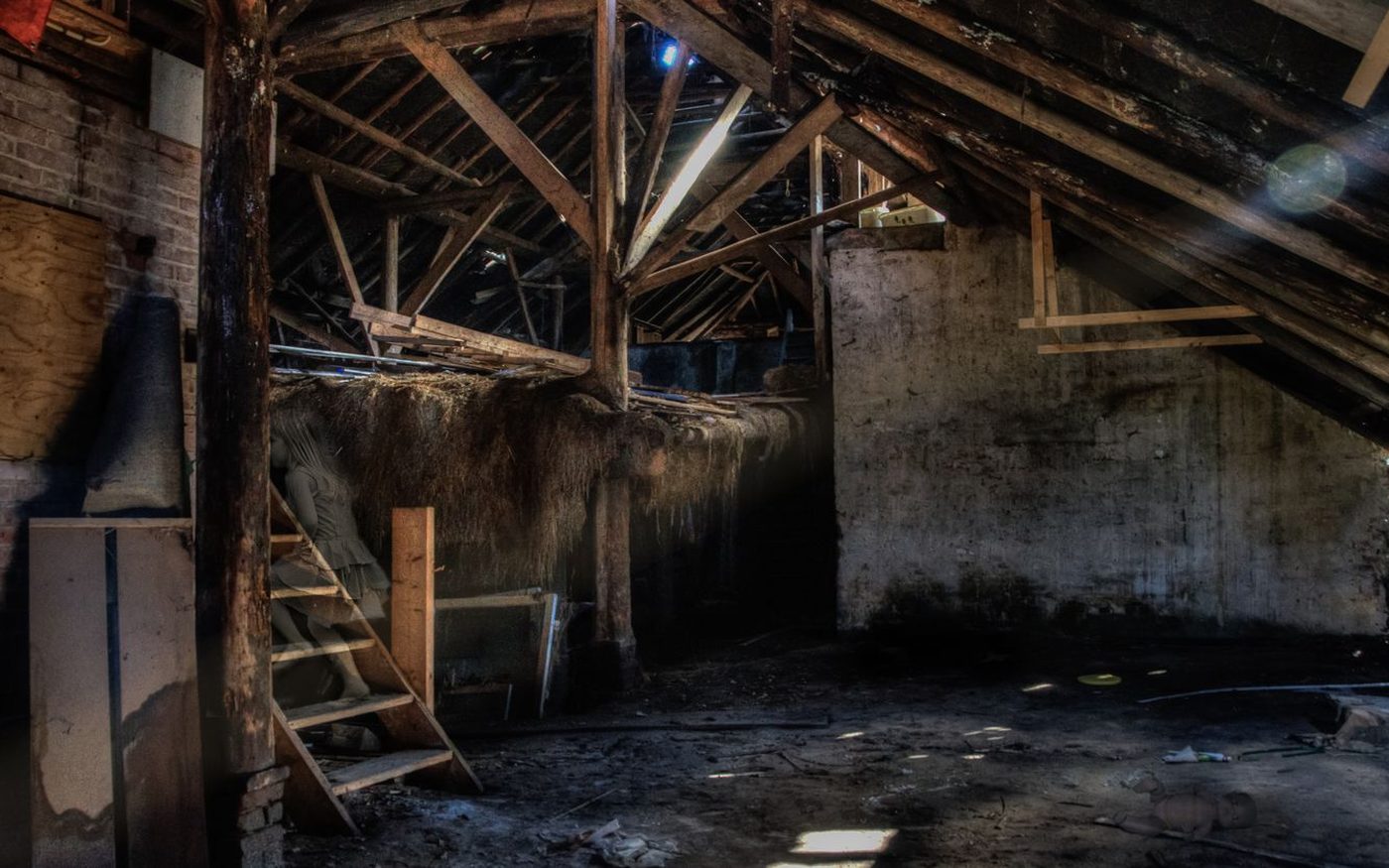
What is there now, how deep, and how evenly it is spread.
Gaps mapped.

Soffit intake and ridge exhaust checked, because insulation must not block them.
Airflow first.

The type, the depth, the air sealing and any old insulation to remove, all priced.
Agreed before work.
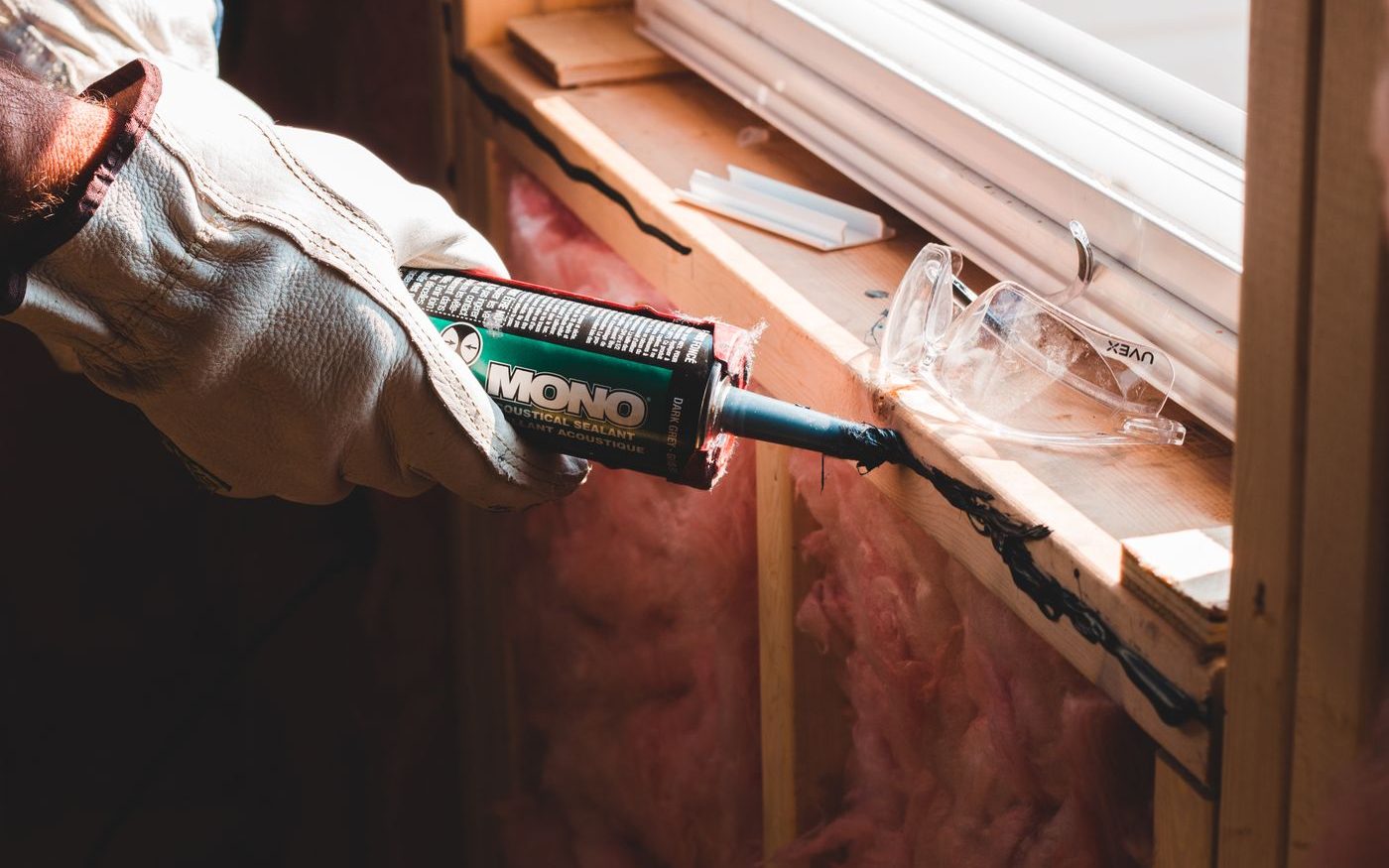
Gaps around lights, pipes and the attic hatch sealed before insulation covers them.
Stops damp air rising.
Baffles fitted in each rafter bay so the soffit vents stay open.
Air keeps moving.
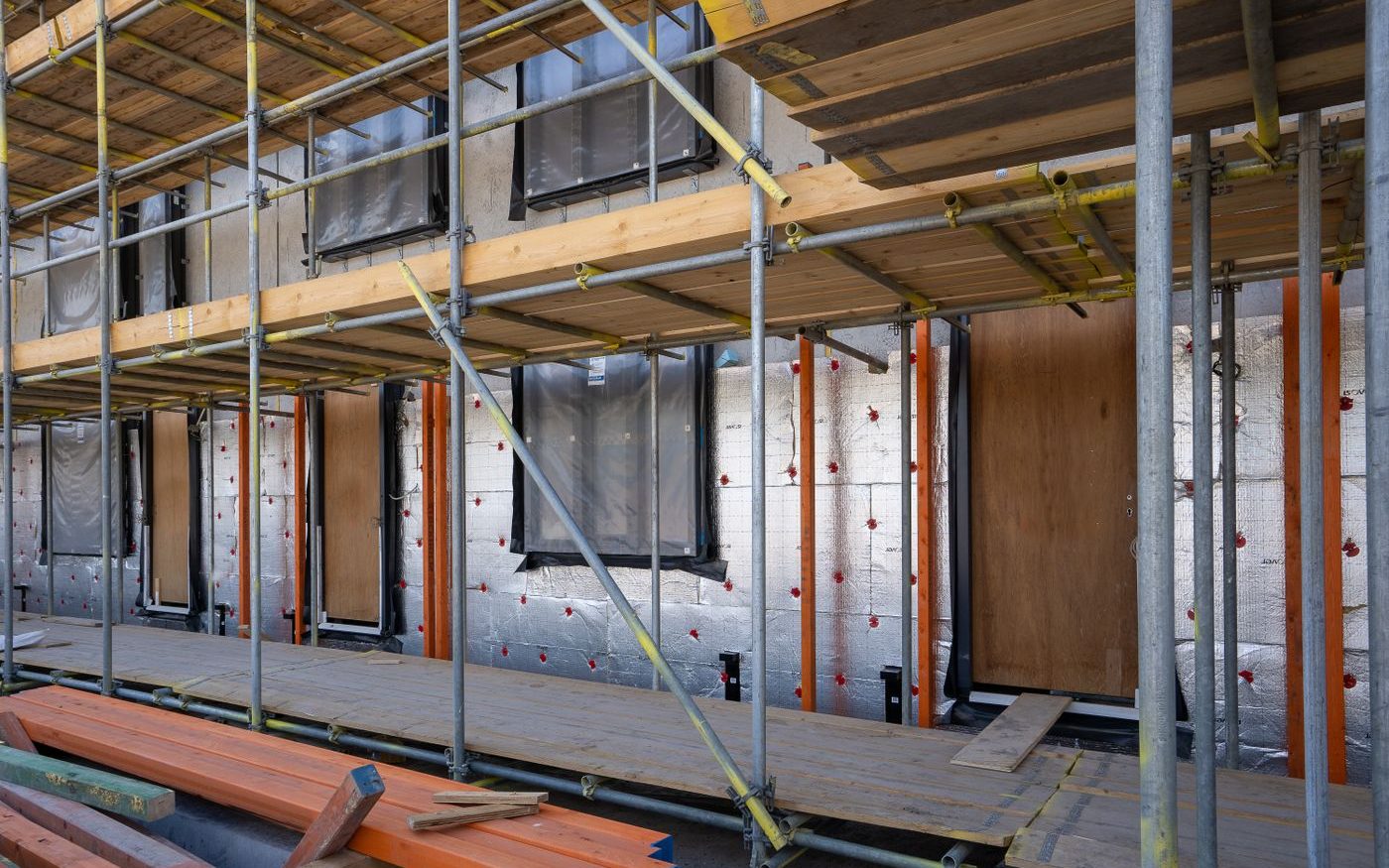
Batts, blown-in or board, to the agreed depth and spread evenly.
Depth marked and checked.
The attic walked again, vents confirmed open, and photos taken for your records.
Before and after.
The attic check and the written plan are free, with no obligation.
Book a free inspectionEach suits a different attic. The right one depends on access, budget and what is already up there.
Fiberglass or mineral wool laid between joists. Simple and affordable where the attic is easy to move around in.
Loose fill blown across the attic floor. Fills awkward corners and tops up old insulation well.
Sprayed onto the underside of the deck to seal and insulate at once. It changes how the attic must be ventilated, so it is planned carefully.
A reflective layer under the roof that turns back radiant heat. Useful in this climate alongside insulation, not instead of it.
Insulation that blocks the soffit vents makes the attic hotter and wetter. Depth and airflow are planned together.
Insulation is priced by area and depth, then by what the attic needs first.
The floor area to be covered, measured on the visit.
Batts, blown-in, foam or barrier, to the depth agreed.
Tight, low attics take longer to work in.
Sealing leaks and fitting baffles are priced on their own lines.
Wet, moldy or pest-damaged insulation is removed before new goes in.
The written plan shows the depth, the type and every line of prep. Prefer a written answer first? Contact us through the contact page.
Free, measured, and planned with the airflow in mind.
Insulation quotes usually compare depth and price. The rows that matter more are below.
Quote A is imagined for illustration from shortcuts in cheap insulation bids. It is not a real quote, and it names no one.
Planning a new roof as well? Insulating while the roof is open can be easier. Ask us to price both.
Talk to a roofer504-229-3955Energy guidance for this climate generally calls for a deep, even layer across the attic floor. We measure what you have and recommend the depth for your house.
Yes. It slows heat coming down from a hot attic, so the rooms below stay cooler and the air conditioning runs less.
It can, if it blocks the soffit vents or covers air leaks. That is why ventilation and air sealing come first.
Only if it is wet, moldy or damaged by pests. Dry, clean insulation can usually stay and be topped up.
A reflective sheet under the roof that turns back radiant heat. It works alongside insulation rather than replacing it.
Sometimes, but it changes how the attic has to be ventilated and can make roof leaks harder to find. It needs planning, not just installing.
Name and phone are enough. We call back the same business day.