Materials Explained Plainly
Shingle, metal, tile or membrane, with the trade-offs laid out before you choose.

New builds, additions and complete new systems. Materials explained plainly, a written estimate, and a crew that turns up when it said it would.
A new roof installation is decided long before the first shingle goes on: by the material you choose and by how well the deck, underlayment and edges are built under it.
Big Easy Roofing Company installs roofs on new homes, additions and houses changing to a new system across New Orleans. We explain the material options in plain terms, write the estimate line by line, and install each system the way its maker specifies, so the warranty holds.
Replacing a worn roof on an existing house? The roof replacement page covers the tear-off side of the job.
Shingle, metal, tile or membrane, with the trade-offs laid out before you choose.
Every material and labor line on paper before the job is booked.
Scheduled around your build, and in touch when the weather moves the date.
A roof installation is not always a replacement. These are the jobs that call for a new system from the deck up.
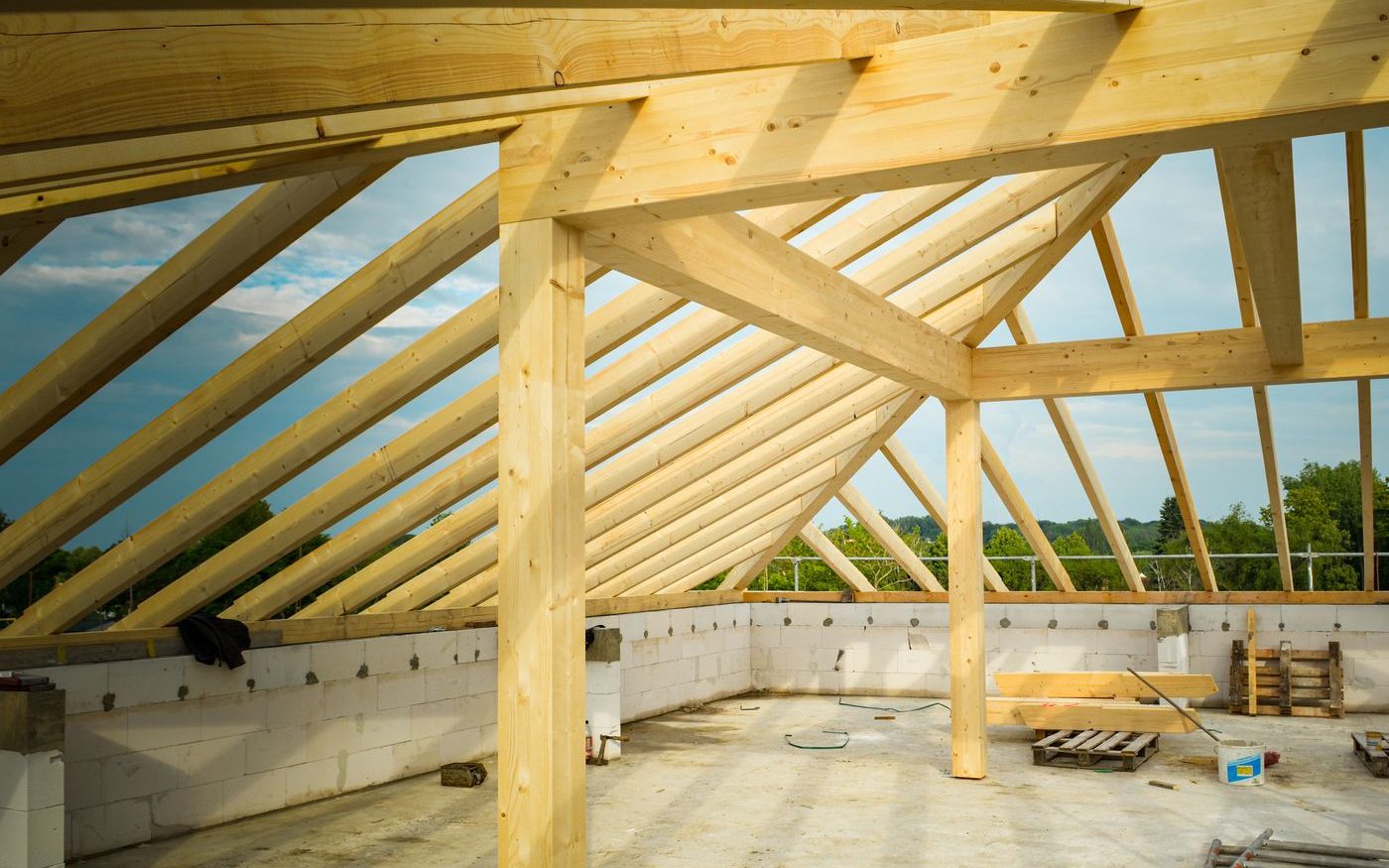
The framing is up and the house needs drying in. The roof goes on before the trades inside can start.
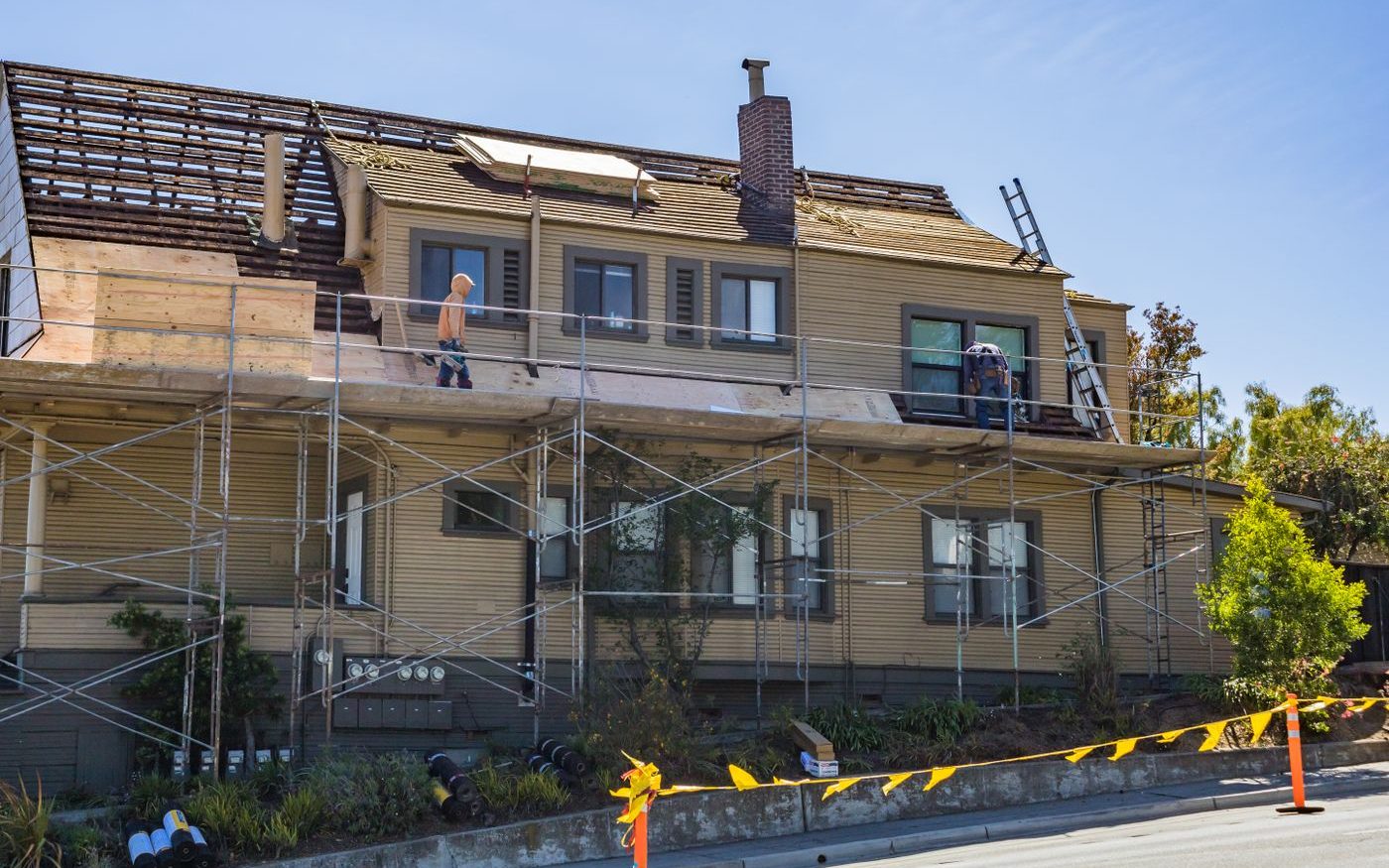
The new roof has to tie into the old one without a seam that leaks, which is mostly flashing and planning.
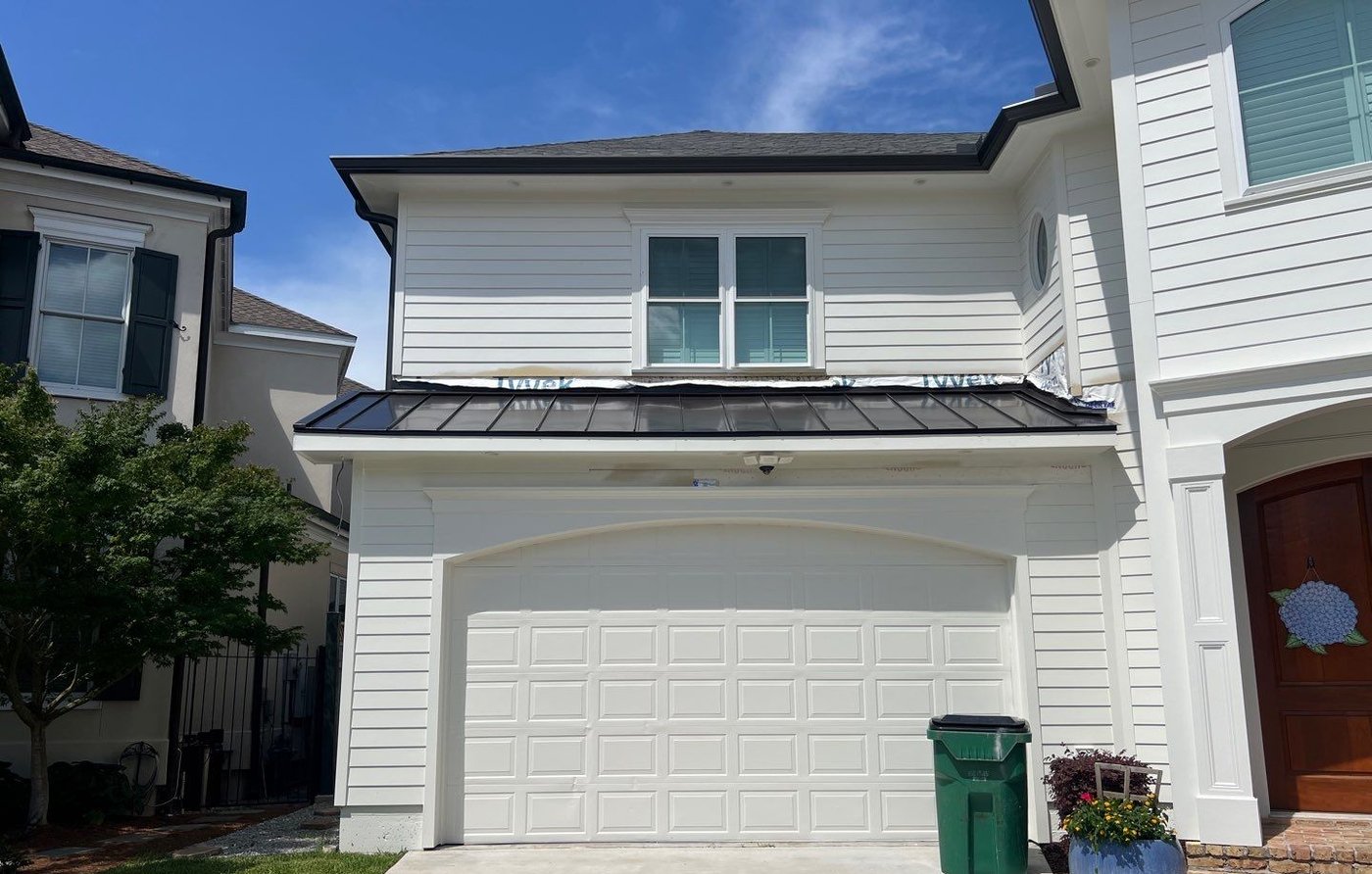
Low slopes need a membrane or metal, not shingle. It is a separate system with its own details.
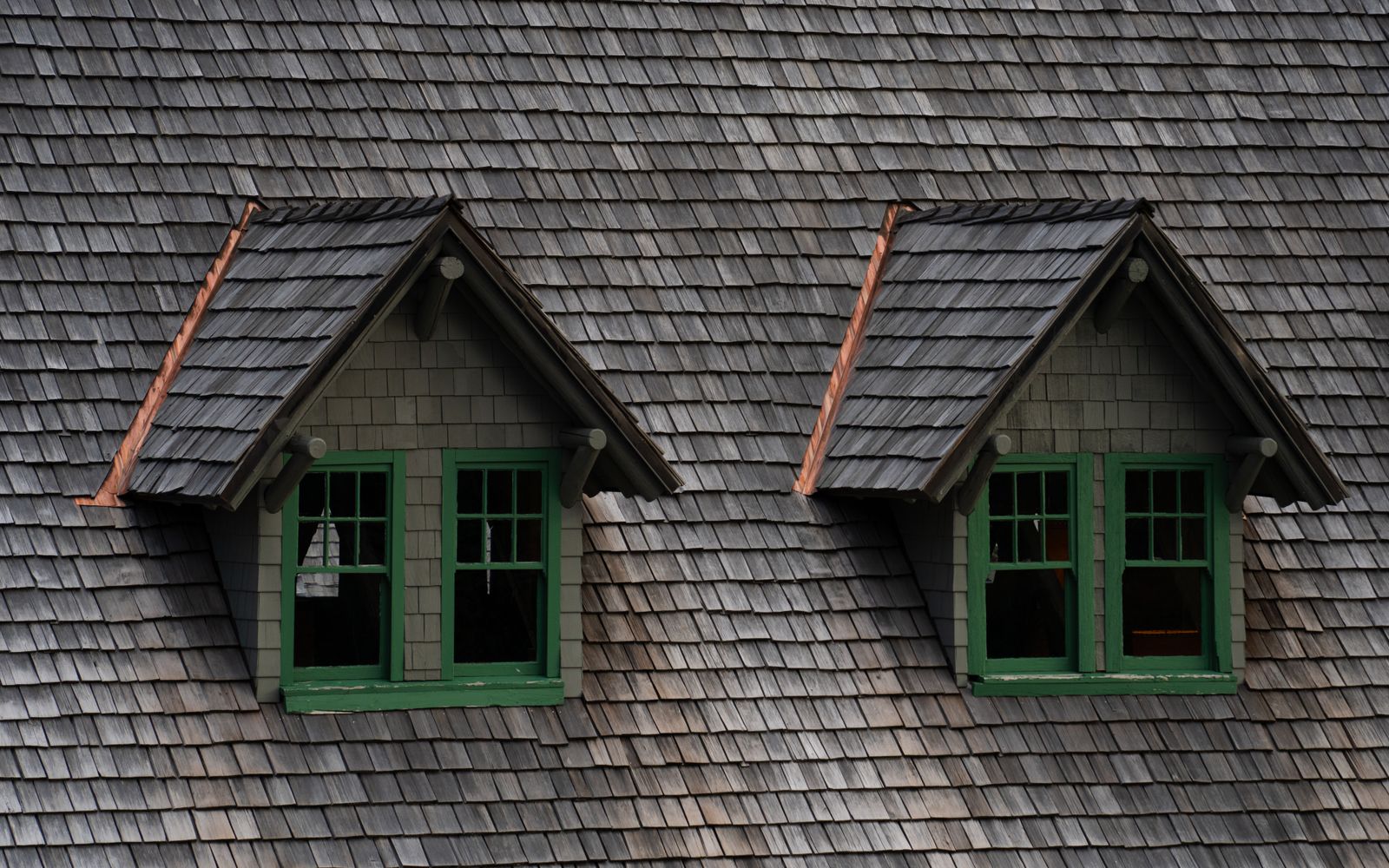
Moving from shingle to metal, or from old shake to anything, is a new installation, and the deck is checked for it.
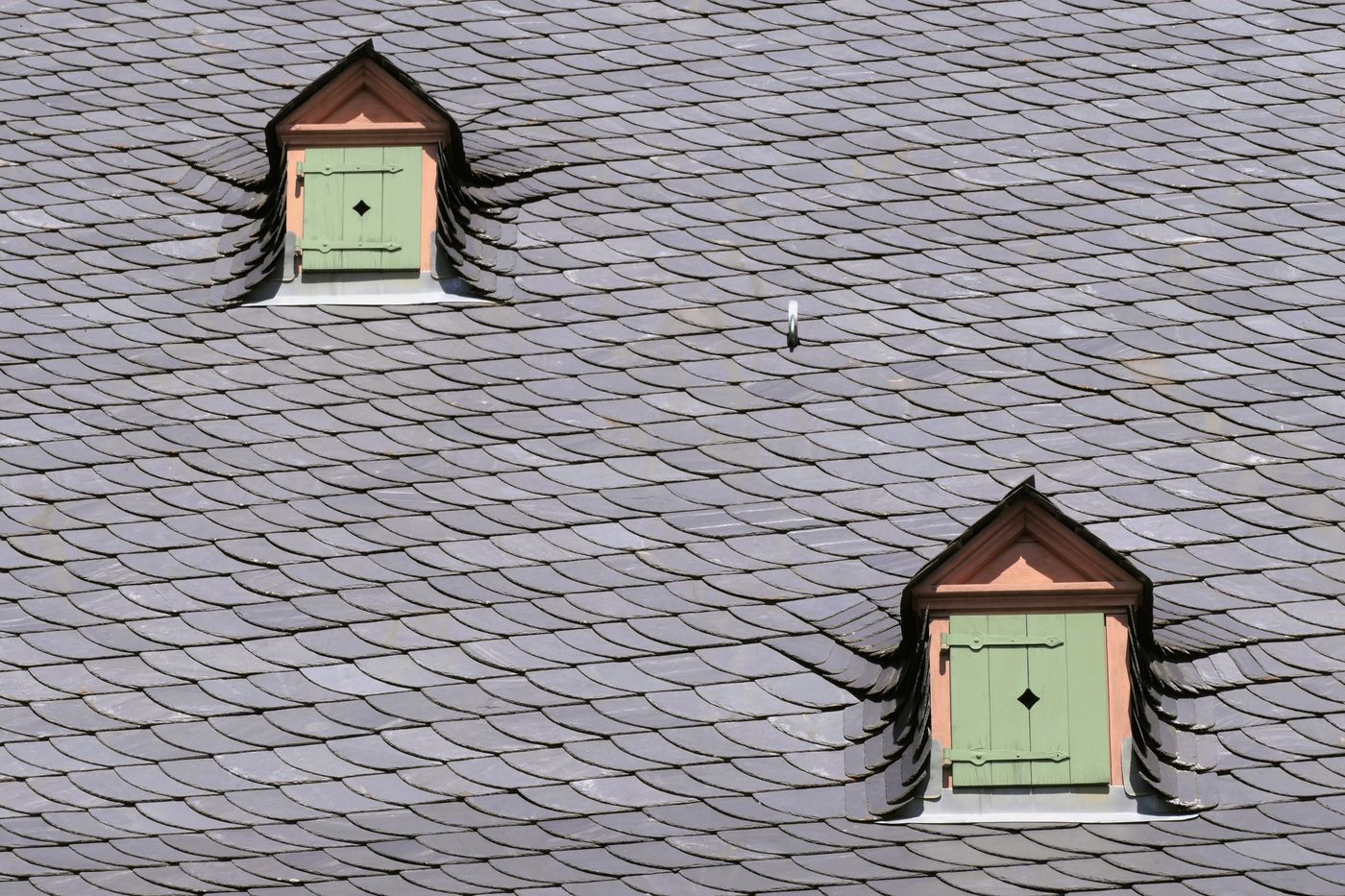
Slate and tile on an older house need the right weight, fixings and flashing to match what was there.
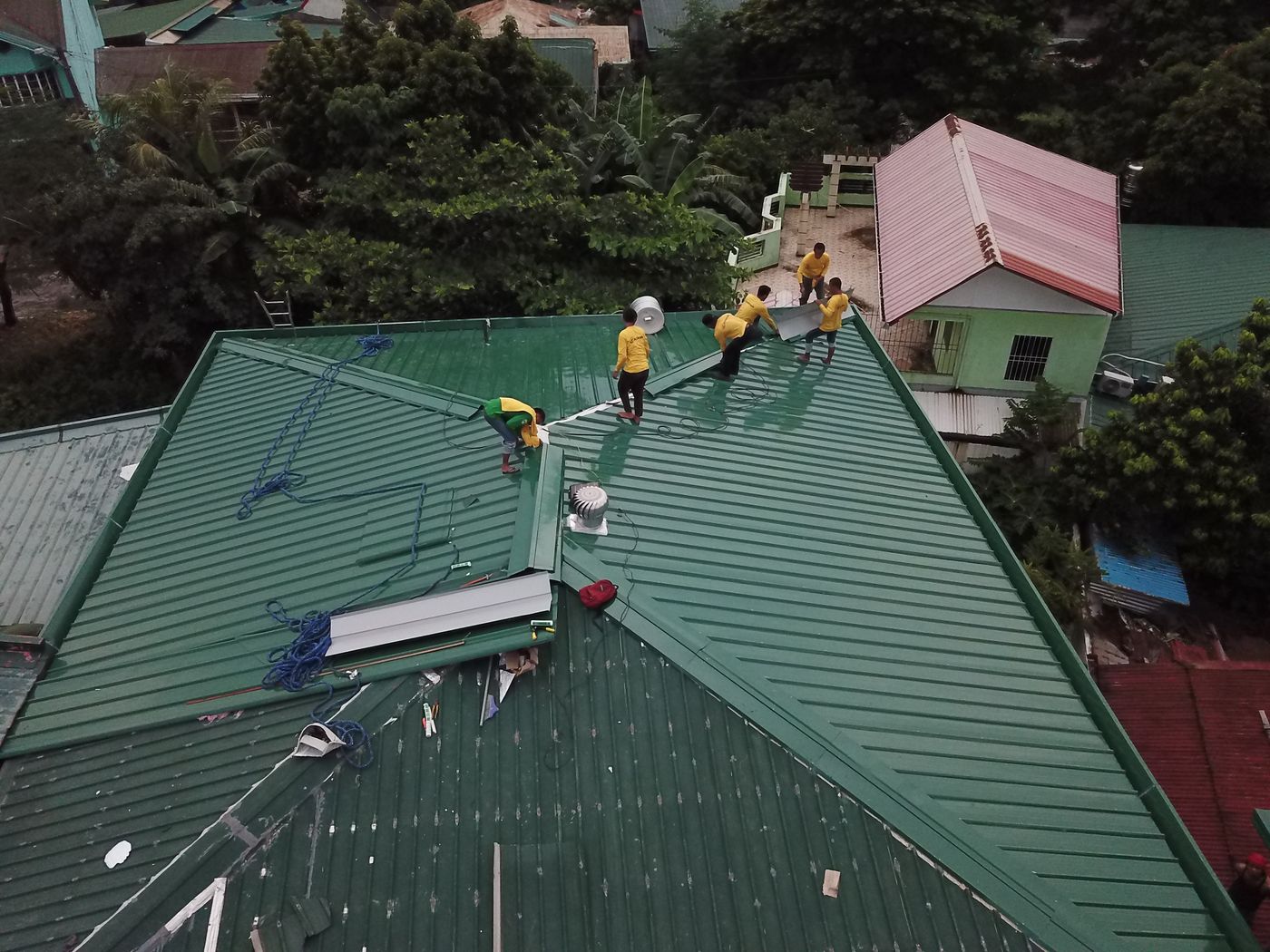
Metal and high wind-rated shingle systems, for owners planning around hurricane season.
Planning one of these? Talk to us before the framing is finished, while the details are still easy to change.
Request an estimateEight stages from bare deck to finished ridge. On a new build they follow the framing. On an existing house they follow the tear-off.
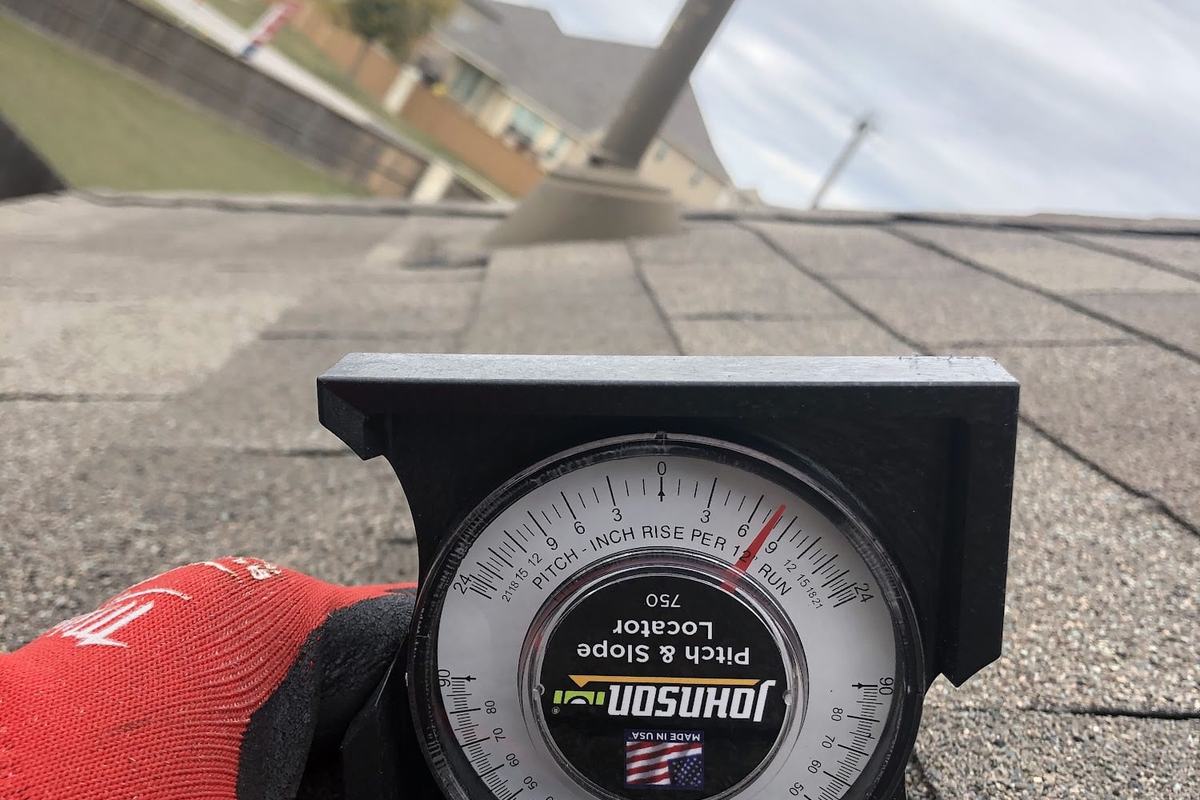
We see the house or the plans, measure every slope, and talk through the options.
Before anything is ordered.

Your choice of system, and every line of material and labor priced.
Agreed before the job is booked.
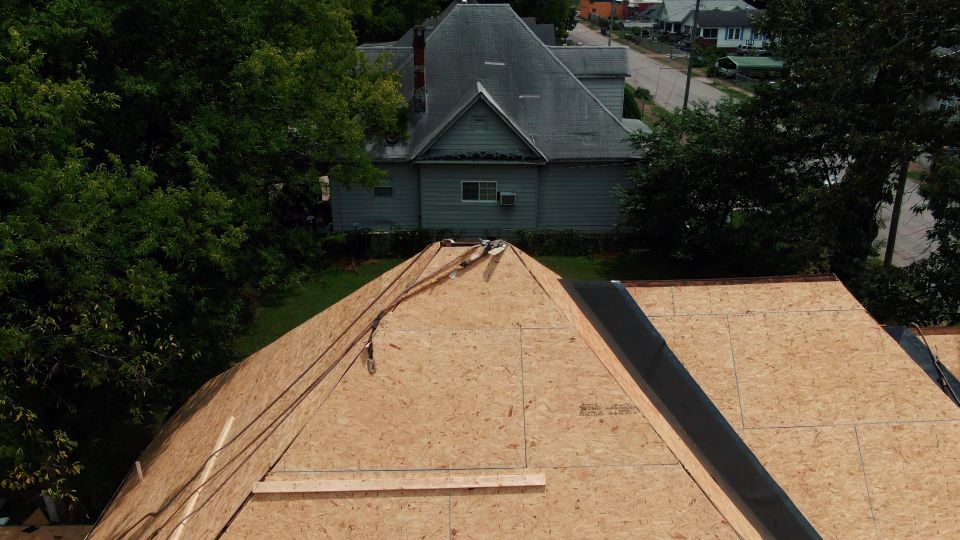
Sheathing checked, or installed flat, fastened and sound, because everything above depends on it.
Soft or uneven sheets are replaced first.
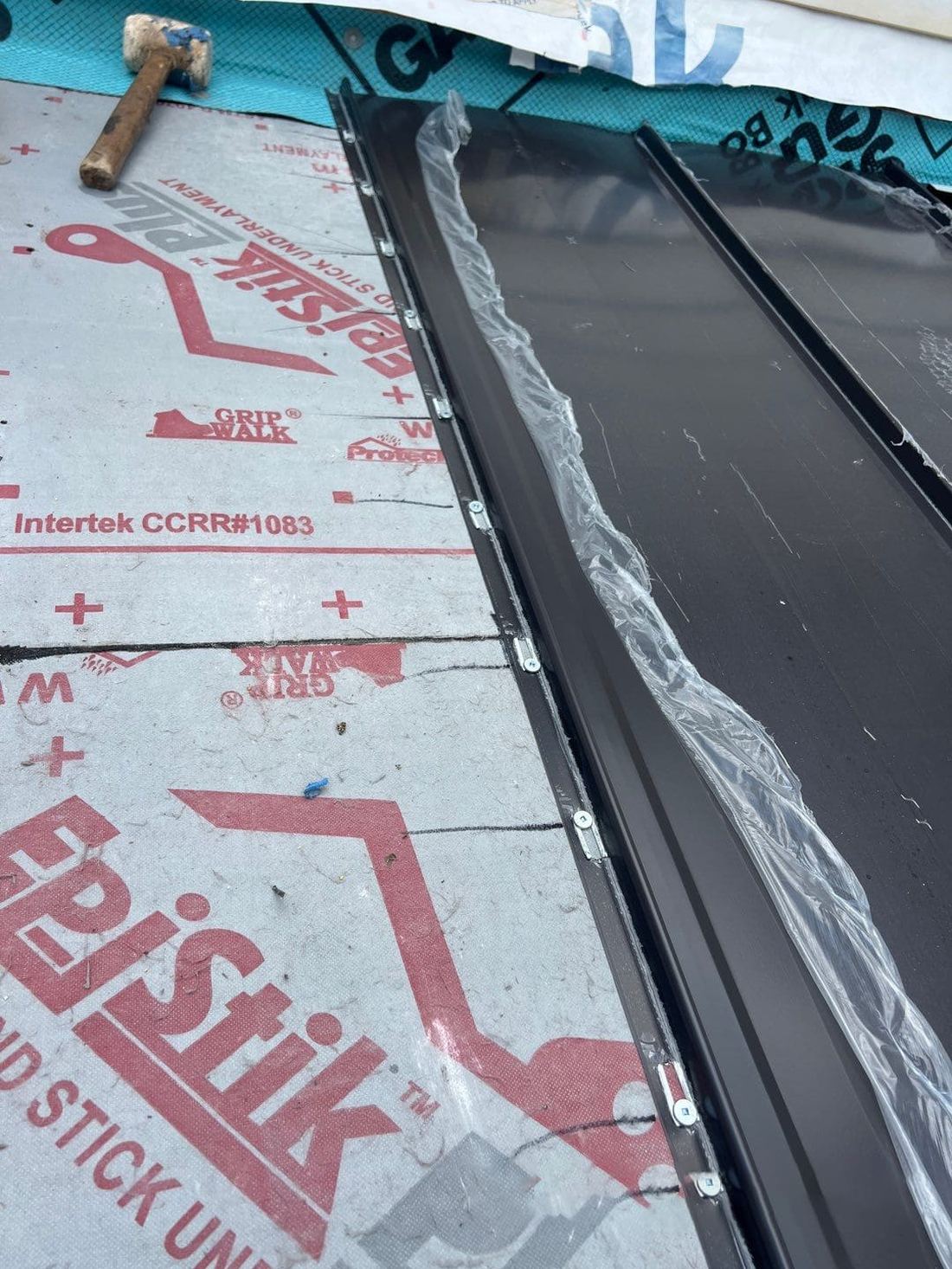
Metal along the eaves and rakes, and self-adhering membrane in the valleys, along the eaves and around every penetration.
Where water tries first.
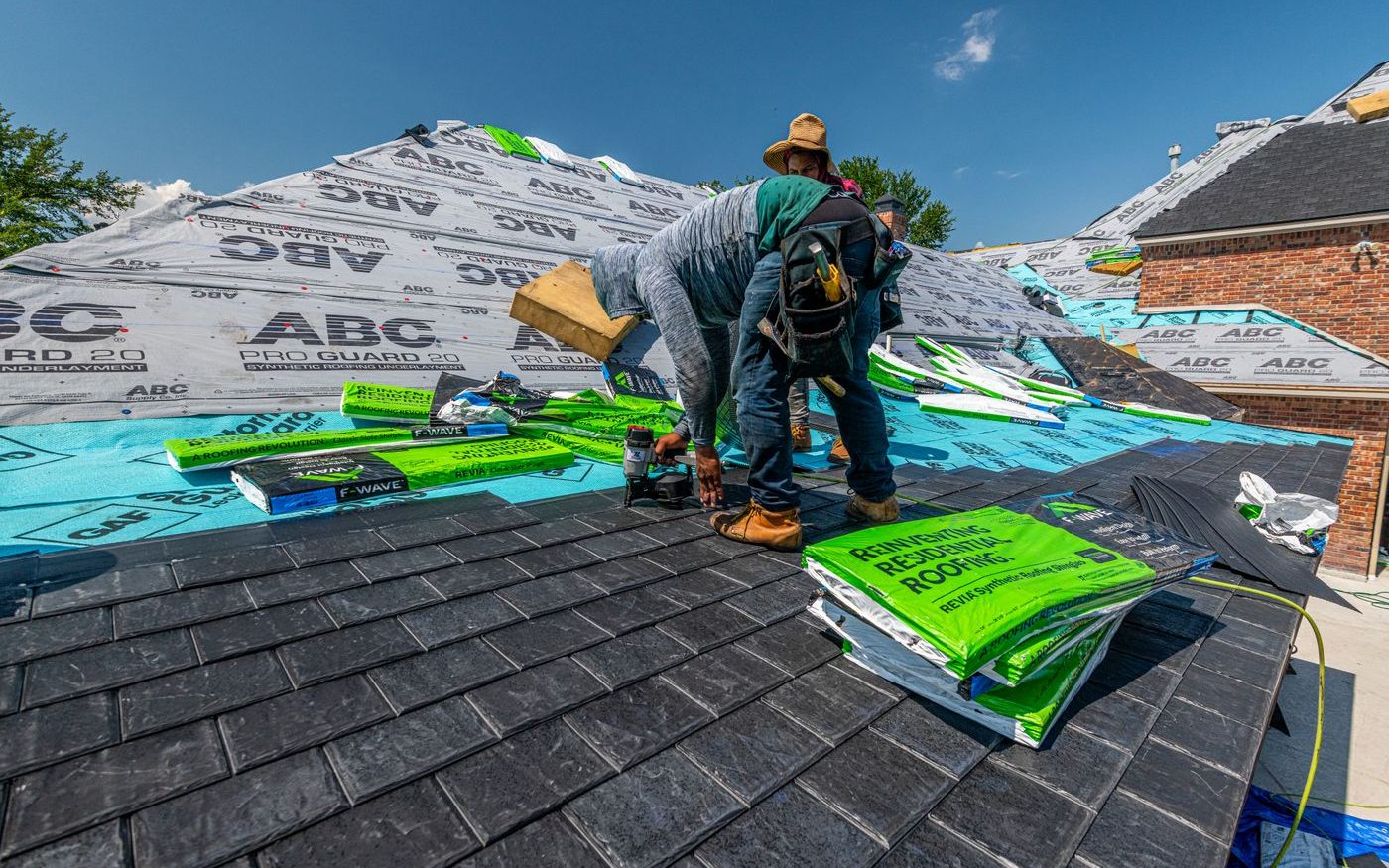
Synthetic underlayment over the remaining deck, lapped so water runs over every seam.
Lapped downhill, never uphill.
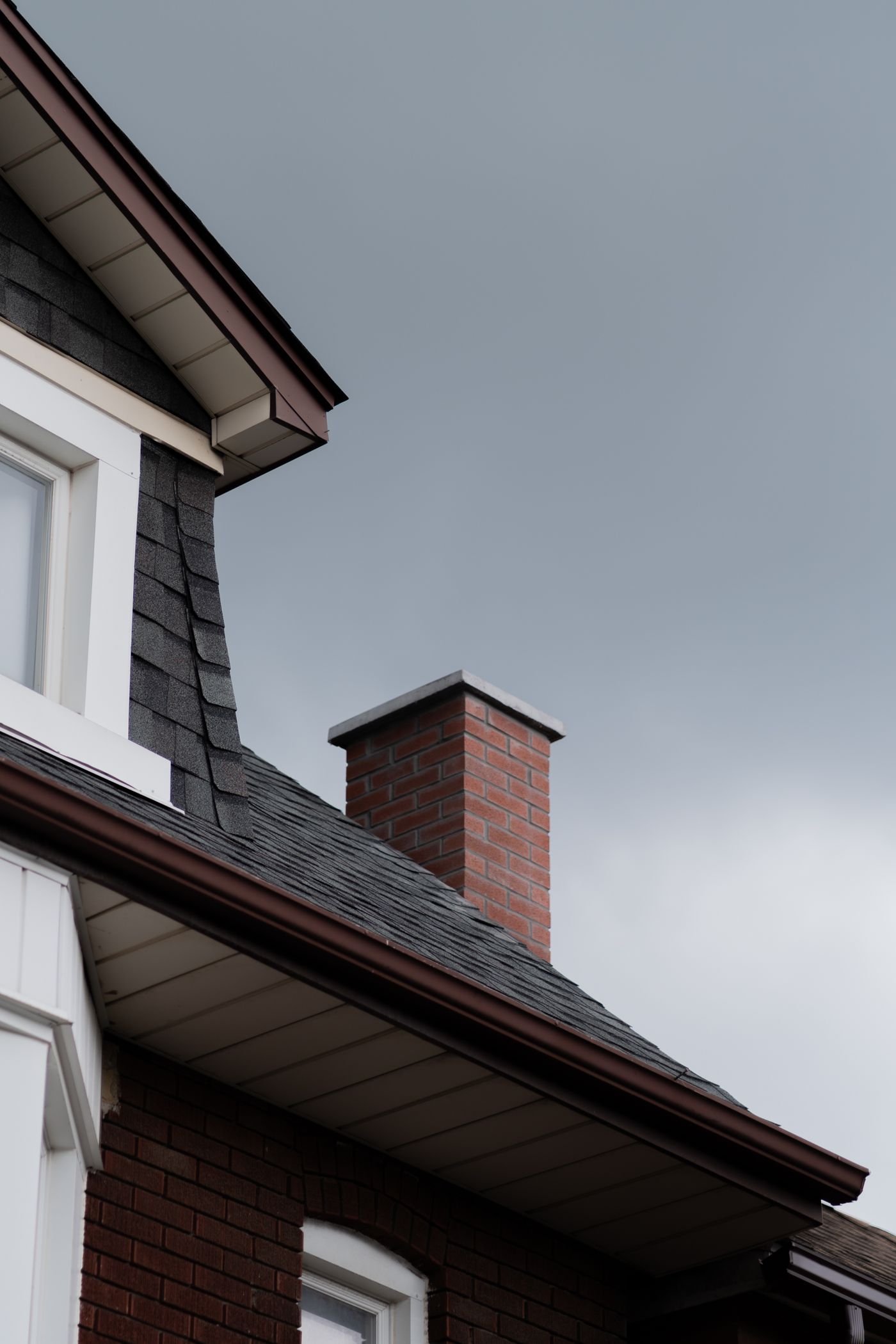
New flashing wherever the roof meets a wall, a chimney or a valley, and ventilation sized to the attic.
Nothing reused.
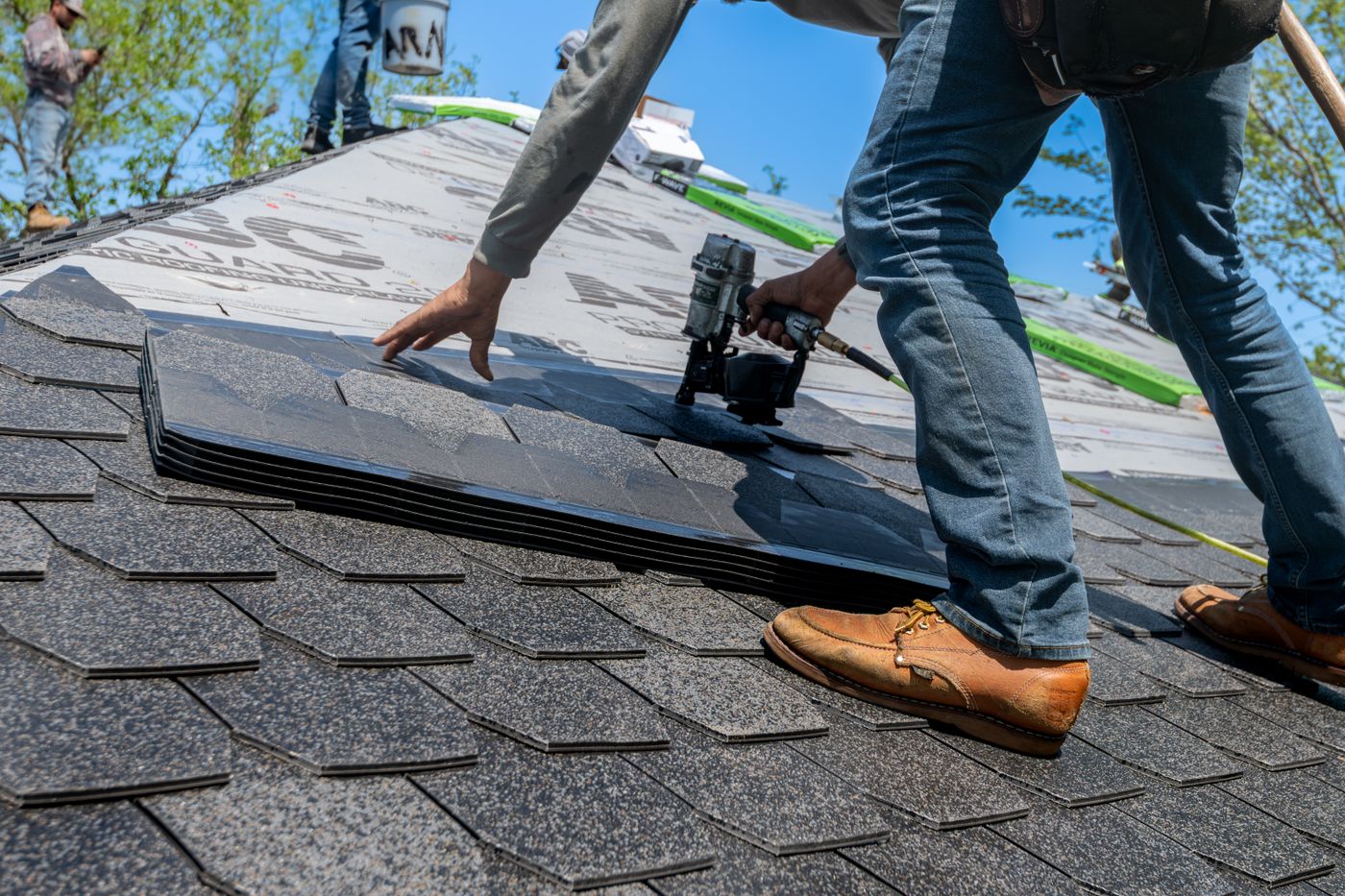
Shingle, metal, slate or tile, nailed or clipped exactly as its maker specifies, which is what keeps the warranty valid.
No shortcuts on the fastening pattern.
Ridge cap on, the site swept for nails, and a walk around the finished roof with you.
Photos of the finished roof included.
The estimate is free and written line by line, with no obligation once you have it.
Request an estimateOn most new builds the real question is which of these fits the design, the budget and the wind load.
The usual choice for new homes here: good wind ratings, plenty of colors, and the one system on this list eligible for GAF’s WindProven wind cover.
Hidden fasteners and long panels that shed rain fast. Higher up front, and rarely replaced again.
Heavy, cool and long-lived, with a look that suits Spanish and Mediterranean styles. The framing has to be designed to carry it.
For porches, carports and flat rear sections where shingle cannot shed water. Fully adhered and detailed at every edge.
Manufacturer warranties require their installation instructions to be followed. Your estimate names the system and the warranty it qualifies for.
A new roof is priced by the square, then adjusted for everything that makes one roof harder than another. These five matter most.
Priced per square, a hundred square feet of roof. Steeper slopes take longer and use more material.
Shingle, metal, tile or membrane: the widest spread on any estimate.
Dormers, valleys, skylights and walls each need flashing and labor.
On an existing house the deck may need sheets replaced. On a new build it goes on fresh.
Higher wind ratings mean more fasteners and specific accessories, and they earn the better warranty.
Every estimate is written line by line, so you can compare it with any other bid. Rather start in writing? Reach us through the contact page.
Free, written, and yours to compare with any other bid.
Two installation estimates can quote the same shingle and describe very different roofs. These rows show the gap.
Quote A is made up from shortcuts that turn up in cheap installation bids. It is not a real quote, and it does not describe any actual roofer.
Still at the plans stage? Call us early, while the roof details are still easy to change.
Talk to a roofer504-229-3955For most houses, architectural shingle rated for high wind. Metal lasts longer and costs more. Tile suits some styles but needs framing that can carry it. We lay out the trade-offs before you choose.
It depends on the size, the material and the weather. Your estimate sets out the schedule, and we tell you if the weather moves it.
Yes, new builds and additions are part of what we install. We schedule around the framing and dry the house in as soon as the deck is ready.
Two parts: the materials are covered by their maker, and the workmanship by us. Qualifying GAF shingle systems can carry the 15-year WindProven wind warranty, and the estimate says whether yours does.
We do not install over an existing layer. The old roof hides the deck, adds weight, and shortens the life of the new one.
Line by line: underlayment, eave protection, flashing, ventilation, and the warranty each estimate qualifies for. The comparison table above shows what to look for.
Name and phone are enough. We call back the same business day.