Traced to the Source
Water runs along rafters and decking before it drips. We follow it back to the opening, so the fix lands where the water really gets in.

The leak traced to where it starts, not patched where it shows. A free inspection, a written price before any work, and the same crew from diagnosis to the finished repair.
Most roof repairs are small. What makes one expensive is fixing the wrong spot, so every repair we make starts by finding the entry point and ends at a price you saw first.
Big Easy Roofing Company repairs shingle, metal, slate and tile roofs across New Orleans. A shingle lifted in last night’s wind, a vent that has started to weep, a stain that grows every time it rains: each one gets a free inspection, photographs, and a written price before anybody opens the roof.
If the inspection shows a roof is past repairing, you hear that too, with the reasons on paper. Some roofs have another good repair in them and some do not, and the roof replacement page explains how we tell the two apart.
Water runs along rafters and decking before it drips. We follow it back to the opening, so the fix lands where the water really gets in.
The repair, the materials and the labor are written down and agreed before a single shingle comes up.
The roofer who finds the problem is on the crew that repairs it. Nobody you have not met turns up on your roof.
Caught early, each of these is a small job. Left through one more summer of storms, most of them turn into a ruined ceiling, a soft deck or both.
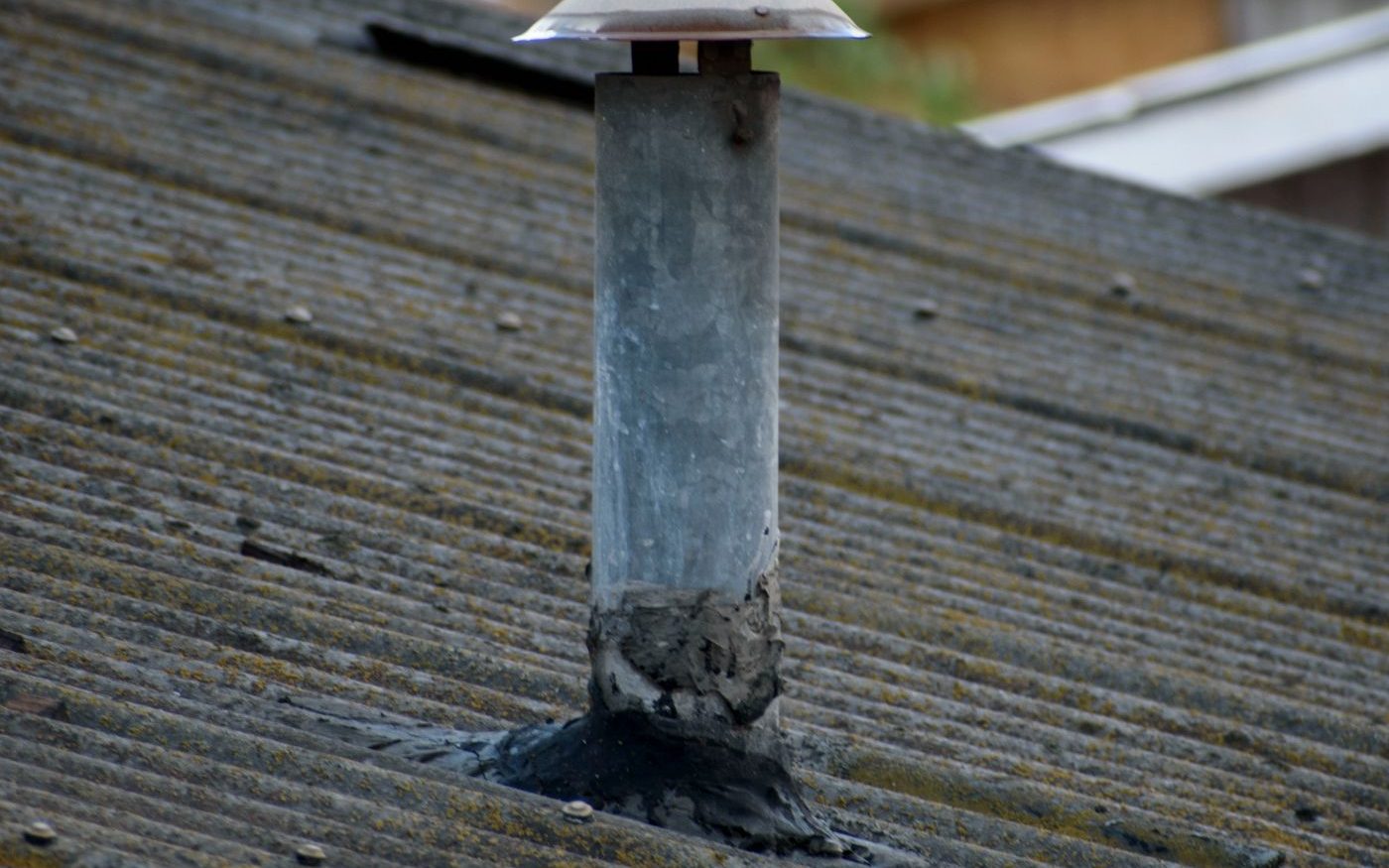
Pipes and vents are sealed where they pass through the roof. Once that seal splits, rain runs straight down the pipe and into the attic.
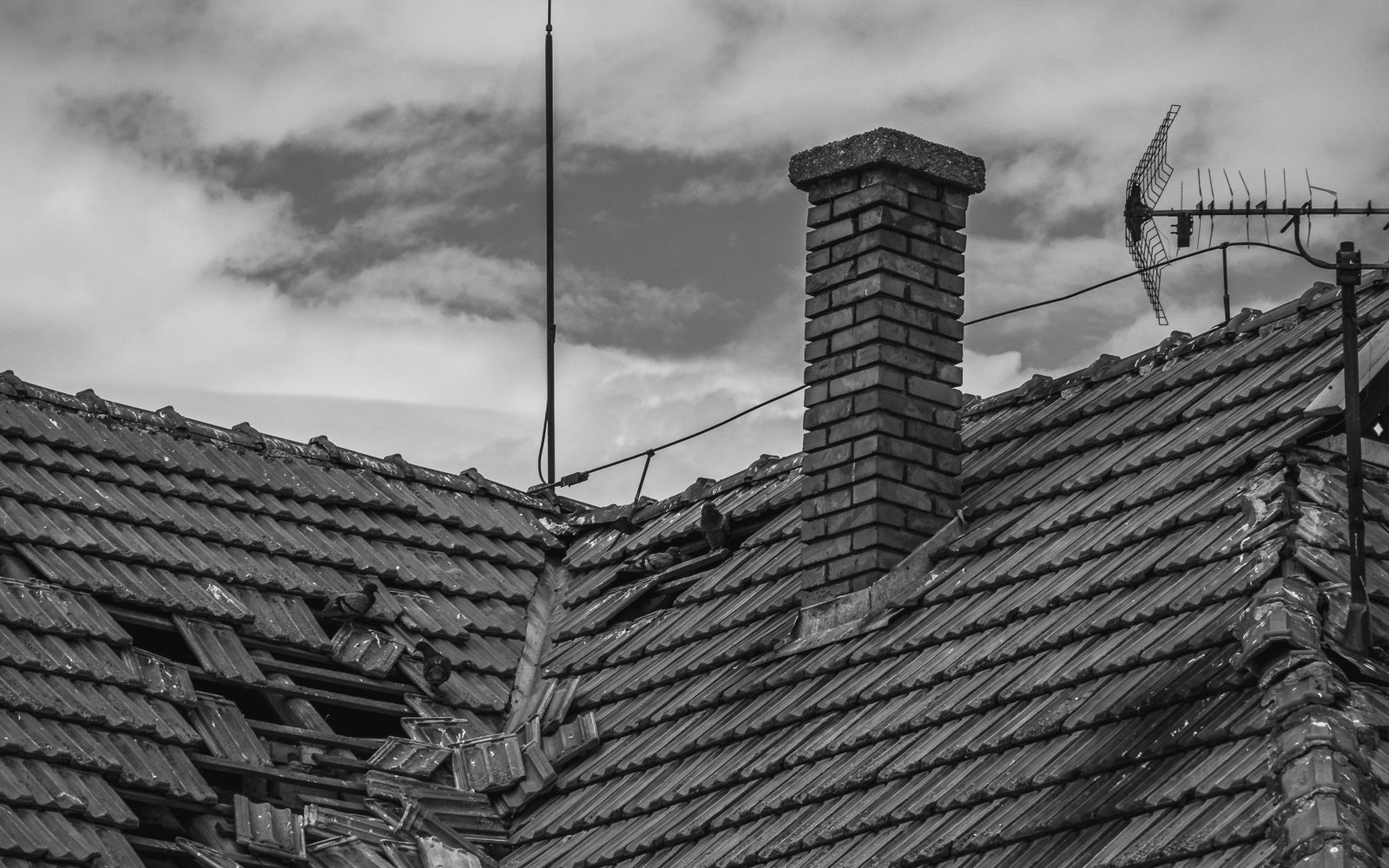
A gap in the pattern after a storm means the layer under it is taking the weather alone. Underlayment is not built to do that for long.
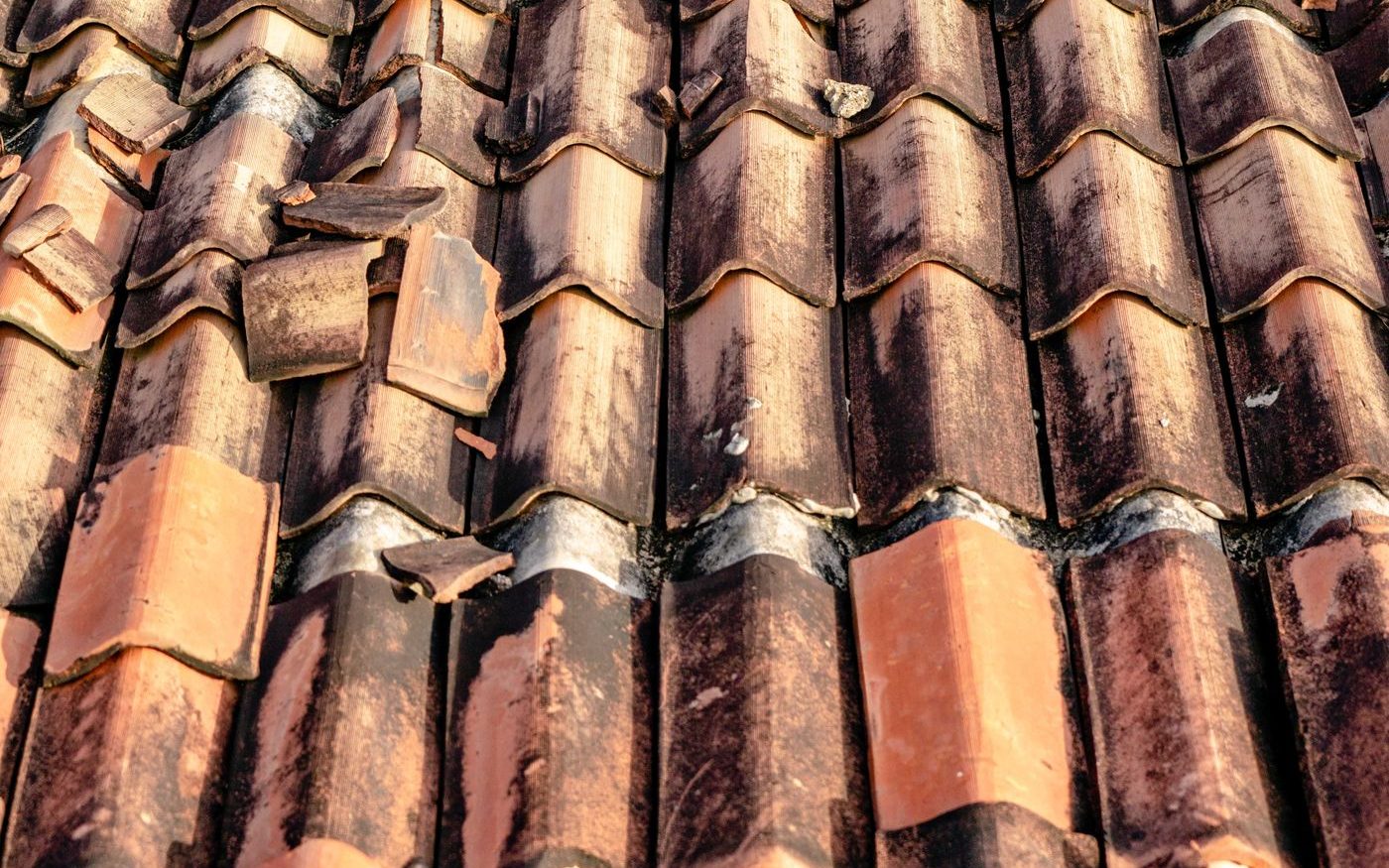
Old clay and slate crack underfoot and shift in high wind. One loose piece lets water run under its neighbors.
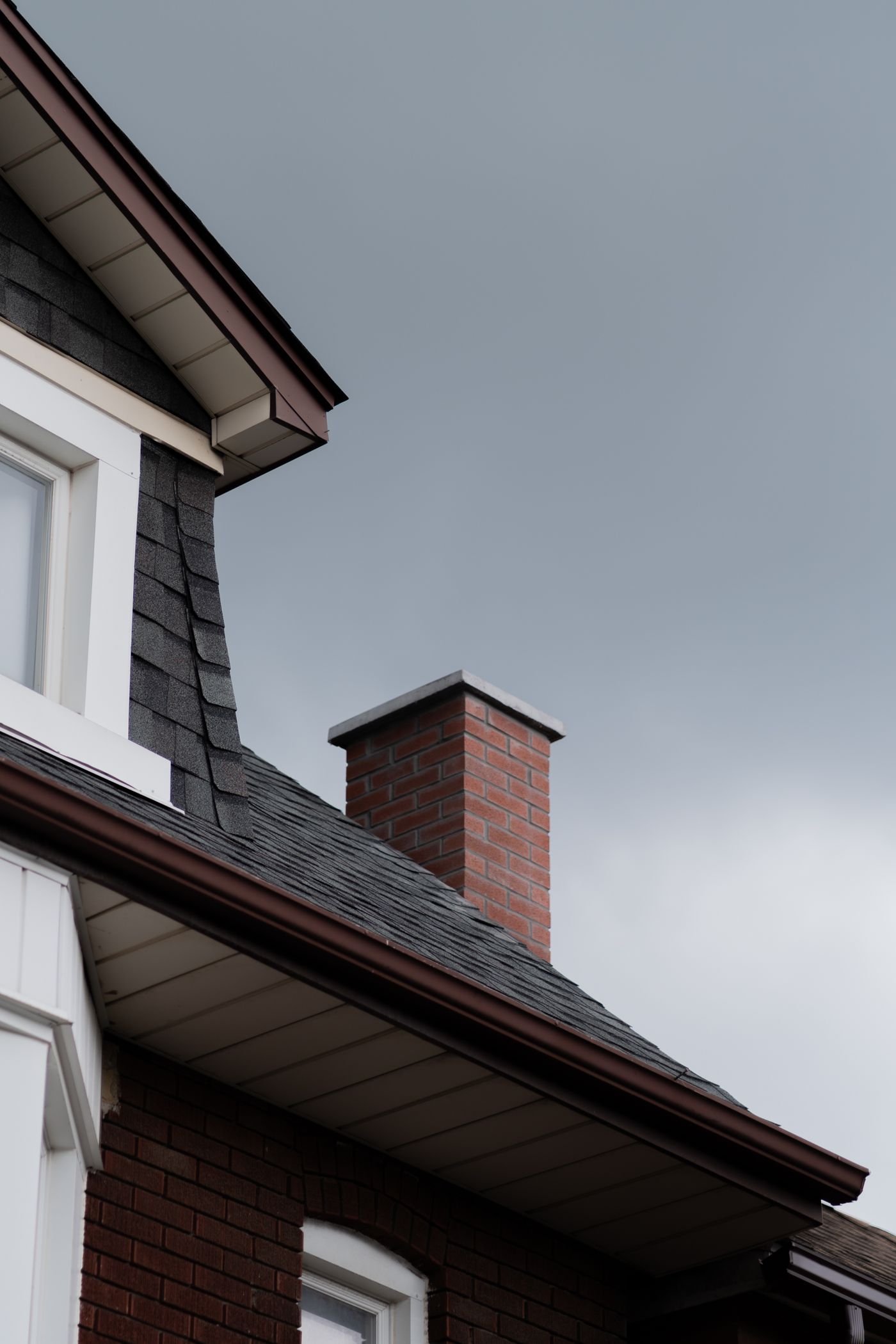
Brick and roof move differently through the seasons. When the metal between them lifts, water shows up on the wall or ceiling beside the chimney.

Roof cement smeared over a problem buys a season. If the same spot has been tarred before, the real fix underneath was never made.
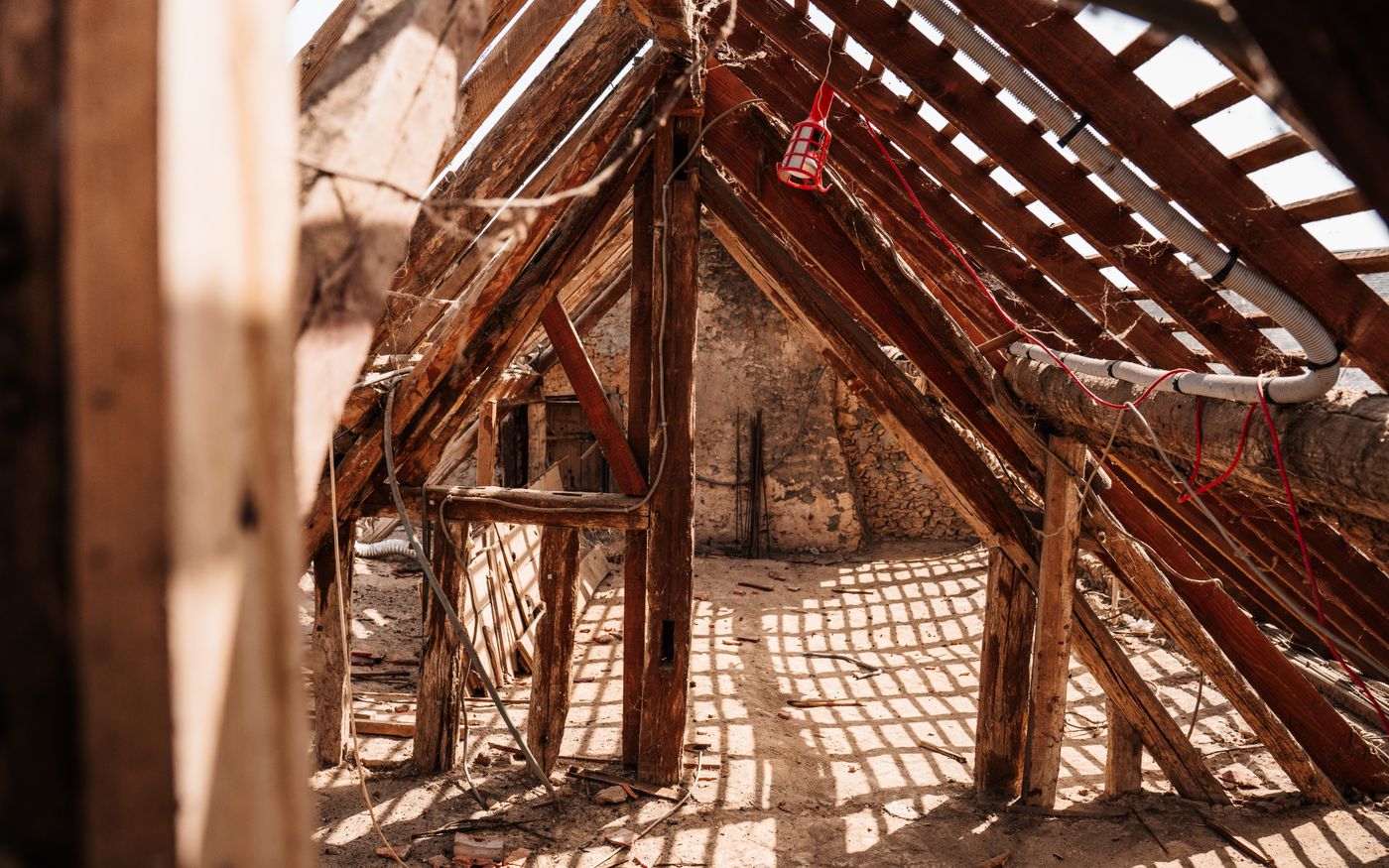
Daylight between the boards, or a musty smell up there after rain, means water has a way in. The sooner it is found, the less wood it reaches.
Seen one of these from the yard or the attic? A free inspection tells you what it is and what it costs to put right.
Book a free inspectionEight steps, the same for a single shingle as for a storm-torn slope. The price is agreed at step four, and nothing is opened before that.
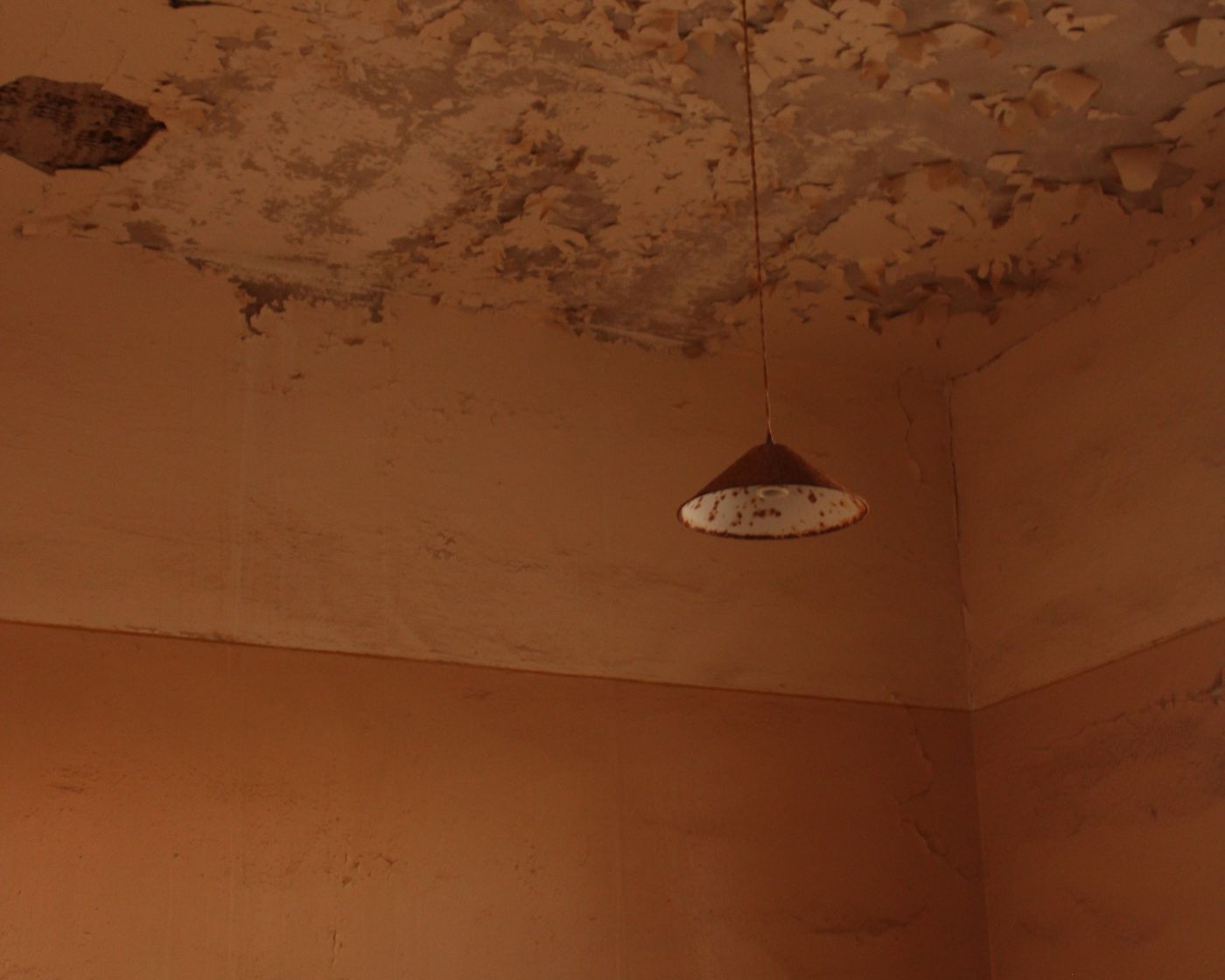
Tell us what you are seeing and where. If water is coming in right now, we tarp first and talk after.
A call back the same business day.
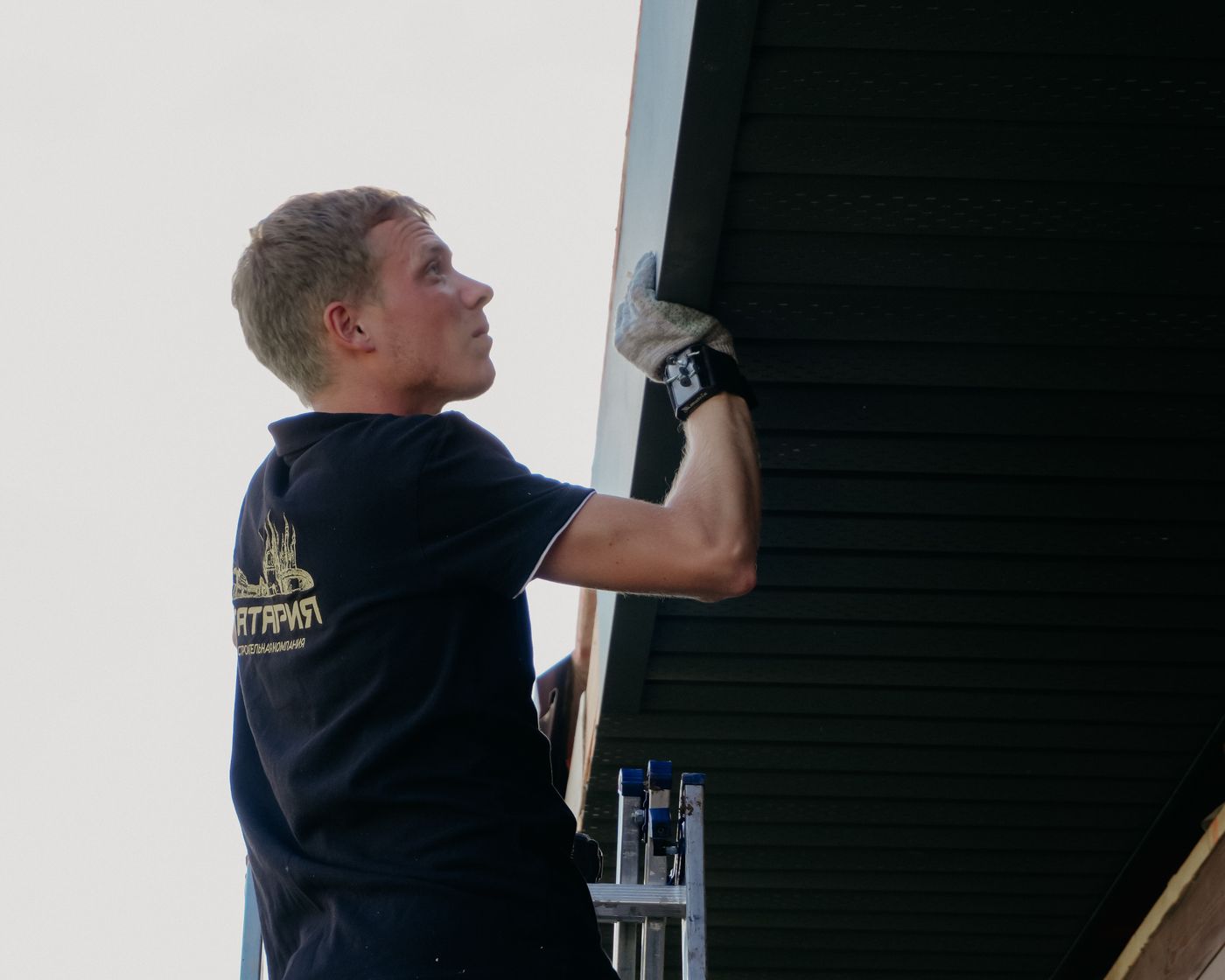
We look at both sides. The stain tells us roughly where to start, and the attic decking shows how far the water has traveled.
The attic is part of every repair inspection.
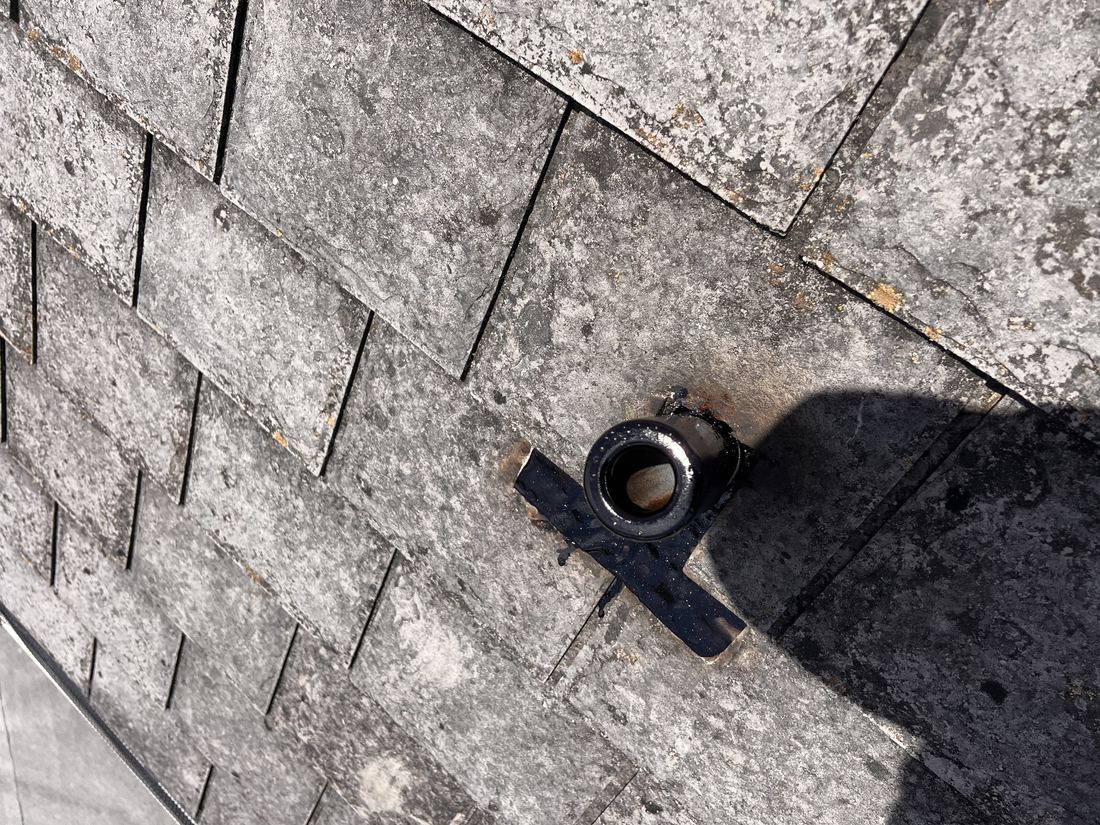
Water rarely drops straight down from the hole. We follow its trail back across the deck to the flashing, fastener or seam where it enters.
The trace is photographed as we go.

What is wrong, what fixes it, the materials and the labor, on one page. You agree to it before anything is removed.
Nothing is opened before this.
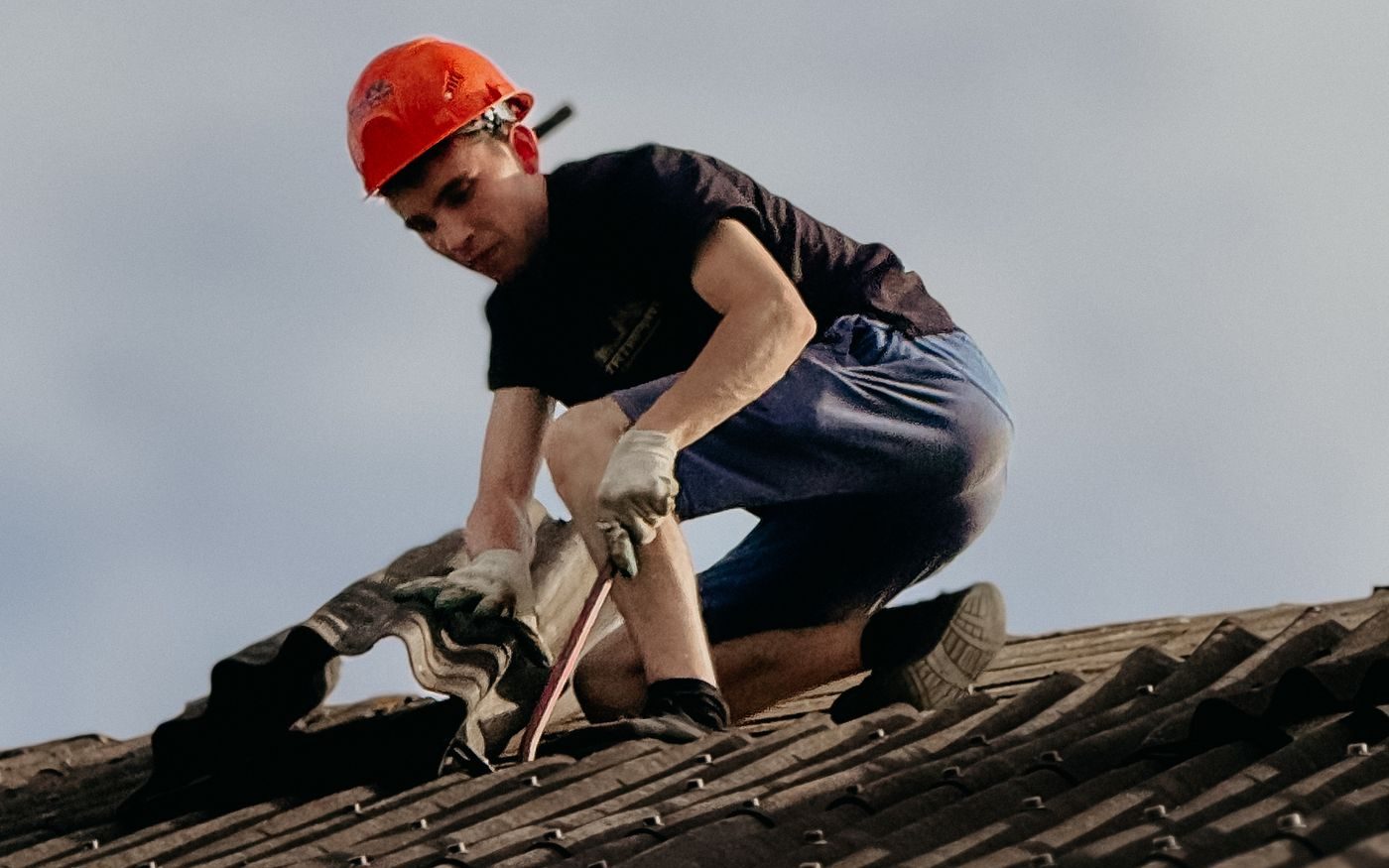
Only as much as the repair needs. Neighboring shingles are lifted with care so they can go back down and still seal.
We open only what we can close that day.
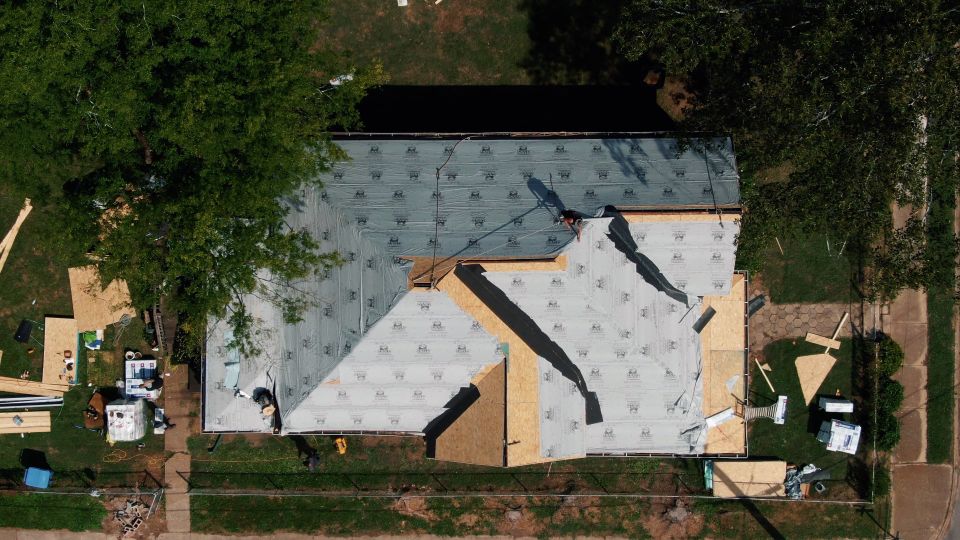
Wet underlayment or soft decking under the damage is replaced, not covered. Otherwise the new shingles sit on the old problem.
Any deck work is on the written price first.
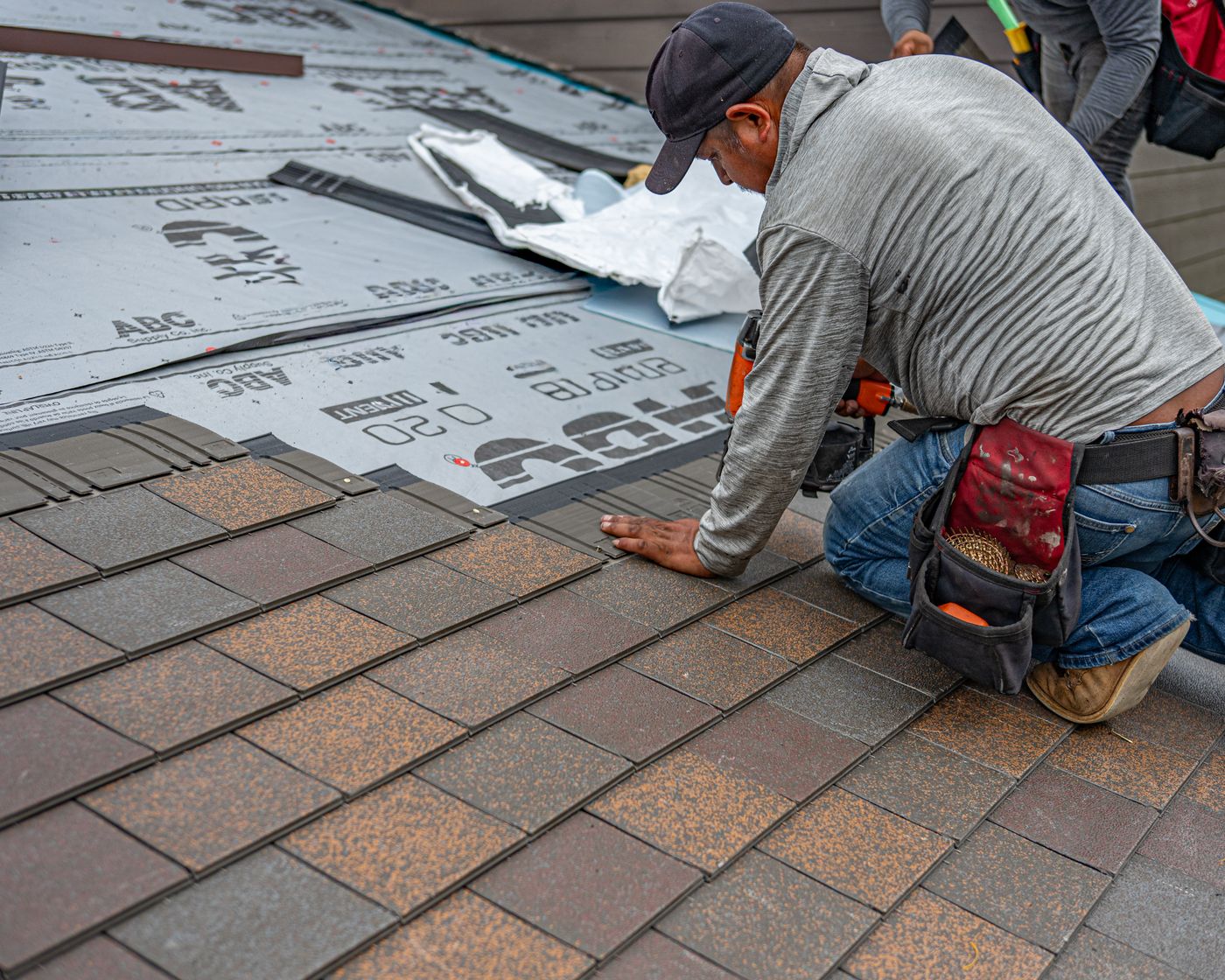
New flashing or a new boot where one failed, and shingles matched as closely as the roof’s age allows, each fastened to the manufacturer’s pattern.
On a faded roof an exact color match is rarely possible, and we say so first.
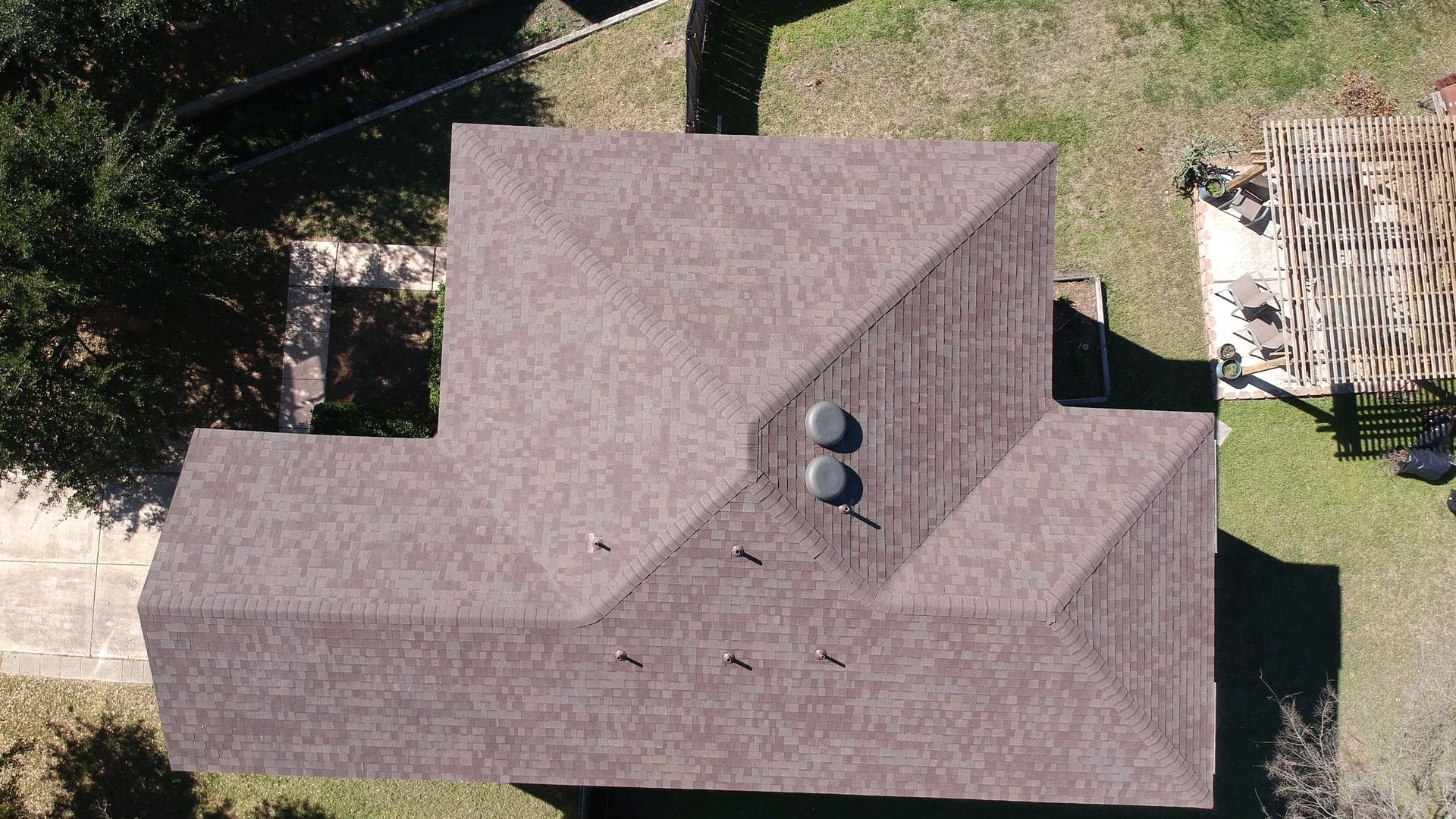
You get pictures of the damage, the opened area and the finished work, which is also what an insurer asks for when a storm caused it.
The photos are yours to keep.
The inspection and the written price are free, and you can still say no to the repair.
Book a free inspectionNearly every repair call in this city turns out to be one of these. Each links to more detail if you want it.
Wind-lifted, cracked or missing shingles replaced and sealed back into the roof around them. The repair we make most after a storm season.
Chimneys, walls, skylights and valleys, wherever two surfaces meet and water hunts for a seam. It is where most of the leaks we trace begin.
The rubber collar around a plumbing vent cracks in the sun years before the shingles around it wear out. A small part, and a very common leak.
When the source is not obvious, the repair starts with tracing it. We only fix it once we can show you where the water enters.
We tell you which one the roof needs and why. If a repair will hold, that is what we quote, even when a replacement would be the bigger job.
A repair price depends on what is under the damage, which is why we look before we quote. These five things move it most.
A fresh leak caught at the shingle is a small job. One that has soaked the deck or the insulation below takes more to put right.
A steep slope, a third story or a roof over a glass porch takes more time and more safety setup to reach.
Asphalt shingle is the quickest to match and replace. Slate, clay tile and older metal take harder-to-find parts and slower hands.
Open field is simple. A valley, a chimney or a wall line means flashing work, and that is where the hours go.
A planned repair is priced on its own. If water is coming in tonight, an emergency tarp comes first and is itemized separately.
Every repair is priced in writing after the inspection, and any change once the area is open is agreed with you before work goes on. Rather write than call? Use the form on our contact page.
Free, written, and yours to keep whoever does the work.
Two repair quotes can name the same leak and still describe very different jobs. These are the lines that usually tell them apart.
Quote A is an illustrative composite of shortcuts common in low repair bids. It is not a real quote from any company, and no competitor is named or implied. Hold any repair quote you are given up against these rows.
Not sure it is a repair at all? Describe it on the phone and we will tell you honestly what it sounds like.
Talk to a roofer504-229-3955It depends on the material, where the damage sits and how far water has traveled, which is why we do not quote one over the phone. The inspection is free and the written price comes before any work, so you know the number first.
Yes, and most of our repair work is exactly that. We replace the damaged area and the layers under it, then seal the new work into the shingles around it.
On a roof a few years old, usually closely. On an older roof the sun has faded the originals, so an exact match is rarely possible. You hear how close we can get before you agree to anything.
Sometimes. If the damage is local and the rest of the roof is sound, a repair buys real years. If the same slope keeps failing, the money is better spent on replacement, and the inspection report will say which.
We make the repair and document it: photographs of the damage, measurements and a written scope your adjuster can work from. We do not negotiate the claim itself. The insurance claims page explains how that side works.
Call 504-229-3955. We tarp the area first to stop the water, then inspect and price the permanent repair once it is dry.
Name and phone are enough. We call back the same business day.