Source, Not Symptom
The trace ends at an opening we can photograph. Until then we keep looking.

We find where the water gets in, not only where it shows. A free inspection, the entry point photographed, and the repair priced in writing.
The stain on your ceiling is where the water gave up, not where it got in. Leak detection is the work of following it back to the real opening.
Big Easy Roofing Company traces roof leaks on homes across New Orleans. Water can run several feet along a rafter or across the deck before it finds a seam to drop through, so the hole is seldom right above the drip.
We trace from inside and out until we can show you the entry point in a photograph. Then the fix is quoted as a roof repair and made once, in the right place.
The trace ends at an opening we can photograph. Until then we keep looking.
Ceiling, attic and roof are read together, because each one shows part of the path.
You see the entry point and the price before the repair starts.
A leak usually shows itself indoors first. These are the signs that send people up the attic stairs with a flashlight.
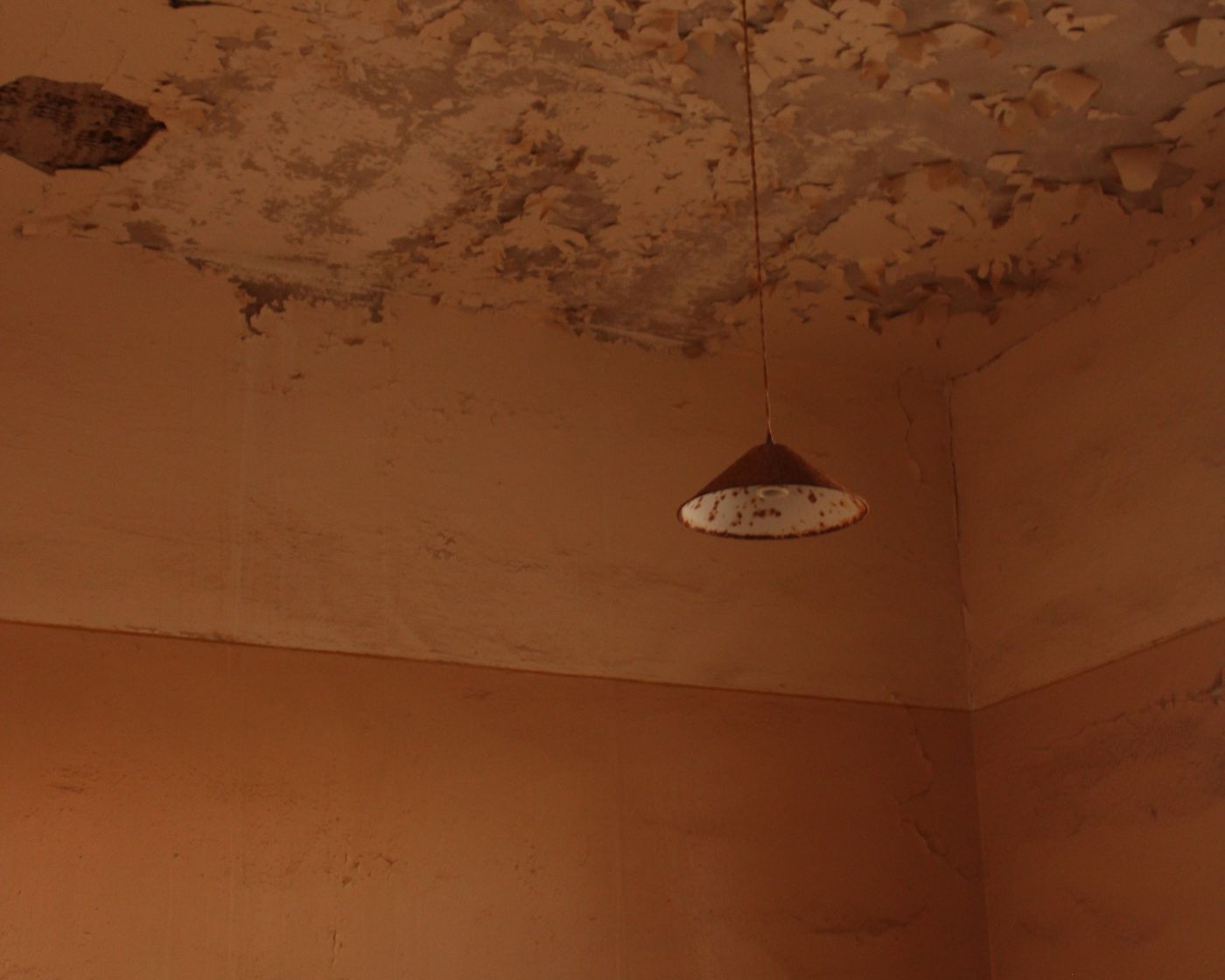
It often grows after each storm and dries out between them. The edge of the ring is where the water spreads, not where it enters.
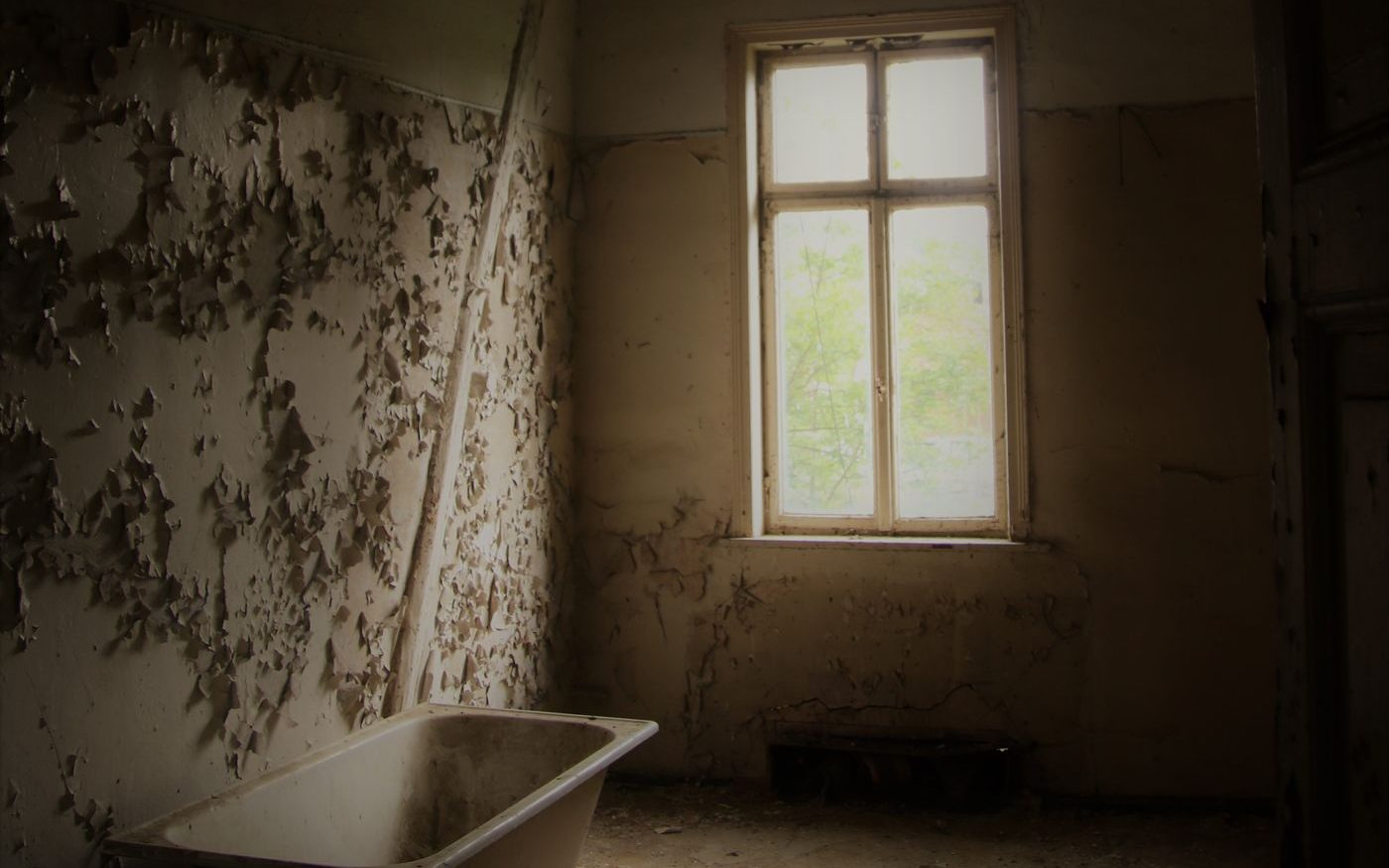
Moisture behind paint pushes it off the wall. On an upper wall just below a roof line, the roof is the first suspect.
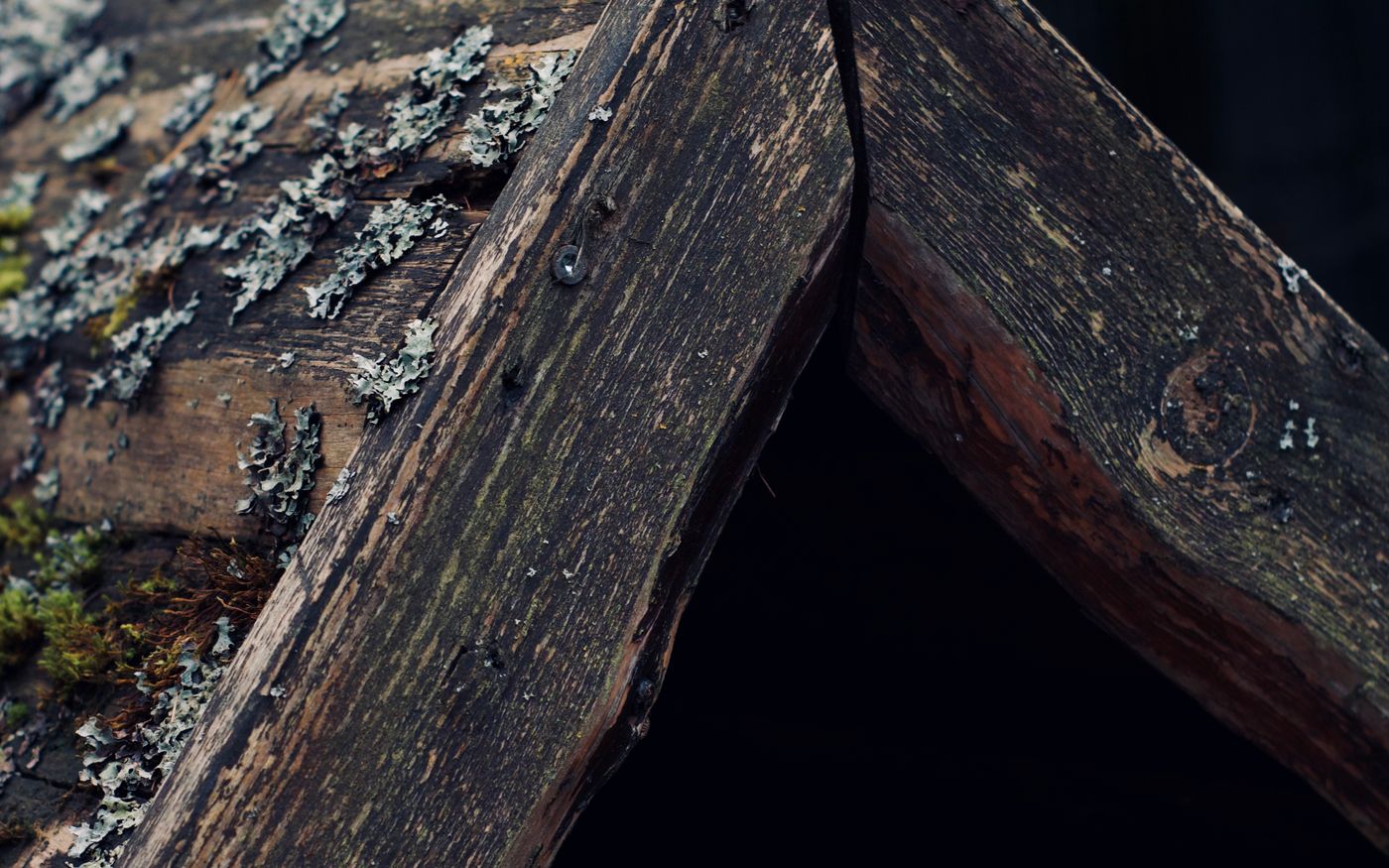
Rafters and decking stained in streaks, or soft when pressed, show a path the water has been taking for a while.
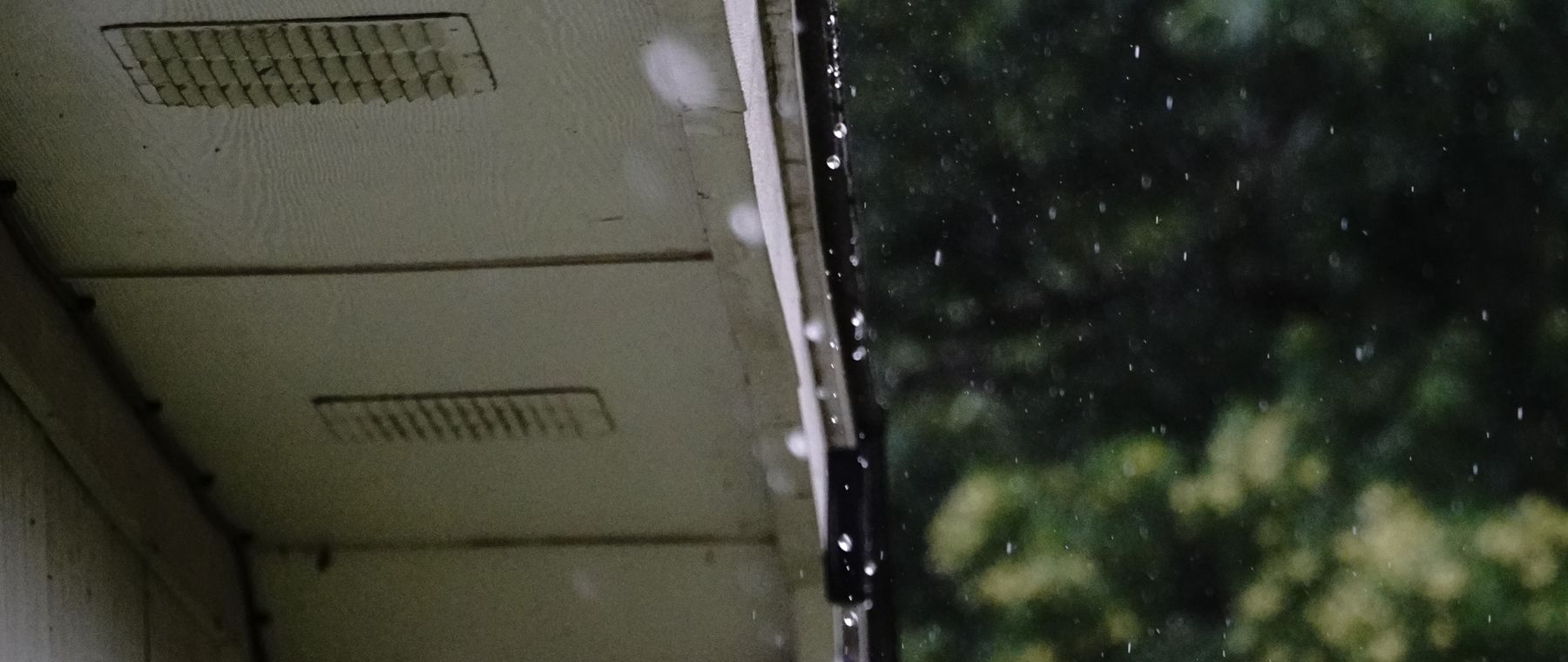
A leak that shows in a downpour but not a shower points to wind-driven water at a flashing or a lifted edge.
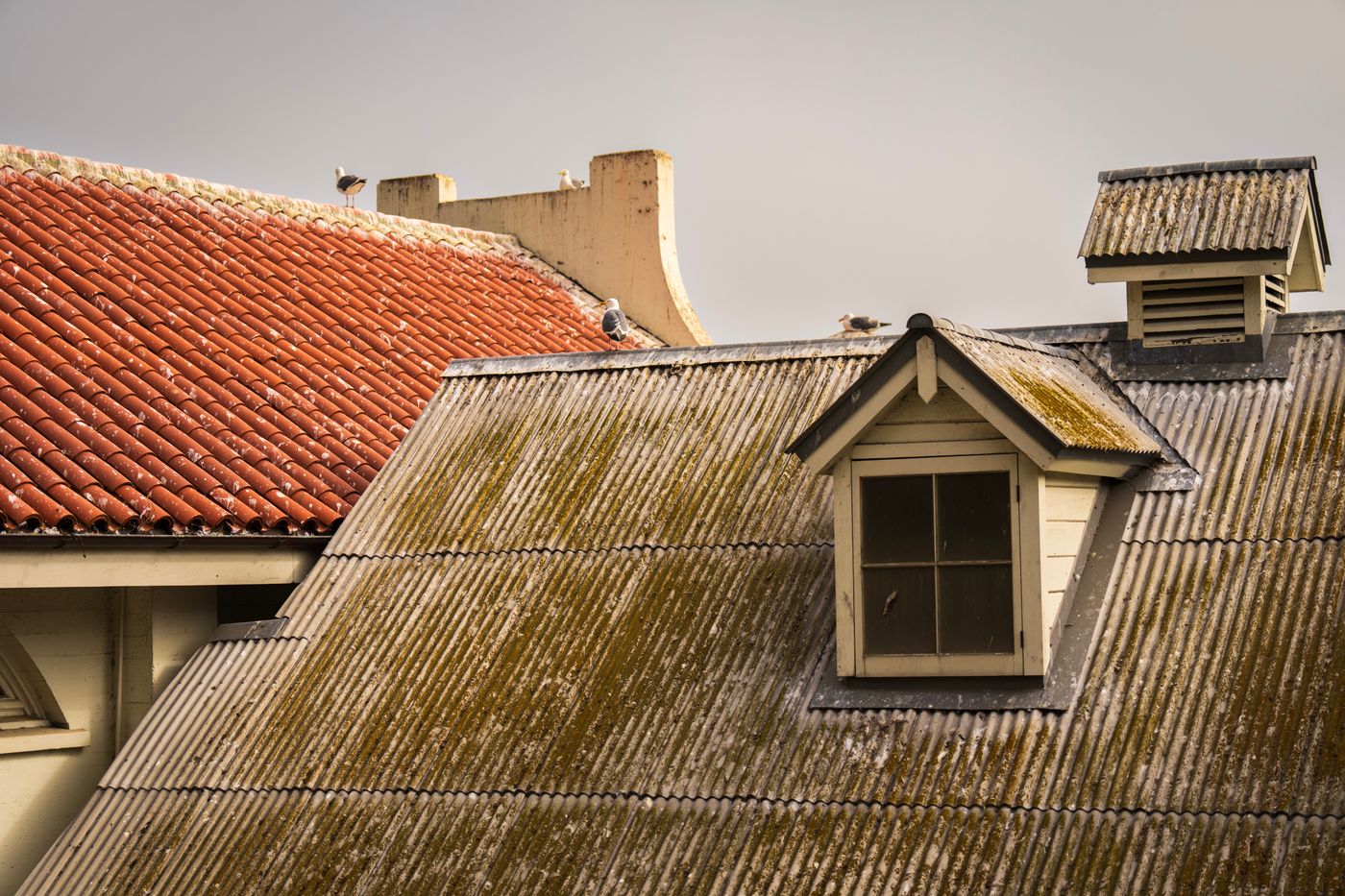
Moss holds water against the shingles long after the rain stops, and lifts their edges as it grows. Where it spreads, check under it.
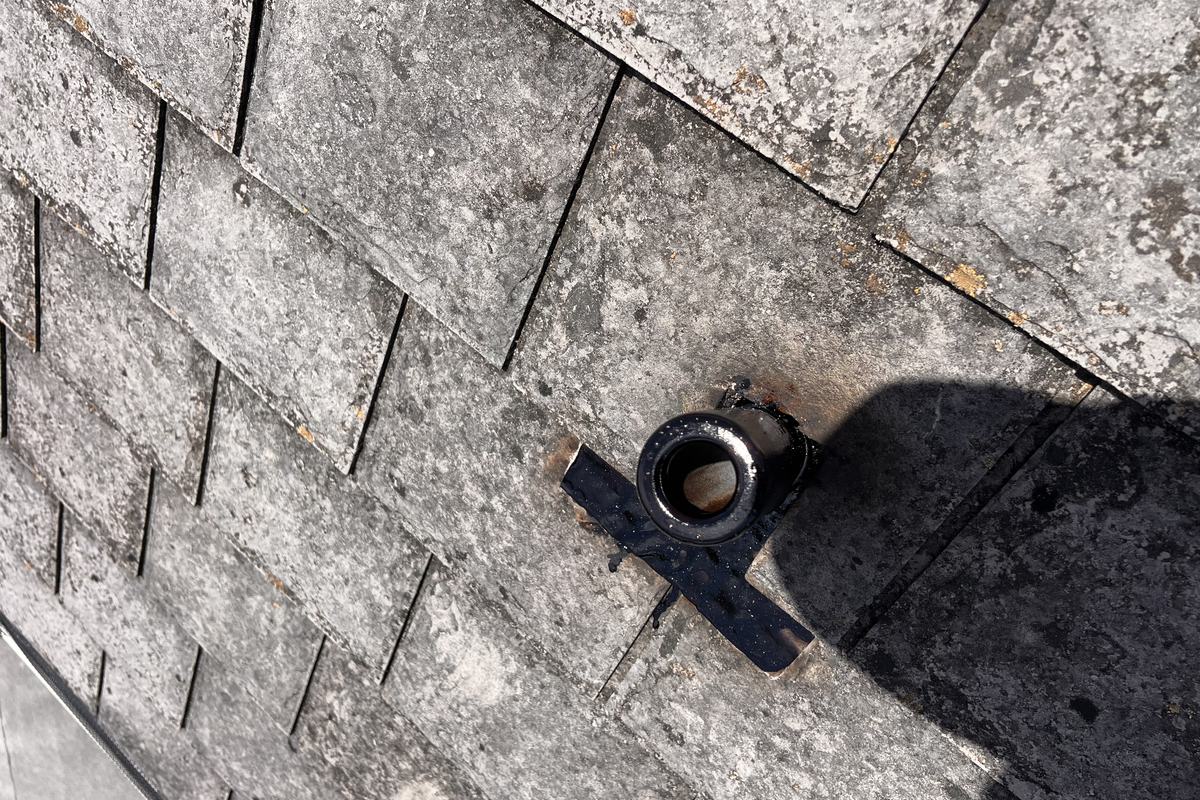
A stain close to where a pipe, vent or chimney passes through the roof usually means its seal has let go.
Found one of these? Tracing the source is part of the free inspection.
Book a free inspectionEight steps from the stain to the opening. Nothing is repaired until the last one, and you see the entry point before you see a price.
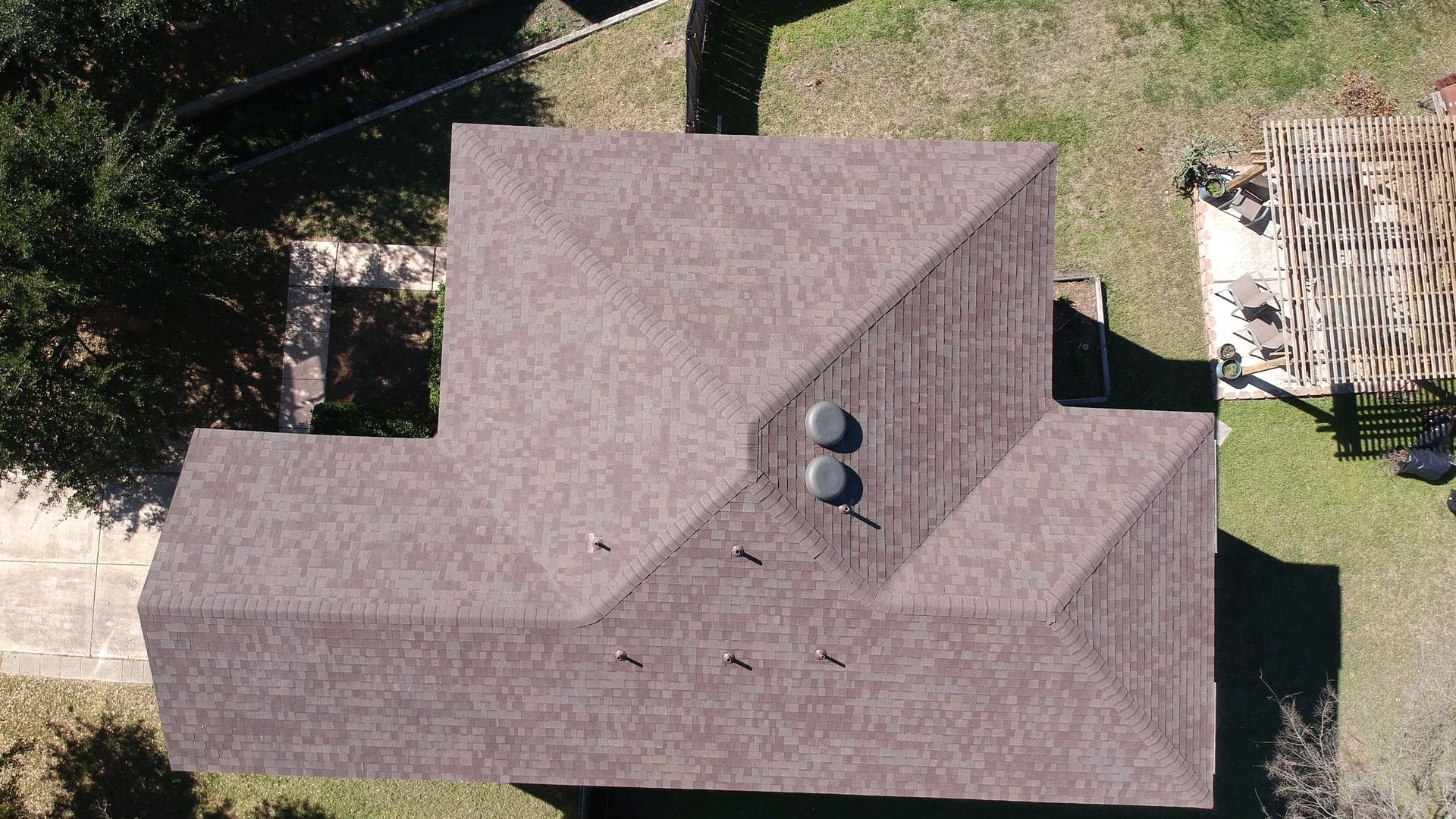
We match where the stain sits indoors to the part of the roof above it, and ask which kinds of rain bring it on.
Tell us which storms it leaks in.
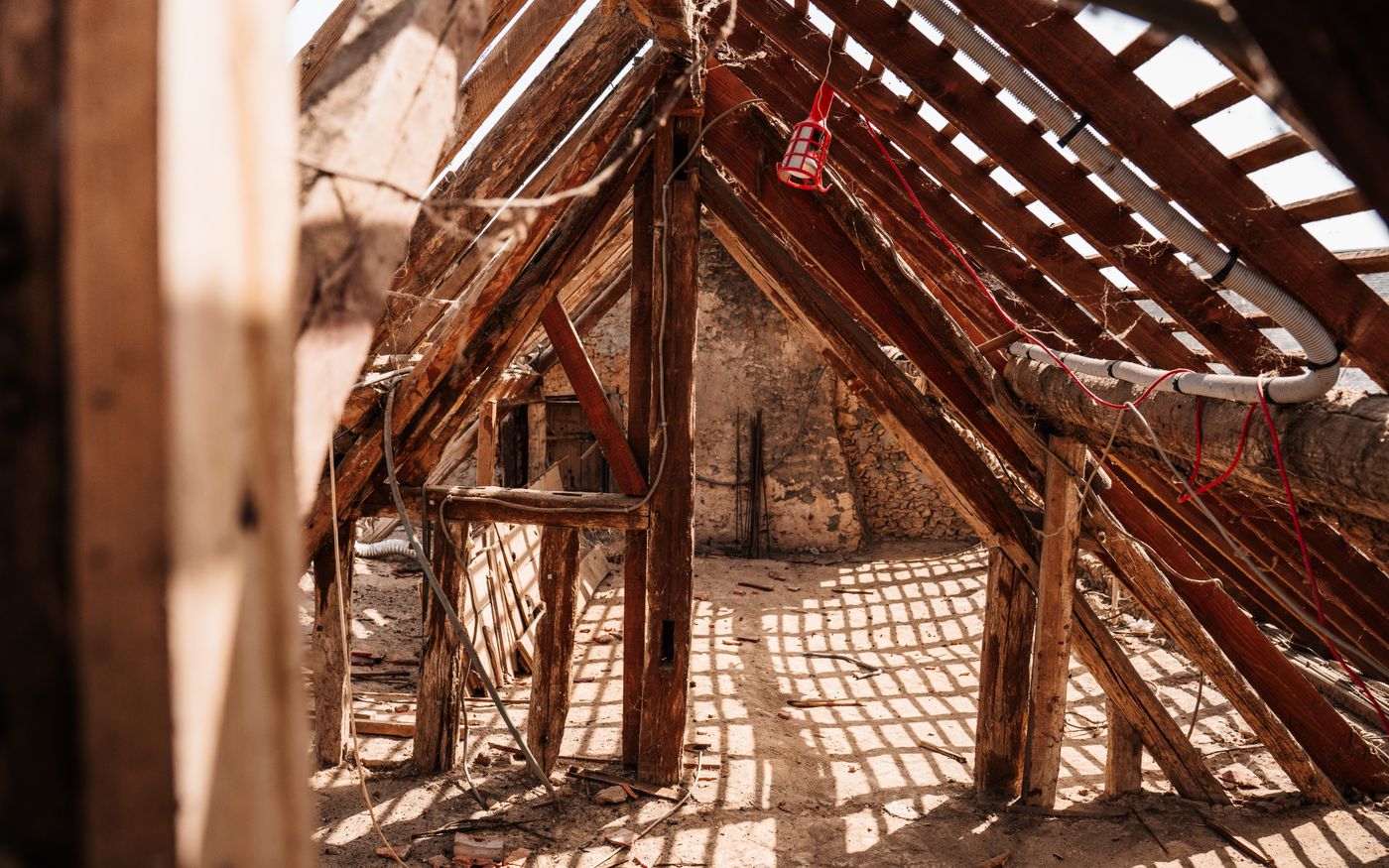
Up through the hatch to follow the trail on rafters and decking, uphill from the stain toward where it started.
Water marks on wood point the way.

On the roof, the section above the trail is walked and checked shingle by shingle.
Lifted, cracked and missing pieces noted.

Pipe boots, vents and skylights anywhere near the trail, each one checked around its full edge.
The most common source we find.
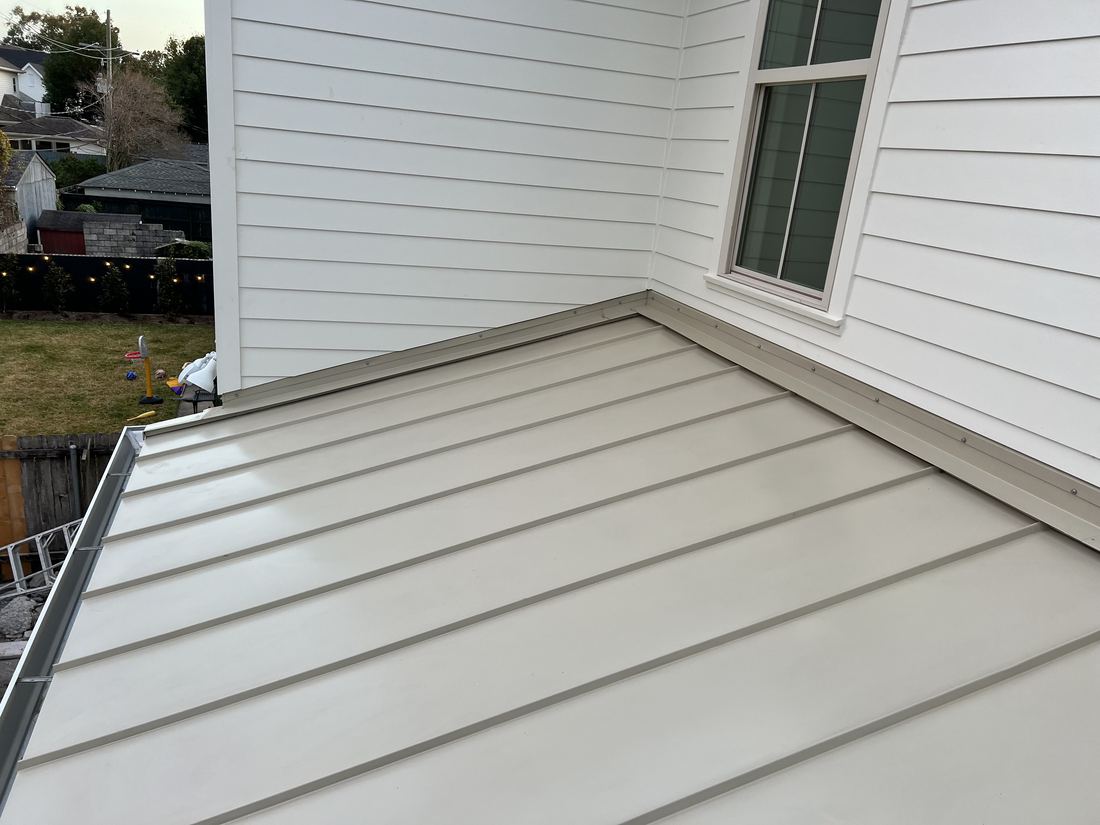
Where the roof meets a chimney, a wall or a dormer, the metal that seals the joint is checked for lifting and gaps.
Caulk over old flashing is a warning sign.
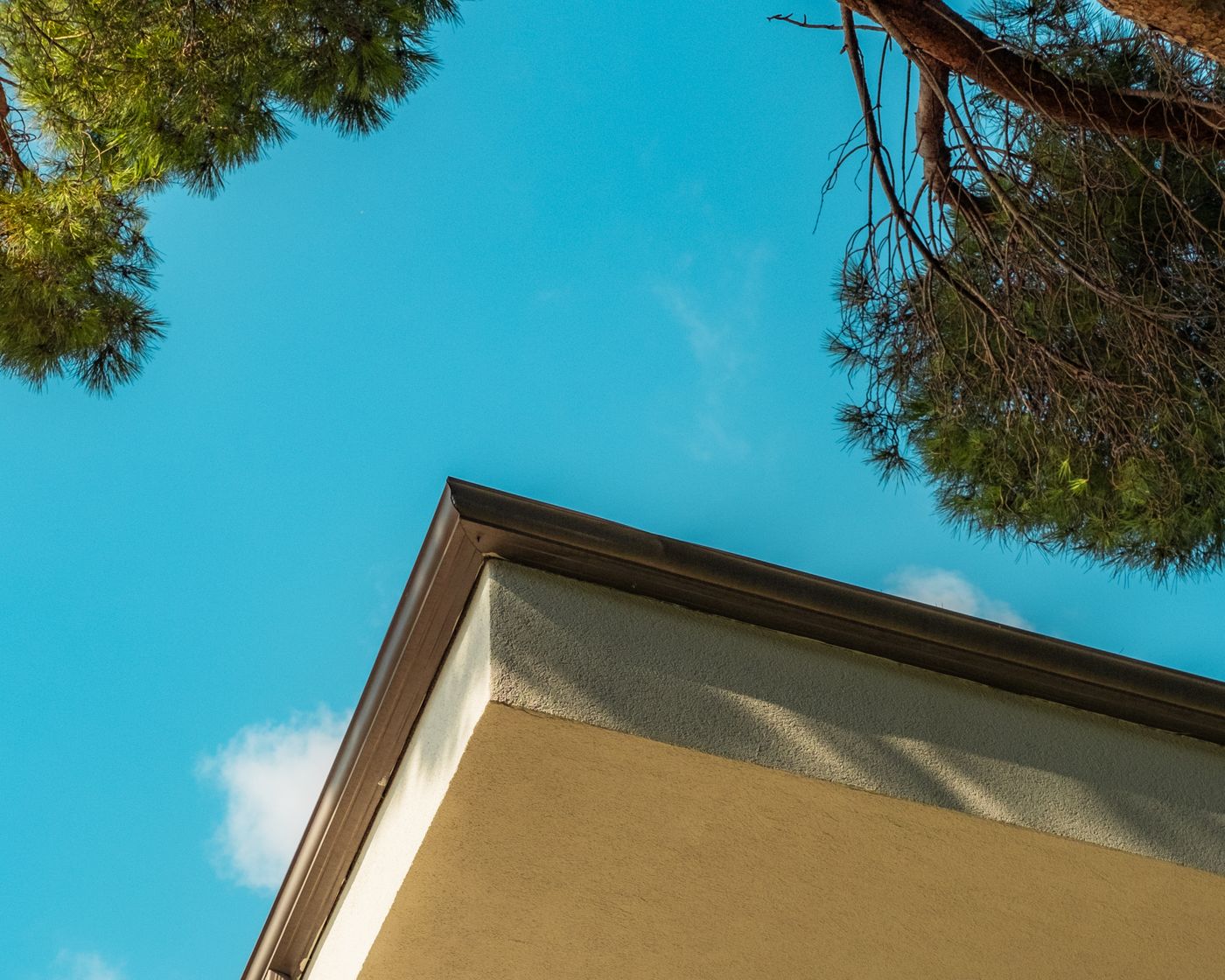
A gutter that backs up pushes water under the roof edge, where it can run a long way before it shows.
Often missed, because it only leaks when full.

Once we find it, it is photographed from close and from far, so you can see exactly what failed and where.
More than one source? Each one is shown.

The repair is written up and priced. Once you agree, it is made at the opening, and any wet material below is dealt with too.
No repair starts before you agree the price.
Tracing the leak is part of the free inspection, and there is no obligation to have us repair it.
Book a free inspectionOpen field shingle rarely leaks on its own. Water gets in where something breaks the surface or where the roof meets something else.
Metal at chimneys, walls, valleys and skylights. It lifts, rusts or was never fastened right, and water runs in behind it.
The seal around each pipe and vent. Rubber boots crack in the sun and mortar seals split, both long before the rest of the roof is tired.
A blocked or sagging gutter sends water back under the roof edge and into the fascia, the soffit and sometimes the wall.
Cracked or missing shingles, and old underlayment that has stopped shedding water under them.
It happens more than people expect. If the trace finds two openings feeding one mark, both are shown to you and priced separately.
Finding the leak is part of the free inspection. What the repair costs depends on what the trace turns up, and these five things move it most.
A new leak is often one part. One that has run for months may have soaked the insulation and softened the decking.
A pipe boot is quick. A chimney or a wall joint needs flashing work, which takes longer.
Shingle parts are easy to match. Slate, tile and older metal take more care and cost more to replace.
Steep or high roofs need more setup before anyone can work on them safely.
Sometimes two openings feed one stain. Each is shown to you and priced on its own line.
Nothing is repaired until you have seen the entry point and agreed the price. Prefer to describe it in writing first? The contact page has the form.
Free to trace, and the photos are yours whoever makes the repair.
A leak call can go one of two ways. This is what the difference looks like on paper.
Quote A is an illustrative composite of shortcuts common in leak repair bids. It is not a real quote from any company, and no competitor is named or implied.
If water is coming in now, call instead of booking online. A tarp comes first and the trace comes after.
Talk to a roofer504-229-3955Water lands on the deck, runs down the slope or along a rafter, and drips where it meets a gap or a nail. The opening can be several feet uphill from the mark on your ceiling.
It depends on the roof and the leak. One that only shows in wind-driven rain takes longer, because we first have to work out which rain brings it on.
Tracing it is part of the free inspection. You pay for the repair, and only after you have seen the entry point and agreed the price.
You can narrow it down safely from inside: note where the stain is, check the attic above it with a flashlight after rain, and look for wet wood. Leave the roof itself to a roofer, especially a wet one.
If a storm caused it, often part of it. Wear and age usually are not covered. We photograph the source either way, which is the evidence an adjuster needs, and the insurance claims page explains the rest.
Put a bucket under the drip and move anything valuable out of the way. If the ceiling is sagging with water, keep clear of it and call 504-229-3955 straight away.
Name and phone are enough. We call back the same business day.