Every Kind of Joint
Chimney, wall, valley, skylight and vent, each with the right piece of metal for it.

Where most leaks in this city start. Chimneys, walls, valleys and skylights, sealed with new metal rather than another bead of caulk.
Flashing is the thin metal that seals every place your roof meets something else. When it lifts, rusts or was never fastened right, water finds the seam, and the fix is new metal, not more caulk.
Big Easy Roofing Company repairs and replaces flashing on homes across New Orleans: around chimneys, along walls and dormers, in valleys, and around skylights and vents. Heat, storms and aging sealant take it apart faster here than in most places.
If a flashing leak has already soaked the wood beneath it, the job becomes a wider roof repair, and the written price says so before anything is opened.
Chimney, wall, valley, skylight and vent, each with the right piece of metal for it.
Sealant cracks within a few summers. Properly lapped metal keeps shedding water long after that.
The shingles around a joint come up only after you have agreed the price.
Flashing fails quietly. These are the signs that show up first, usually indoors or from the yard.
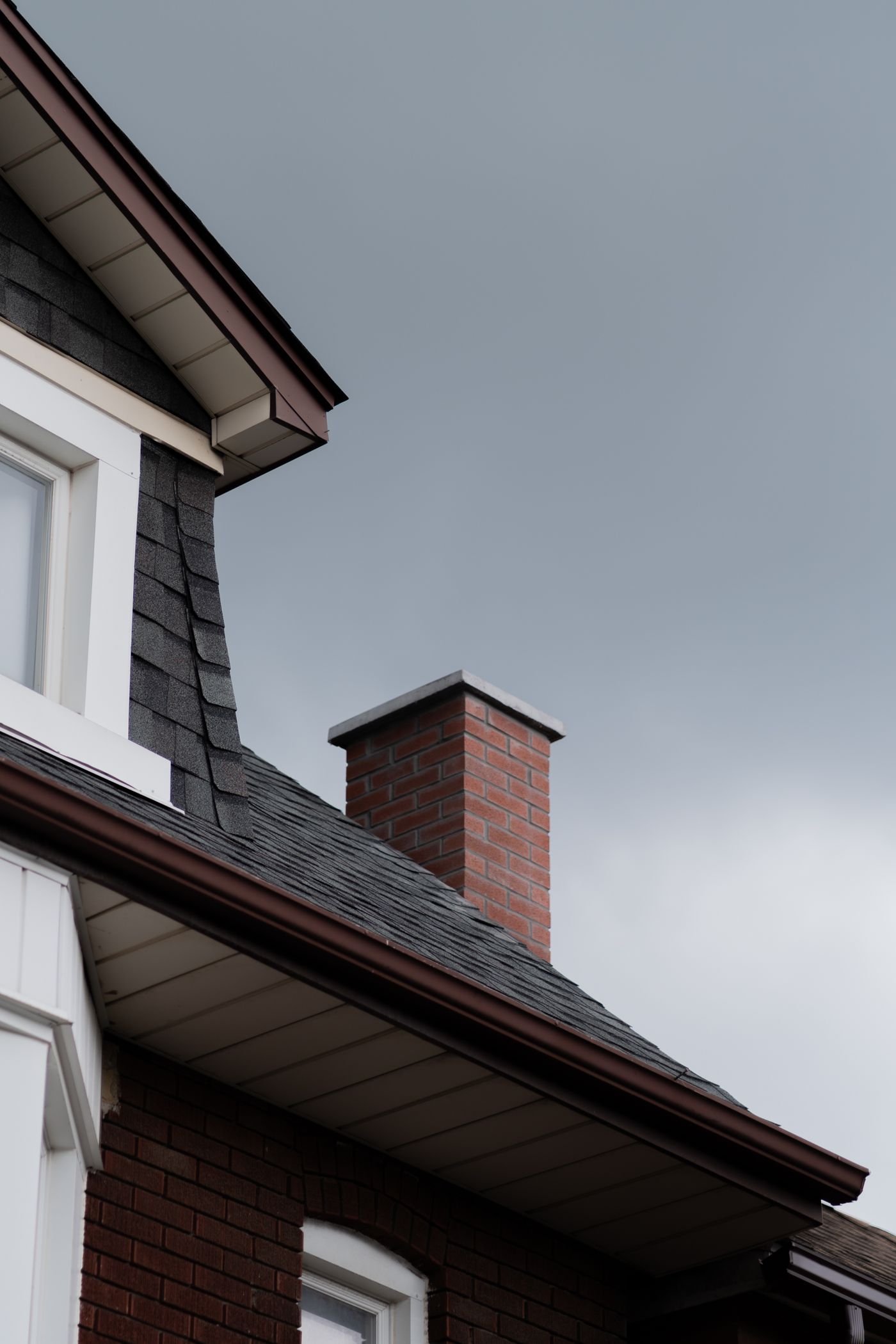
Water on the ceiling or wall next to a chimney is the classic flashing leak. The metal around the brick has lifted or cracked.
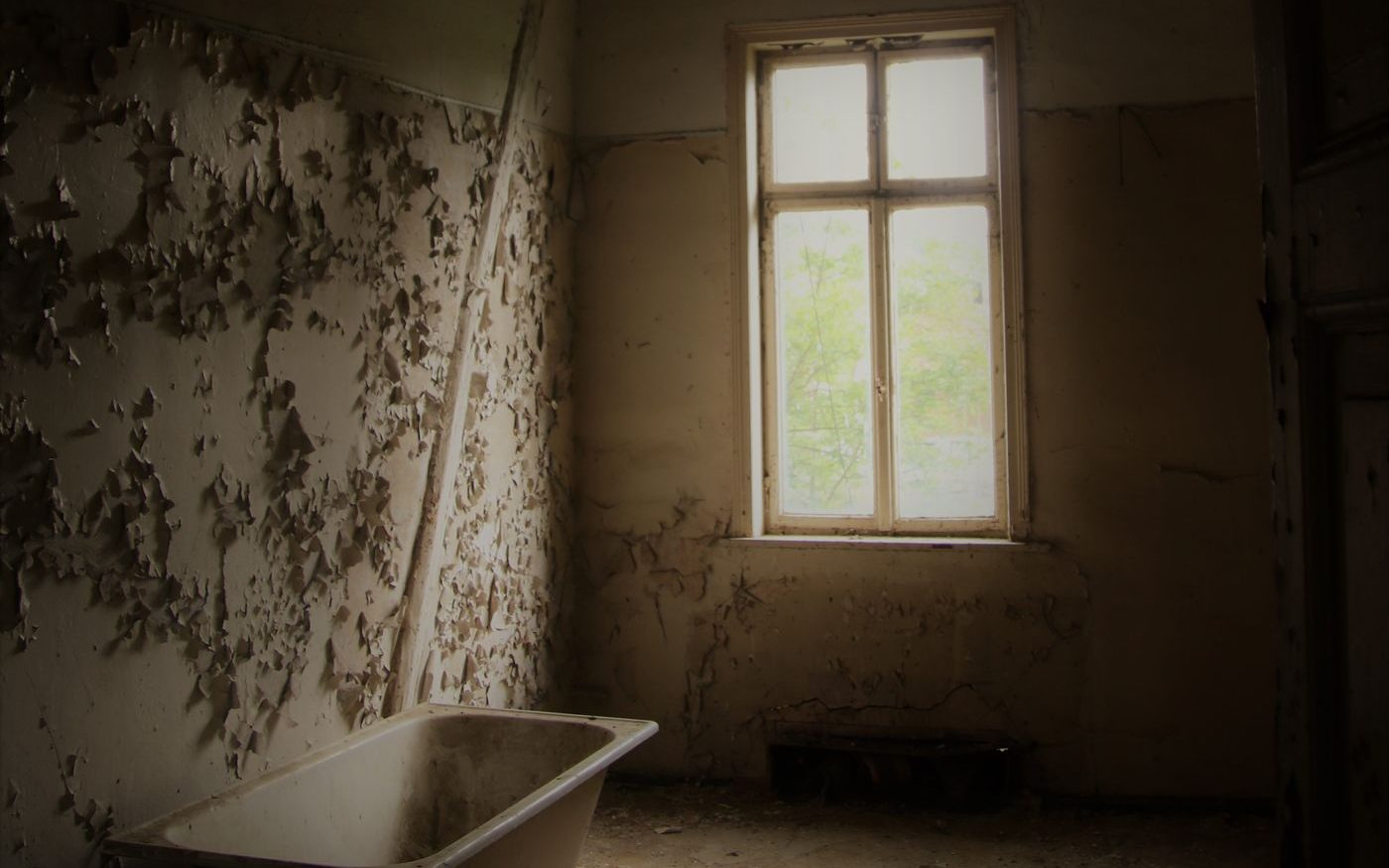
An upper wall that blisters under a dormer or a second-story roof often has a wall flashing letting go above it.
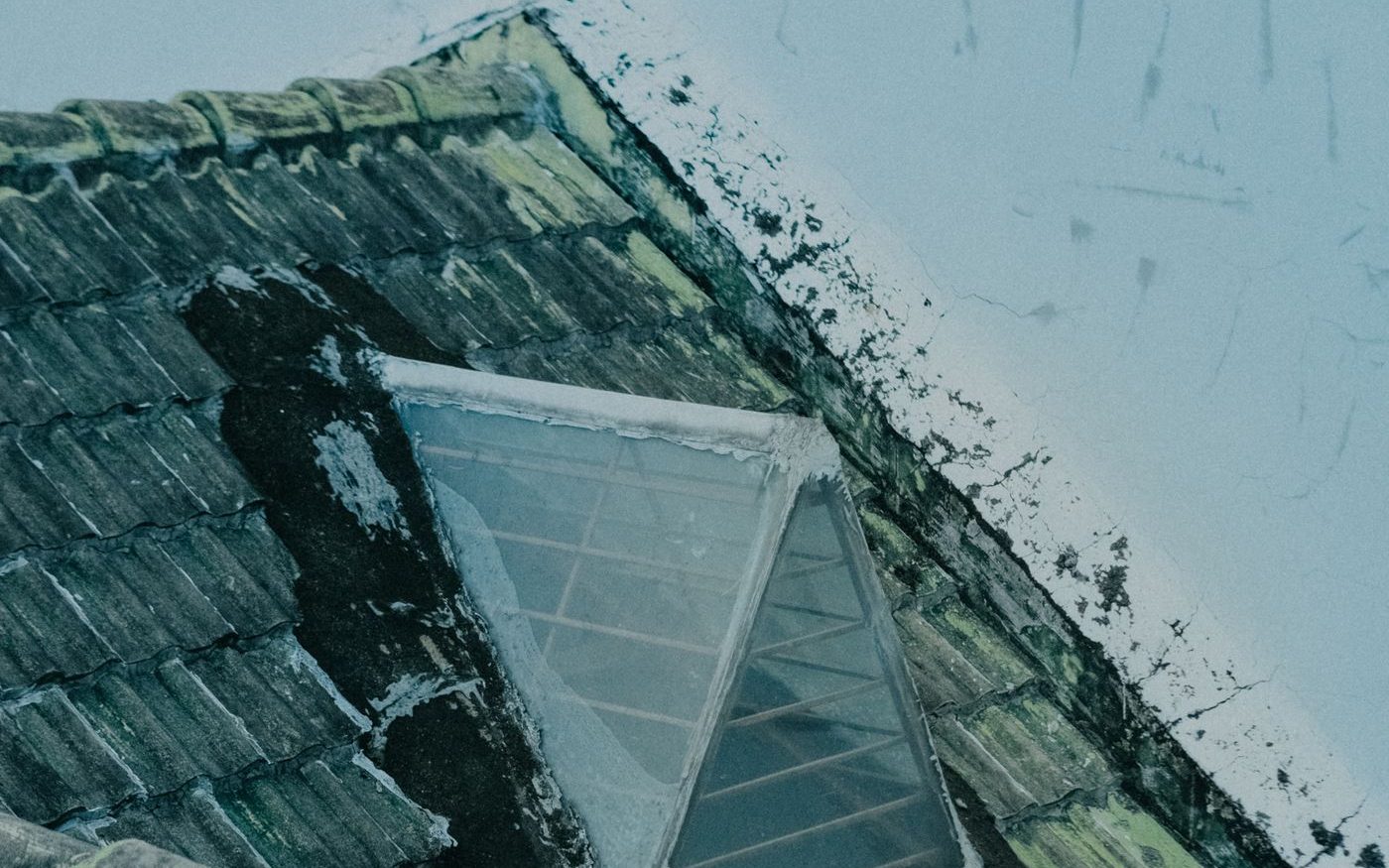
The frame is sealed to the roof with flashing. When that seal ages, water runs down inside the shaft.
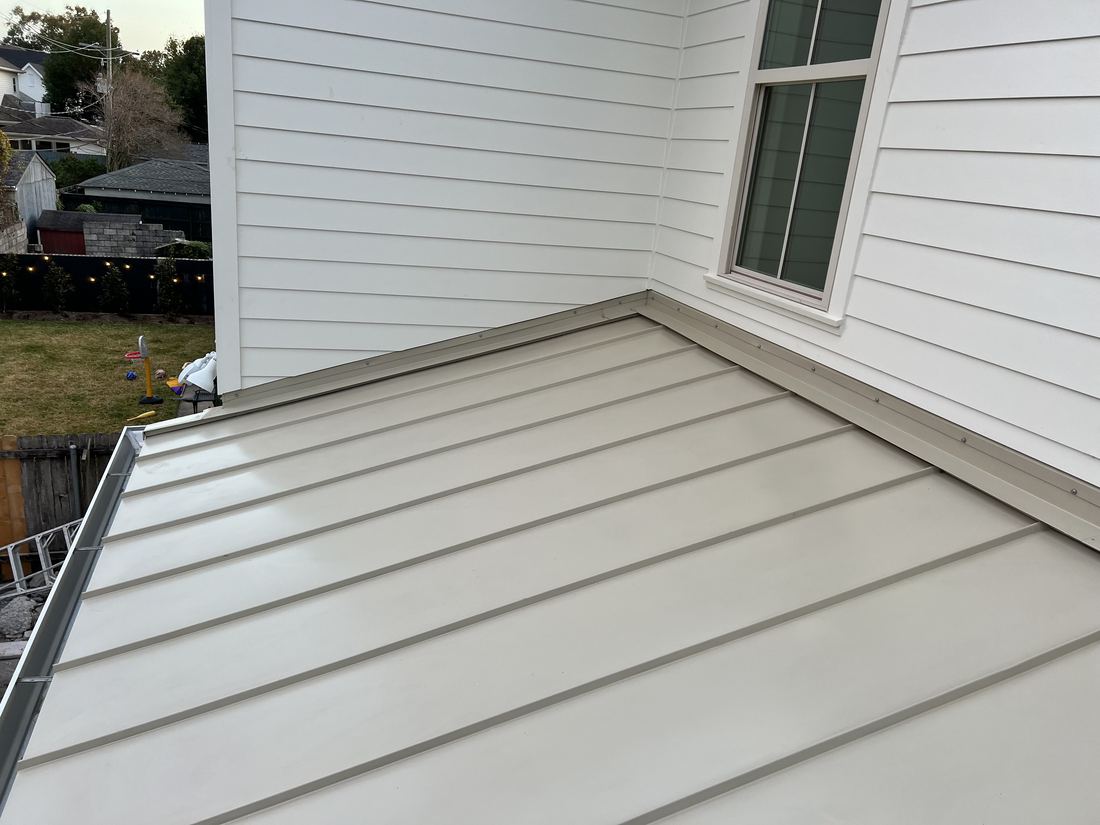
Look along porch roofs and additions. A gap between the metal and the siding is an open door for rain.
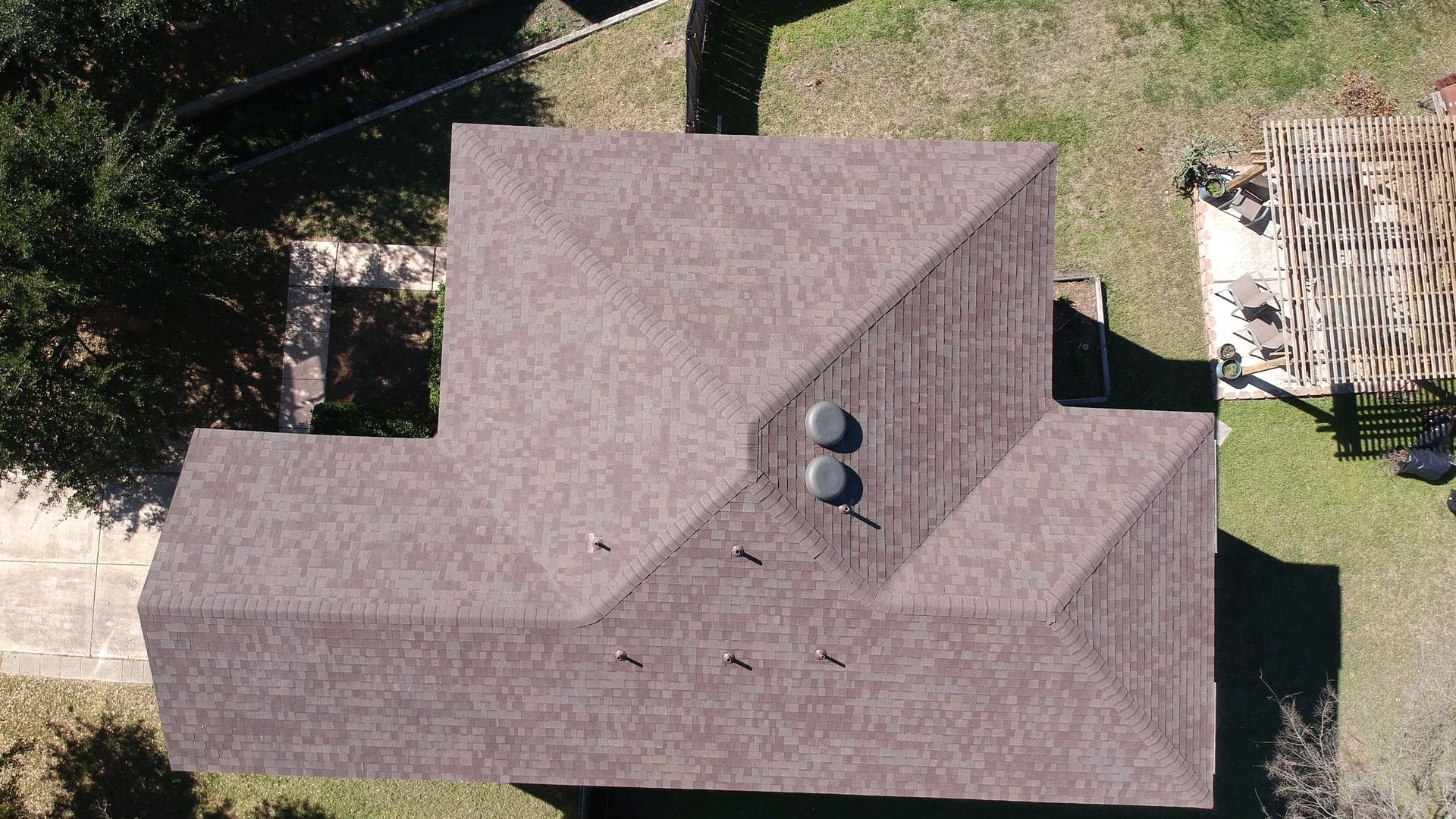
Valleys carry the water of two slopes at once. Worn or badly cut valley metal fails there first.
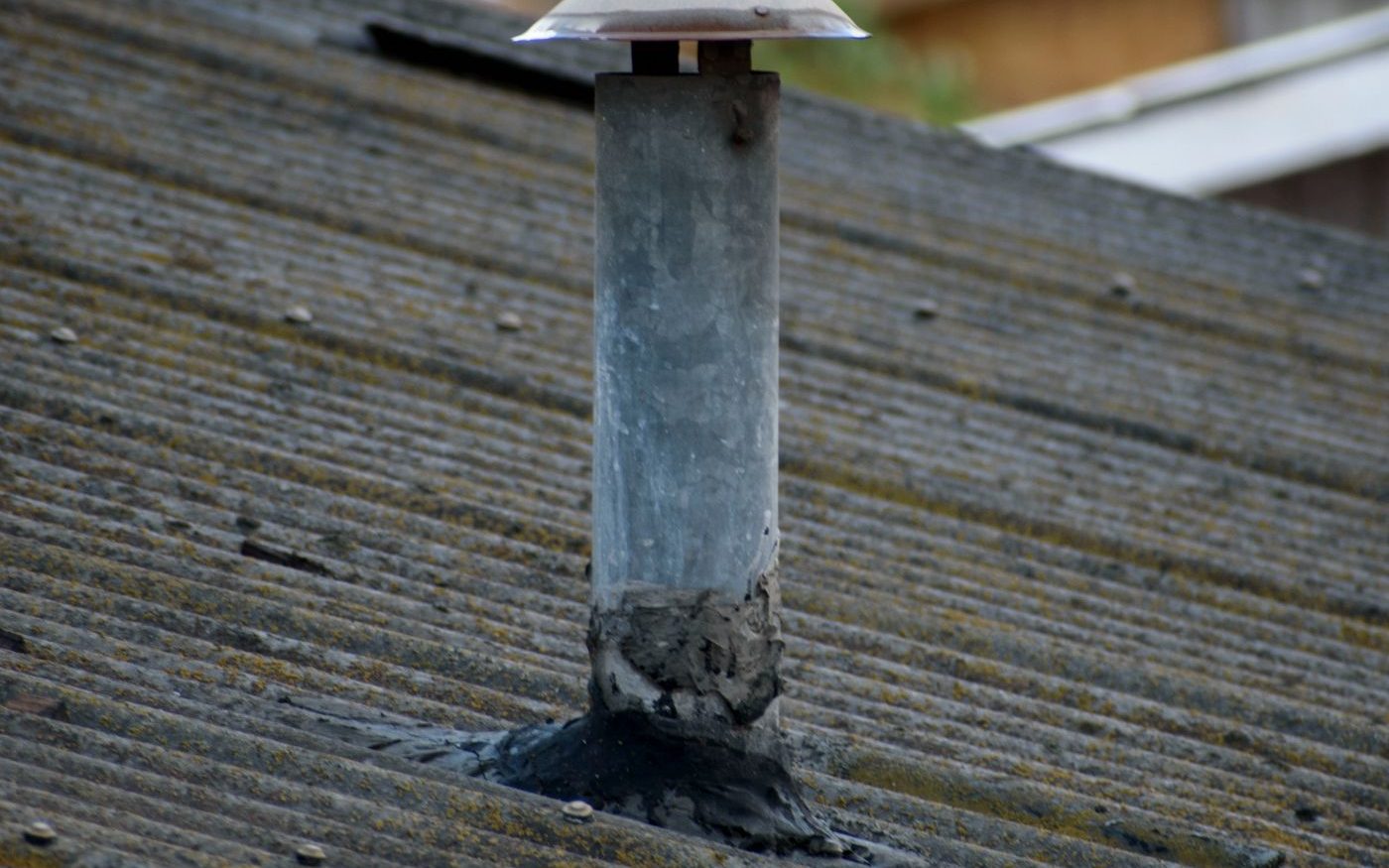
Old sealant smeared over a joint shrinks and splits. If you can see it cracking, water can already get behind it.
See one of these? Flashing is checked on every free inspection.
Book a free inspectionEight steps, whether it is one chimney or every joint on the roof. You agree the price at step three, before anything comes apart.

We start from the stain or the complaint and check every joint above it, not just the nearest one.
Photographed as we go.
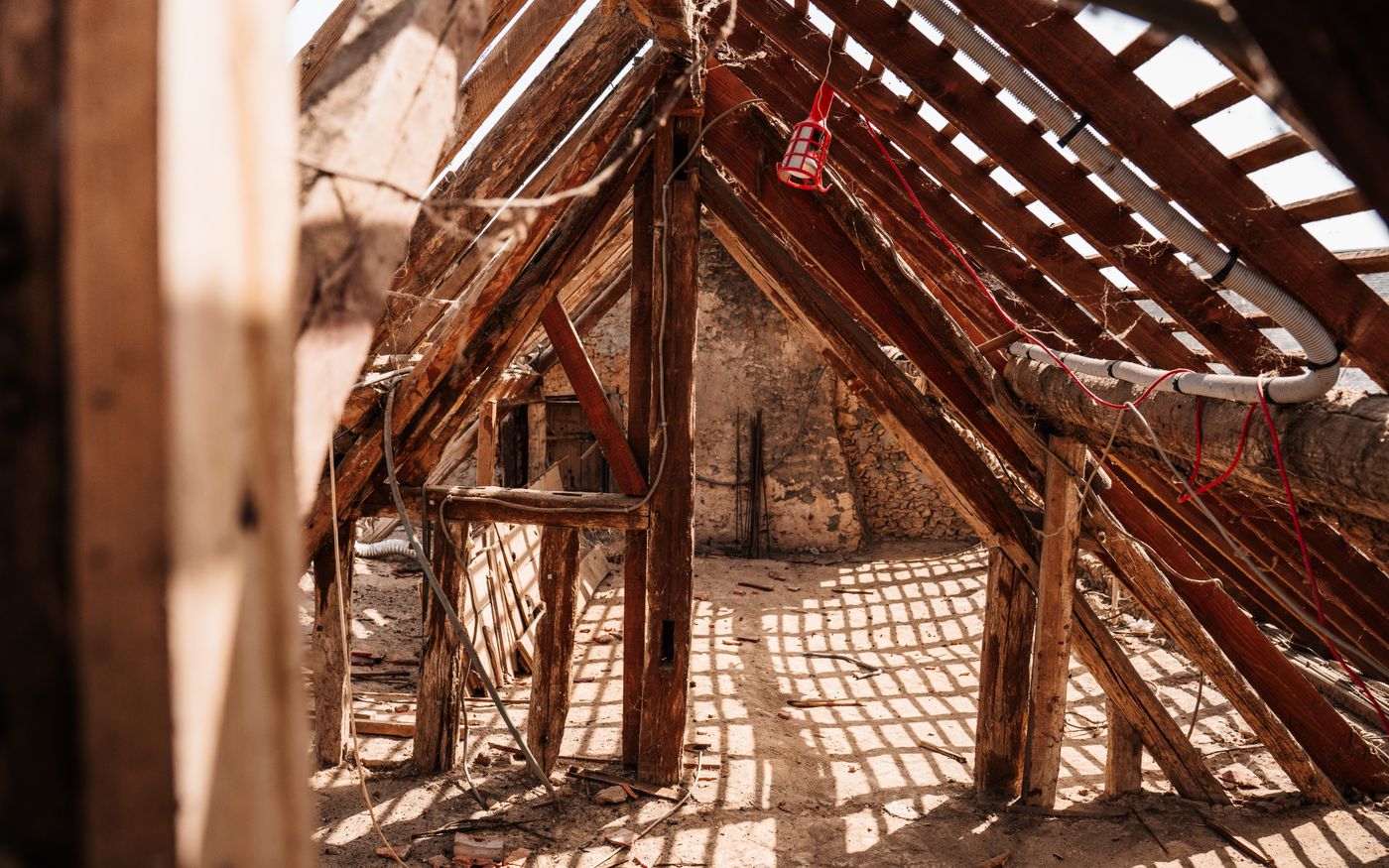
From the attic and at the joint itself, to see whether water has reached the sheathing or the framing.
Wet wood changes the job.

Which joints, which metal, and whether any wood needs replacing, written down before anything is opened.
Agreed before work.
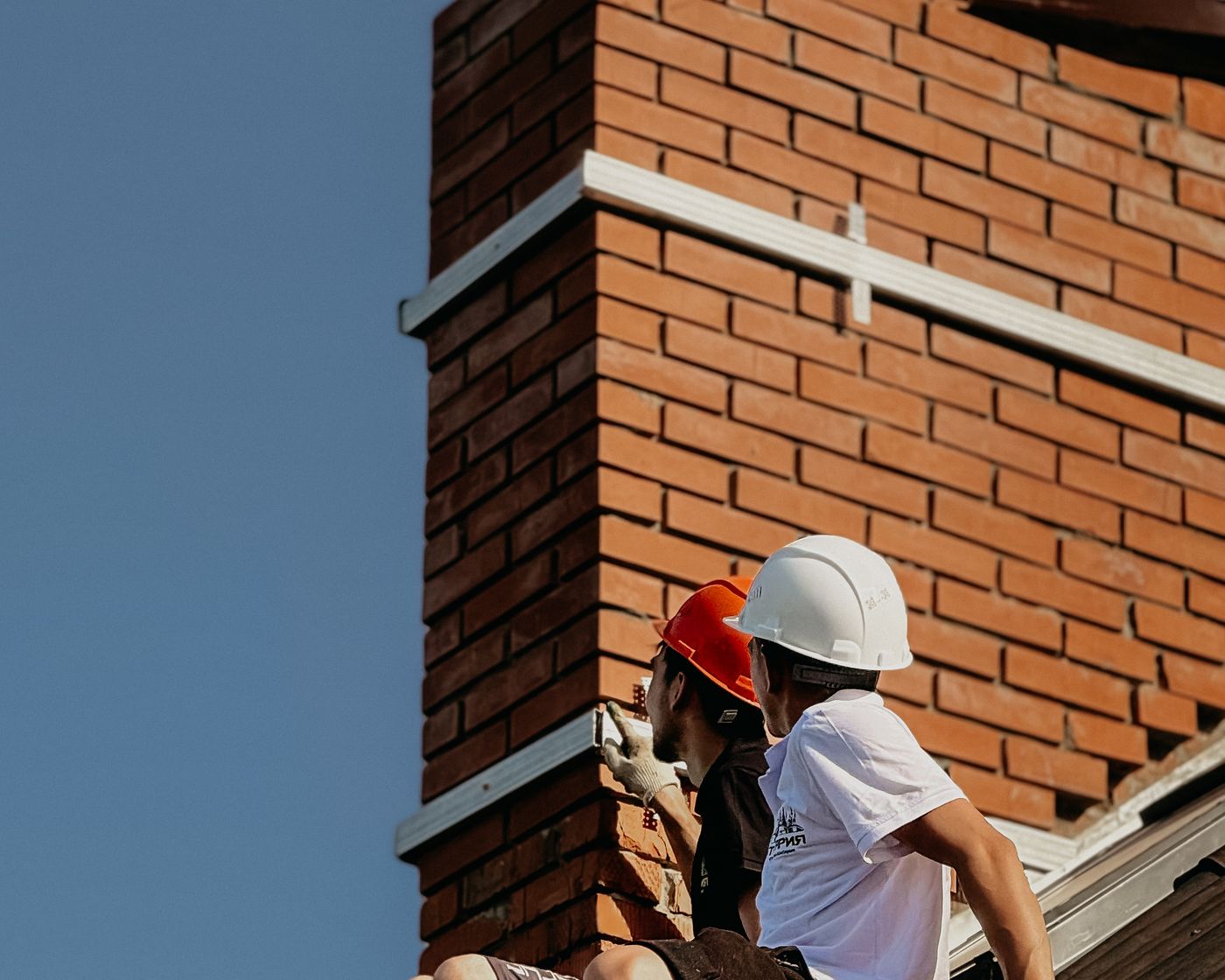
The shingles around the joint are lifted with care, and the old metal and sealant come out.
Only as far as the repair needs.
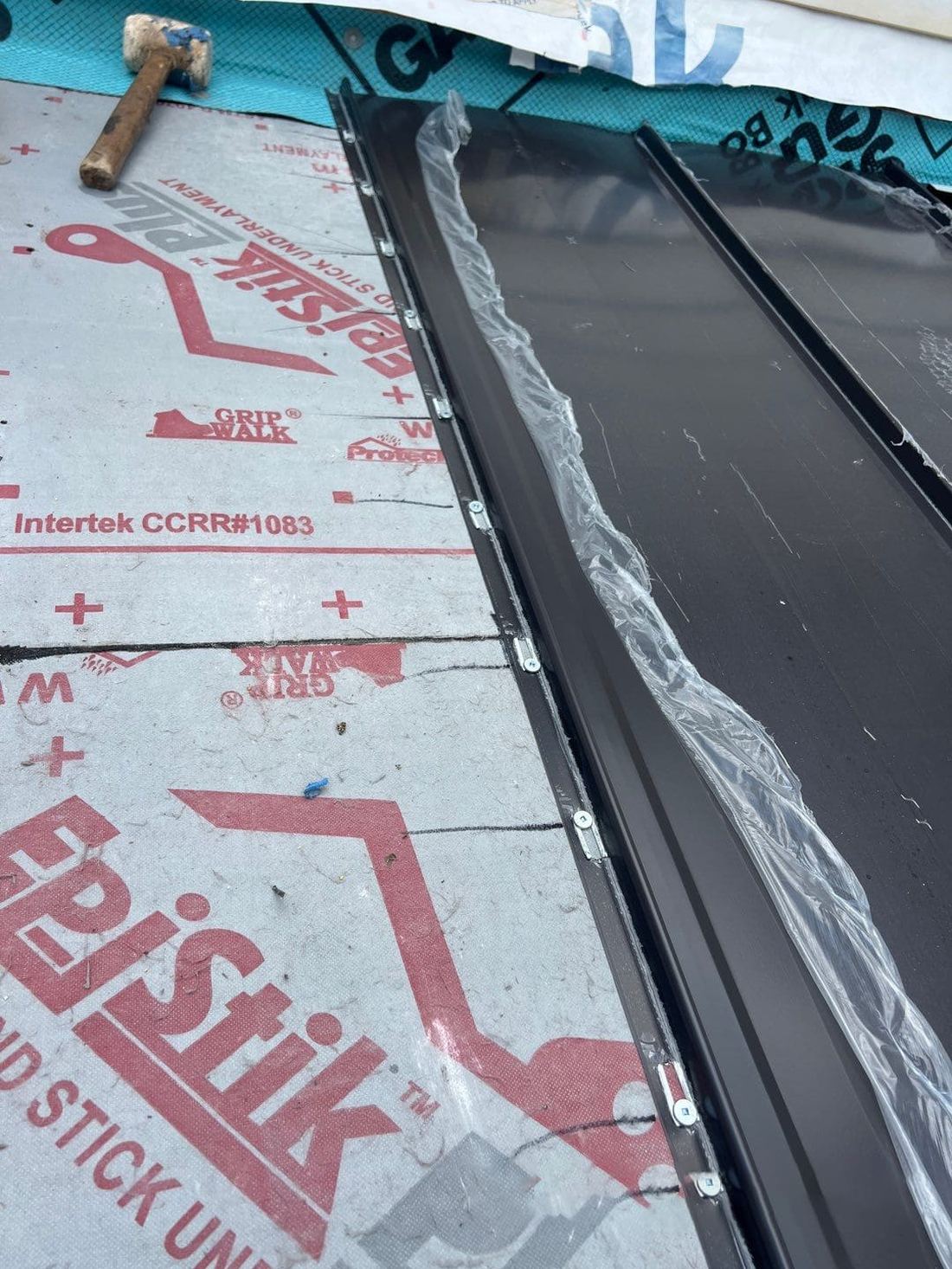
Self-adhering membrane goes under the new metal, so the joint stays dry even if water gets past the flashing.
A second line of defense.
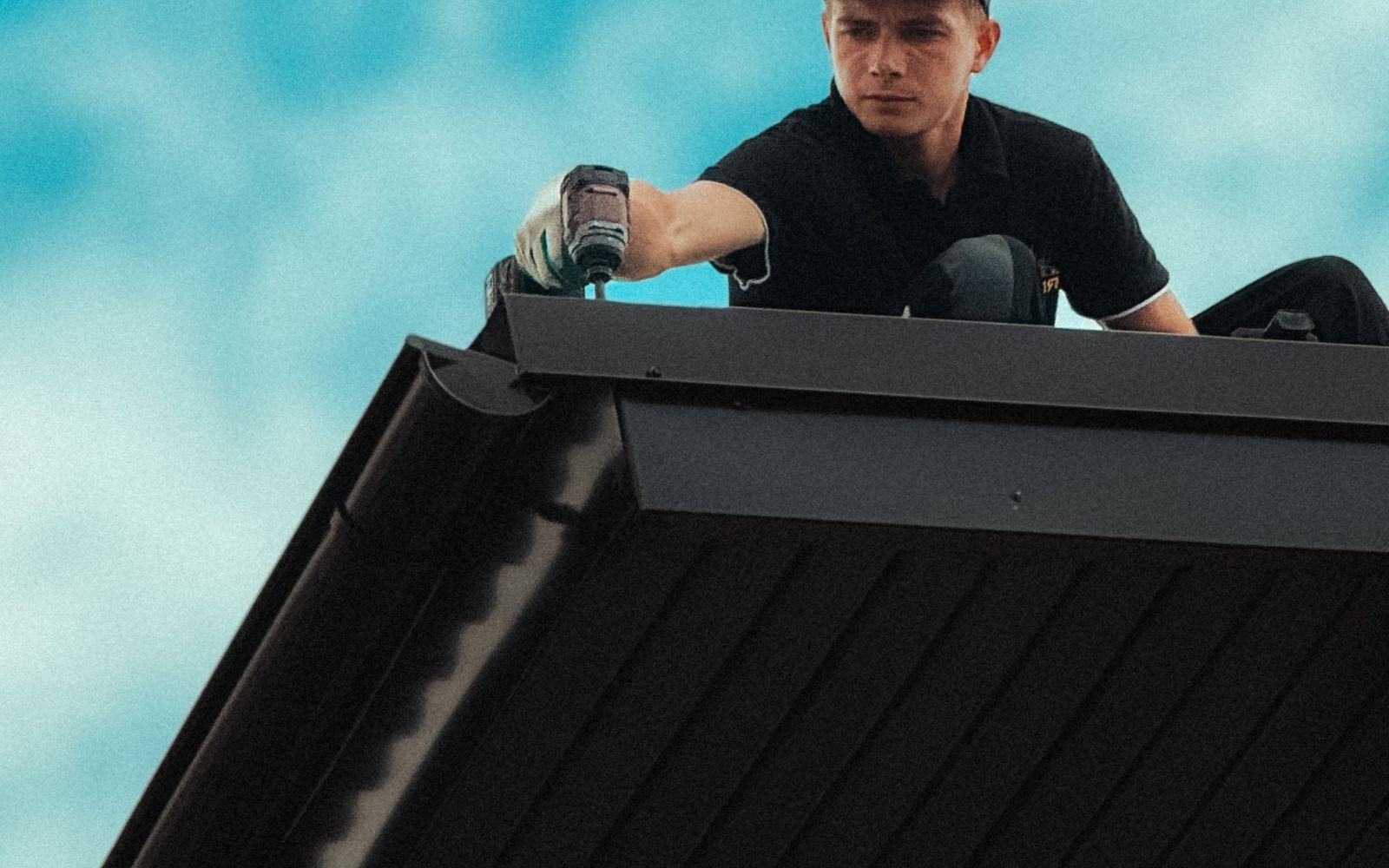
Step flashing woven into the shingle courses, counterflashing set into the masonry, and valley metal laid so water runs downhill over every seam.
The part caulk cannot replace.
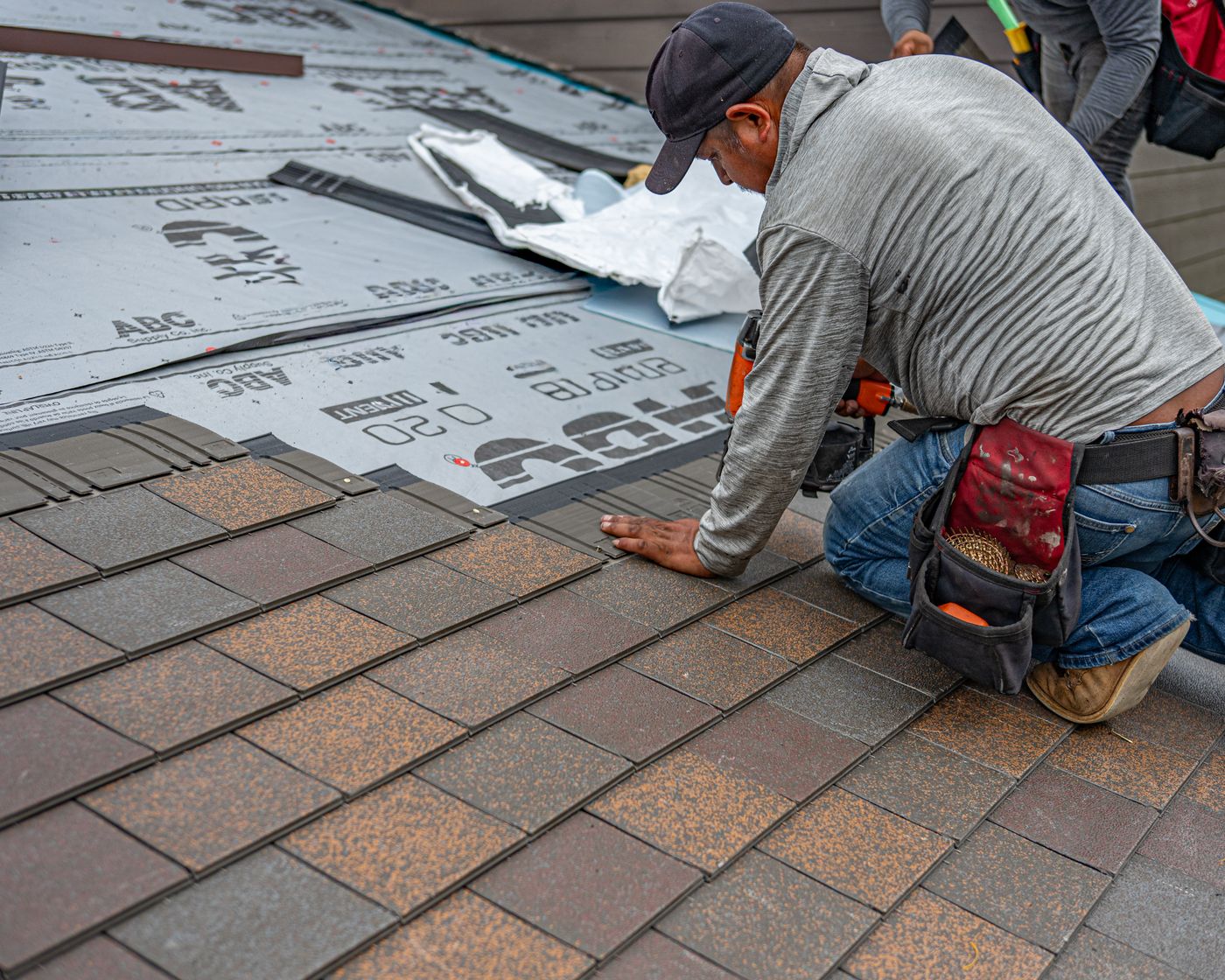
The roof is closed back over the new metal and each shingle sealed down.
Colors matched to the existing roof where possible.
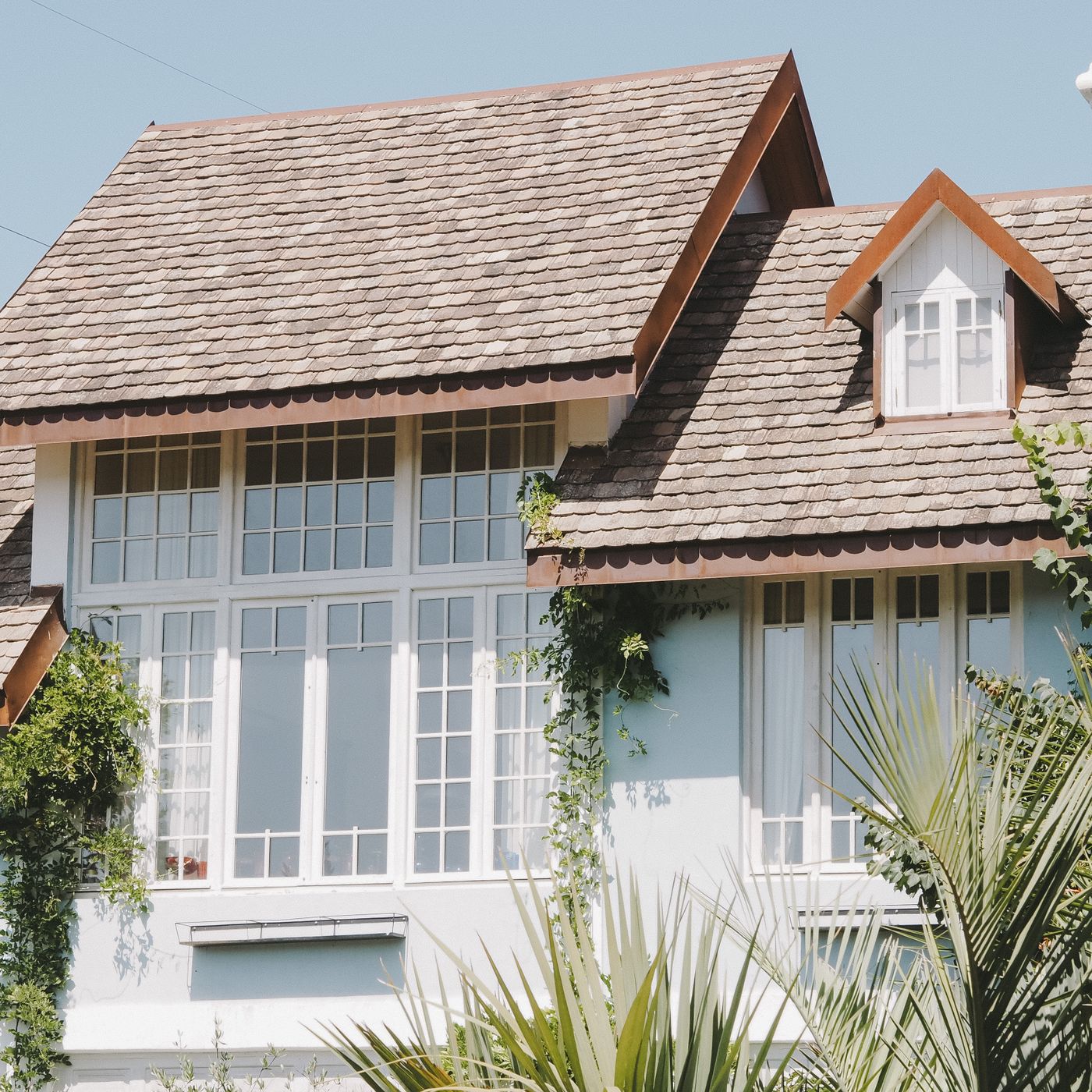
You get before and after pictures of every joint we rebuilt.
Yours to keep.
Flashing is checked on every free inspection, and the written price costs nothing.
Book a free inspectionEvery roof has some of these. Older New Orleans houses, with chimneys, dormers and porch roofs, usually have all four.
Brick and roof move differently, so this joint takes two layers of metal that can slide past each other: step flashing below, counterflashing cut into the mortar above.
Where a porch roof, an addition or a dormer meets a wall. Step flashing tucked under the siding, never face-nailed and caulked.
Two slopes pour into one channel here. Metal or woven valleys have to be cut and lapped so water runs past every seam.
Each opening gets its own flashing kit or boot, sized to it and sealed into the shingle courses around it.
A bead of sealant can stop a drip for a season. It is not flashing, and a quote that offers only caulk is pricing a callback.
A small wall joint and a wide brick chimney are very different jobs. These five things set the price.
A pipe boot is a short job. A wide chimney with a saddle behind it can take the best part of a day.
Aluminum, galvanized steel and copper cost very differently, and some older houses call for copper to match.
If water has rotted the sheathing or framing, that wood is replaced before new metal goes on.
Steep and high joints take more setup to reach safely.
Counterflashing sits in the mortar. Crumbling joints may need attention before new metal can hold.
Every flashing job gets a written price once the joint has been looked at. Prefer to write? Send the details through our contact page.
Free, written, and priced joint by joint.
Most flashing quotes come down to one choice. This is how the two usually compare.
Quote A is a made-up example assembled from sealant-only shortcuts. It is not a real quote, and no real business is being described.
Not sure the flashing is to blame? A free inspection settles it either way.
Talk to a roofer504-229-3955Usually aluminum or galvanized steel, sometimes copper on older houses. Plumbing vents use rubber boots, and valleys can be metal or woven shingle.
A small lifted section can sometimes be refastened and sealed. Rusted, cracked or badly installed flashing is replaced, because patching it only moves the leak.
Wind-driven rain gets behind flashing that a gentle shower never reaches. It usually points to the counterflashing or the back of the chimney.
Always. Reusing old flashing under a new roof is one of the most common shortcuts in low bids, and it is where new roofs start leaking. The roof replacement page has more.
It depends on the joint, the metal, and what the water has done to the wood behind it. Checking it costs nothing and so does the written price, so you know the number before we start.
For a hairline gap on otherwise sound metal, as a stopgap. It is not a repair, and we will tell you when that is all it is.
Name and phone are enough. We call back the same business day.