Answered Around the Clock
Nights, weekends and storm days. Leave the form for later and pick up the phone.

Tarped the same day, around the clock. The water stopped first, the damage photographed for your claim, and the permanent repair priced once it is dry.
In a roofing emergency the first job is not the repair. It is stopping the water tonight and recording the damage before anything is moved.
Big Easy Roofing Company answers emergency calls across New Orleans and thirteen surrounding cities, named storms included. A crew comes out, secures the opening with a tarp or a temporary patch, and photographs the damage before it is disturbed.
The permanent fix comes later, once the roof is dry and you have a written price in hand. Often that is a roof repair. After a bad storm it can be more, and the inspection report says which.
Nights, weekends and storm days. Leave the form for later and pick up the phone.
A tarp or a temporary patch goes on first, so the rain stops reaching the house.
The damage is recorded before it is cleaned up, which is the evidence an adjuster wants to see.
Most roof problems can wait for a weekday appointment. These cannot, because every hour lets more water into the house.
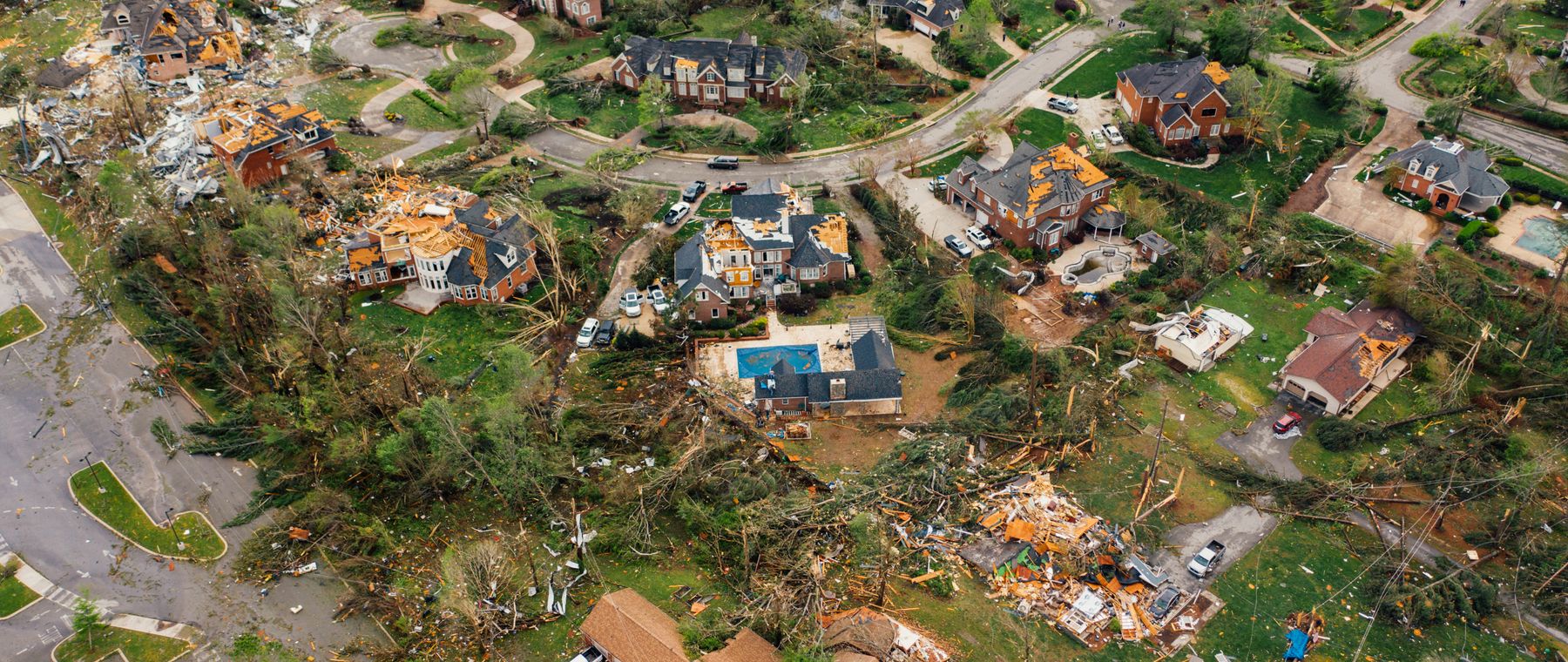
Even when nothing looks broken from below, a falling limb can crack the decking and open a hole the next rain will find.
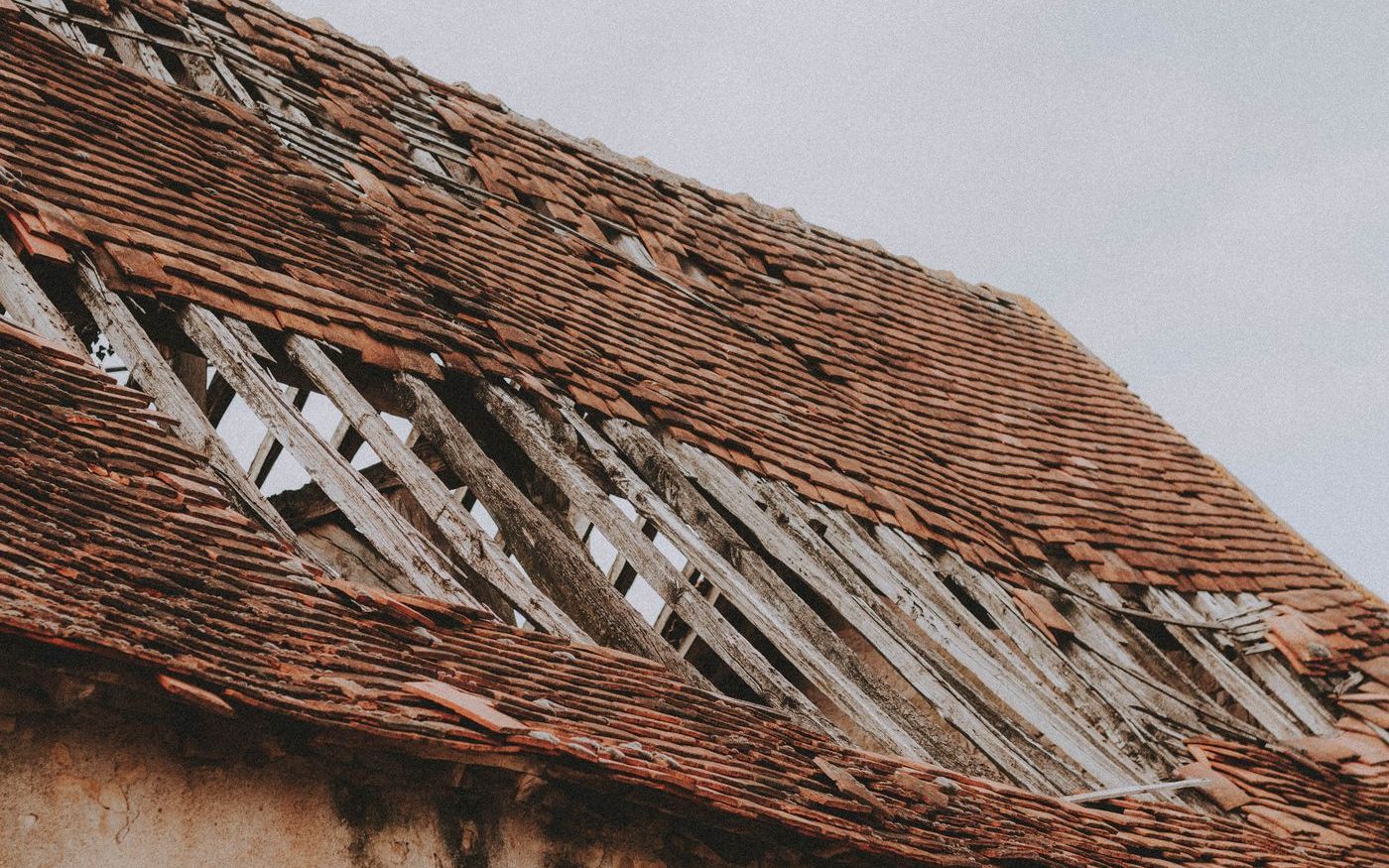
Missing shingles leave only underlayment, or nothing at all, between the sky and the attic.
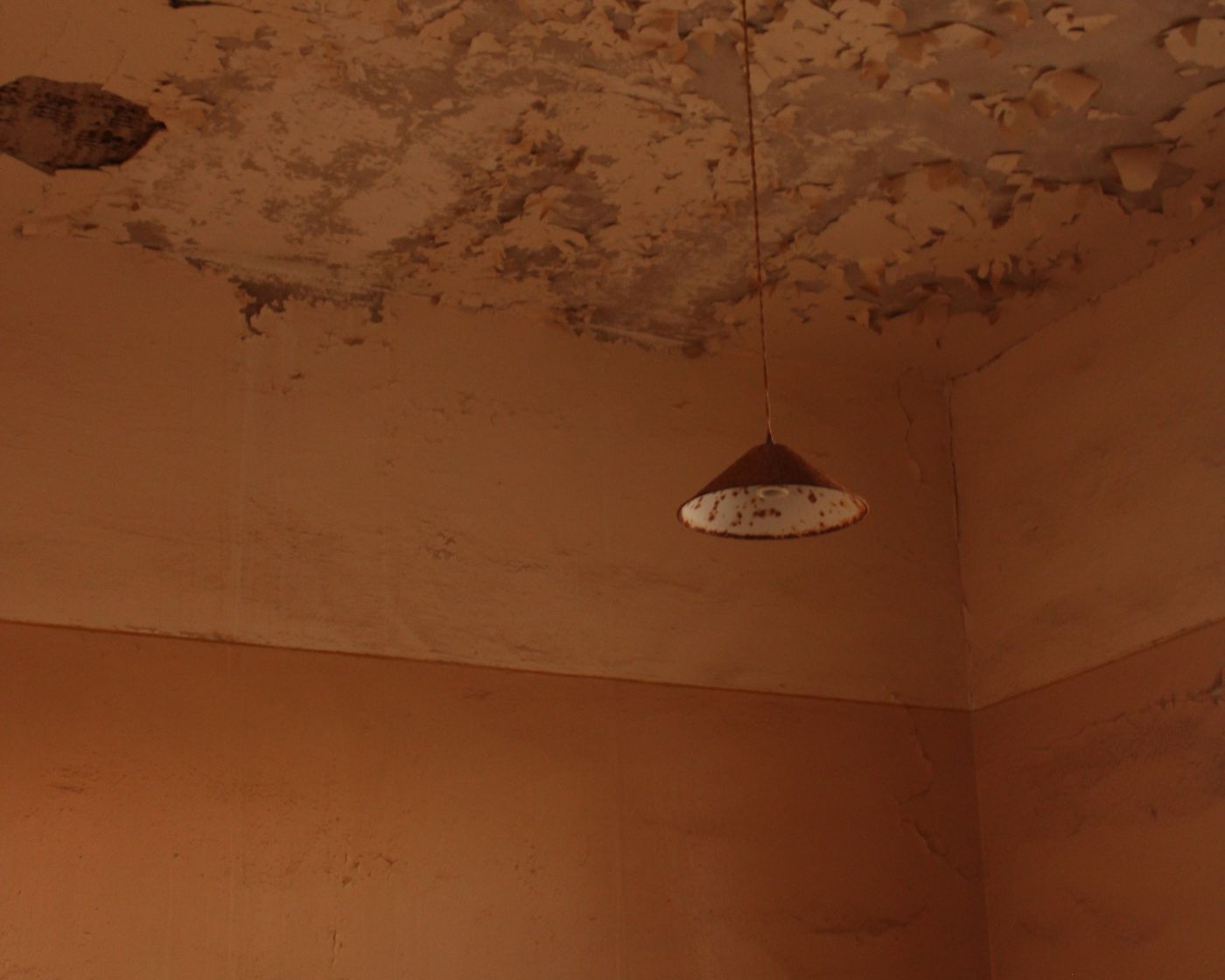
An active drip means water is already inside. A sagging patch of ceiling means a lot of it is sitting above you.
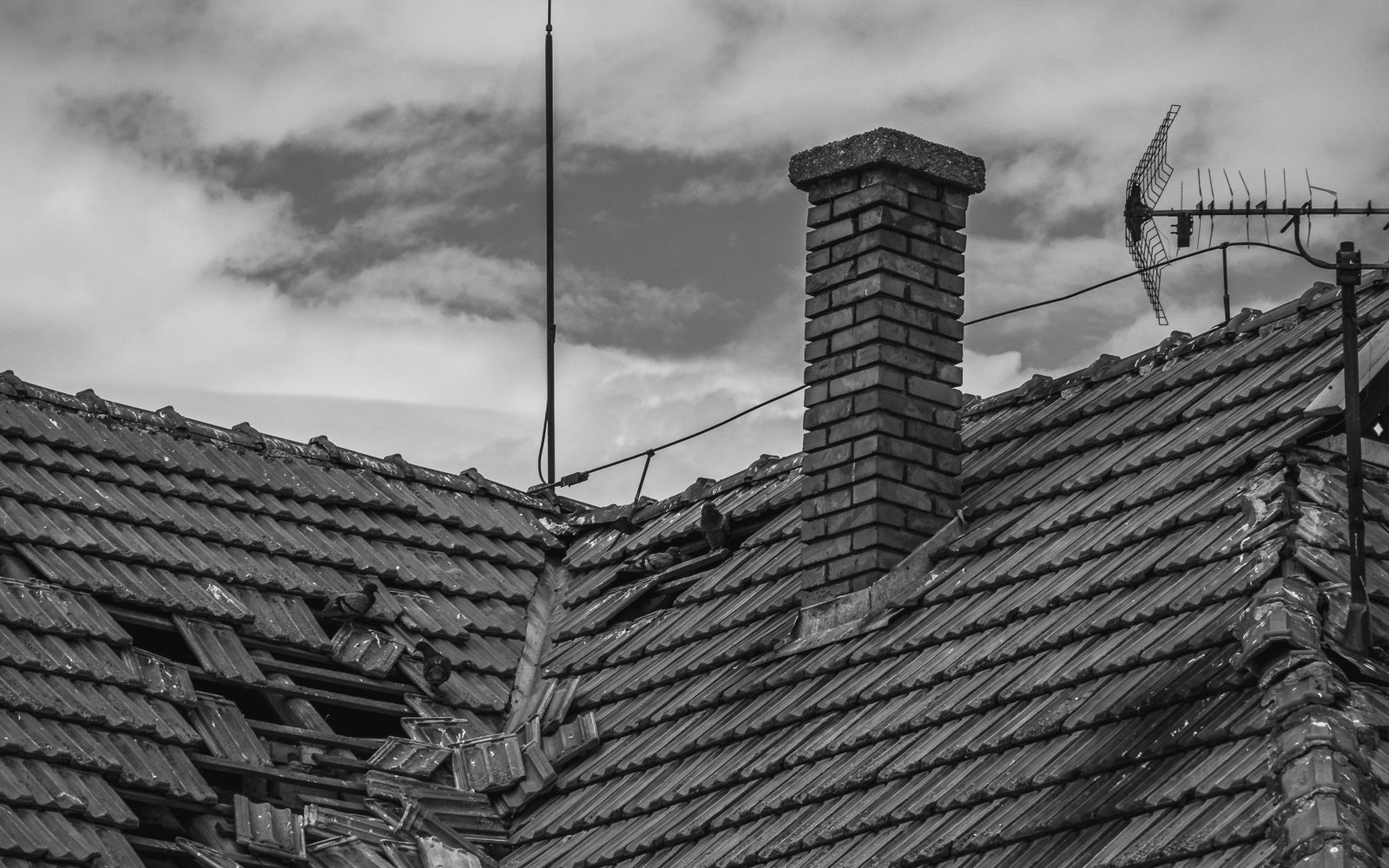
Lifted and broken pieces after high wind let the next band of rain straight in.
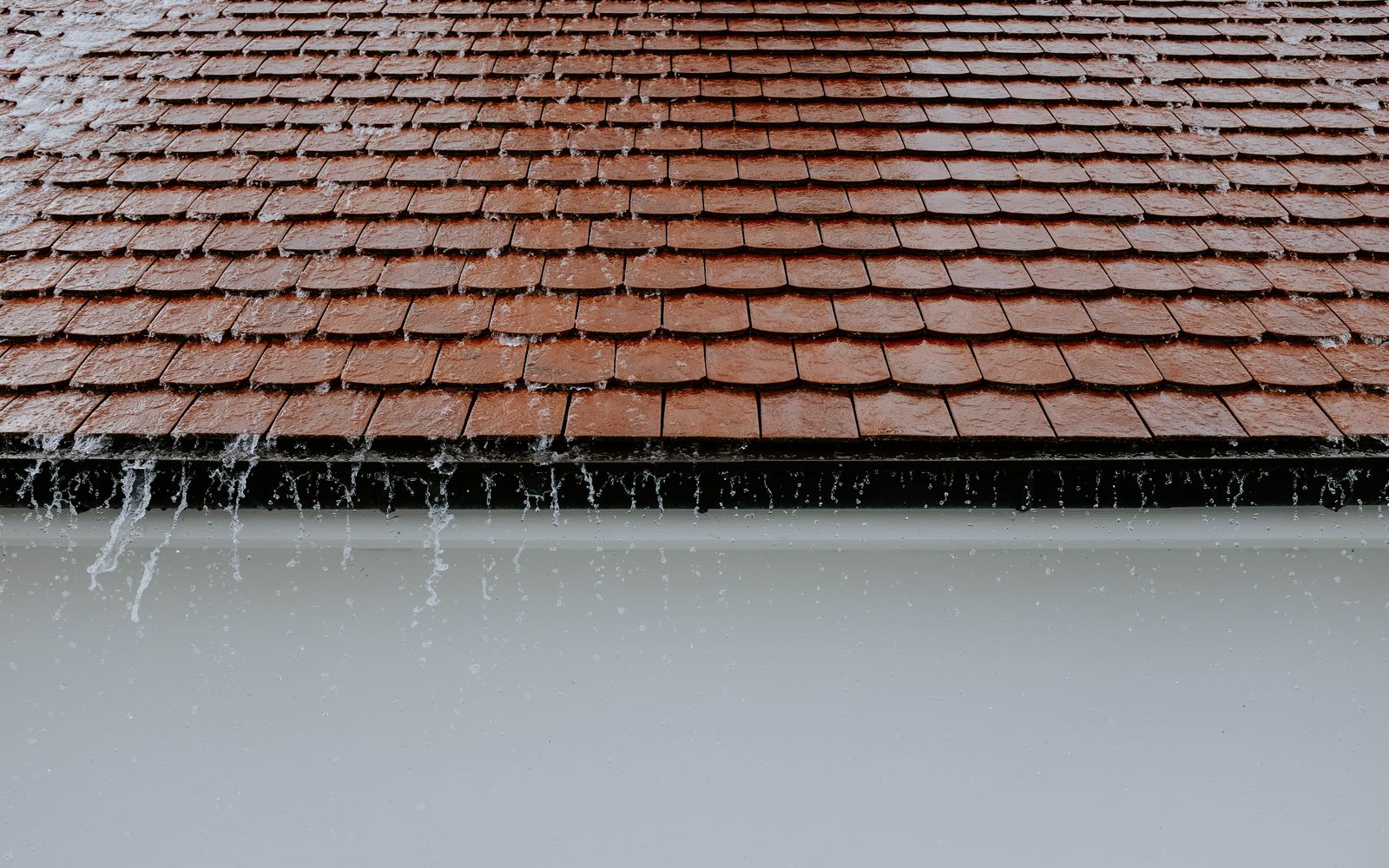
Rain sheeting down an inside wall or a window frame during a storm often starts at the roof edge.
If the roof already has a weak spot, securing it before landfall costs far less than drying the house out afterward.
Any of these happening now? Call rather than filling in the form.
Call 504-229-3955Eight steps from the phone call to a finished repair. The first four happen fast. The rest wait until the roof is dry and you have seen a price.
Tell us where the water is and what happened. If anyone is at risk, get everyone clear of that room first.
Around the clock, storm days included.
We confirm the address and what we will need, and give you a straight answer on timing.
Same-day tarping across the metro.
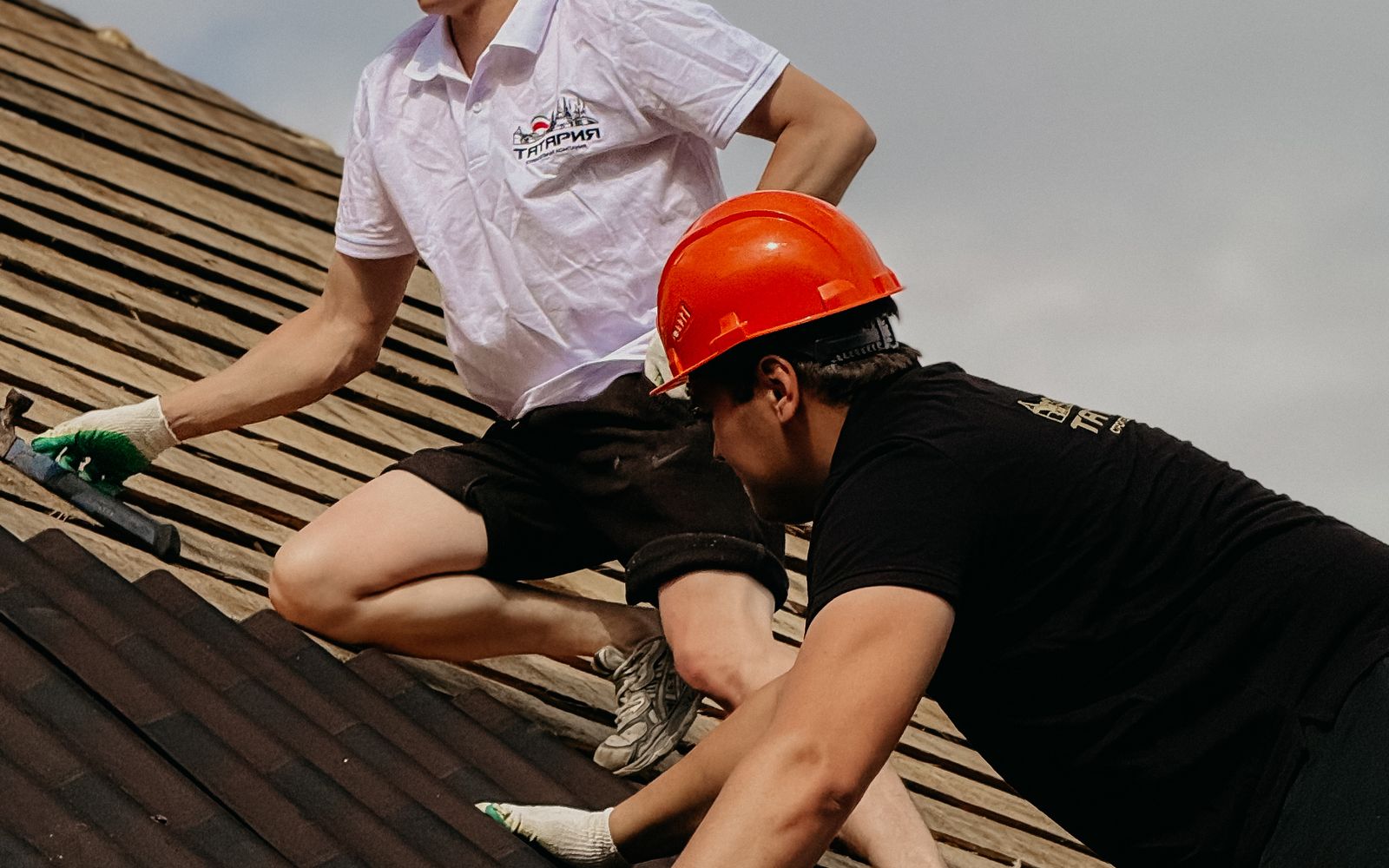
Loose pieces are taken down or weighed down, and anything that could fall or blow is dealt with first.
Safety before speed.
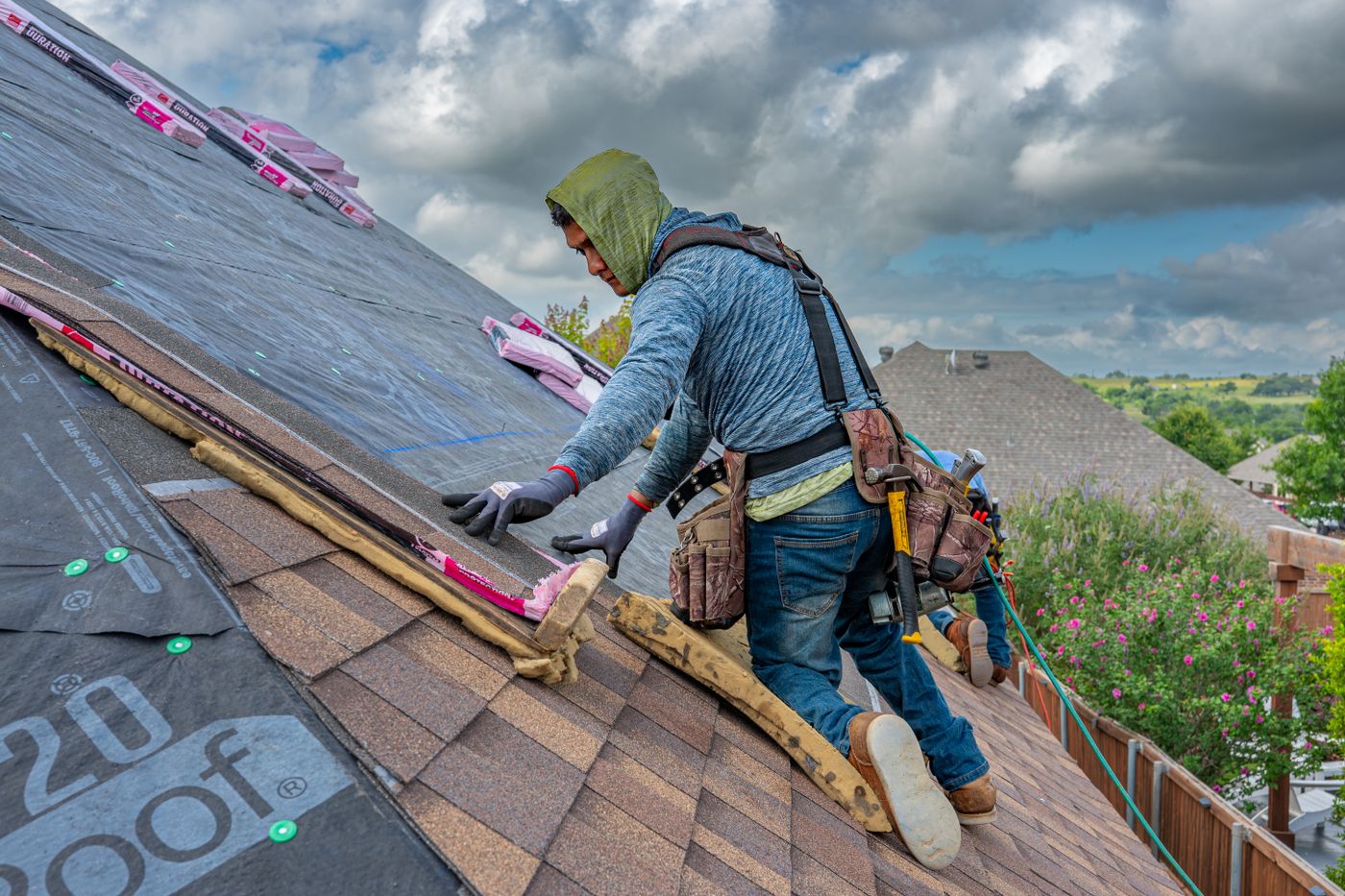
The opening is covered with a tarp fastened well past the damage, or sealed with a temporary patch if it is small.
Temporary, and we say so.
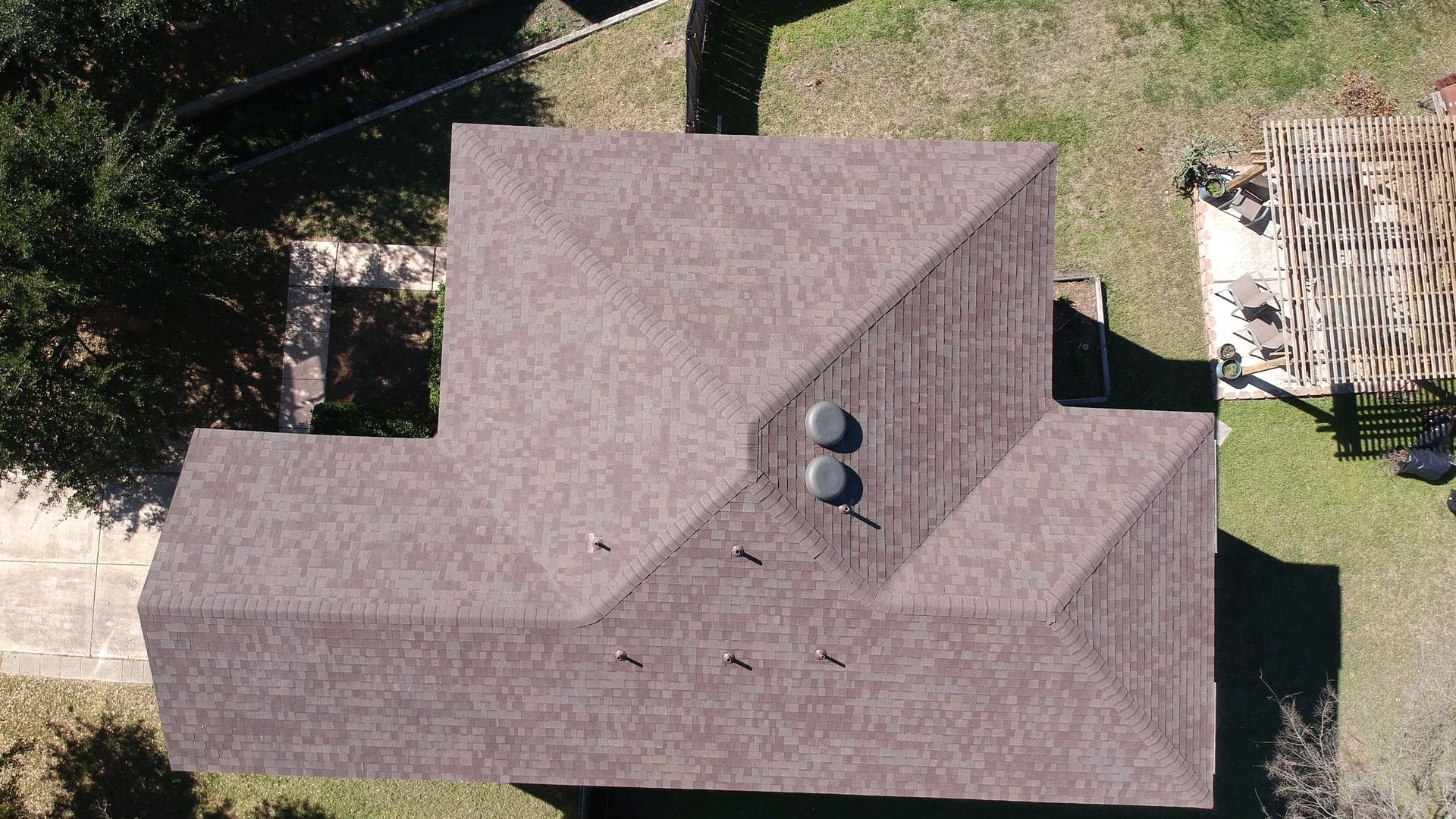
Every piece of damage is recorded before it is cleaned up, in wide shots and close ones.
The photos are yours.
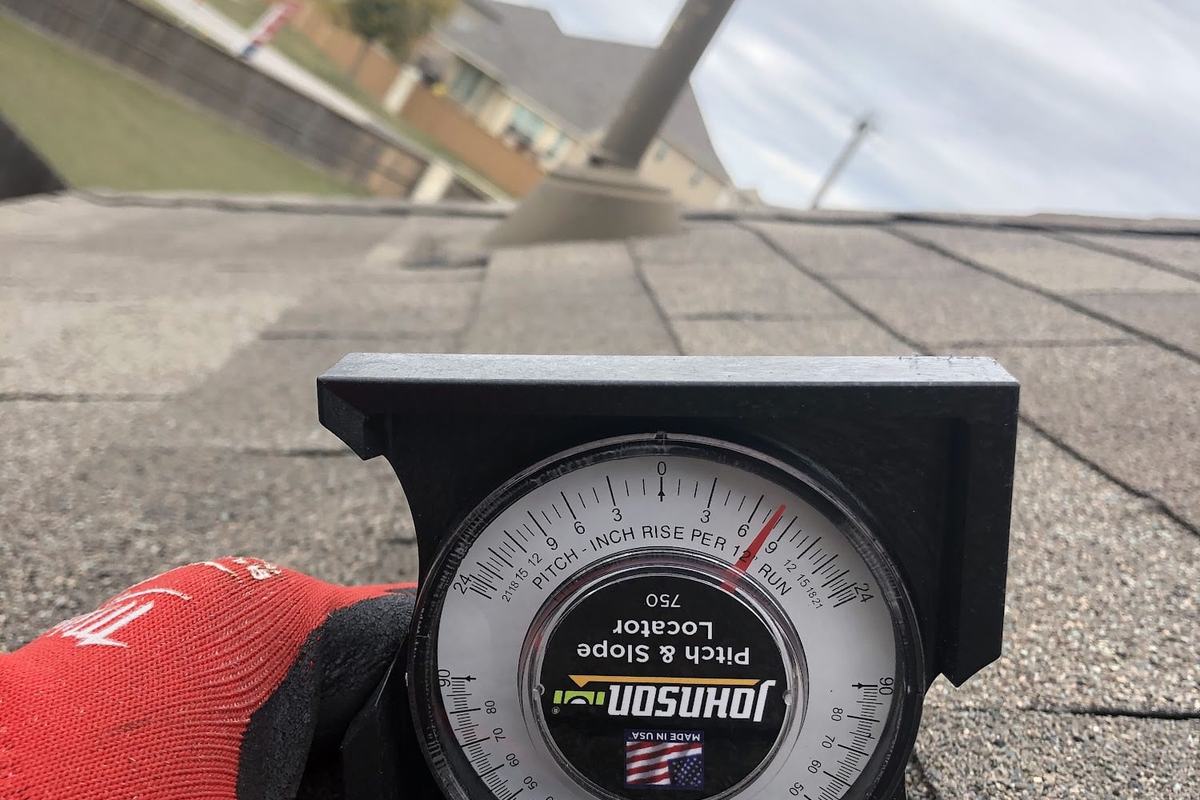
A proper look at the whole roof and the attic, not just the spot that failed.
Free, like every inspection.

What the permanent repair involves and what it costs, set out before any of it starts.
Your adjuster can work from it too.
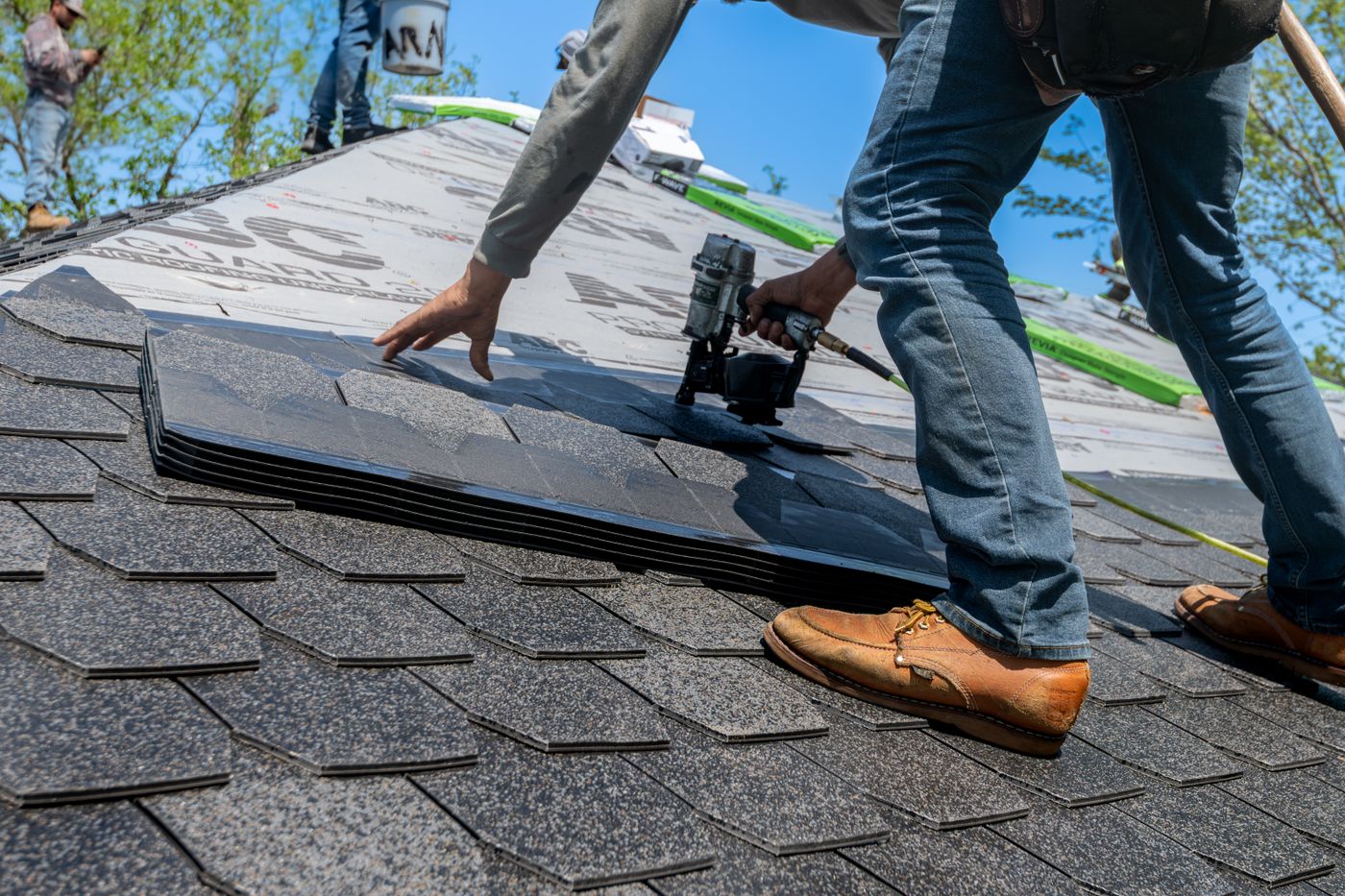
The tarp comes off and the roof is put right, by the same crew that secured it.
Nothing is subcontracted.
Water coming in now? Call 504-229-3955. The form is for anything that can wait a day.
Book an inspectionMost emergency calls are one of these. Each is secured the same way first, then repaired on its own terms.
Shingles, ridge caps and flashing lifted or torn away by wind. Secured first, then photographed for the claim.
A limb through the roof means the tree moved and the hole covered the same day. The deck under it is checked before anything is closed up.
A leak that appears in a storm, usually at a flashing or a lifted edge. Covered now, traced properly once it is dry.
Cracked or bruised shingles and dented metal after hail. Rarely an emergency on its own, unless something has broken through.
It keeps the rain out for now. Left up through a season, sun and wind wear it through, so the permanent repair should follow within weeks, not months.
The temporary cover and the permanent repair are itemized separately, and these five things move both.
A few lifted shingles take a patch. A torn slope takes a large tarp fastened well past the damage.
Working safely in wind, rain or darkness takes more hands and more time.
Near a chimney, a valley or a wall, the cover has to be shaped and sealed around it.
Wet or broken decking found once it is dry changes the size of the permanent repair.
Storm damage is often covered and wear usually is not. The photos and the written scope help your adjuster decide.
The permanent repair is priced in writing before it starts, the same as any other job. Not urgent after all? Book an inspection through our contact page.
For anything that can wait a day. For water coming in now, call.
After every big storm, out-of-town crews knock on doors. This is how their offers usually differ from a call you made yourself.
Quote A is an illustrative composite of common storm-chaser tactics. It is not a real quote from any company, and no competitor is named or implied.
Water coming in right now? Stop reading and call 504-229-3955.
Talk to a roofer504-229-3955Water coming into the house, an opening in the roof, or damage a storm is about to make worse. A stain that has not changed in a month can wait for a normal inspection.
Yes. The emergency line answers around the clock, and tarping goes on in the dark when it has to. Anything that is not urgent is booked for daylight.
No. A wet, damaged roof is the most dangerous kind to stand on. Put buckets under the drips, move valuables, and keep clear of any ceiling that is sagging.
Many policies expect you to prevent further damage, so temporary protection is often part of the claim. Keep the invoice and the photos, and check your own policy. The insurance claims page covers how we help.
A few weeks is normal while a claim is settled and materials arrive. Much longer than that, and sun and wind start to wear it through.
Yes. We do not subcontract, so the people who secured the roof are the ones who come back to fix it.
Name and phone are enough. We call back the same business day.