Tested, Not Guessed
A sample goes to a lab before any plan is made. Nothing is assumed from the look of it.

Tested before it is touched. Asbestos confirmed by a lab first, removed and disposed of under the rules, and the new roof priced on the same written estimate.
An asbestos roof is fairly safe while it is left alone and dangerous once it is broken. Taking one off calls for testing first, containment and legal disposal, never a crowbar and a dumpster.
Some older New Orleans houses, sheds and garages still carry corrugated cement sheets or slate-look shingles made with asbestos. Big Easy Roofing Company starts every one of these jobs with a sample sent for testing, because nobody can tell by looking.
If the result is positive, removal and disposal follow Louisiana and federal asbestos rules, and the estimate names who carries out each part. Then the roof is rebuilt like any roof replacement.
A sample goes to a lab before any plan is made. Nothing is assumed from the look of it.
Sheets are kept damp and lifted off whole where possible, with the ground around the house covered.
The replacement roof is priced on the same estimate, so there is one plan from first test to last shingle.
None of these proves it. Only a lab test does. But each one is a reason to test before anybody drills, cuts or tears off.
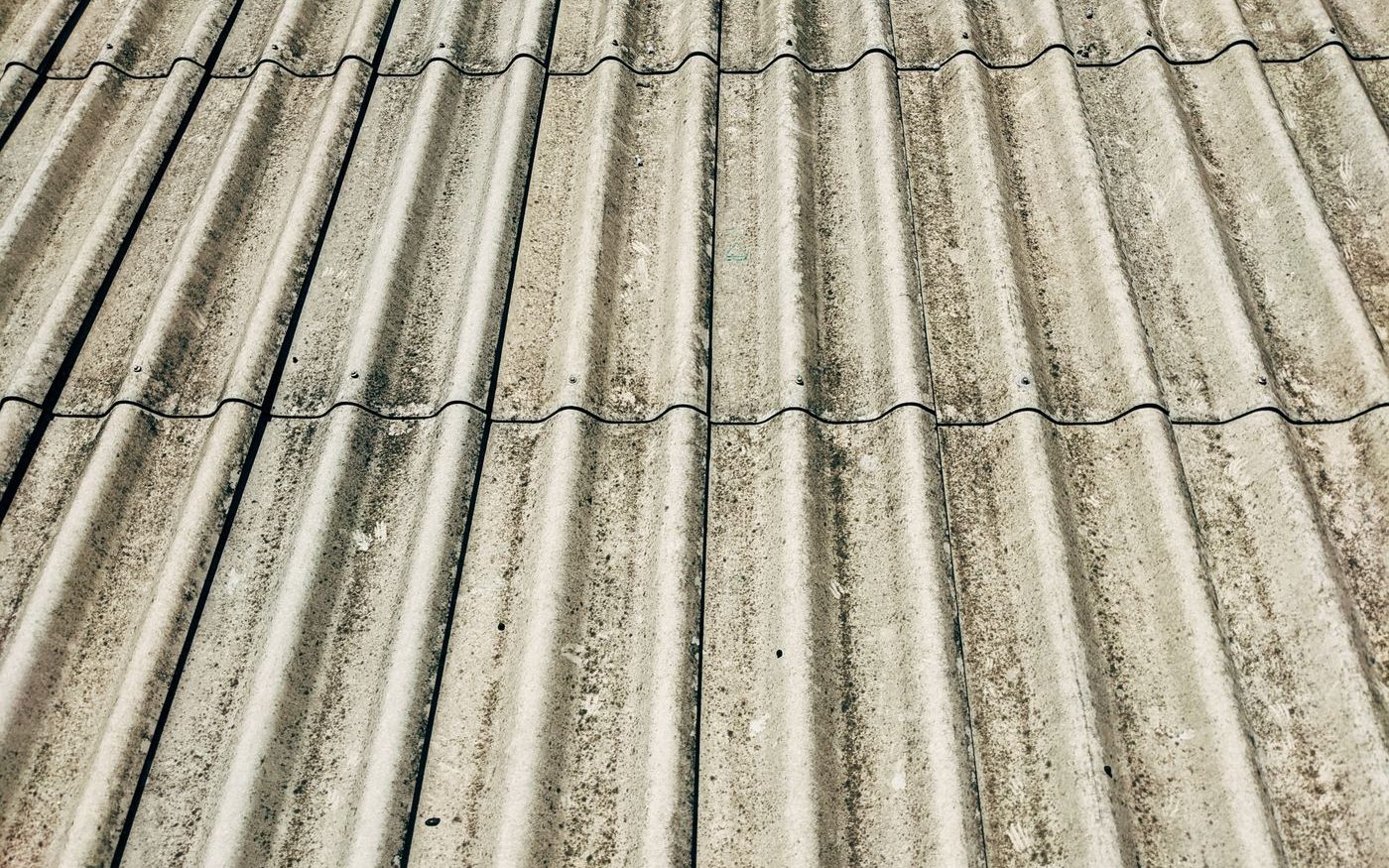
Gray, ribbed sheets on sheds, garages and porch roofs were often made with asbestos cement until the 1980s.
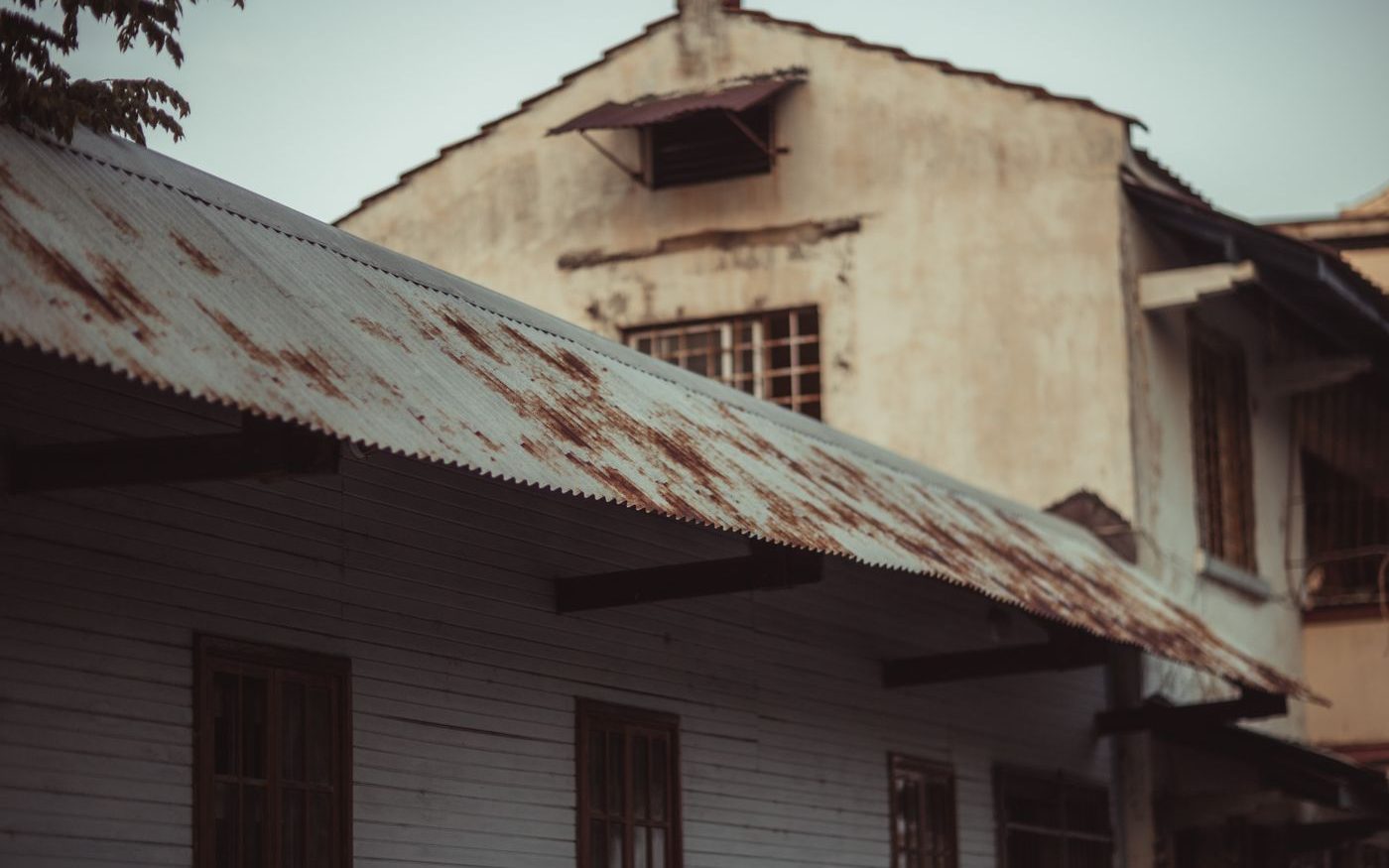
Outbuildings were roofed with whatever was cheap at the time, and cement sheet often was.
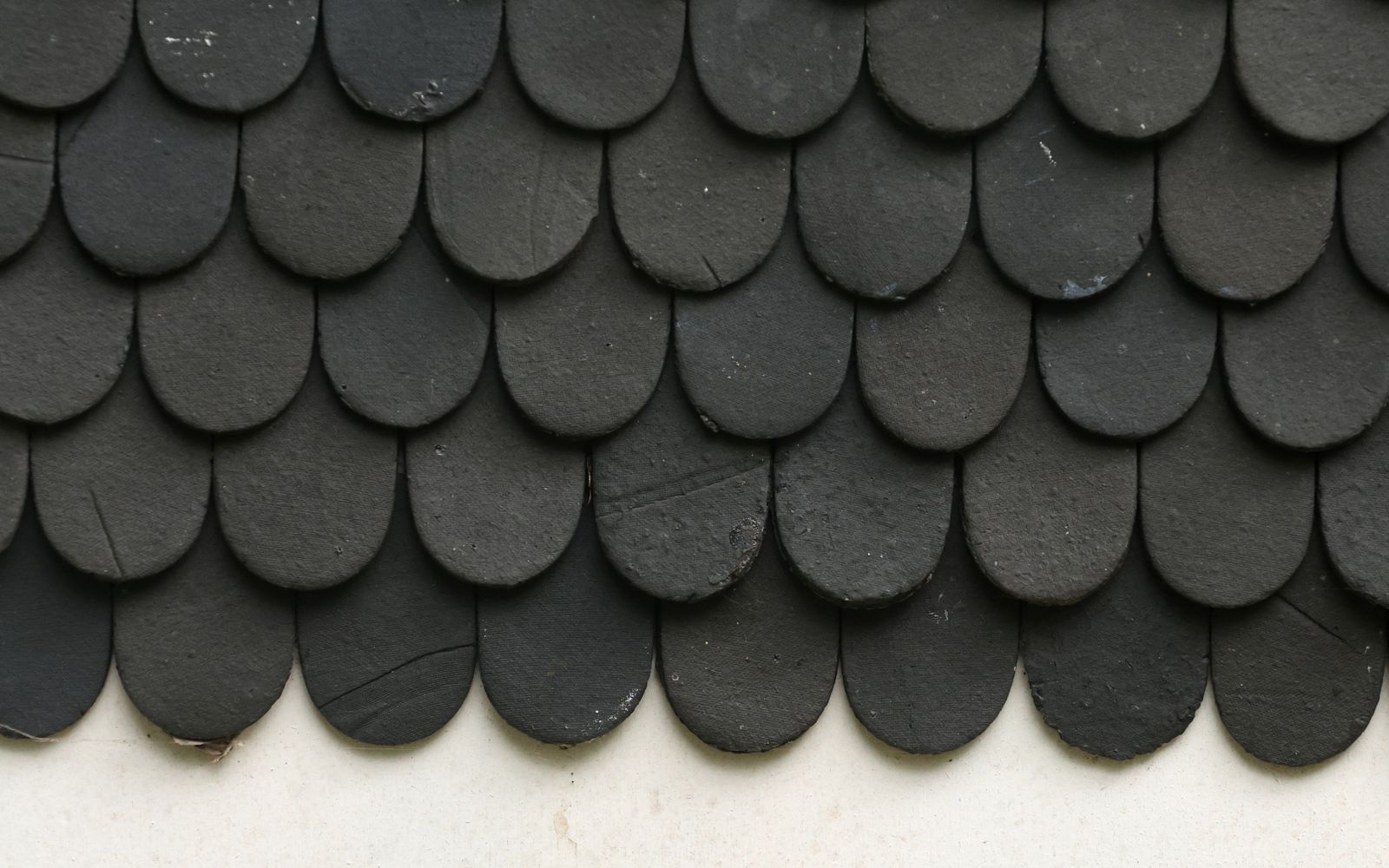
Some old slate-look shingles are asbestos cement. They are more brittle than real slate and often chip at the corners.
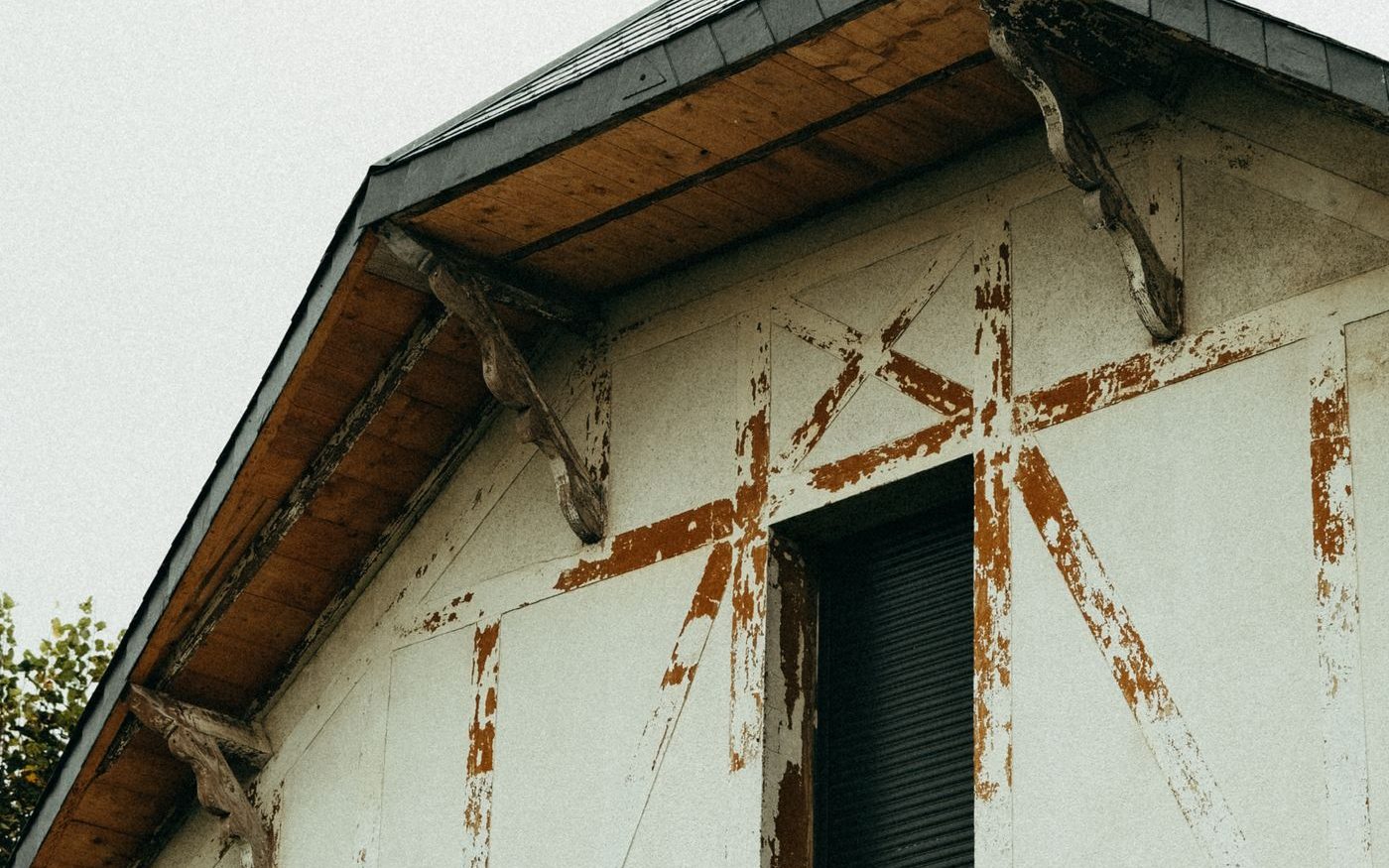
Cement sheets that flake, crack or powder at the edges are the ones most likely to release fibers.
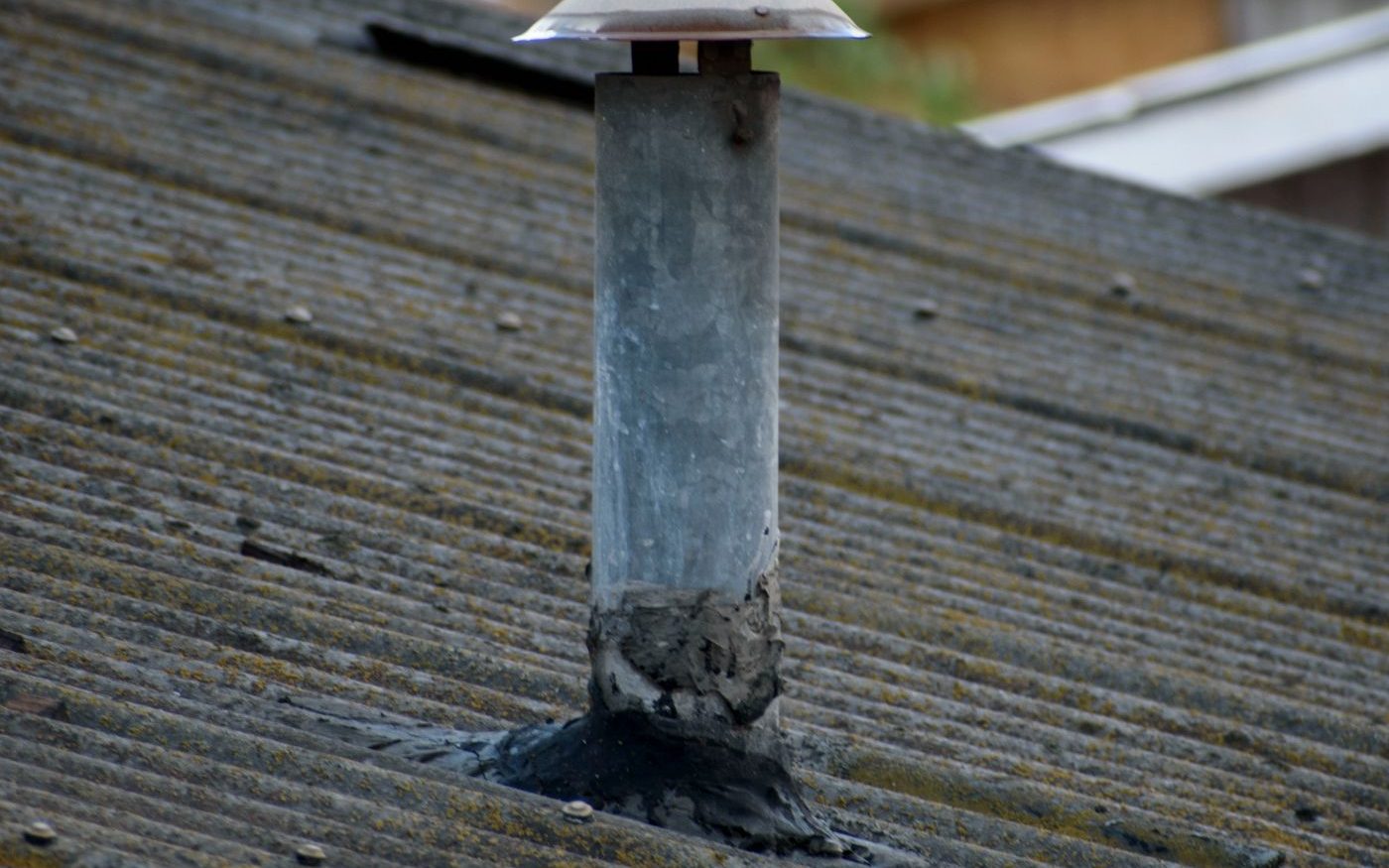
Houses and outbuildings roofed before the mid-1980s are the ones most likely to have it.
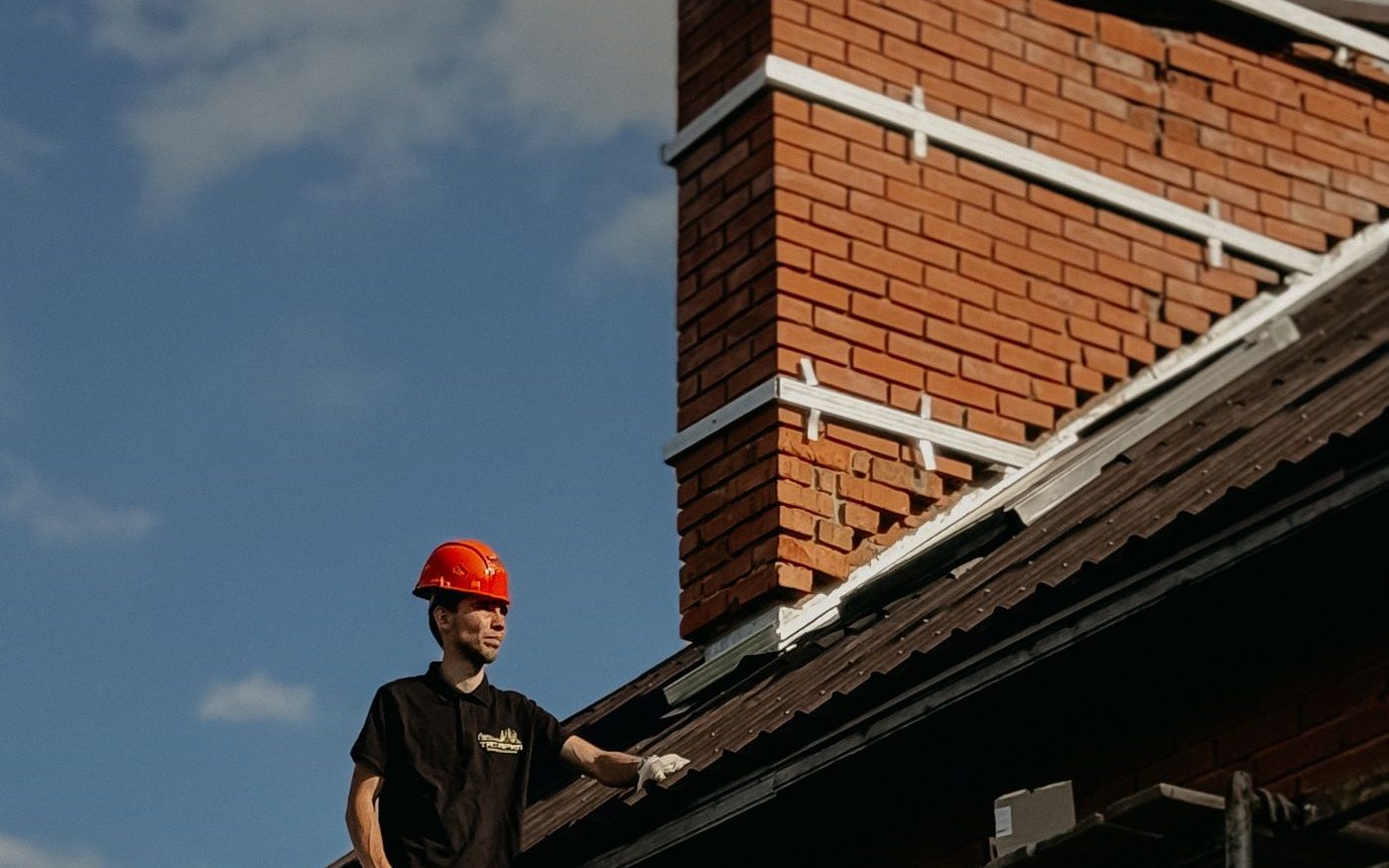
Drilling, cutting or walking on an old roof breaks it. Test before a new vent or a repair goes in.
Recognize one of these? Do not break a piece off to check. Call and describe it instead.
Book a free assessmentEight steps. Nothing is cut, drilled or lifted until the test result is back and you have the written plan.
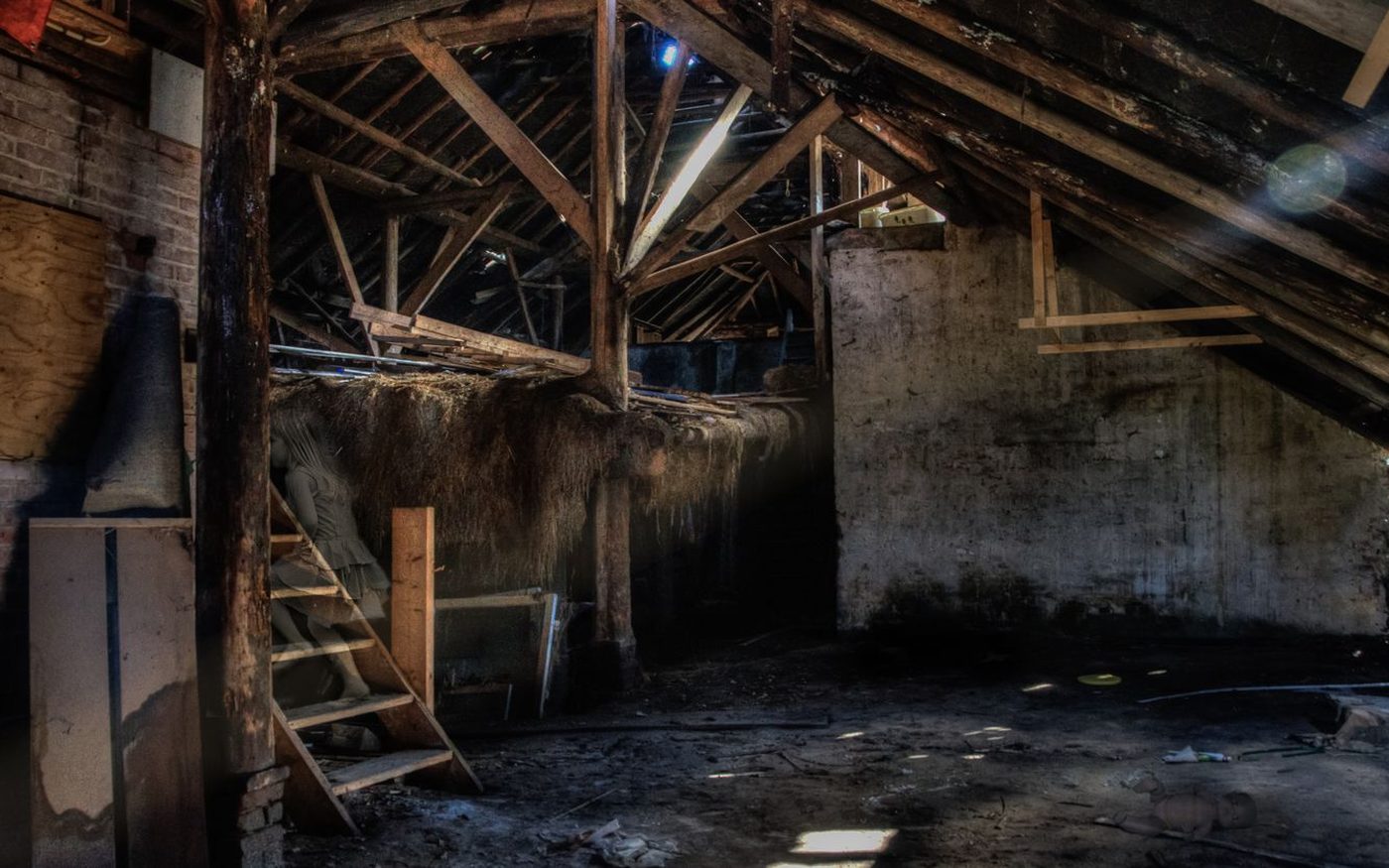
We look at the roof from the ground and from the attic without breaking anything, and note what might be asbestos.
Nothing is disturbed.
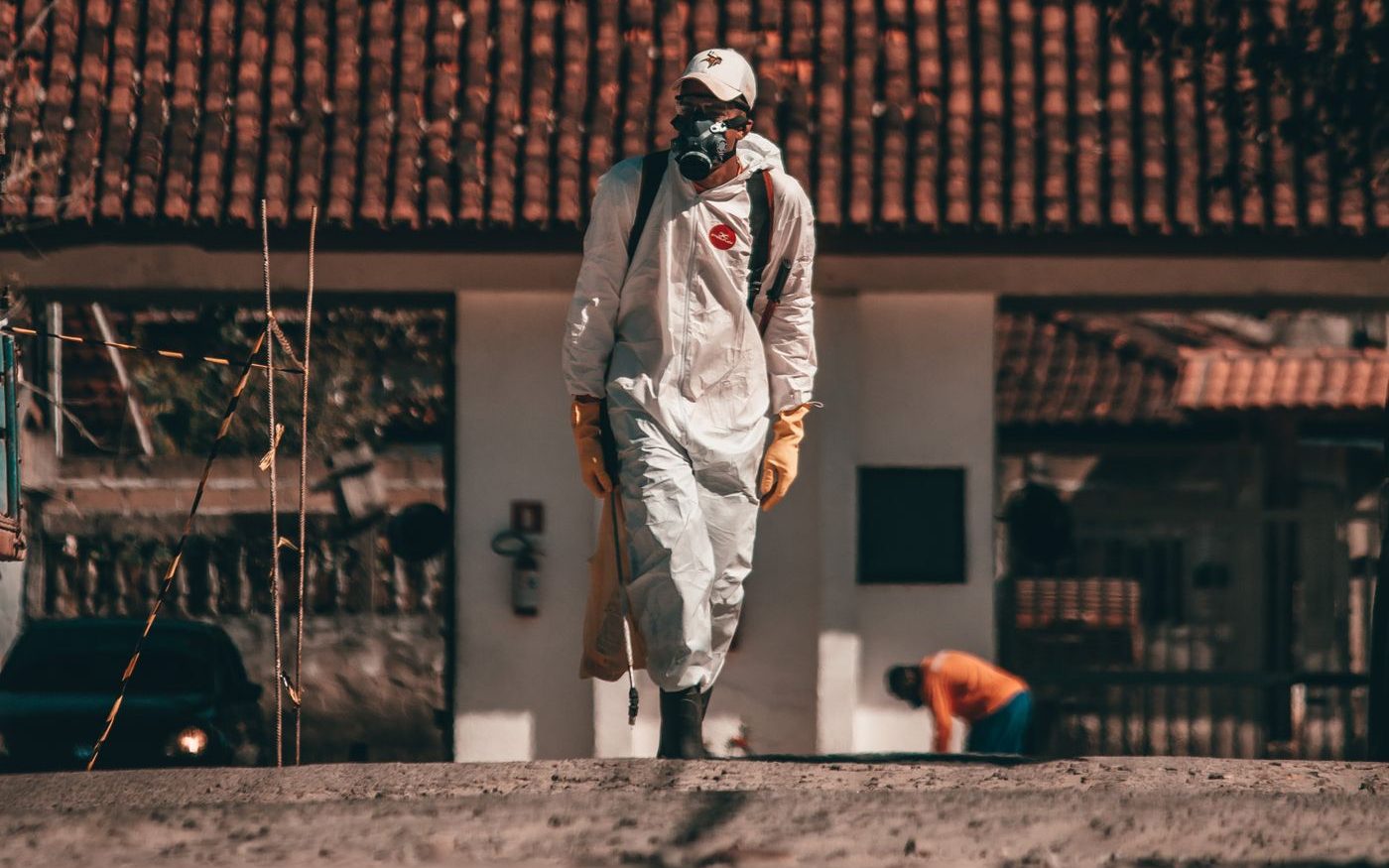
A small sample is taken with care and sent to a lab. The result decides everything that follows.
No test, no removal.

Who does each part, how the area is protected, where the waste goes, and what the new roof costs.
Agreed before anything starts.
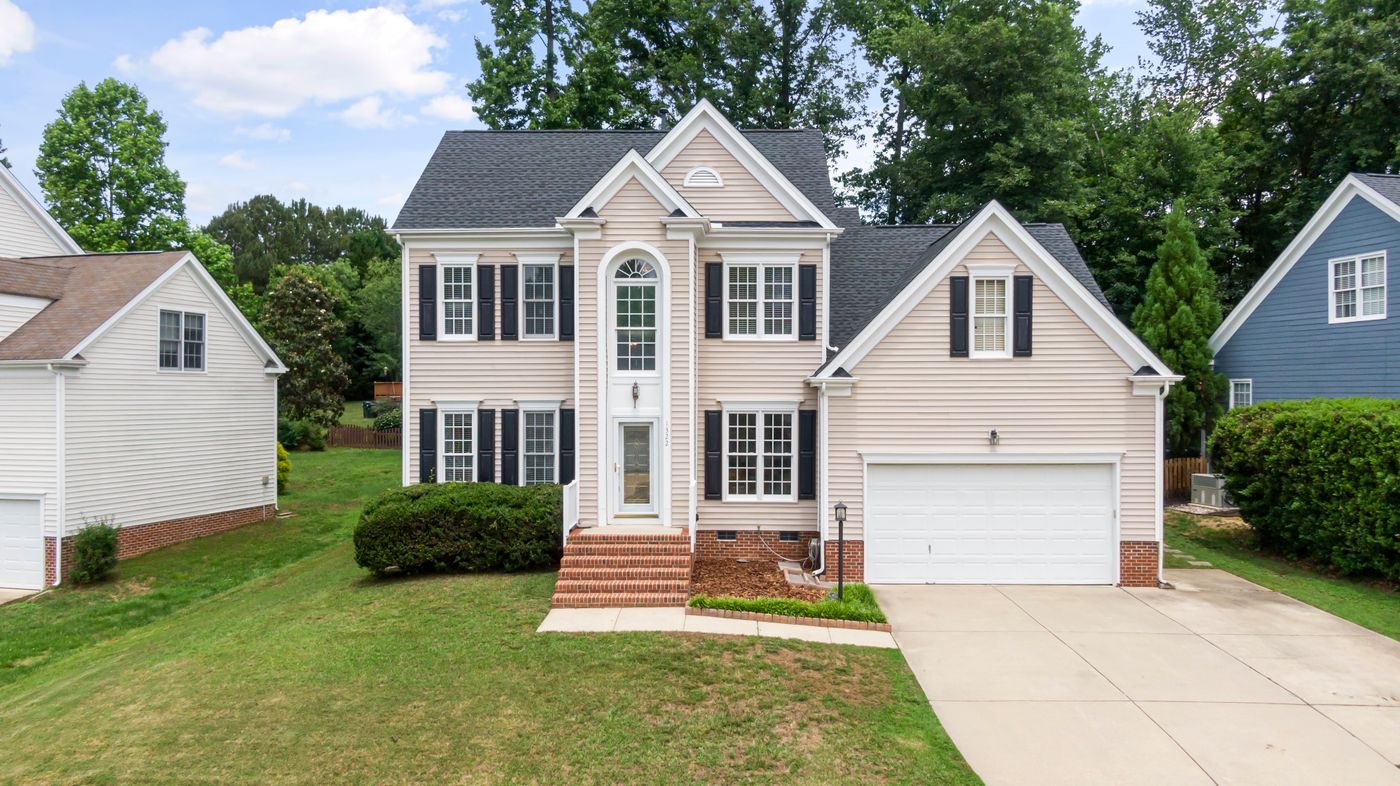
Windows shut, pets indoors, cars moved, and everyone at home told what happens on the day.
You know the day before.
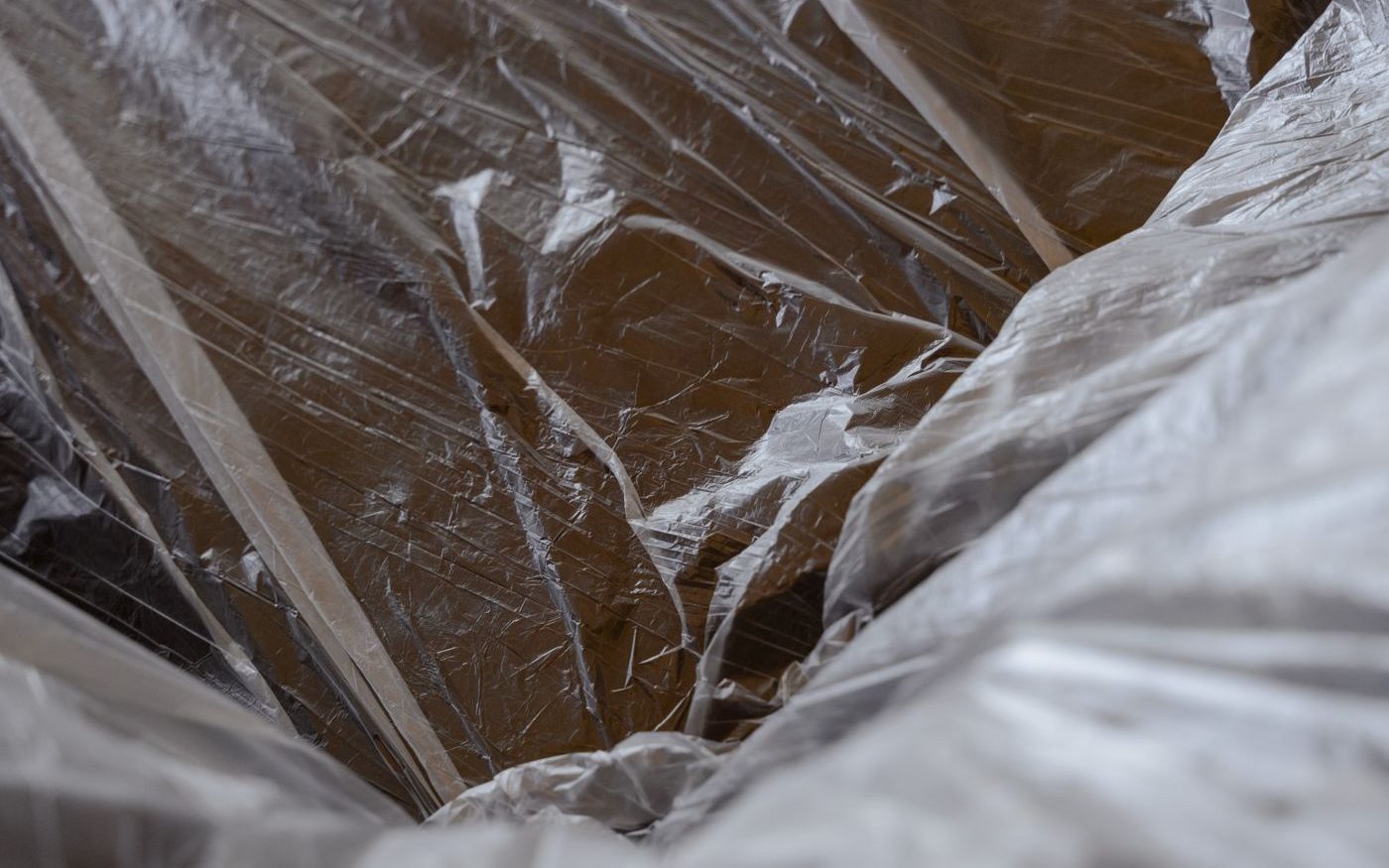
Plastic sheeting goes down around the work area, so nothing lands in the yard, the beds or the gutters.
Sheeting first, always.
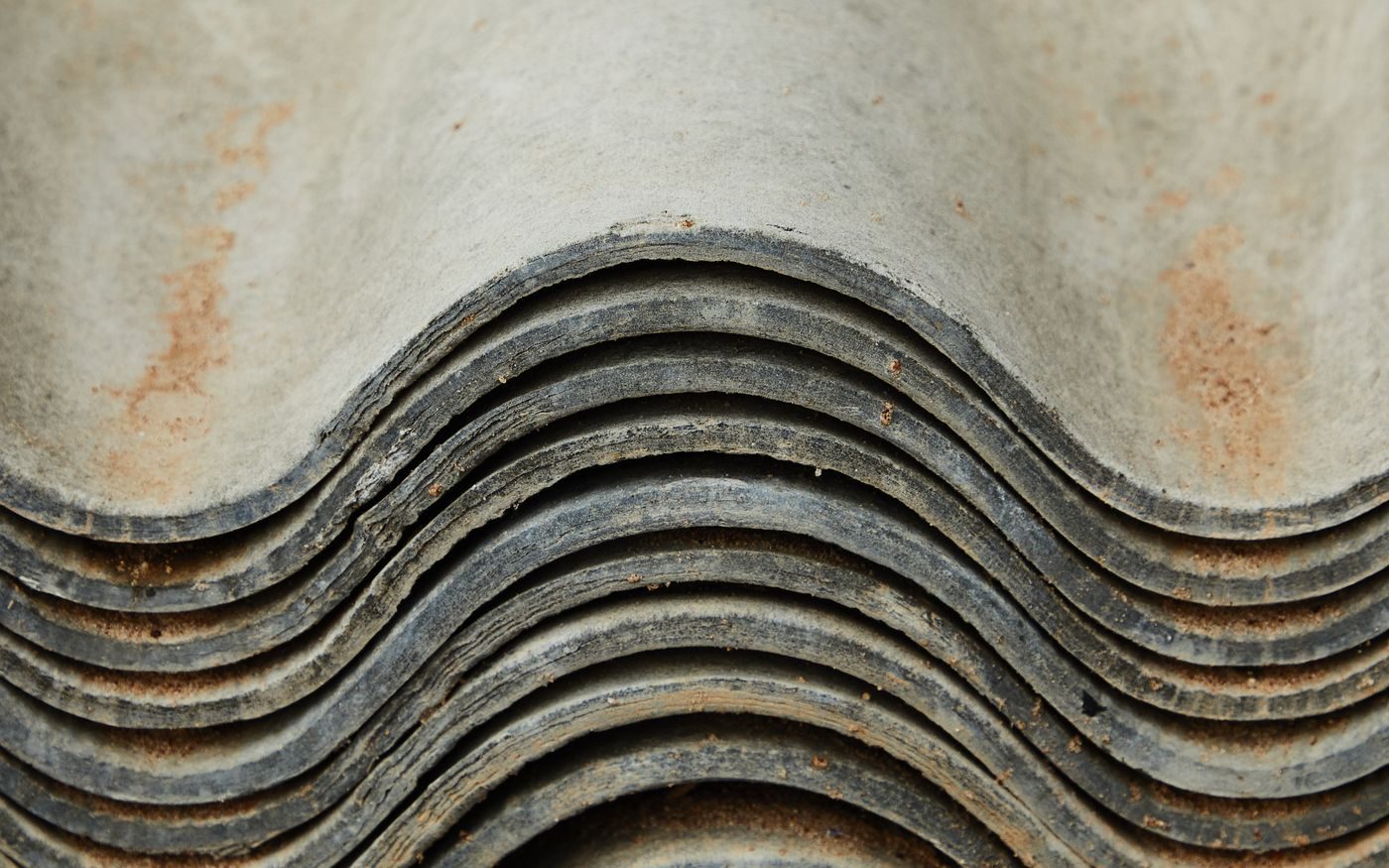
Sheets are kept wet and taken down whole where possible, never smashed up on the roof.
Breaking it is what releases fibers.
Removed material is sealed in heavy plastic and taken only to a site allowed to accept it.
Never an ordinary dumpster.
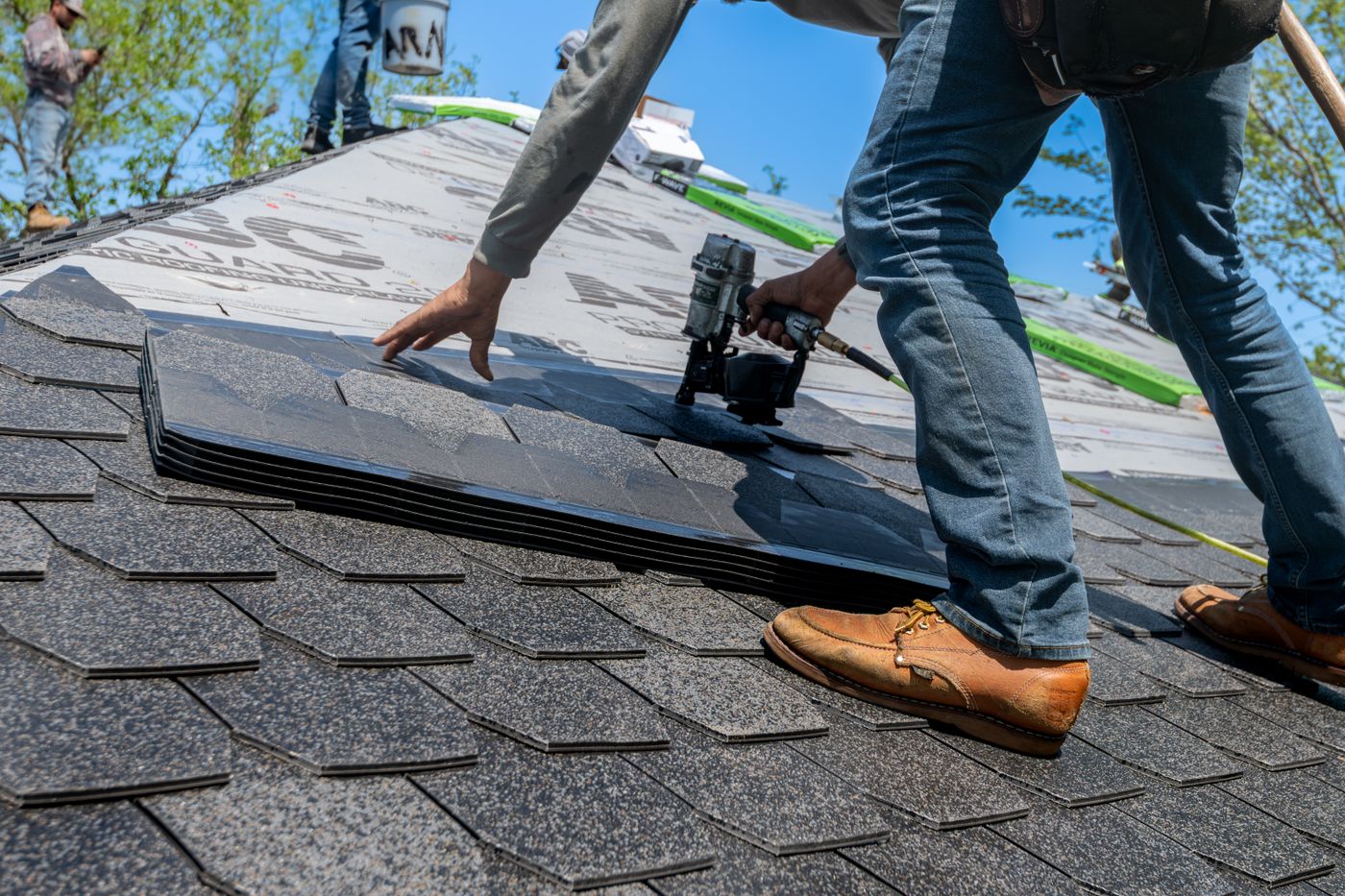
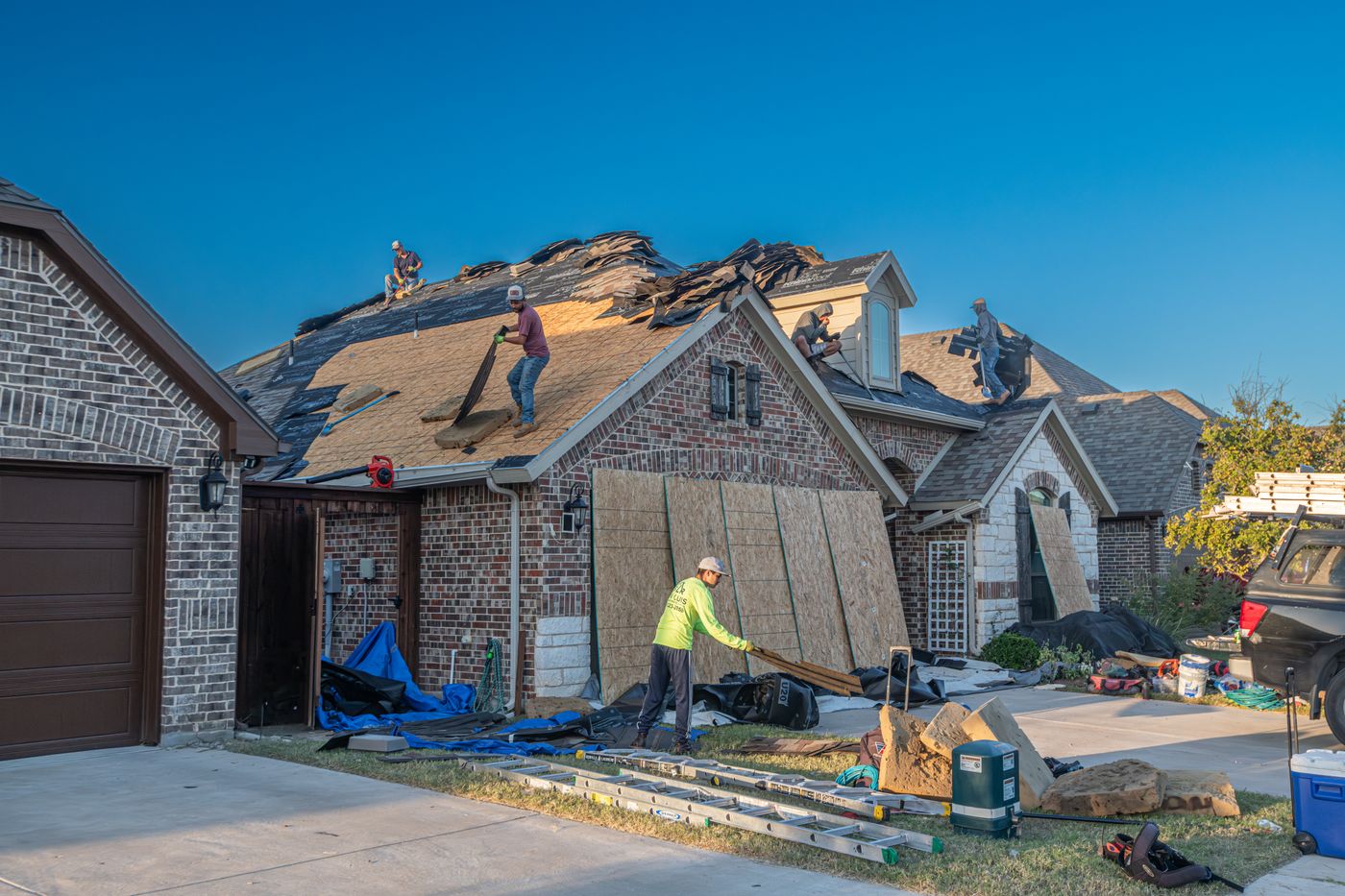
With the old roof gone and the deck checked, the new roof goes on like any other replacement.
Priced on the same estimate.
The first assessment is free, and nothing is touched during it.
Book a free assessmentOnce the old roof is gone, the house gets a normal modern roof. These are the four we fit most often after a removal.
The usual answer on a house. Light, wind-rated, and nothing like the brittle sheets that came off.
Long panels with hidden fasteners, for owners who want the next roof to be the last one.
Sheds, garages and carports that had cement sheet usually get metal panel, which goes on quickly over new purlins.
For flat porch roofs and rear sections, a fully adhered membrane replaces the old sheet.
An intact asbestos roof that nobody needs to disturb can often stay. If yours is one, the assessment says so.
Asbestos removal is priced after the test, never before it. These five things decide the number.
Measured in squares, like any roof, but every square takes longer to take down.
Which parts of the roof actually contain asbestos, and how much of it there is.
Sound sheets come off whole. Crumbling ones need more care and more protection.
The waste has to go to a site allowed to take it, which costs more than an ordinary dump.
Whatever goes back on is priced on the same estimate as the removal.
The first assessment is free and nothing is disturbed during it. Questions before you book? Write to us from the contact page.
Nothing is touched until the lab says what it is.
Asbestos is where the cheapest bid can cost the most. These rows show what to look for.
Quote A is invented for illustration from shortcuts seen in cheap removal bids. It is not a real quote, and it is not based on any one company.
Worried about a shed or garage rather than the house? The same free assessment covers it.
Talk to a roofer504-229-3955Only a lab test can tell you. Age and look are clues: gray corrugated cement sheets and slate-look cement shingles from before the mid-1980s are the usual suspects.
Intact, undisturbed asbestos cement releases very little. The risk comes when it is broken, drilled, cut, pressure-washed or left to crumble.
Please do not. Breaking it releases fibers, and asbestos waste cannot go out with the household trash. Louisiana and federal rules cover how it is handled and where it goes.
We do not install over an existing layer, asbestos or not. It hides the deck and leaves the problem for the next owner.
Usually not for an outside roof, but windows and doors stay shut and pets stay in. Your written plan says what applies to your house.
Any system that suits the house: shingle, metal or membrane. It is priced on the same estimate as the removal.
Name and phone are enough. We call back the same business day.