Specified for Wind, Not for a Catalog
Wind rating and nailing pattern decide whether a roof survives a named storm. Both are installation, not packaging.

Eleven materials, one climate to survive. A plain comparison of what actually lasts on the Gulf Coast, and what each option costs you in trade-offs.
The right roofing material in New Orleans is not the right material in Denver or Phoenix. Heat, humidity, heavy rain and hurricane wind narrow the field considerably.
Some materials that are perfectly sensible elsewhere are a slow mistake here, and we would rather say so at the estimate than at the first named storm. This page is the plain version: what holds up on a Gulf Coast property, what each option asks of you, and where the honest answer is to repair what you already have.
Every material below has its own page. If you already know what you want, go straight to it. If you do not, start with the question that matters most to you and Big Easy Roofing Company will narrow it from there.
Wind rating and nailing pattern decide whether a roof survives a named storm. Both are installation, not packaging.
Tile and slate are heavy. Whether your structure can carry them is the first question, not the last.
Some materials do not suit this climate. You will hear that before you spend, not afterward.
Everybody arrives at this page with a different question. Pick the one that sounds like yours and we will narrow the field from there.
Every material below has its own page. Or skip the reading and ask a roofer directly:
Talk to a roofer504-229-3955
Metal and slate are the two that outlast everything else here. Standing seam metal costs more upfront and gives you a roof that will outlive two or three shingle roofs, with very few places for wind to get a grip. Slate lasts longer still and is already on a lot of historic New Orleans homes.
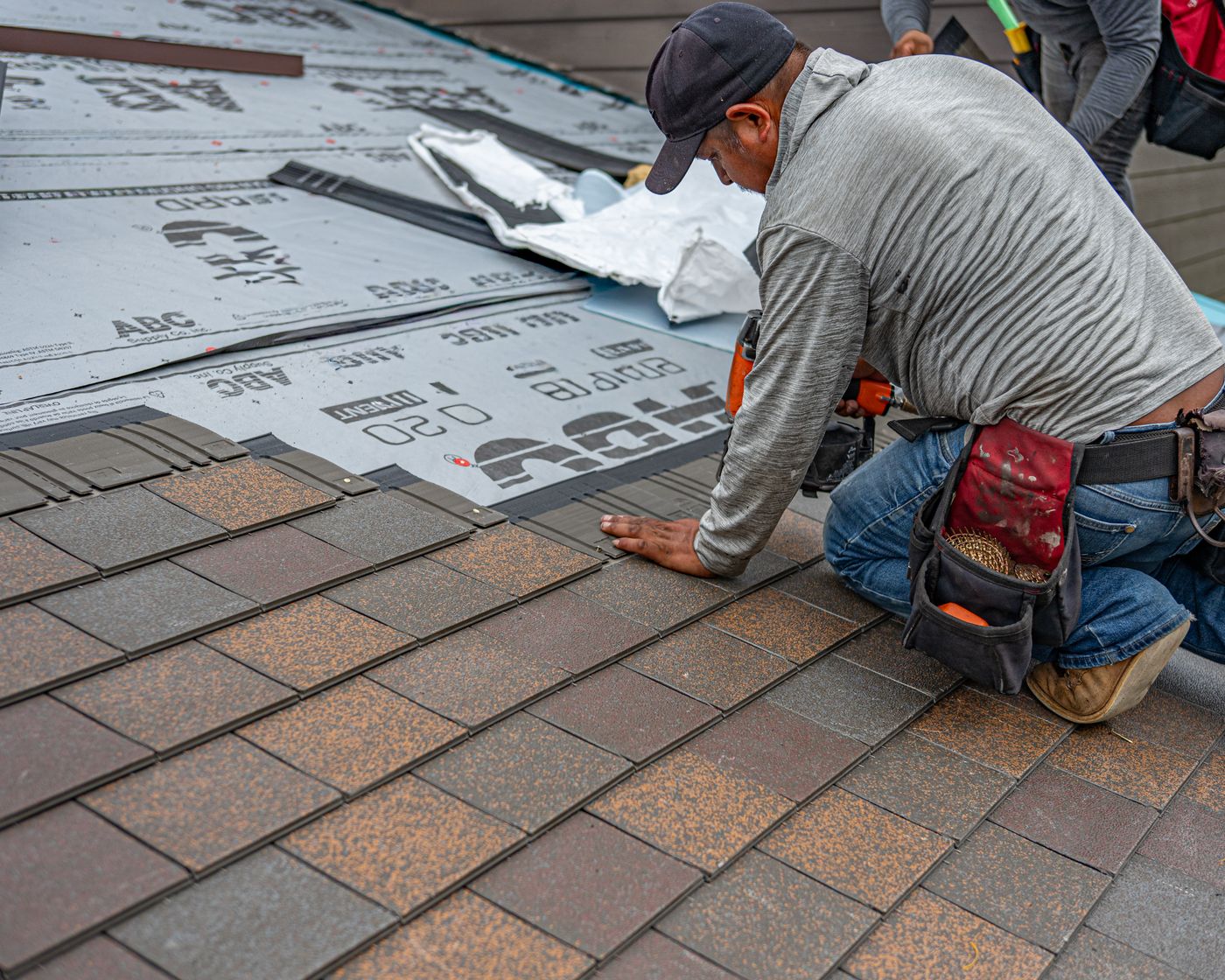
Standing seam metal has the fewest edges for wind to lift. But a correctly installed architectural shingle system is not far behind, and the gap between a good shingle roof and a bad one is much wider than the gap between shingle and metal. Installation decides this, not the box the shingles came in.
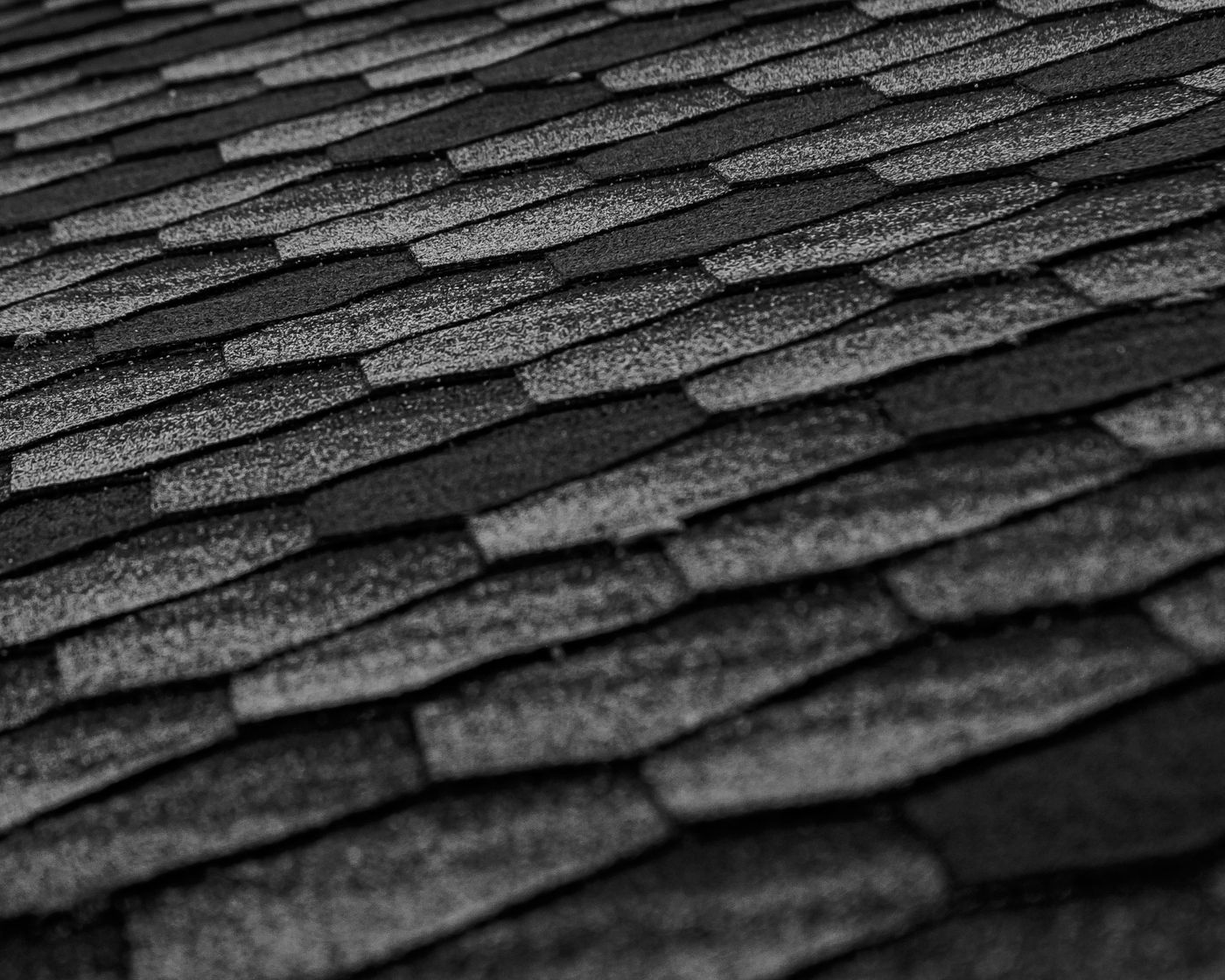
Architectural asphalt shingle, and it is the most common choice in New Orleans for good reason. The caution is that this is exactly where cutting the install cost costs you the roof. The material is affordable; the labor is what you are actually buying.
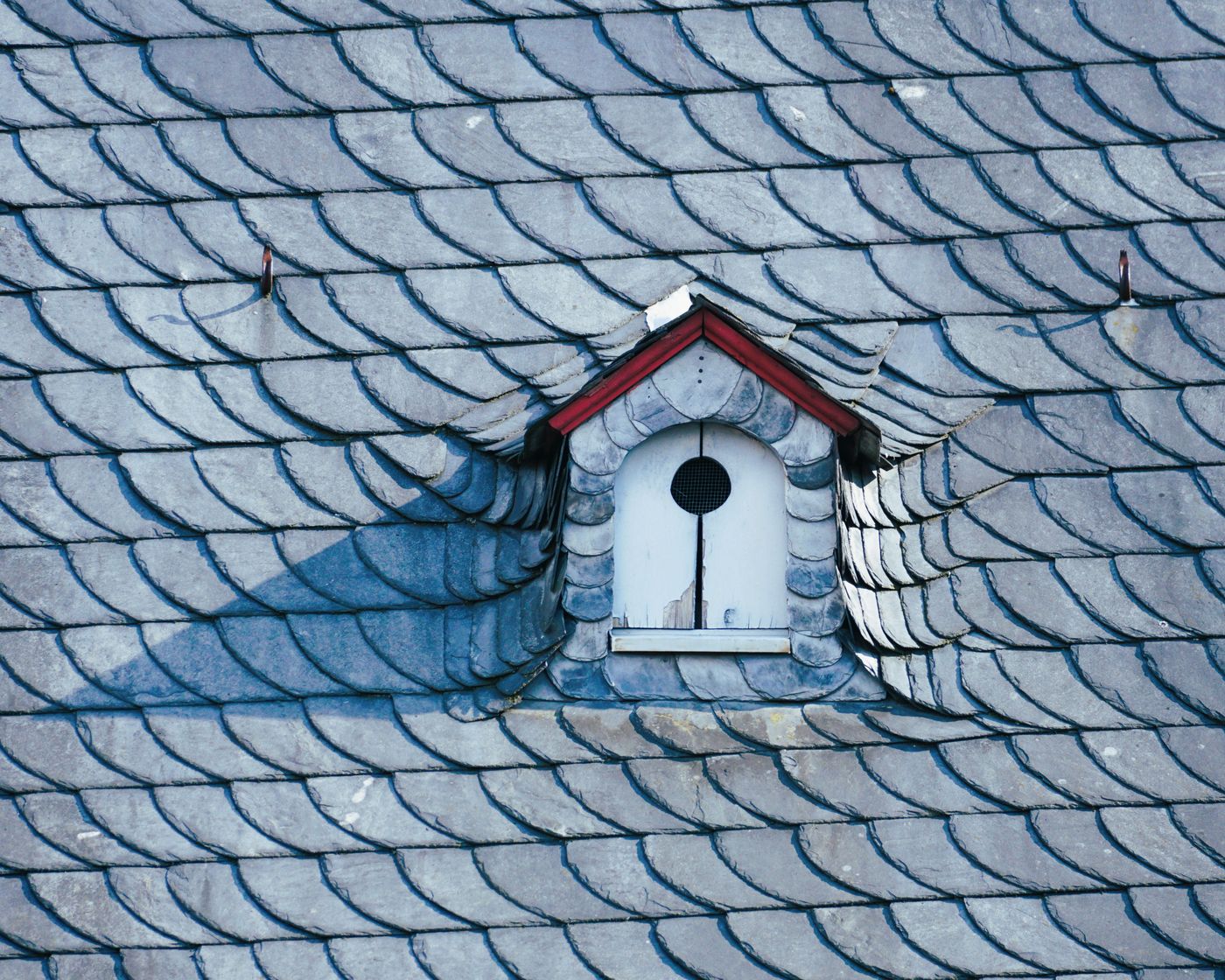
On slate and tile the honest answer is usually repair and match rather than replace. Original slate very often has decades left in it, and a full replacement throws that away along with the look. We will tell you when replacement genuinely is the answer.

Flat is a category, not a material. Built-up, modified bitumen, TPO, PVC and EPDM each behave differently in Gulf heat and standing water, and each fails differently. What is right depends on the building underneath and what happens on the roof.
The specification is written down before anything is ordered, and you see every option we considered, not just the one we recommend.
Before anybody talks about materials, somebody finds out what your structure can carry and what condition it is in. Tile and slate are heavy. A deck with soft sheathing narrows the field before your taste does, and it is better to know that on day one.
The deck decides more than the brochure does.
We rule out what does not belong on a Gulf Coast property, and we say why. That usually leaves two or three real options rather than eleven, which is a much easier decision to make than an open catalog.
You will hear what we would not put on our own house.
A line-item written estimate for each option you are still considering, so you can compare like with like. Material, labor, tear-off and disposal listed separately, because that is where quotes usually differ and nobody tells you.
Compare the line items, not the totals.
Nothing is torn off until your material is on the property. Then it goes on to the manufacturer’s pattern, which is what keeps the wind rating and the warranty intact. On a standard shingle roof that is one working day.
Installed to the pattern the rating depends on.
We will walk your roof and tell you which materials genuinely suit it, and which ones we would not put on it.
Get a free inspectionSplit by the only division that really changes the engineering: whether water runs off your roof or sits on it.
What goes on a sloped roof, and what the slope lets you get away with.
The most common choice here, and the one where install quality decides everything
View service →Flat is a category, not a material. Five of them, and they fail differently.
TPO, PVC and EPDM. Light, reflective, specified per building
View service →Tell us the roof and we will say which of the eleven fit it, and which ones we would rule out.
Materials get chosen on looks and budget. They get judged, a few years later, on these four. Working through them first is how you end up with a roof you do not think about.
Wind does not crush a roof, it peels one. It finds an edge with a gap under it and lifts. That is why the starter strip at the eave, the nailing pattern, and the ridge cap matter more than the shingle you picked. A premium shingle nailed high is a worse roof than a mid-range shingle nailed correctly.
Gulf summers cook a roof from above and a badly ventilated attic cooks it from below. That combination ages asphalt faster here than the same product ages in a dry climate, and it is very hard on cedar. Reflective surfaces and real attic airflow buy back years on any material you choose.
Tile and slate are heavy enough that the structure has to be checked before the material is chosen, not after. This is the first thing we look at rather than the last, because finding out late is how a project stops halfway through with the roof open.
On a historic property the existing material is often the right answer. Original slate frequently has decades left, and matching a repair costs a fraction of replacing a roof that has not failed. Districts and covenants can also narrow the field for you, which is worth knowing before you fall in love with something.
You will find plenty of sites that will tell you a shingle roof lasts exactly so many years. The honest answer is that the same product on two New Orleans houses, one ventilated properly and one not, will not last the same length of time, and a number on a chart hides that.
What we will do is walk your roof, tell you what condition the one you have is in, and give you a written estimate for the options that genuinely suit it.
Wind, heat, what your deck can carry and what is already up there. We check all four on site.
Two decisions change the outcome more than the name on the bundle does.
Wind rating is not a property of a shingle sitting in a warehouse. It is a property of that shingle nailed in the right place, over a starter strip, with the right accessories around it. Nail the same premium shingle an inch too high and the rating is gone.
This is why two quotes for "the same shingle" can be thousands apart and both be honest. Ask what the nailing pattern is, ask whether starter strip is included, and ask who is actually on the roof.
On slate and tile especially, the roof you already have may have decades left. A matched repair keeps that, keeps the look of the house, and costs a fraction of tearing a working roof off.
We are not going to pretend every roof can be saved. When the deck is gone or the material has genuinely failed we will say so plainly. But we look at repair first, because on a historic New Orleans property it is very often the right answer.
Not on the list? Ask us directly. Somebody who has actually been on a roof will answer.
Talk to a roofer504-229-3955There is no single answer, and anyone giving you one has not seen your roof. For most homes a correctly installed architectural shingle system is the sensible balance. For the longest life and the best wind behavior it is standing seam metal. On a historic property with original slate, the best material is usually the one already up there.
Standing seam metal has fewer edges for wind to lift, so in principle yes. But the gap between a well-installed shingle roof and a badly installed one is wider than the gap between shingle and metal. Installation quality decides more than material choice does.
Only your structure can answer that, and it is the first thing we check rather than the last. Both are heavy. If the framing and deck cannot carry the load, the honest answer is that the material is not an option, and we would rather tell you before you have chosen a color.
Yes, and a lot of New Orleans homes have a flat or low-slope section somewhere, usually over an addition or a porch. It gets specified as its own system rather than treated as an afterthought on the shingle quote.
Because the same material on two houses in the same street will not last the same length of time. Ventilation, install quality, exposure and how the roof gets maintained all move it. We would rather look at your actual roof and tell you what we think it has left.
Name and phone are enough. We call back the same business day.