Photographs Before Anything Moves
Every slope, every penetration, and the inside of the attic where the water came through. Taken before we tarp, because after is too late.

Free inspection · We meet your adjuster on the roof · Written scope of loss
A roof claim is not really an argument about your roof. It is an argument about what can be proved about your roof, and it is usually settled by whoever brought photographs.
Most of the claims we see are not refused because the damage was not real. They are refused, or underpaid, because nobody documented the damage before the tarp went on, because the estimate missed half the slopes, or because the person who wrote it had never been on the roof.
We photograph every slope, write a line-item scope of loss, and stand on the roof with your adjuster while they make their decision. We will not promise you an approval, because nobody honest can.
You can read more about how we work on the Big Easy Roofing Company homepage, or go straight to the contact page if the ceiling is already wet.
Every slope, every penetration, and the inside of the attic where the water came through. Taken before we tarp, because after is too late.
A line-item document your adjuster can work from, listing materials, quantities and labor. A single total is not a scope and it is easy to cut.
The adjuster walks the roof with somebody who installs roofs for a living. That is the whole point of us being there.
None of these are about whether your roof is damaged. They are about what the file looks like by the time somebody decides.
Every one of these is a documentation failure rather than a coverage failure. That is the part a roofer can actually change.
Talk to a roofer504-229-3955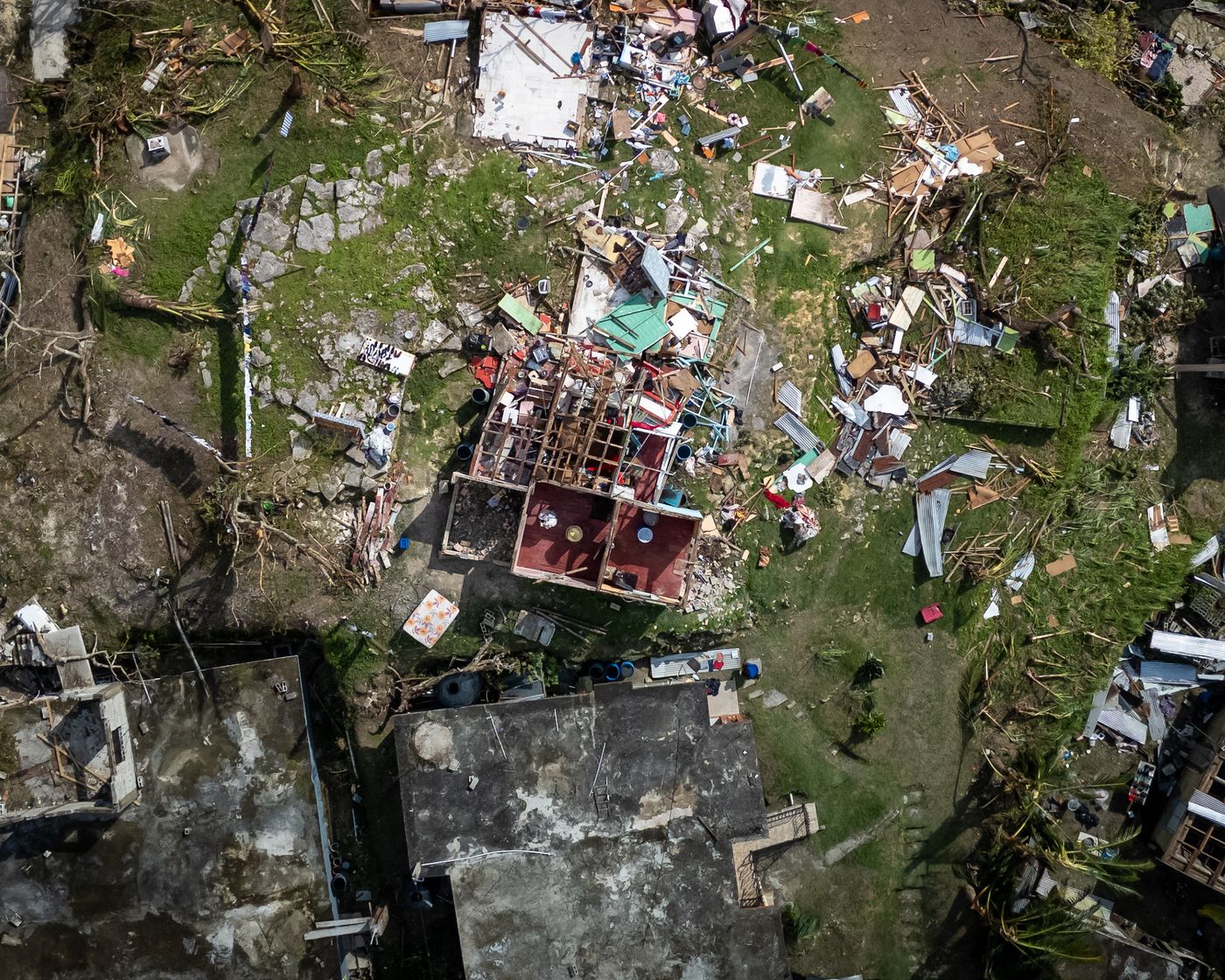
Emergency tarping saves your ceiling and destroys your evidence at the same time. Once a roof is covered, the adjuster is looking at a tarp. We shoot the whole roof before anything goes over it, and the photographs are dated.
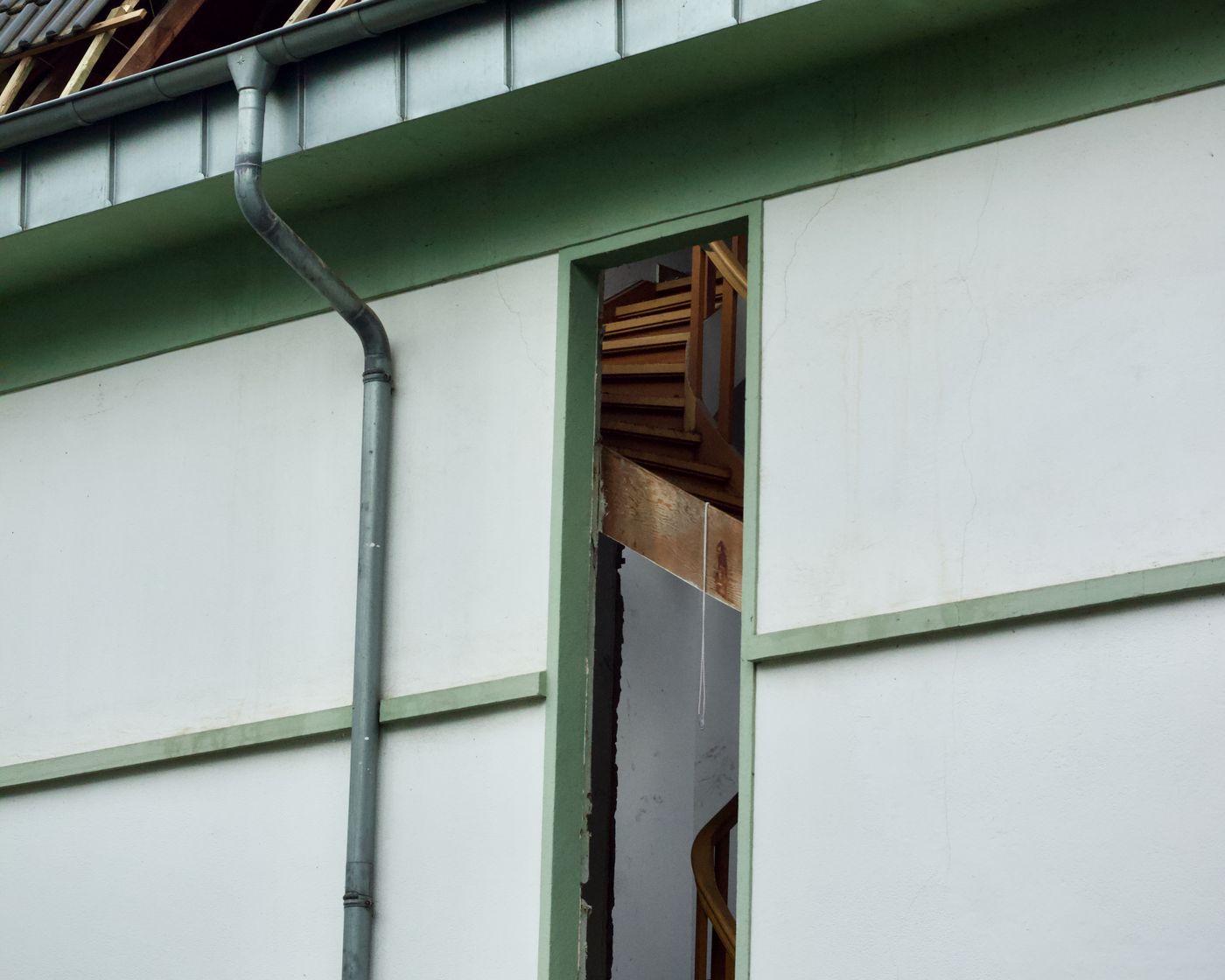
Hail rarely hits a roof evenly. One elevation can be destroyed and the one behind it untouched. An estimate written from the ground, or from one ladder position, routinely misses half of it.
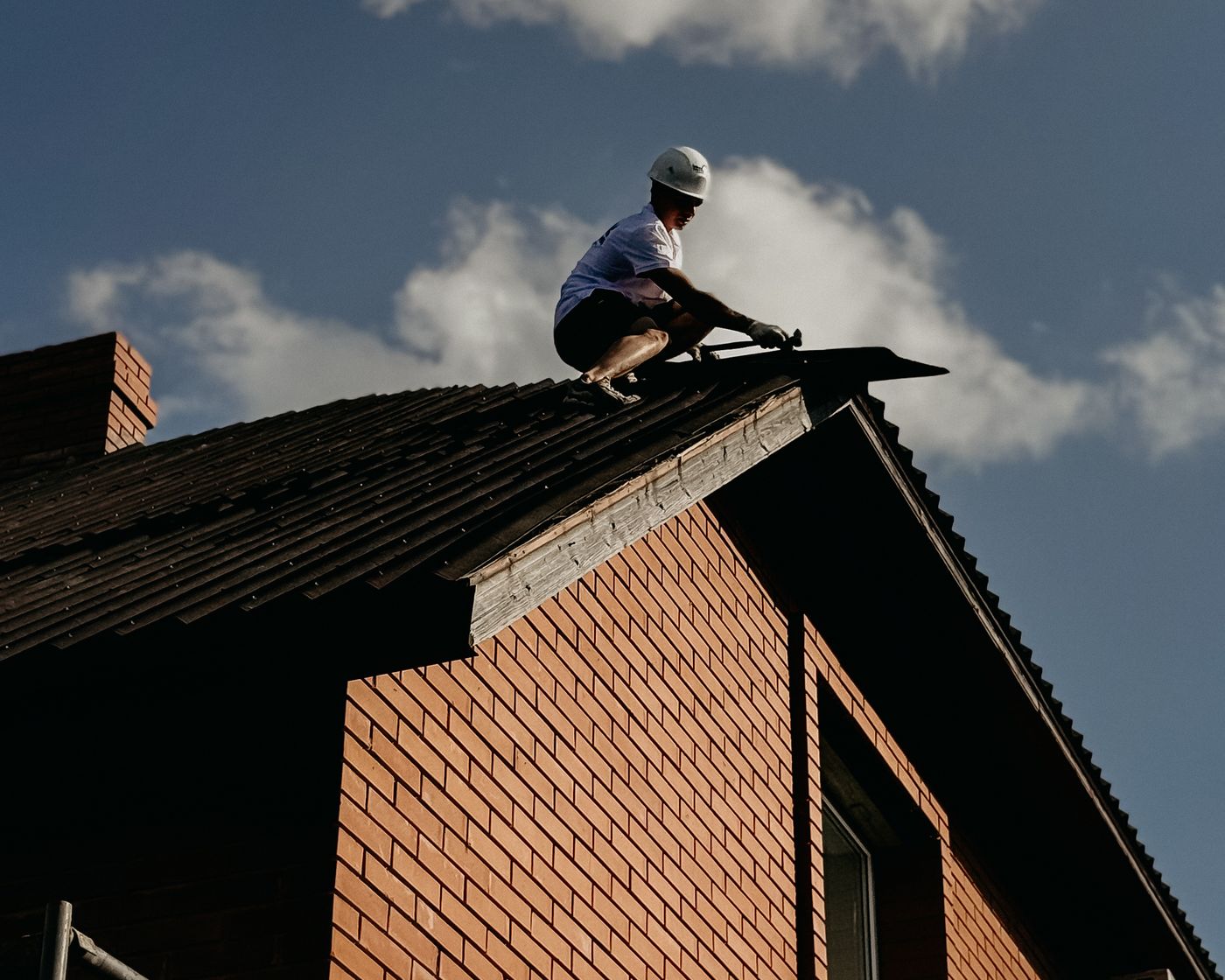
Policies pay on cause, not on appearance. Wind lifted tabs and heat blistering can look similar in a photograph and are not treated the same way. If the cause is recorded wrong at the start it is hard to change later.
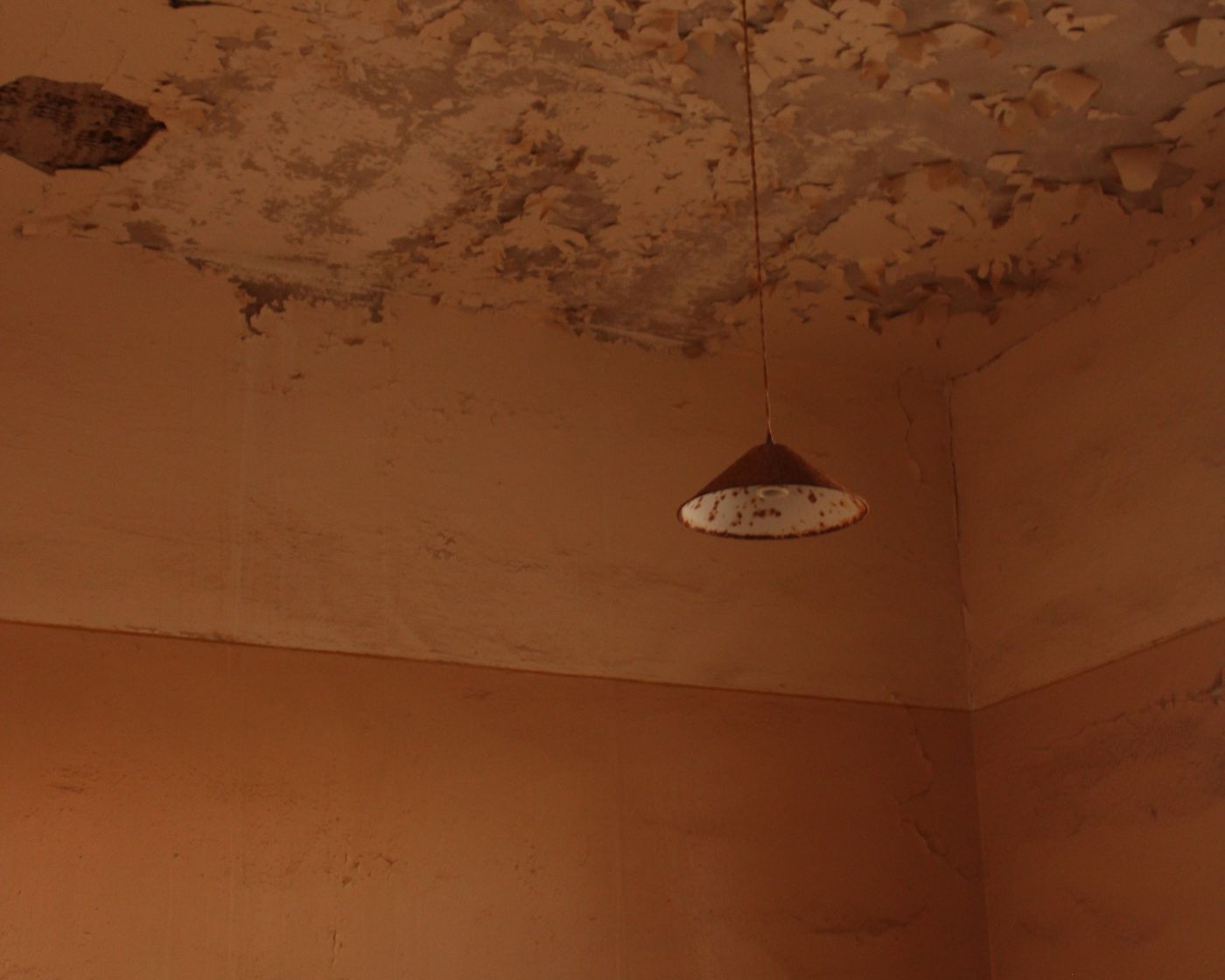
What is visible on day one is often not the whole job. Decking that turns out to be soft, flashing that cannot be reused, code items the original estimate never included. Those are supplemented while the job is open, or not at all.
Photographs, test squares and a written scope, before you speak to your carrier.
This is the whole sequence, from the first phone call to the last inspection. Nothing on it costs you anything until you accept a scope.
Every slope, every penetration, the attic, and the inside of the room where the water showed. Dated photographs, before any tarp goes on.
You keep the photographs whether or not you use us.
A line-item document: materials, quantities, labor and code items, slope by slope. This is the thing your adjuster works from.
A single total is not a scope. Ask anyone who gives you one for the lines.
You contact your carrier, not us. We are not your public adjuster and we do not negotiate on your behalf. We hand you a documented file to submit.
Louisiana licenses public adjusters. If you use one, ask to see the license and the written contract before you sign it.
We walk it with them. They see the test squares, the creased tabs and the attic staining while standing on the roof, not in a photograph.
This is the single step that changes outcomes most often.
Soft decking, unusable flashing and code items get documented and submitted while the job is open. After the job closes it is a much harder conversation.
You approve every supplement before it is filed.
The inspection, the photographs and the scope of loss cost nothing, and you keep all three even if you never file.
Book a free inspectionCoverage varies by policy and by carrier, so read yours. These are the patterns we see most often on New Orleans roofs, and the ones worth checking before you pick up the phone.
Policies pay to put back what an event damaged. The causes most homeowners policies name are wind, hail, lightning, fire, falling objects and other sudden events. A roof that is simply old is a maintenance question, and no amount of documentation turns wear into a covered loss. We will tell you which one you have before you file, because a denied claim still goes on your record.
A claim puts your roof back to what it was, not to something better. If you want a heavier shingle, a metal system or an upgraded warranty, the difference is yours to pay. That is worth knowing early, because it is often the moment people decide to put their own money in on top and do the job once.
Homeowners policies are sold in grades and they behave very differently. HO-1 and HO-2 are basic, HO-3 is the common comprehensive one, HO-5 raises the caps, HO-6 is for condominiums, HO-7 for mobile homes and HO-8 for older houses where replacing like for like is expensive. Find your grade on the declarations page before you assume what is covered.
You pay your deductible on a roof claim. Any contractor offering to absorb it, waive it, or hide it inside the invoice is proposing insurance fraud, and it is your name on the claim rather than theirs. Louisiana storm policies also often carry a separate, larger hurricane or named-storm deductible, so check which one applies to your event.
We are a roofing contractor. We are not your public adjuster and we do not negotiate your settlement for you. What we do is document the damage properly, write a scope your adjuster can work from, and stand on the roof while they inspect it.
Louisiana licenses public adjusters. If you decide to use one, ask to see the license and the written contract, including the fee, before you sign anything.
We will tell you whether it is storm damage or wear, and we will say so either way.
These two account for most of the surprises we see after a claim is already under way.
Every roof claim has a deductible and it is always the homeowner who pays it. A contractor who offers to cover it is offering to commit fraud on a document with your name on it.
Louisiana policies frequently carry a second, larger deductible for named storms. Check the declarations page for which one your event triggers, because the difference is usually thousands rather than hundreds.
An estimate written before tear-off is written from what can be seen. Soft decking, rusted flashing and code items that were not required when the house was built only appear once the old roof is off.
This is why supplements get filed while the job is open. Once a claim closes, reopening it for something that was always under the shingles is a much harder conversation.
The deductible shows as its own line, separately, in everything we send you.
Not on the list? Ask us directly. Somebody who has actually been on a roof will answer.
Talk to a roofer504-229-3955That is between you and your carrier and it depends on your policy, your history and whether the event was area-wide. We cannot answer it for you and anybody who gives you a confident yes or no is guessing. What we can do is tell you whether you actually have storm damage before you file, so you are not filing on wear.
No. We are a roofing contractor, not a public adjuster. We photograph the damage, write the scope of loss and meet your adjuster on the roof. You file with your own carrier and the settlement is between you and them.
No, and you should walk away from anyone who offers. It is fraud, and it is your name on the claim. We will show you the deductible clearly and separately in everything we write.
Usually the file, not the roof. Different elevations take hail differently, and two estimates of the same street can record completely different damage. If you were denied and you think it was wrong, get the roof documented properly and ask about reinspection.
Your policy sets the deadline and Louisiana law sets limits around it, so check your own documents and ask your carrier directly. Practically, file early. Evidence gets worse every week and after a big storm the queue only grows.
Nothing. You get the photographs and the written scope whether or not you file, and whether or not you use us for the work.
Name and phone are enough. We call back the same business day.