On a Fixed Schedule
Spring and fall visits booked ahead, plus a check after named storms.

Scheduled visits and a record after each one. Drains cleared, seams and details checked, agreed small repairs made, and a dated report for your files.
Commercial roof maintenance is mostly small work done on a schedule: drains kept clear, seams and flashings checked, and damage from other trades caught before it leaks.
Big Easy Roofing Company maintains flat and low-slope roofs on commercial buildings across New Orleans, usually in spring and fall, with an extra visit after a named storm. Each visit ends in a dated report with photos.
Anything bigger than a small fix gets its own write-up and price as a commercial roof repair, and nothing beyond the agreed small items is done without approval.
Spring and fall visits booked ahead, plus a check after named storms.
Leaves, silt and trash cleared from drains, scuppers and gutters on every visit.
Dated photos and findings, so the roof’s history is always on file.
Nothing here needs a crew tonight. Left alone, though, each becomes a leak, a claim question or a bigger bill.
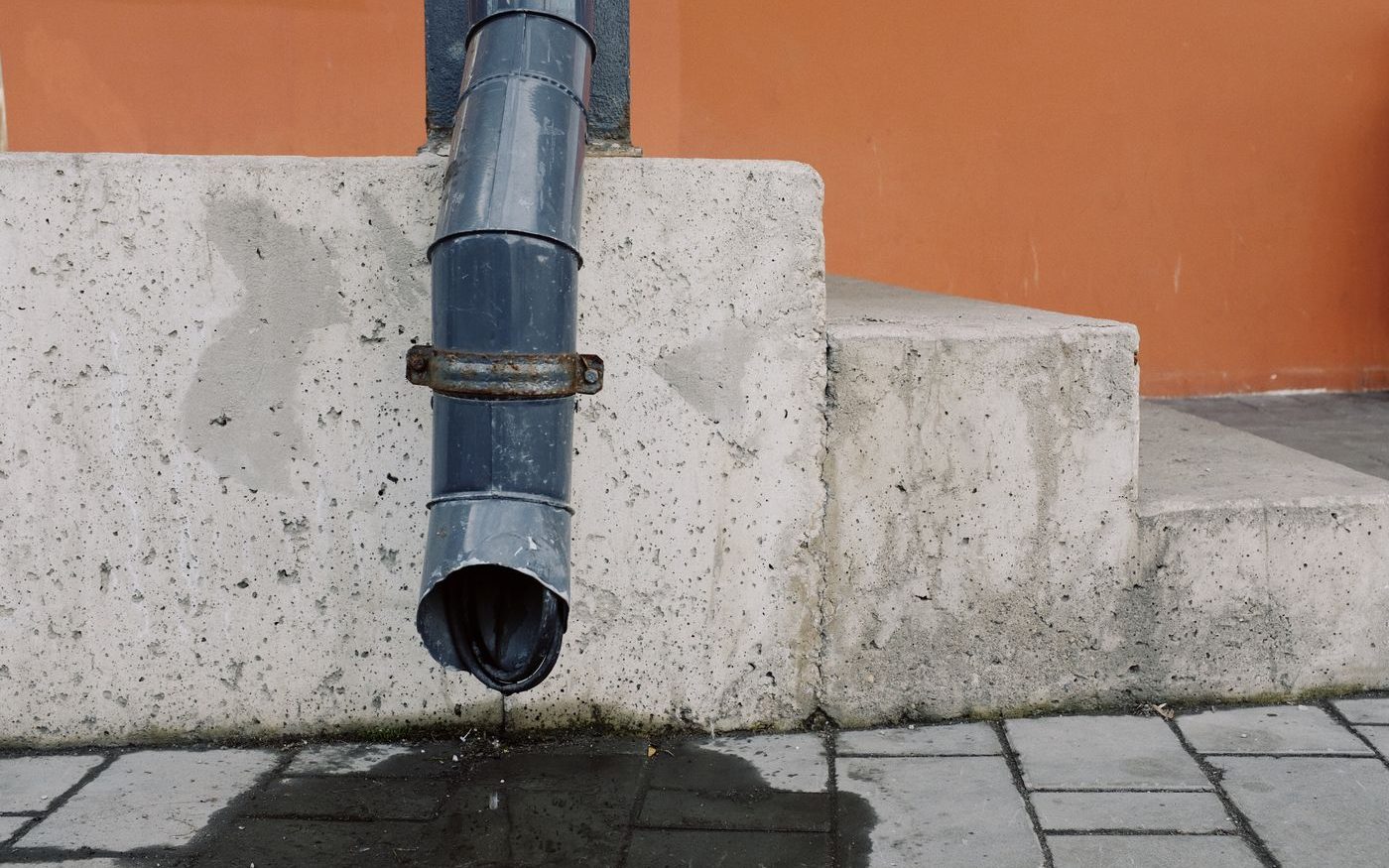
Leaves and silt block roof drains, water backs up, and the load on the roof climbs with every storm.
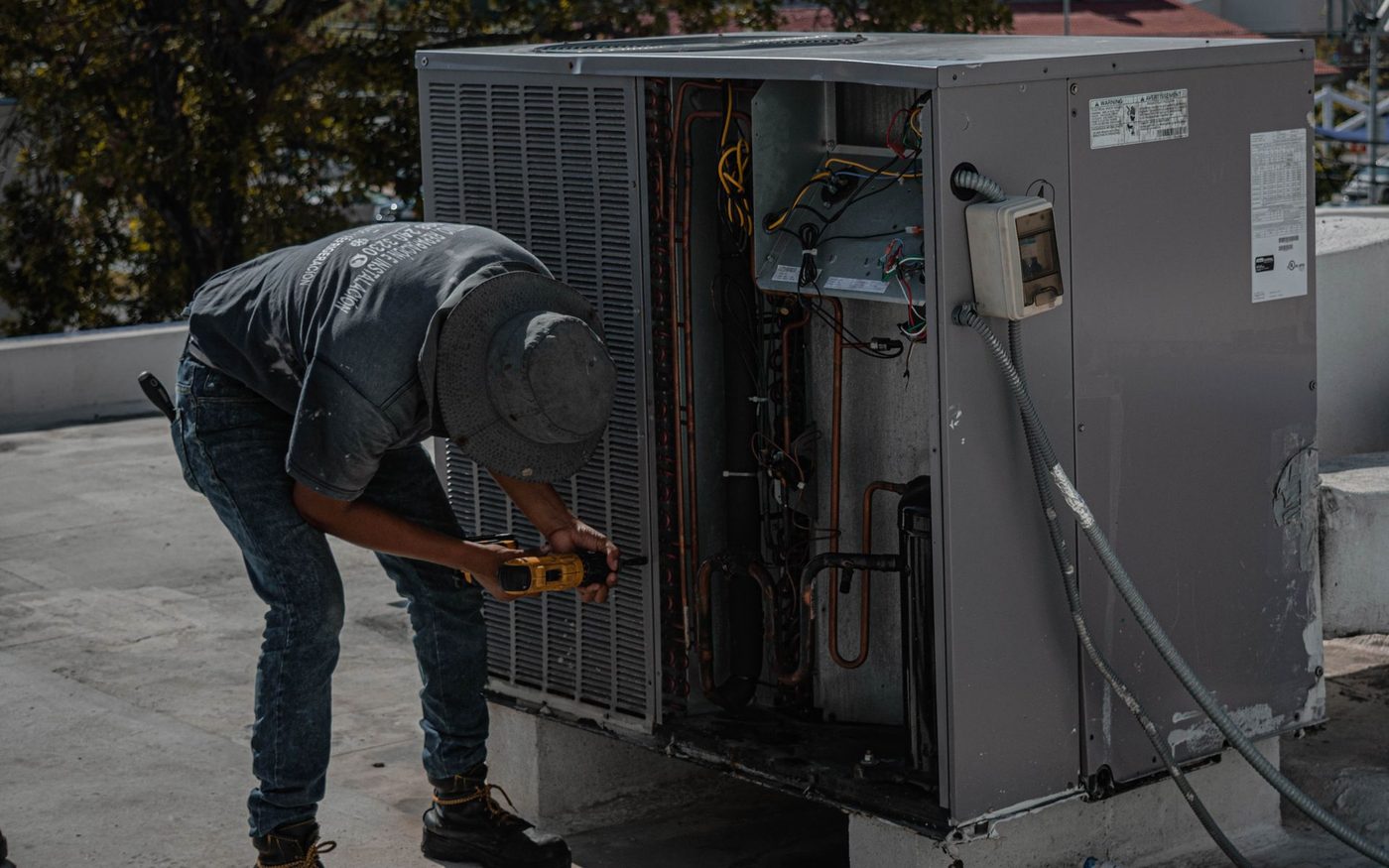
HVAC, solar and signage crews leave cuts, dropped screws and open panels behind them.
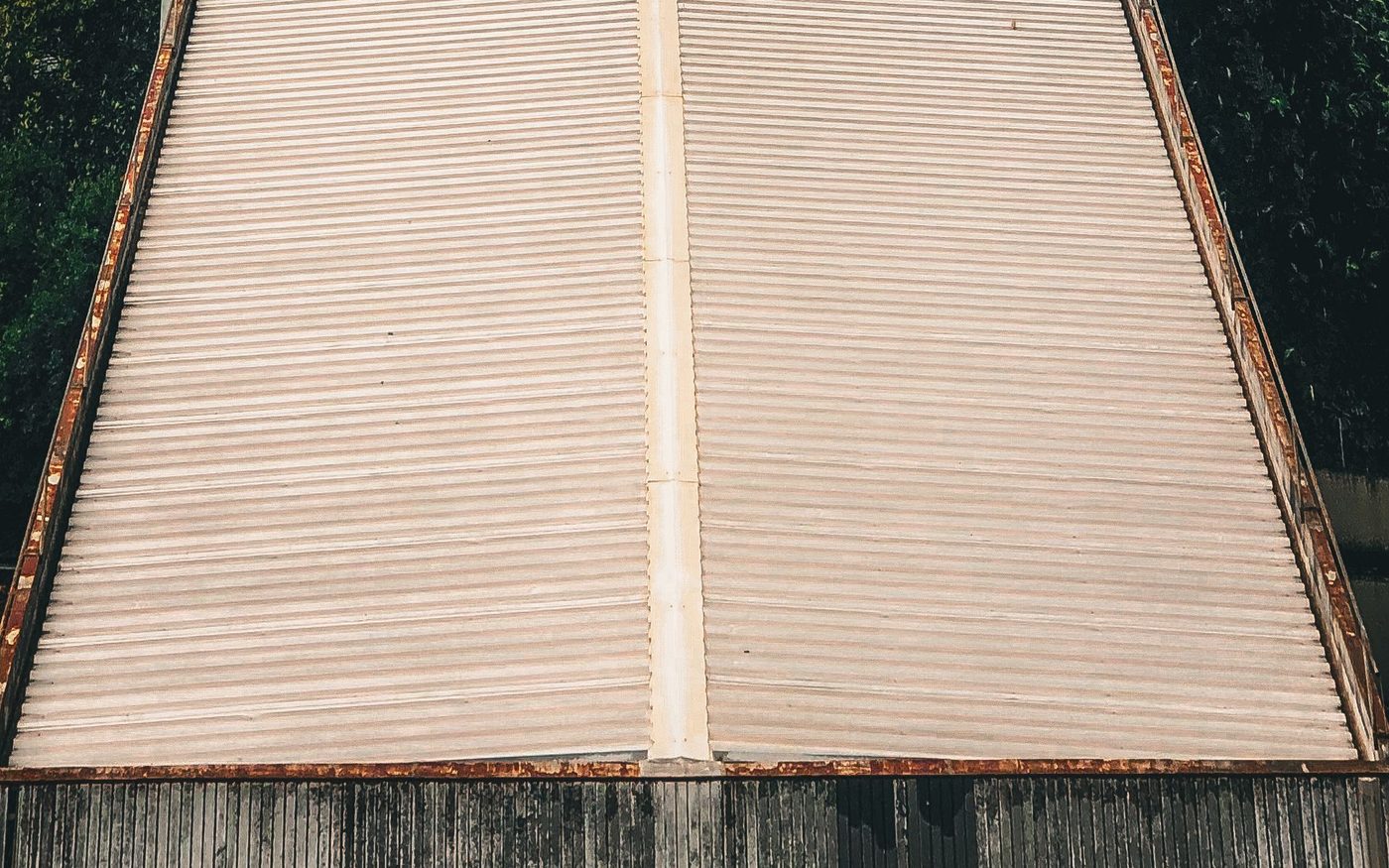
A seam lifting at one corner is a quick repair now and a wet bay of insulation later.
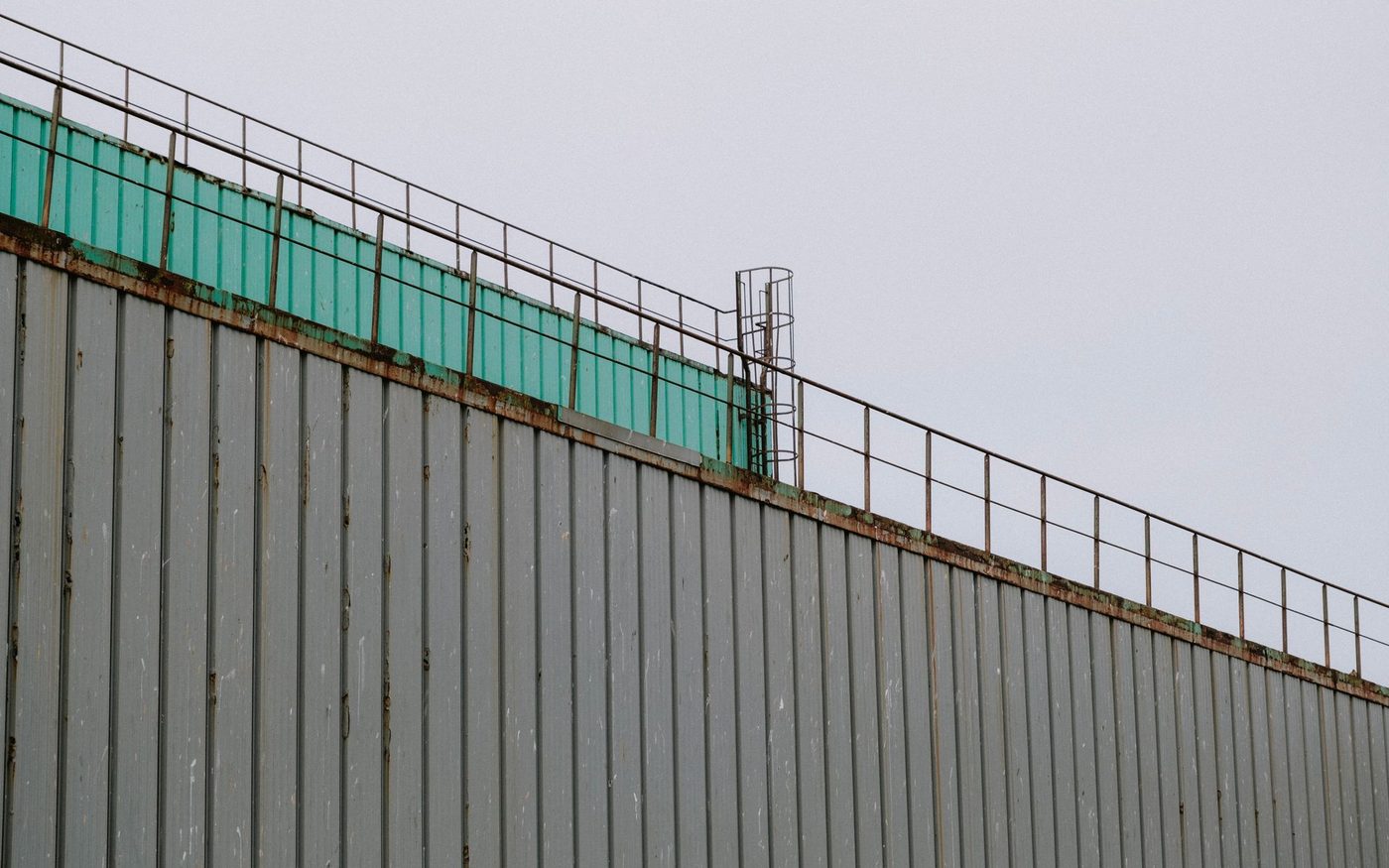
Perimeter metal that has started to lift is where wind gets its first grip on the roof.
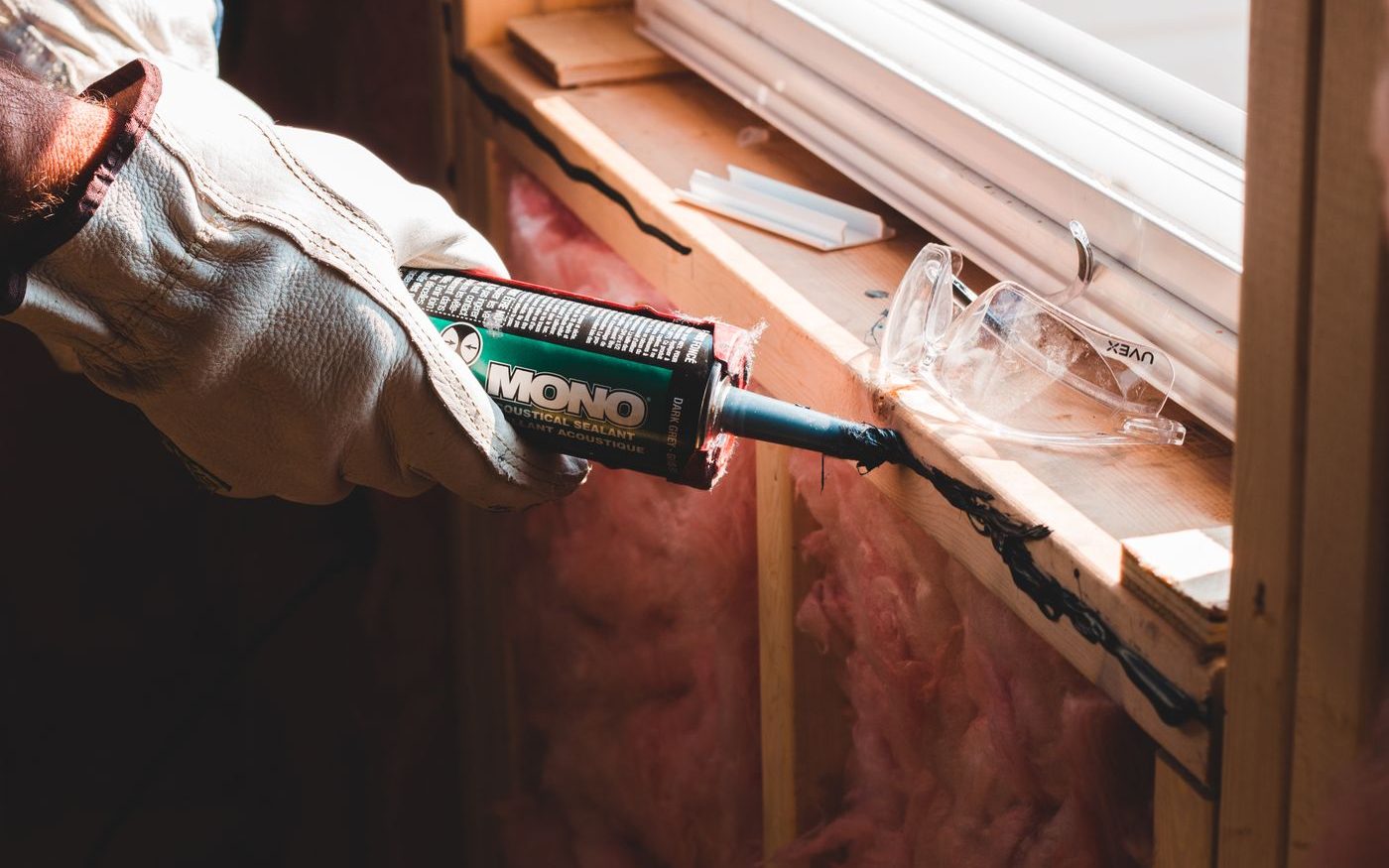
Pitch pans and termination bars rely on sealant that dries out in the sun and needs renewing.
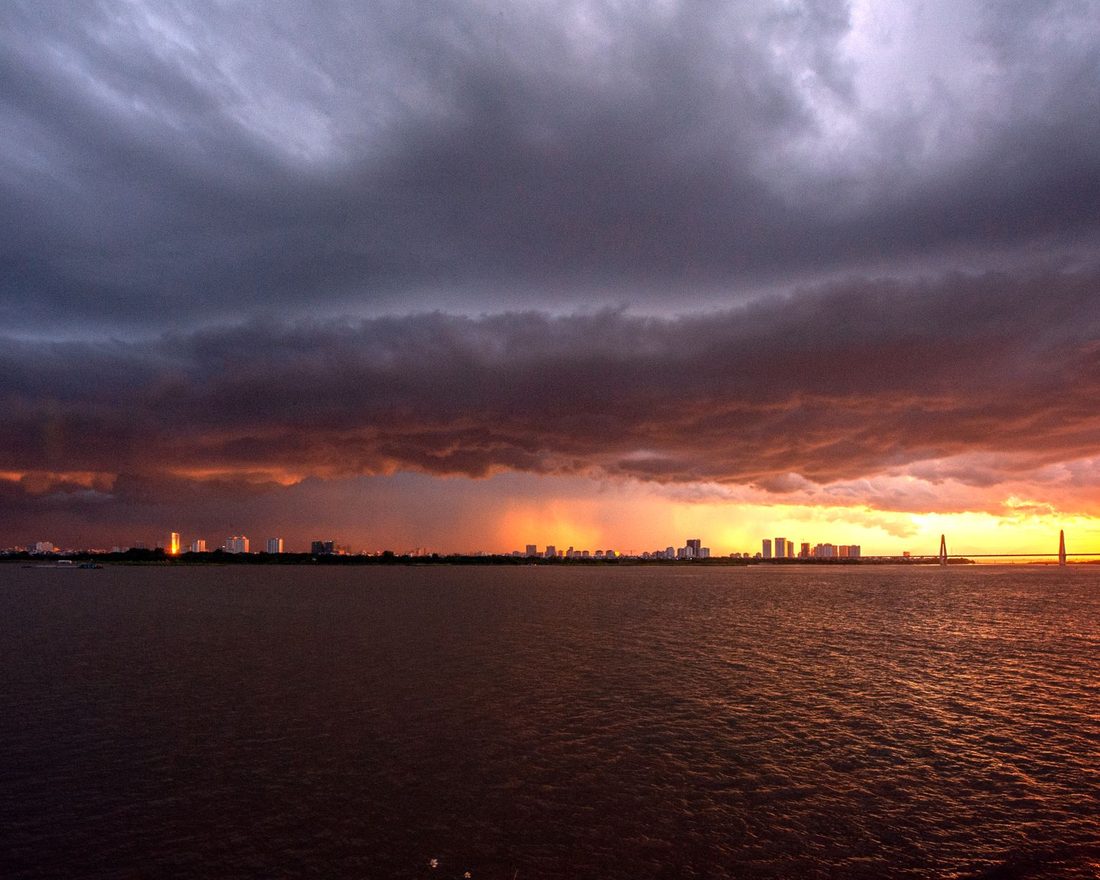
Branches and debris left after a named storm puncture the membrane when they are walked on or blown around.
Spot any of these on your roof? One scheduled visit handles the lot.
Schedule maintenanceEight checks, identical each visit, so one report lines up with the next.
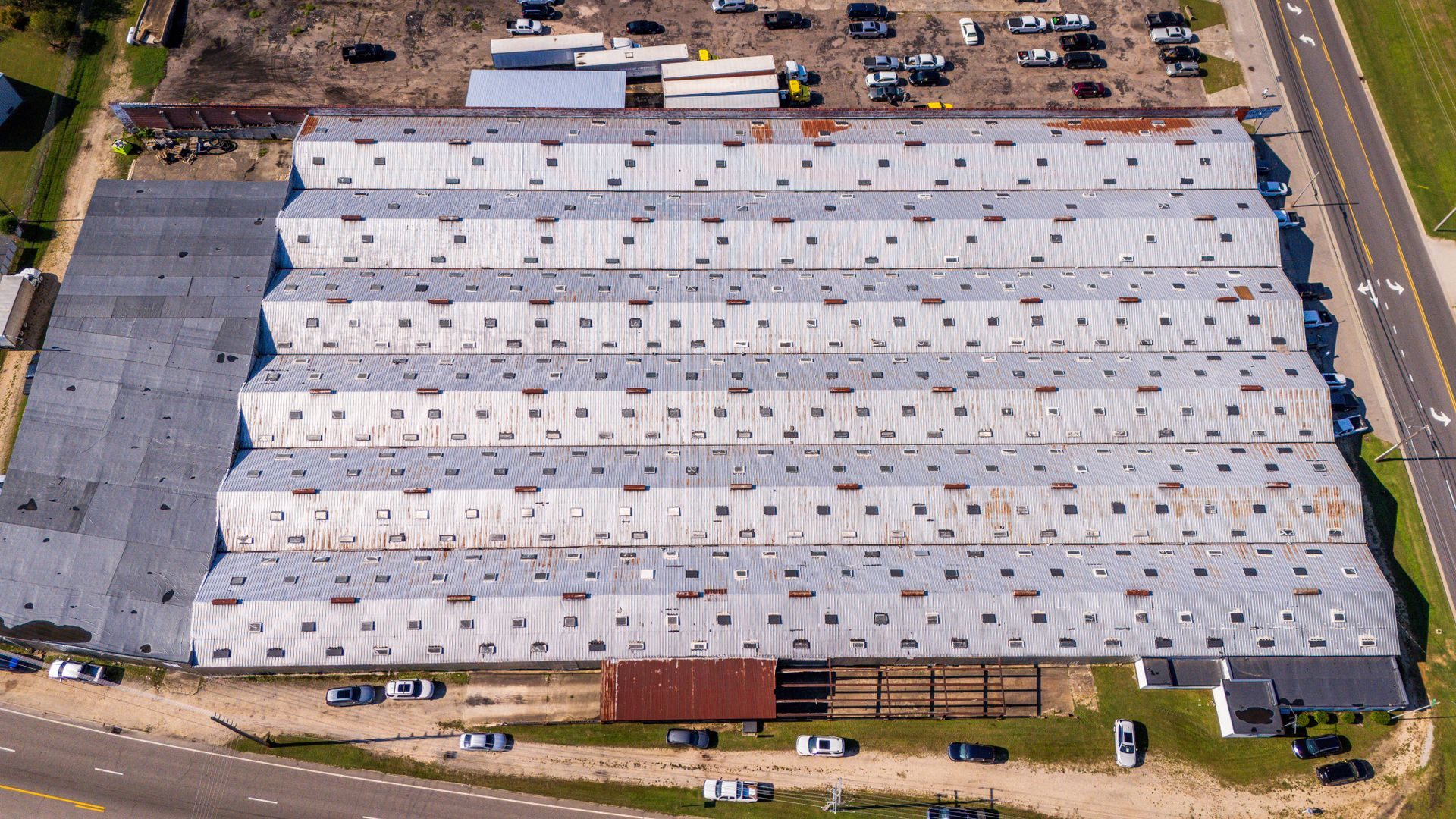
Each section photographed from the same points every visit, so change shows up.
Compared with the last visit.
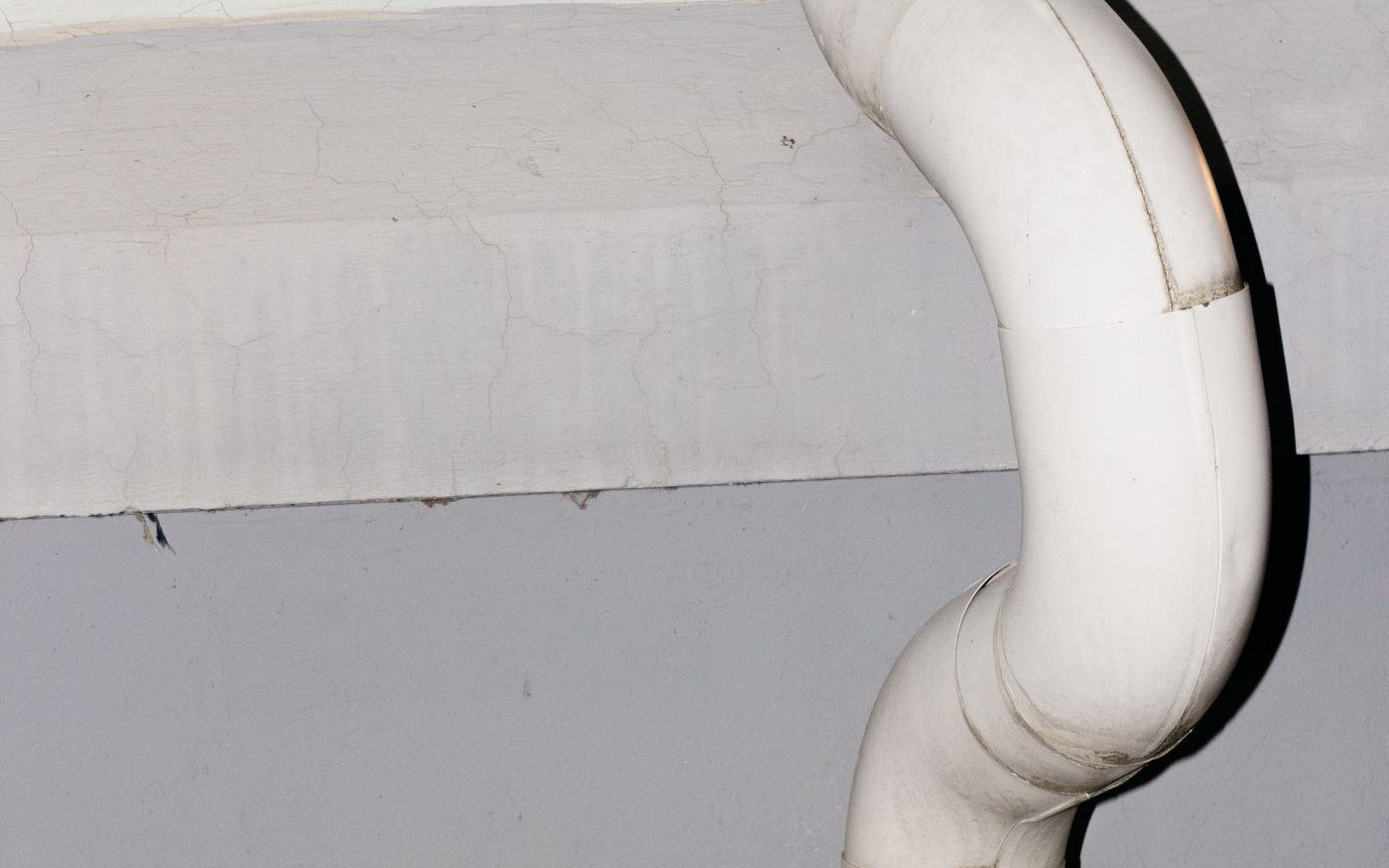
Debris removed from drains, scuppers and gutters, and strainers put back in place.
Water flow checked.
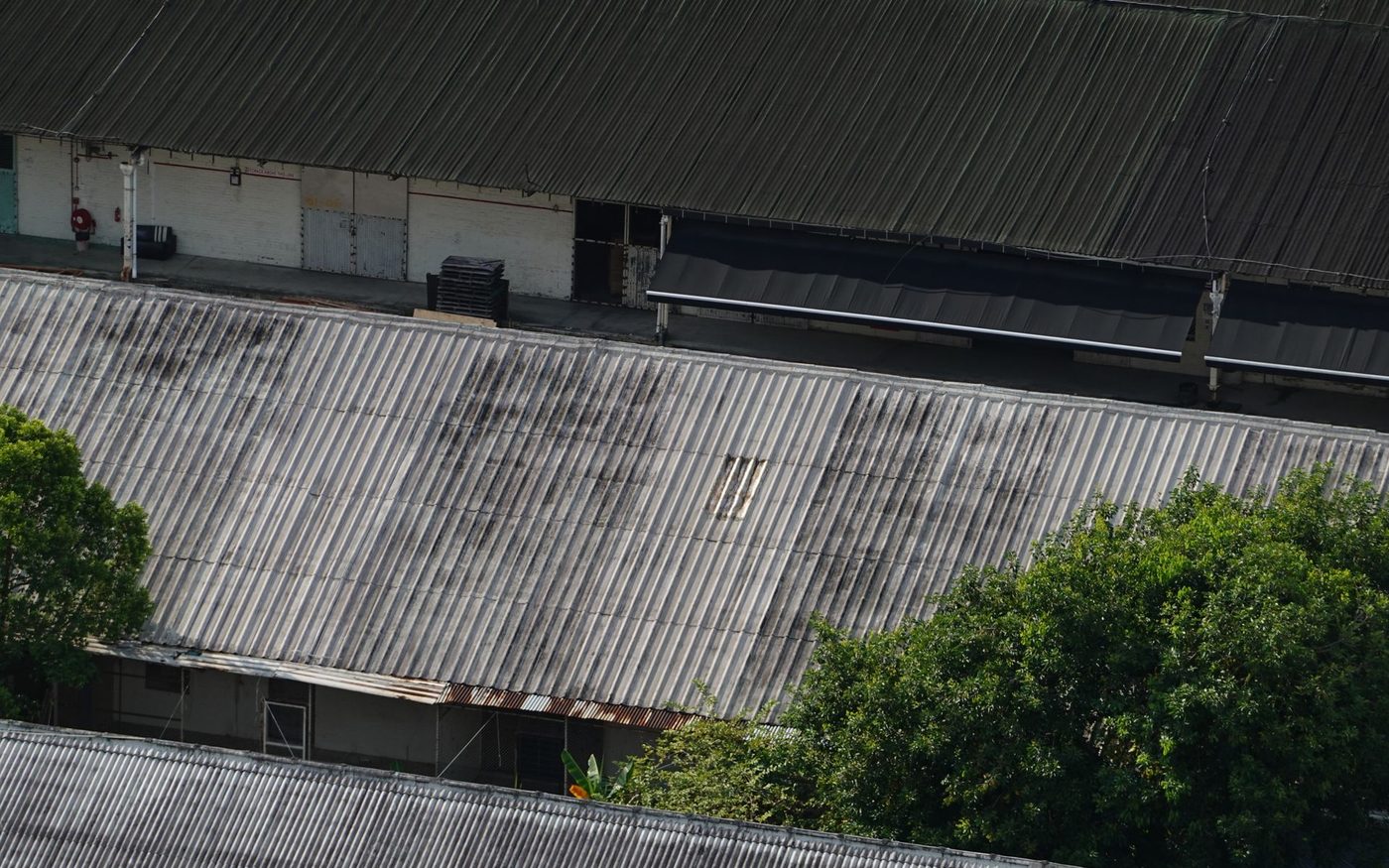
Branches, trash and loose items cleared off the membrane.
Nothing left to puncture it.
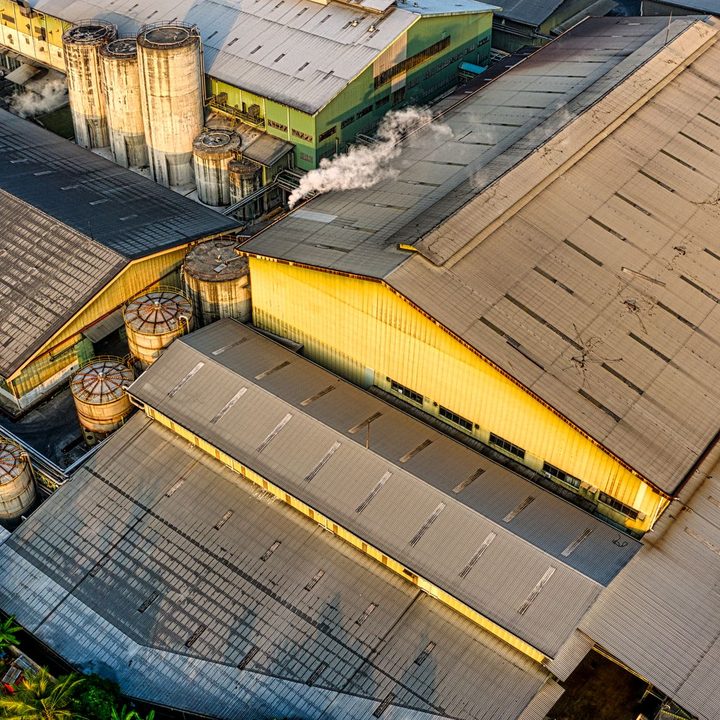
Seams, laps and the open field of the roof checked for splits, blisters and punctures.
Marked on the roof plan.
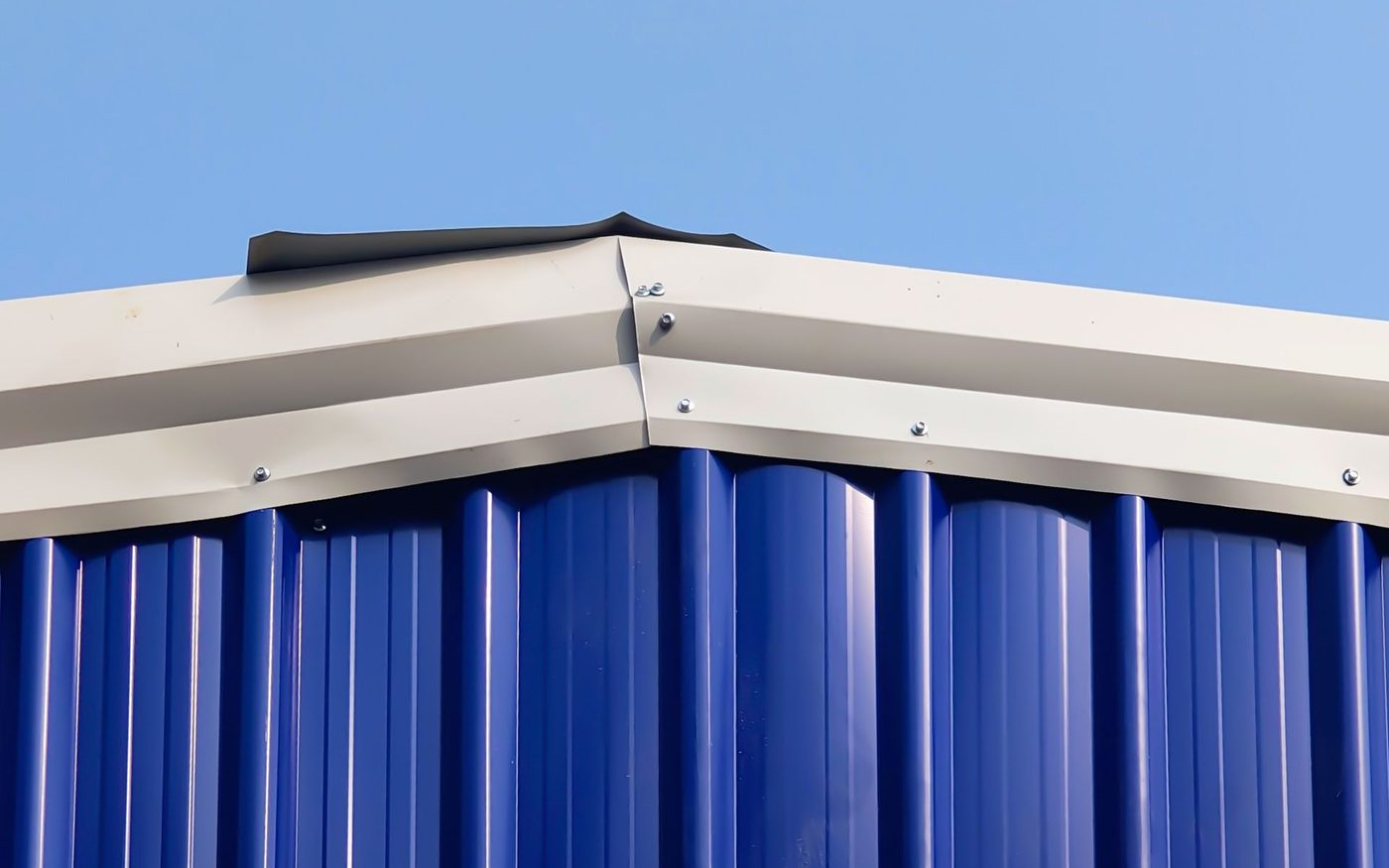
Wall flashing, coping, edge metal and termination bars checked and resecured where loose.
Small fixes on the spot.
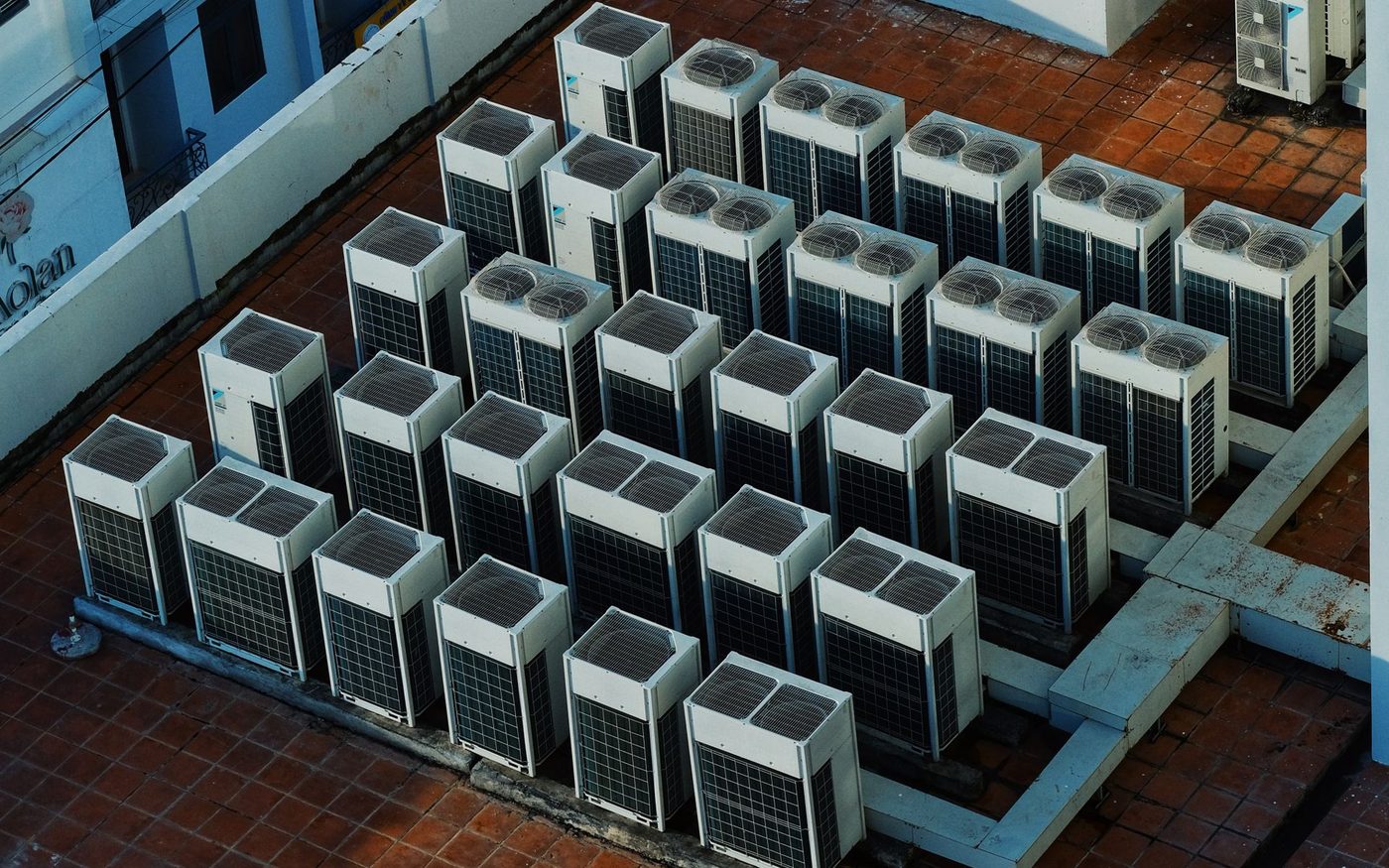
Unit curbs, pipe boots and pitch pans checked, and sealant renewed where it has failed.
Sealant renewed.
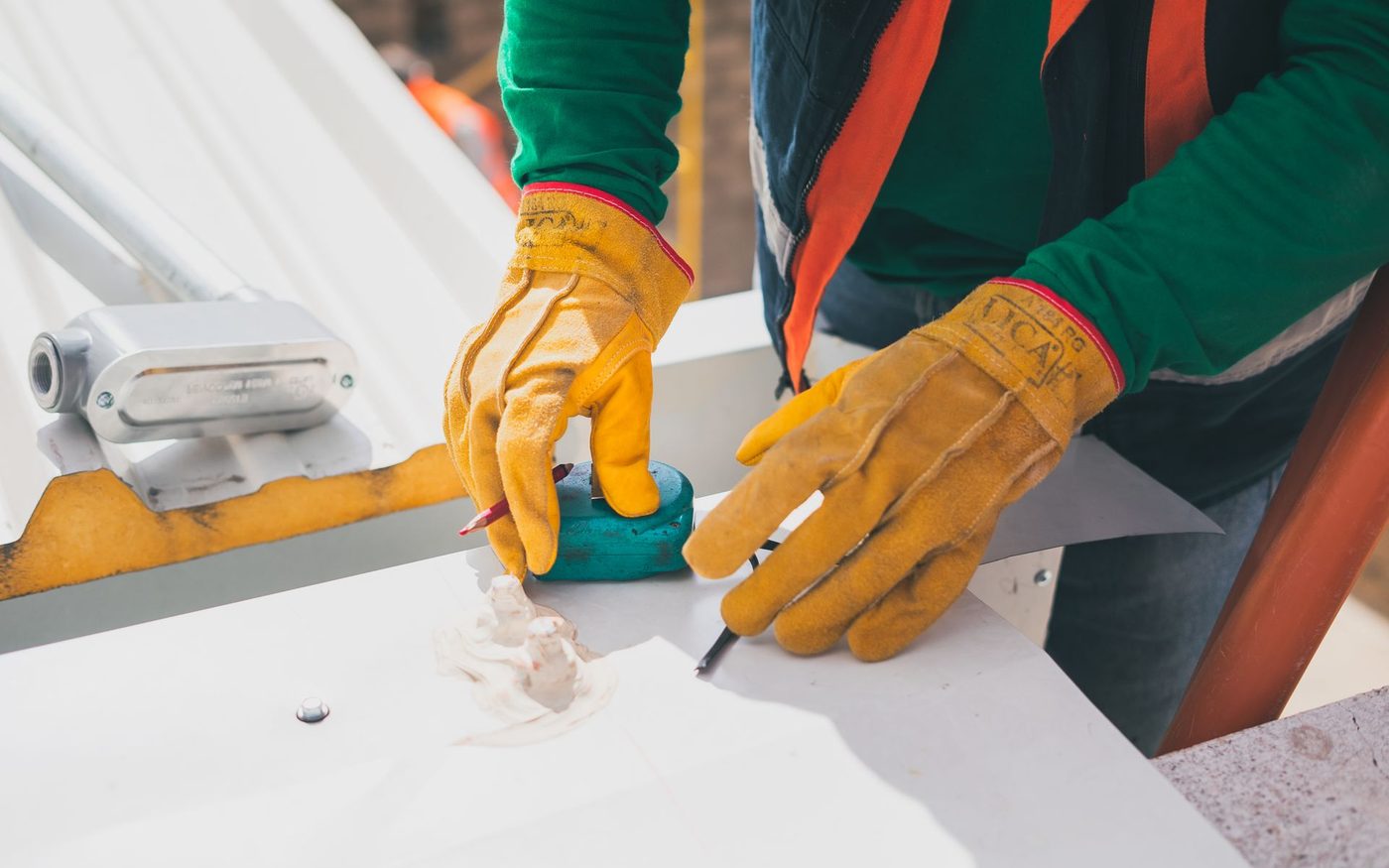
Minor items agreed in advance are repaired during the visit. Anything larger is written up.
Nothing extra without approval.

Photos, findings and priorities sent after the visit, for your files, your board or your carrier.
Kept on record.
The first visit sets the baseline, and we suggest a schedule for your roof after it.
Schedule maintenanceGulf Coast seasons set the focus of each visit.
Drains cleared of winter and spring debris, and flashings and edges secured before hurricane season.
Storm-season wear recorded, leaves cleared from drains, and sealant renewed before the winter rain.
Lifted edges, punctures and debris looked for soon after the storm, and photographed for any claim.
A visit after HVAC, solar or signage installs, to find damage before it leaks.
Carriers and buyers ask how a roof was looked after. Dated reports from every visit answer that without guesswork.
Your program has a fixed price, worked out from these five things.
Larger roofs take longer to walk, photograph and clear.
Two scheduled visits is typical, plus any storm checks you want included.
Roofs under trees or near loading areas collect more debris and need more clearing.
More units and penetrations mean more details to check.
Minor items you approve in advance can be covered in the visit price.
The visit price is agreed before the first visit, and anything beyond it is quoted separately. Rather set this up in writing? The contact page takes it.
Priced in advance, reported on each time.
On an invoice a clean-out and a program can look similar. Up on the roof the difference is obvious.
Visit A is invented, based on what bare-bones clean-out services skip. This is not a real quote, and no business is being described.
Managing several buildings? Visits can be scheduled together and reported building by building.
Talk to a roofer504-229-3955Twice a year for most buildings, in spring and fall, with an extra check after any named storm that passes close.
Many manufacturer terms expect reasonable maintenance and a record of it. The reports from each visit are that record.
An inspection records condition only. Maintenance does hands-on work as well: drains and debris cleared, sealant renewed and agreed small repairs made, then a report.
Usually only to reach the roof. We arrange access times with your staff or property manager.
It is photographed, written up and priced separately. Nothing beyond the agreed small items is done without your approval.
A run of dated reports proves upkeep, which a carrier may want to see when you file.
Name and phone are enough. We call back the same business day.