Moisture Checked First
Wet insulation under the old roof is found before anything is priced, because a new roof over it traps the water.

A new roof over a sound one, where the building allows it. Insulation checked for moisture first, then a new membrane over the existing system, phased around your trading hours.
Re-roofing puts a new membrane over the existing roof instead of tearing it off. On the right building it saves weeks of work and a dumpster full of waste. On the wrong one, it seals water in.
Big Easy Roofing Company re-roofs warehouses, retail centers and offices across New Orleans where the deck is sound and the insulation under the old membrane is dry. Recover boards go down first, then a new single-ply or modified bitumen system over them.
If the survey finds wet insulation, or a roof that already has a second layer on it, re-roofing is off the table and a commercial roof replacement is the honest answer.
Wet insulation under the old roof is found before anything is priced, because a new roof over it traps the water.
No stripping down to the deck, so less noise, less waste and fewer days on the roof.
Sections are done in turn, and each one is watertight before the crew leaves.
Re-roofing suits a roof that is worn out on top but sound underneath. These signs point that way.
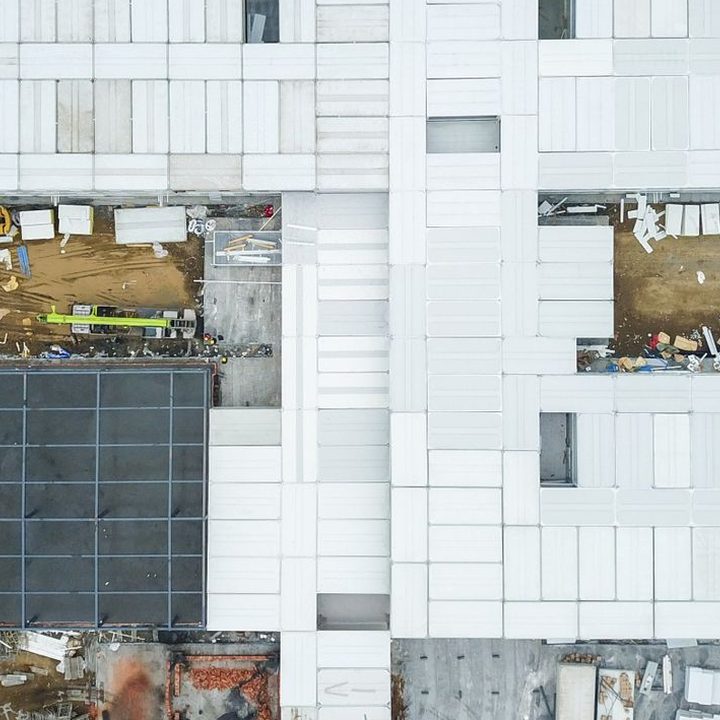
Chalky, crazed or patched membrane over a deck that does not flex underfoot is the classic candidate.
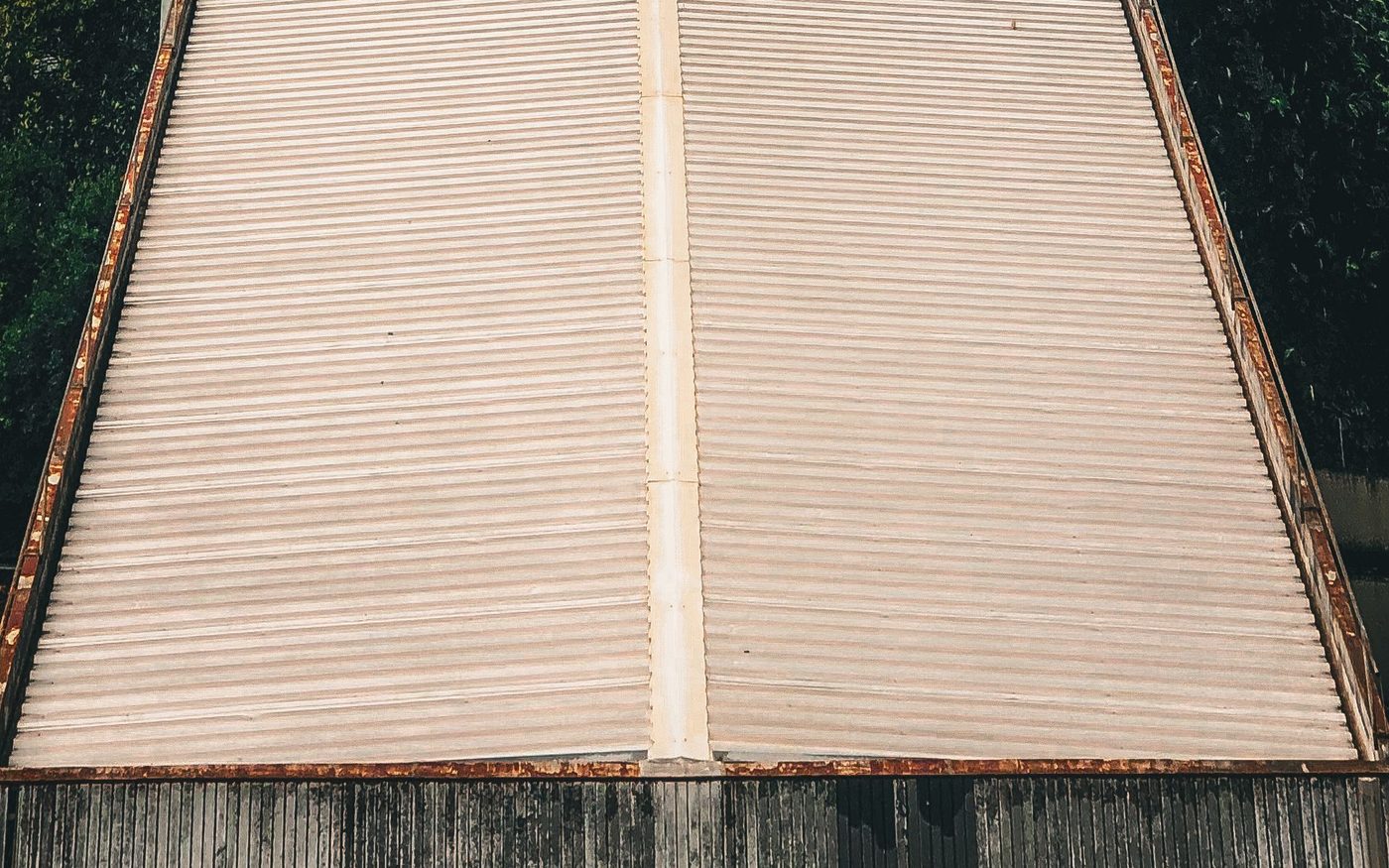
When patches are needed every season across the roof, one new surface costs less than years of call-outs.
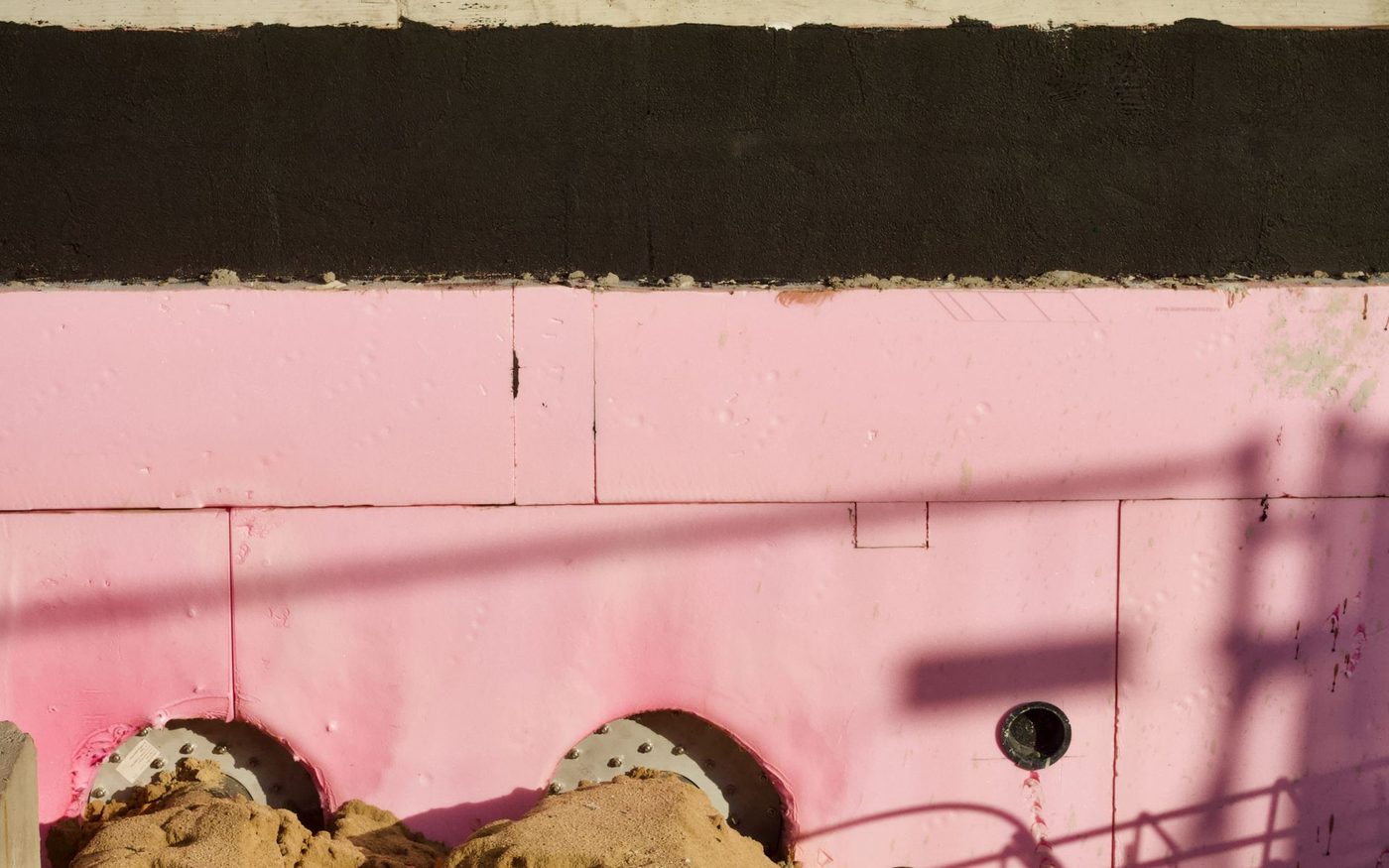
If the insulation below the membrane is dry, it can stay, and that is most of the saving.
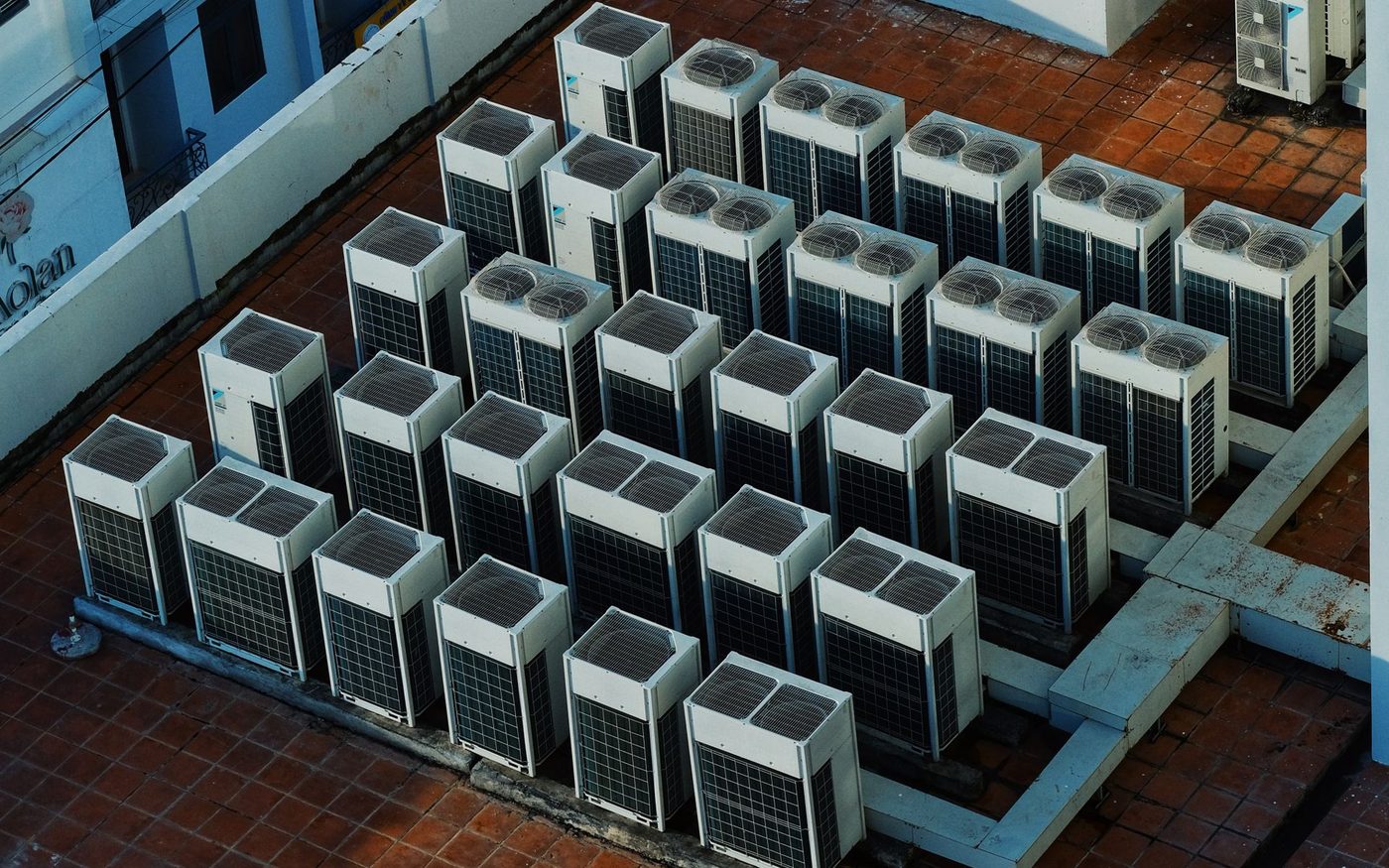
Building code limits how many roofs can sit on a deck. A single existing layer usually leaves room for one more.
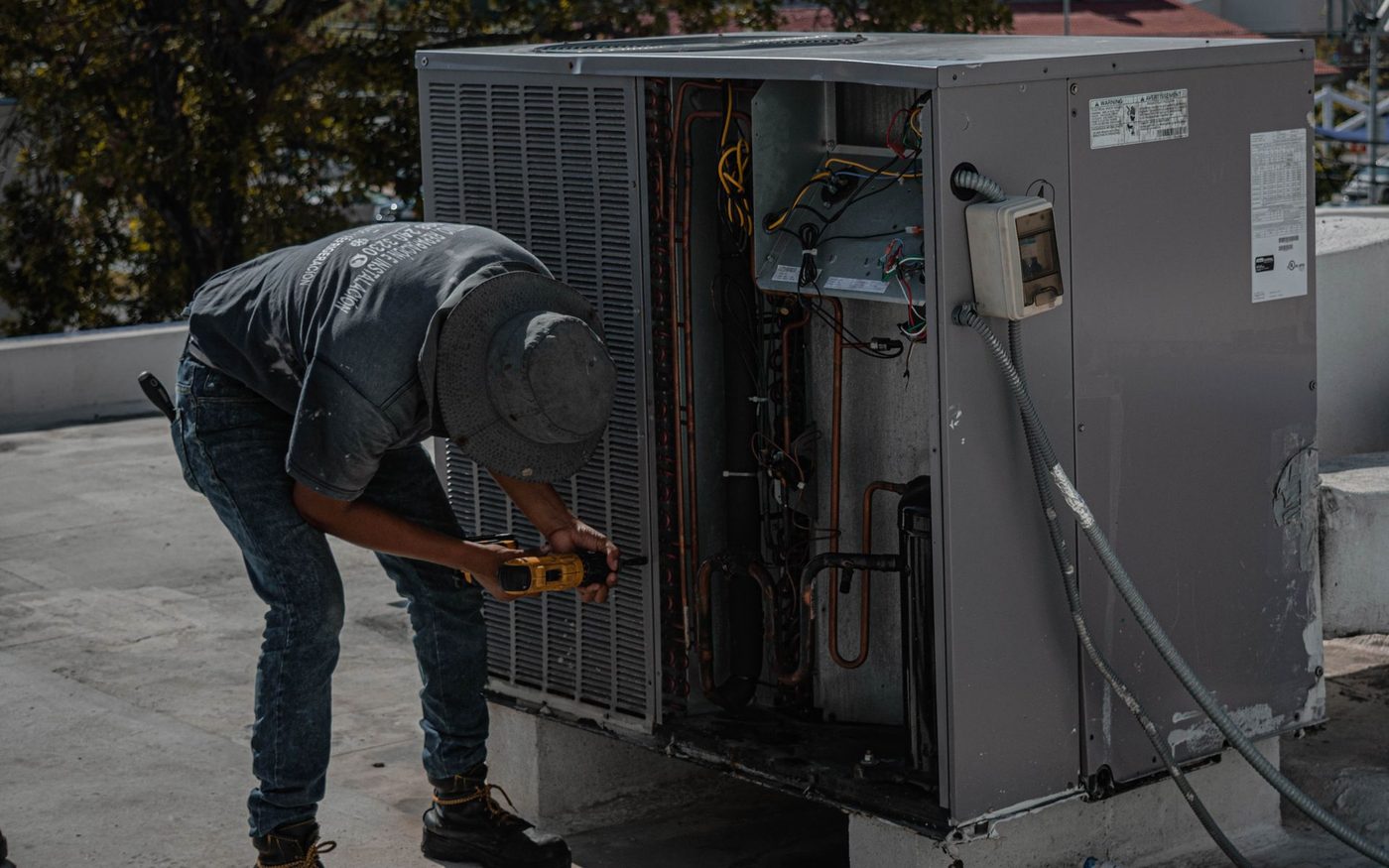
A recover is quieter and quicker than stripping the roof, which suits buildings that stay open.
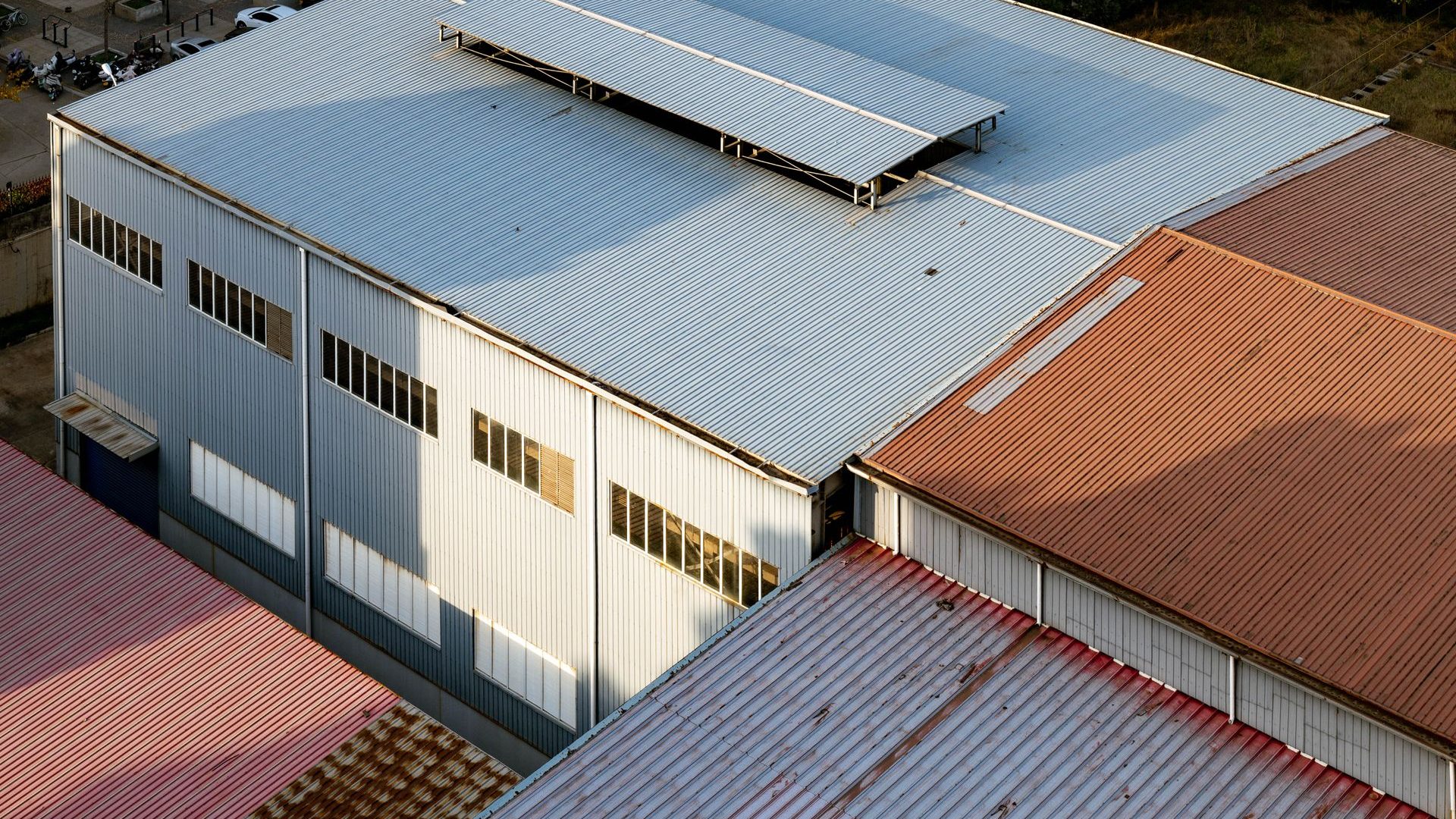
A new reflective membrane over a dark, worn one can bring the roof surface temperature down in summer.
Not sure your roof qualifies? The survey checks the insulation and the layers first.
Book a free surveyEight stages. The first three decide whether a re-roof is possible at all.
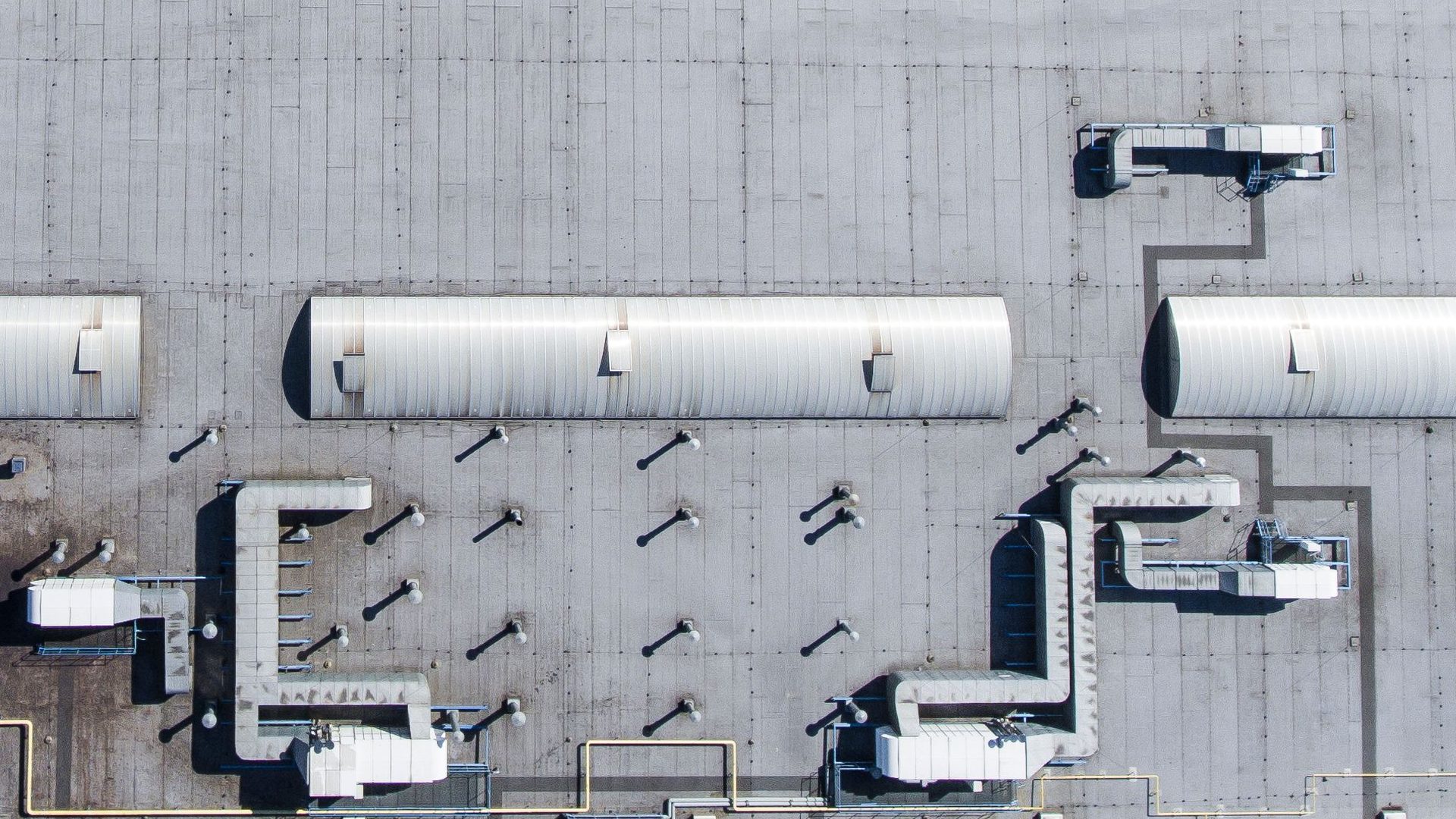
The roof walked, and the insulation under the membrane checked for moisture in test areas.
Wet insulation rules it out.
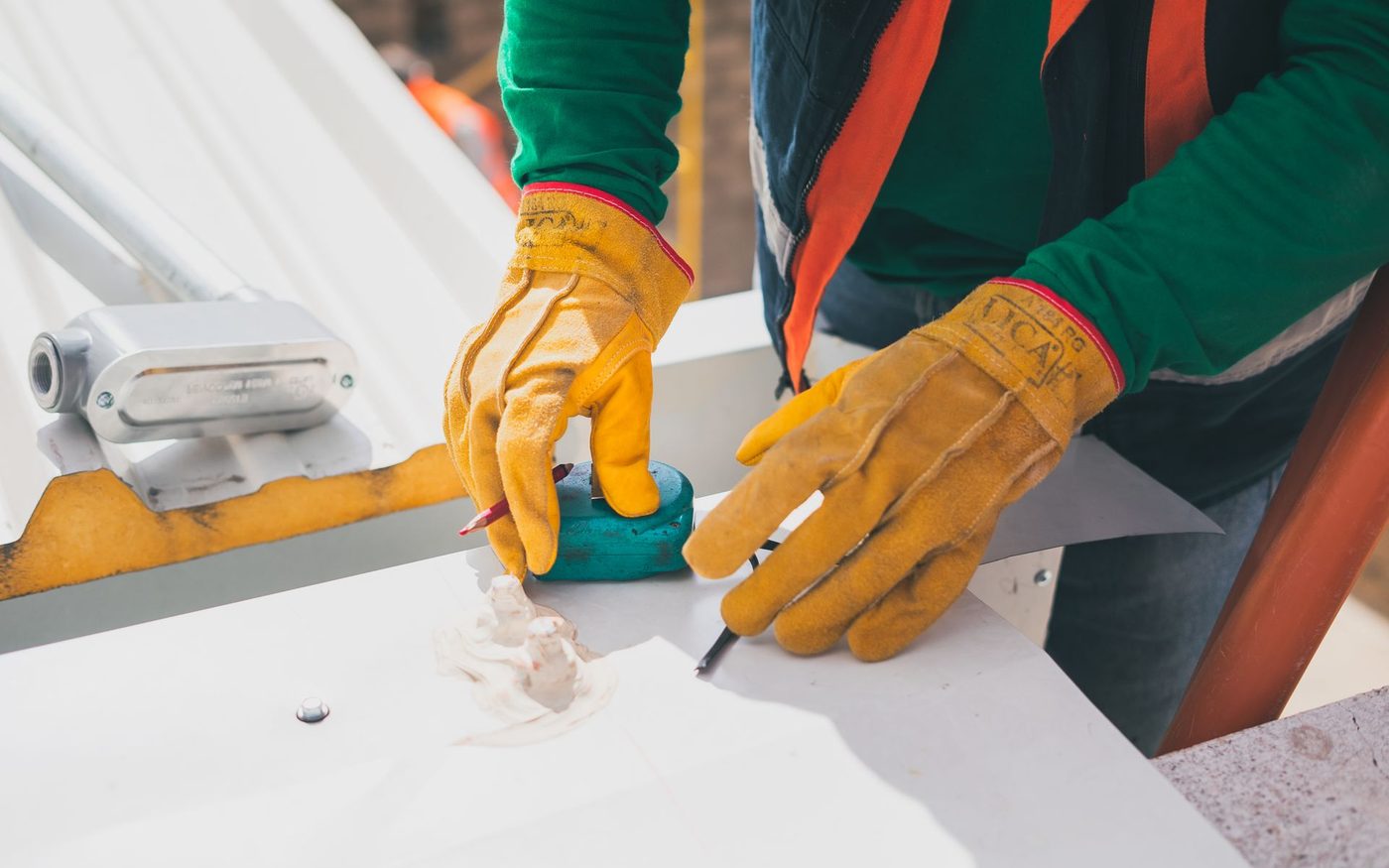
The number of existing roofs confirmed, because code will not allow a new one over too many.
Checked, not assumed.

The new membrane named, the recover board specified, and every line priced, including any wet areas to cut out.
Signed off before work.
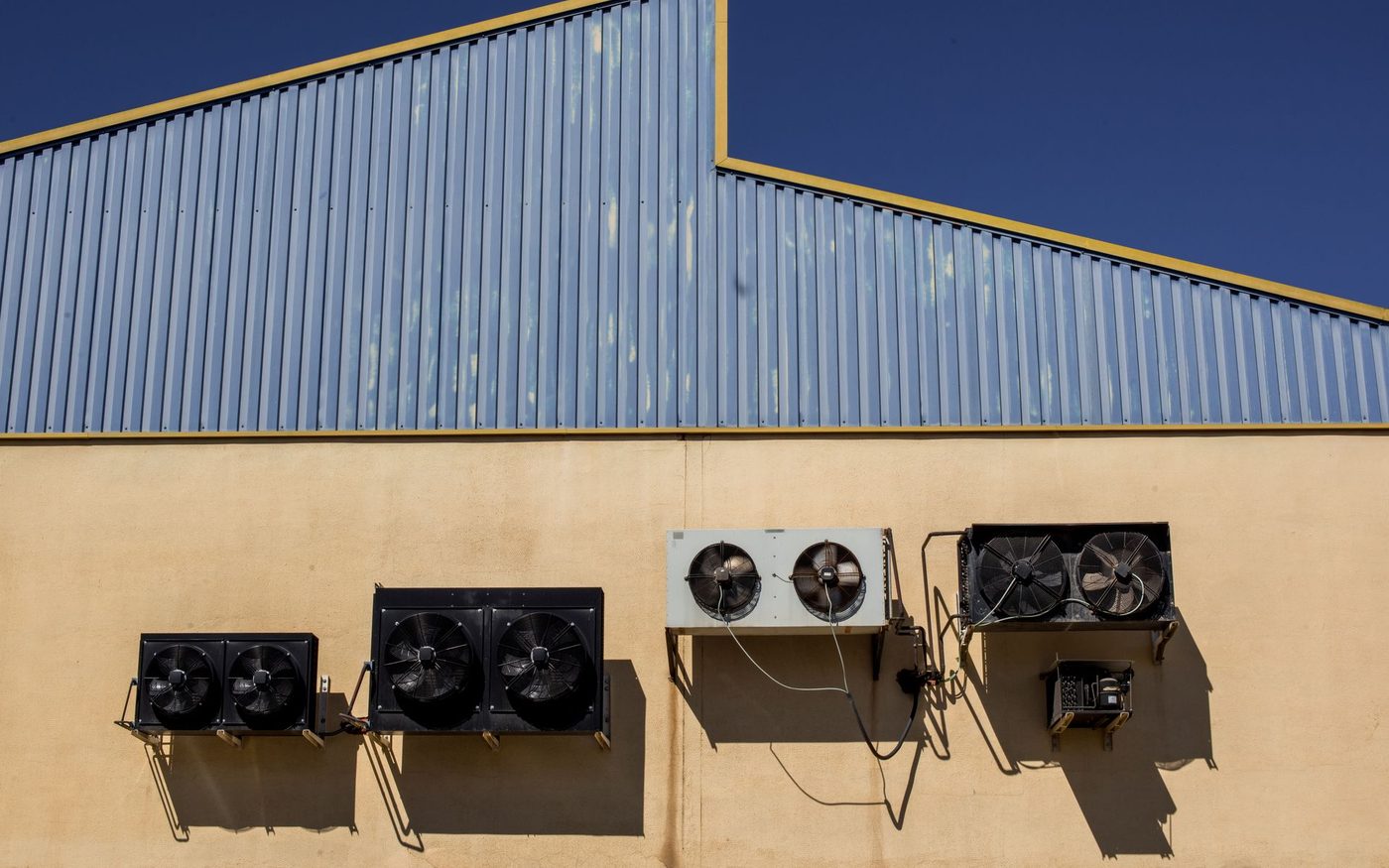
Sections, access, deliveries and working hours agreed with you before the first day.
Your hours come first.
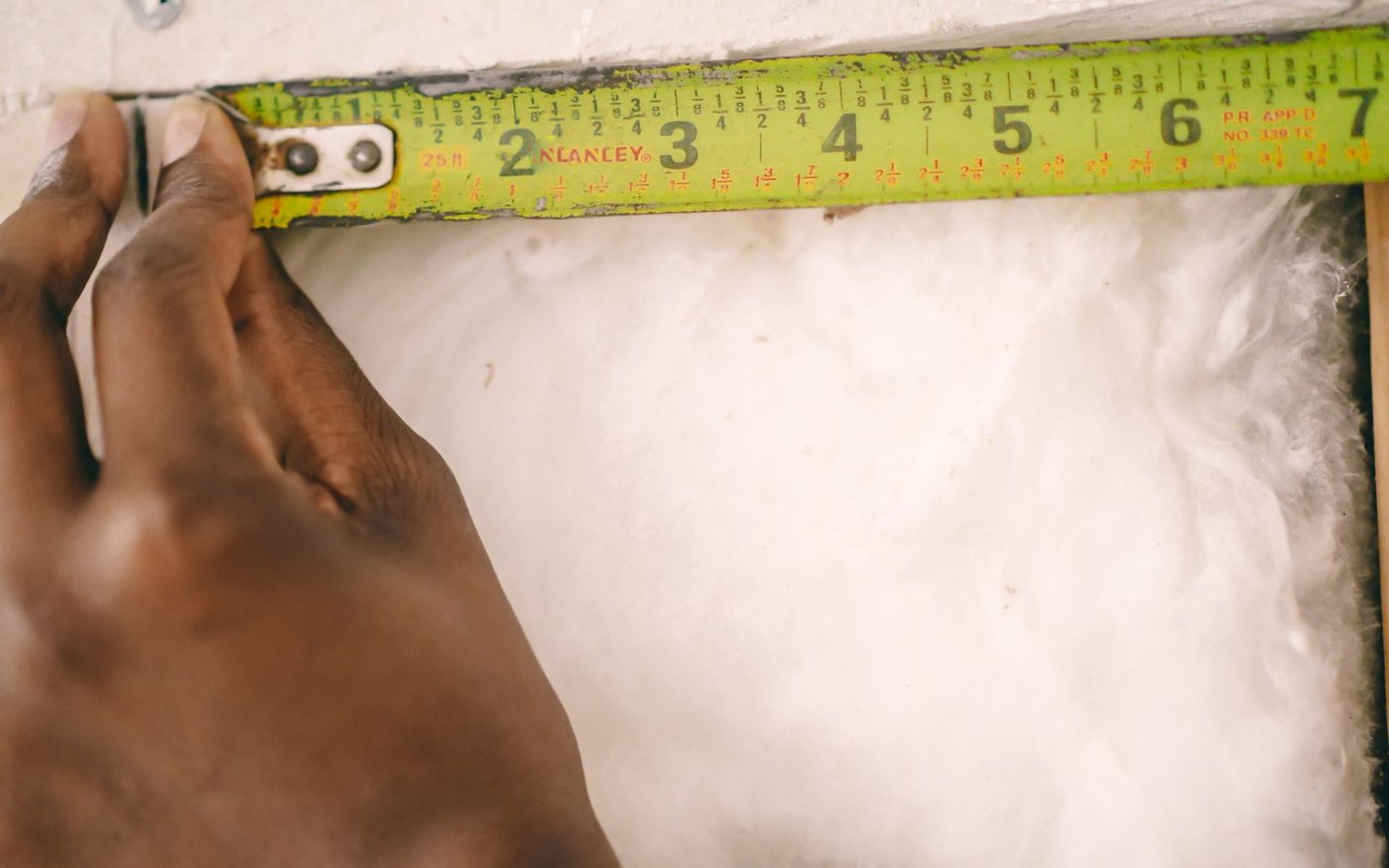
Any wet insulation found in the survey is removed and replaced, so it is not sealed in.
Dry before it is covered.
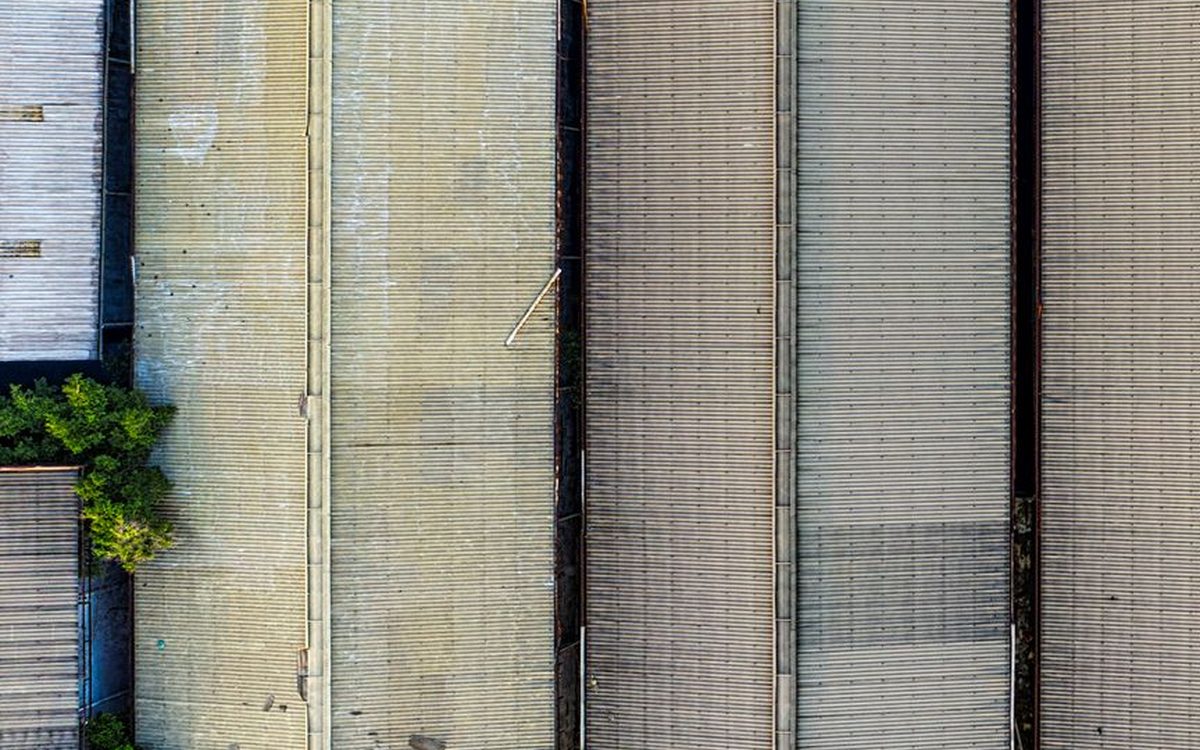
A board is fastened over the old roof to give the new membrane a clean, flat base.
Fastened through to the deck.
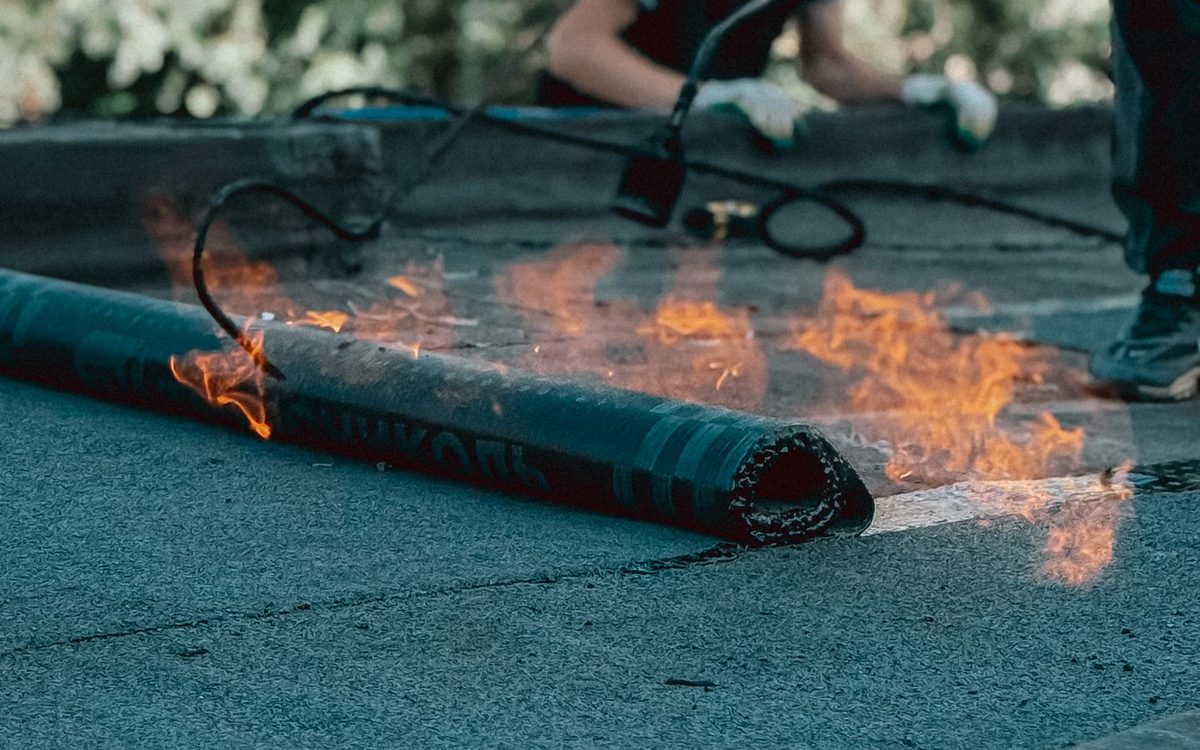
The new membrane installed, with new flashing at every wall, curb and drain.
New flashing, not reused.

The finished roof walked with you, photographed, and handed over with the paperwork for the system installed.
Photos included.
The survey and the moisture check are free, and you hear it plainly if the roof is not a candidate.
Book a free surveyThe right system depends on what is already on the roof and how the building is used.
A white, heat-welded membrane over a new board. Light, reflective, and common on warehouses and retail.
Resists the grease that kitchen exhausts put onto a roof, which breaks down other membranes.
Torched or cold-applied over a base sheet. Tough under foot traffic around equipment.
Where the existing roof is sound and only the surface is tired, a coating may do the job for less.
Code limits recovering a roof that is wet or already has a second layer. The survey checks both, and the scope says which path the building is on.
A re-roof is priced by area, then by what the existing roof needs first.
Priced by the square, with the access and staging the building needs.
Wet areas are cut out and replaced before the new roof goes on.
TPO, PVC, modified bitumen and coatings differ in material and labor.
Every detail gets new flashing, and busy roofs have more of them.
Night, weekend or sectioned work to keep the building open is priced in.
The written scope shows the recover and the tear-off side by side when both are possible. Rather ask in writing? Try the contact page.
Free survey, moisture checked, written scope.
Re-roof bids can look alike. What they do before the new membrane goes on is where they differ.
Quote A is a composite, made up from shortcuts common in cheap re-roof bids. It is not a real quote, and no particular company is meant.
Planning around a lease renewal or a sale? Tell us the date when you call.
Talk to a roofer504-229-3955Re-roofing puts a new roof over the existing one. Replacement tears the old roof off down to the deck first. Re-roofing is faster and produces less waste when the building qualifies.
The survey checks the insulation for moisture and counts the existing roof layers. Dry insulation and room under code for another layer usually mean it qualifies.
Usually, yes. Recovering is quieter than a tear-off, and the work is phased so each section is watertight at the end of the day.
That depends on the system installed and how the roof is maintained. The scope names the system and the manufacturer terms that apply to it.
Small wet areas are cut out and replaced as part of the re-roof. If wet insulation is widespread, a full replacement is the better choice, and the survey says so.
A certificate of insurance can be sent before work starts, and the scope, schedule and photos can be shared with tenants or lenders.
Name and phone are enough. We call back the same business day.