Path Traced, Not Assumed
From the interior mark, along the slope and the deck, to the opening that feeds it.

The entry point, not the ceiling tile. Water is followed from the stain back across the deck to where it gets in, marked on a roof plan and photographed before anyone repairs it.
On a flat roof, water does not drop straight through. It runs along the deck, collects at a low point and finds a gap there, so the stain and the source can be a long way apart. Leak detection closes that distance.
Big Easy Roofing Company traces leaks on warehouses, shopping centers, offices and restaurants across New Orleans. We start inside at the stain, read the deck and the roof layout above it, and walk the likely path until the opening is found.
Once it is found and photographed, the fix is priced as a commercial roof repair, so you pay once for the right spot.
From the interior mark, along the slope and the deck, to the opening that feeds it.
The entry point is marked on a sketch of the roof, so maintenance staff can find it again.
Interior checks are booked for times when tenants and customers are not in the way.
Commercial leaks tend to show indoors as small, scattered signs well before a ceiling gives way. These are the common ones.
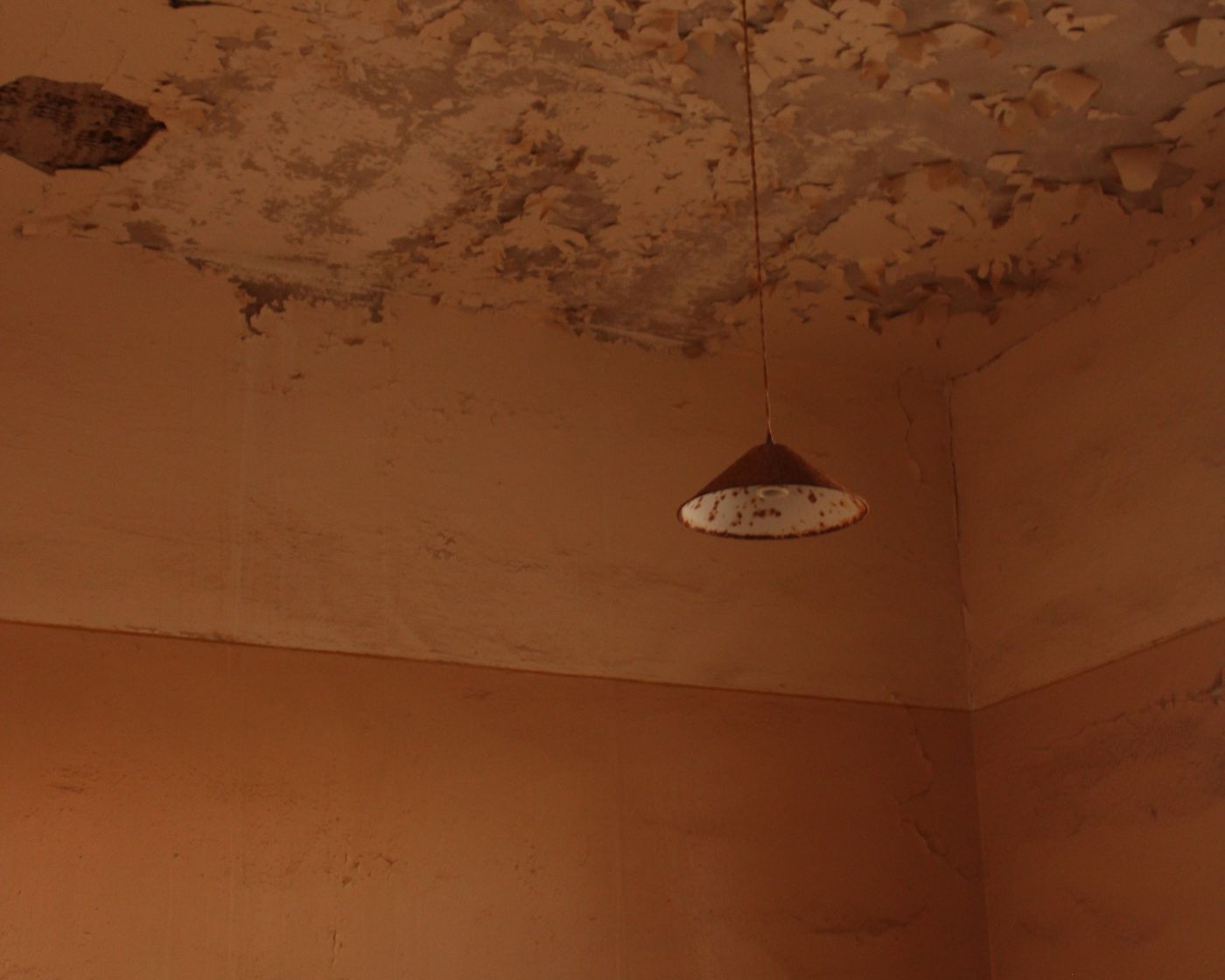
A brown ring on a drop ceiling tile is the classic sign. Swapping the tile hides it without stopping it.

A leak that runs in a downpour but not a drizzle often points to wind-driven water at a parapet or a curb.
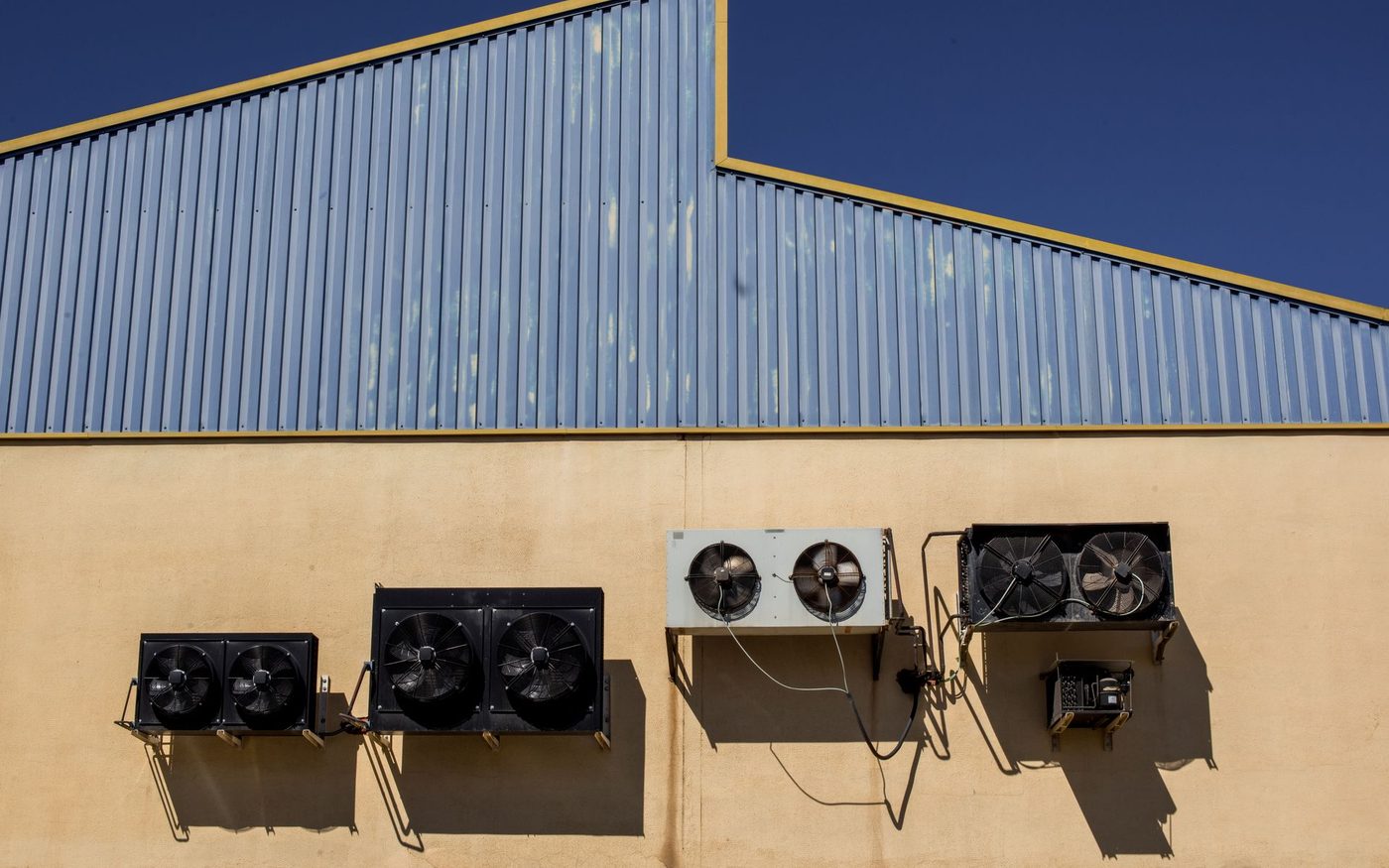
Line sets and condensate pipes pass through walls and roofs. Where they enter, sealant fails and water follows the pipe in.
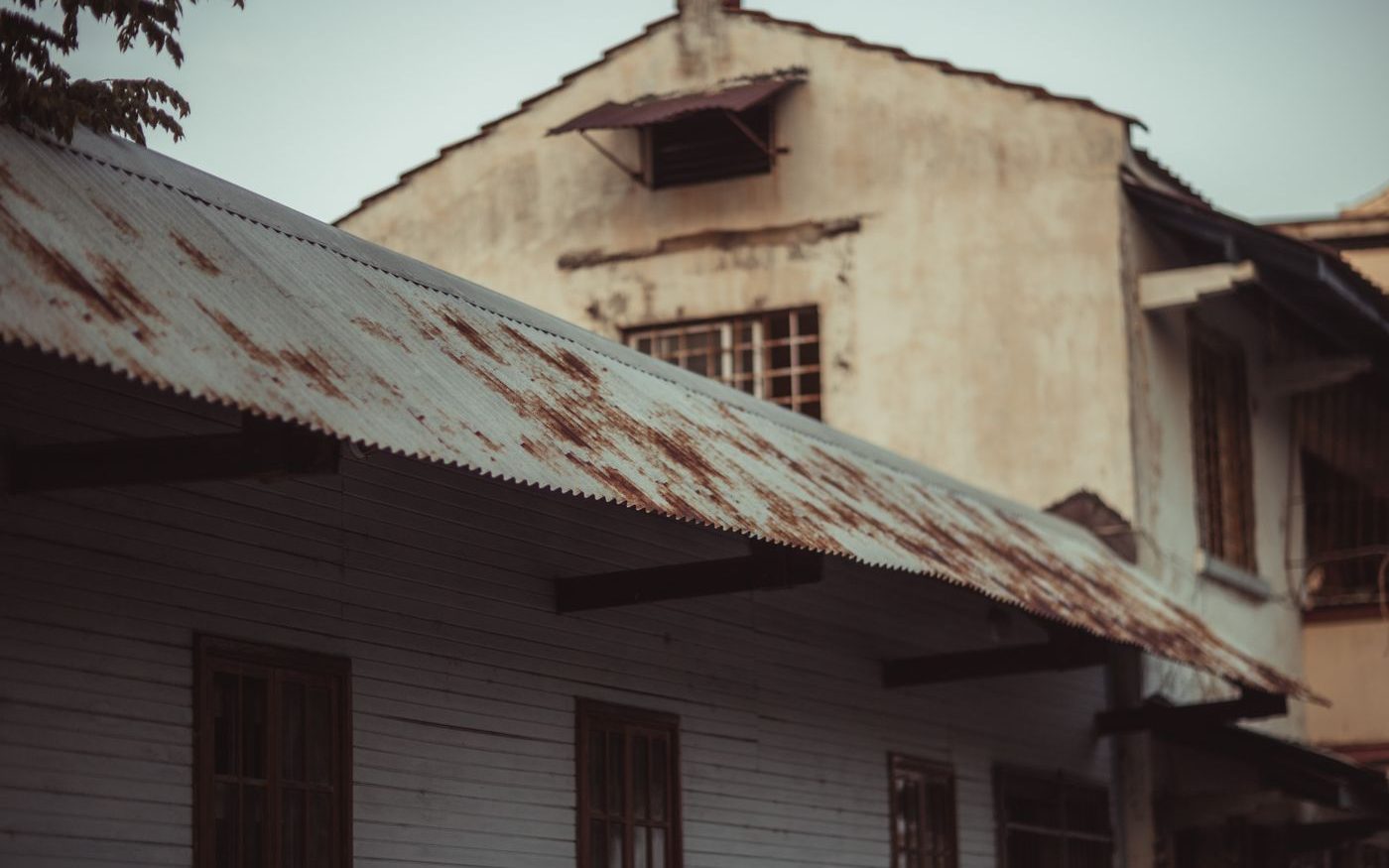
Orange streaks on steel decking seen from inside show a slow leak that has been running for months.
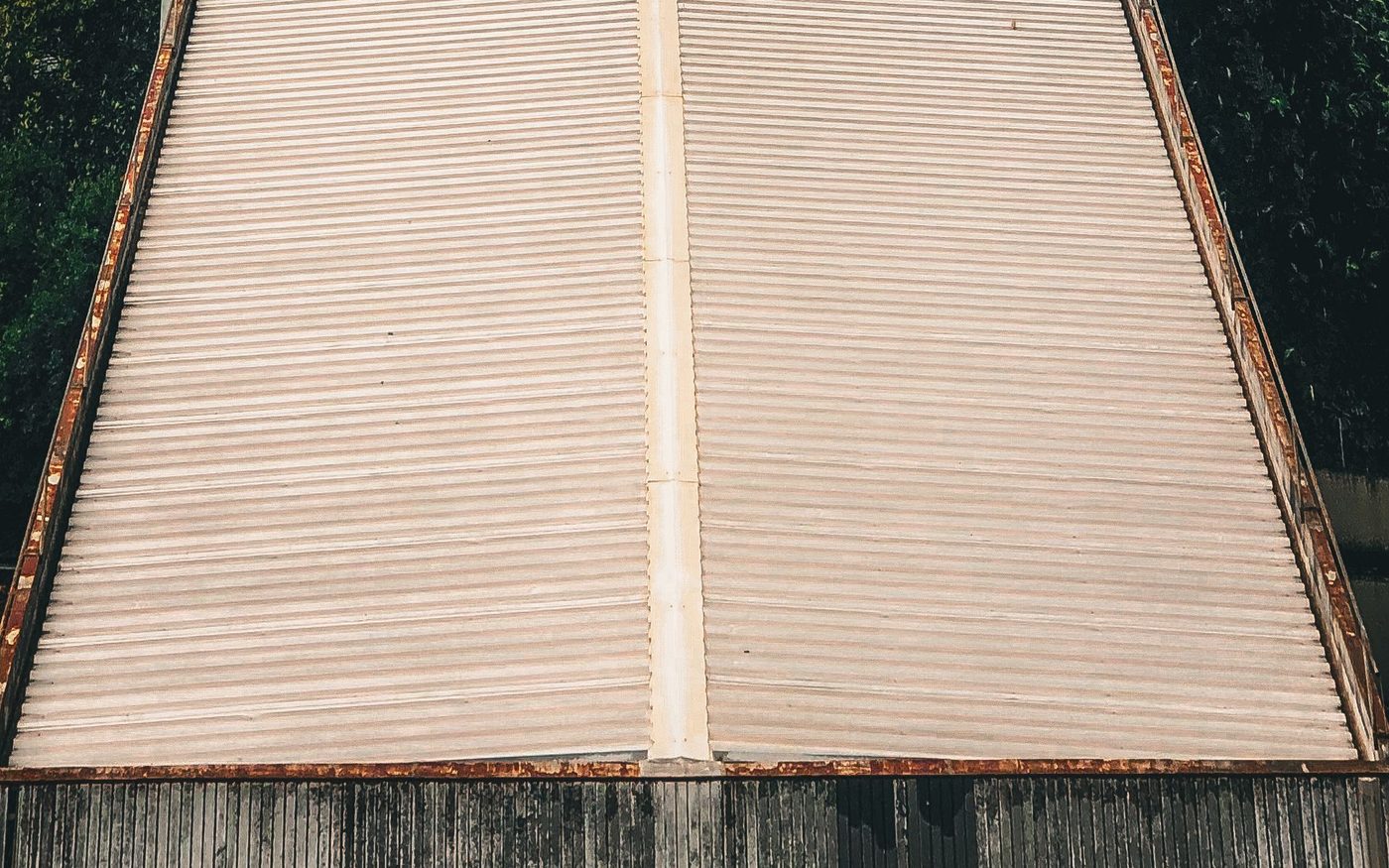
Ponding sits on seams far longer than the rest of the roof. The joint under the water is where it usually gets through.

Wet insulation above a ceiling smells before it stains. Offices right under the roof notice it first.
Noticed one of these? The free survey includes the trace.
Book a free surveyEight steps take a leak from first report to a fix at the true source. Nothing is cut open until the source has been shown to you.

Staff tell us where water appears and when. Each spot goes on a floor plan with the weather that brought it on.
Your notes save hours on the roof.
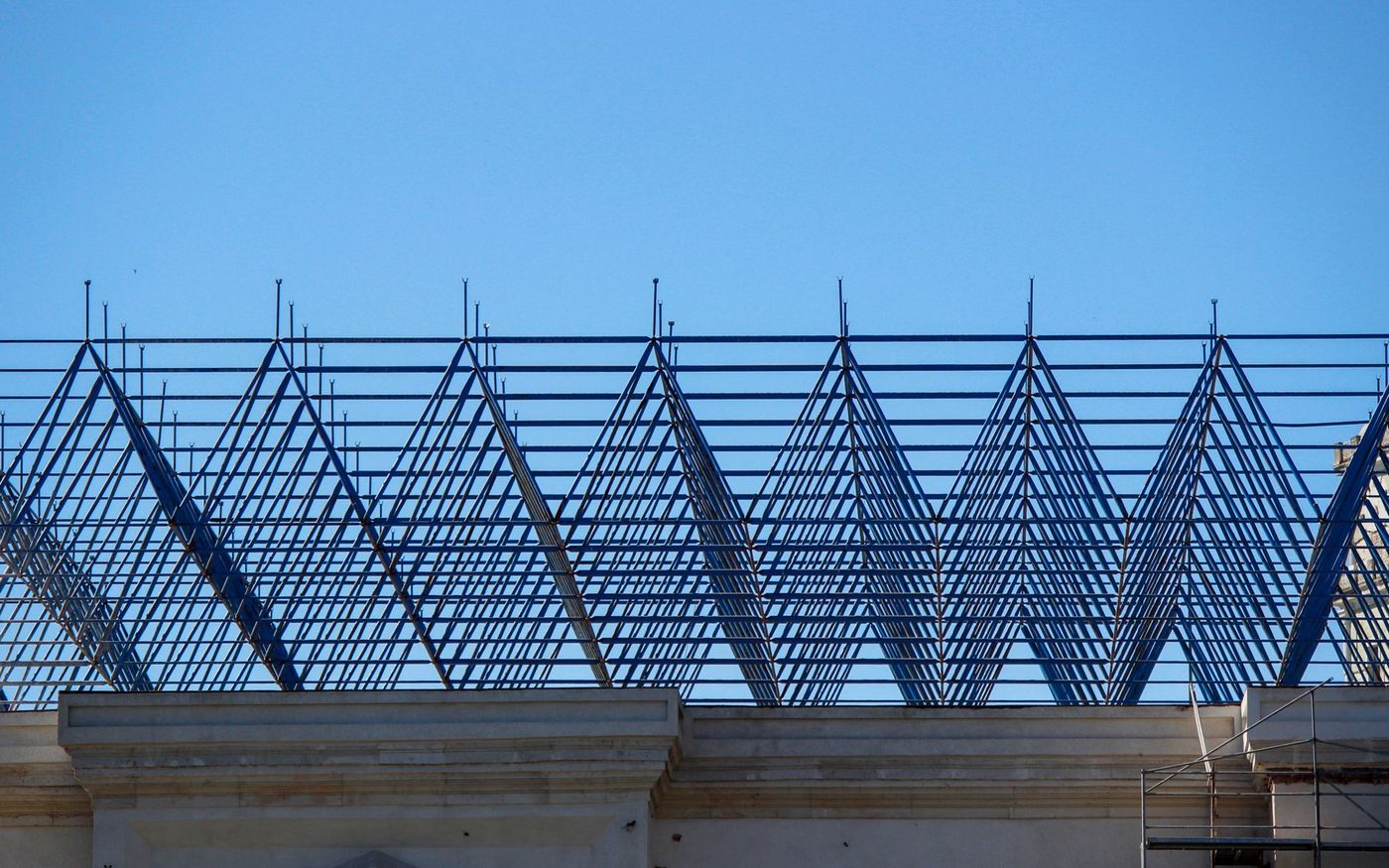
From inside, stains on the deck and rust on the joists show which way the water has been running.
The trail points uphill to the source.

The marks are laid over the roof layout: drains, slopes, units and seams in that area.
The likely path narrows fast.
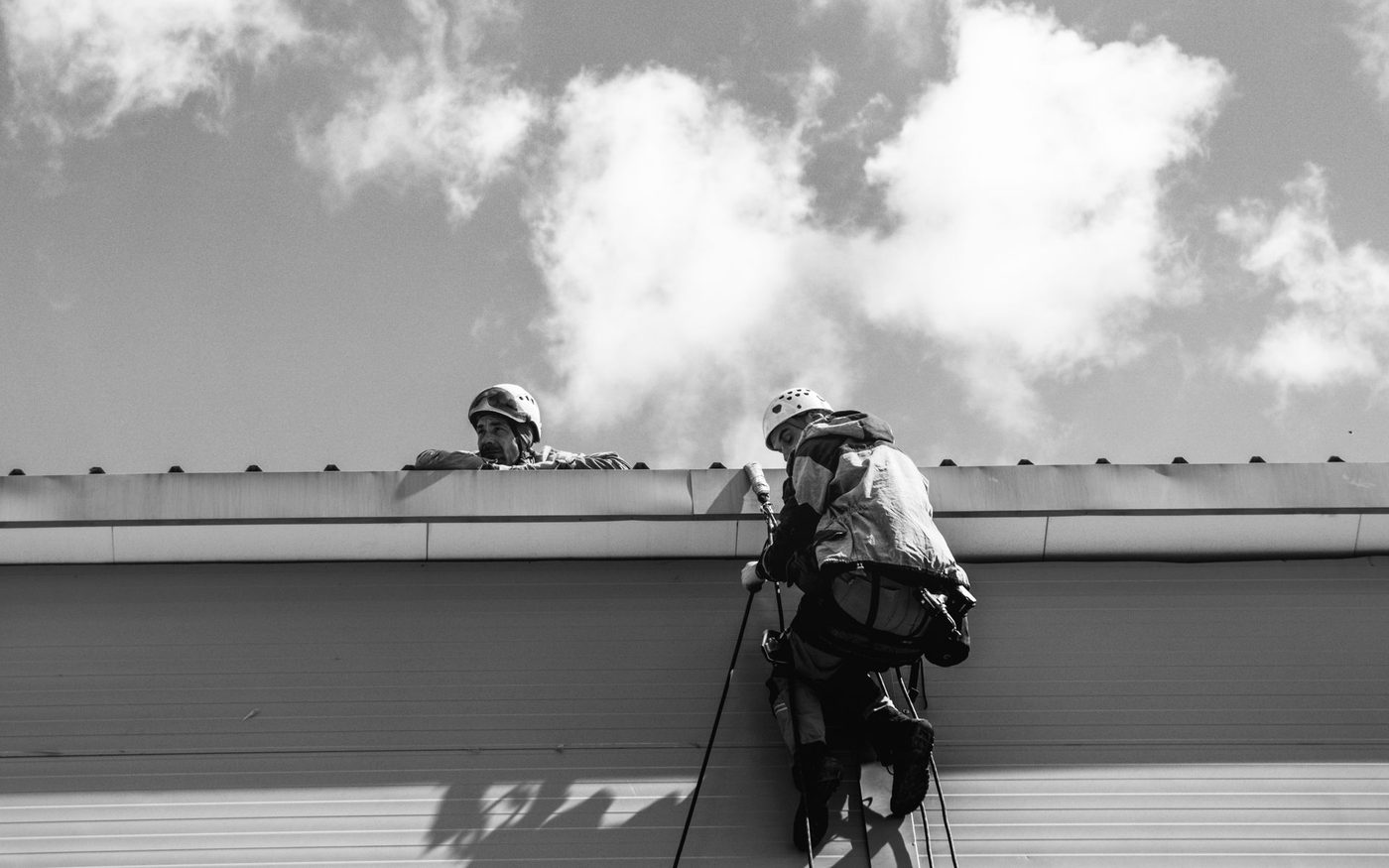
Seams, laps and fasteners along the path are checked in order, uphill from the interior mark.
Checked in order, not at random.
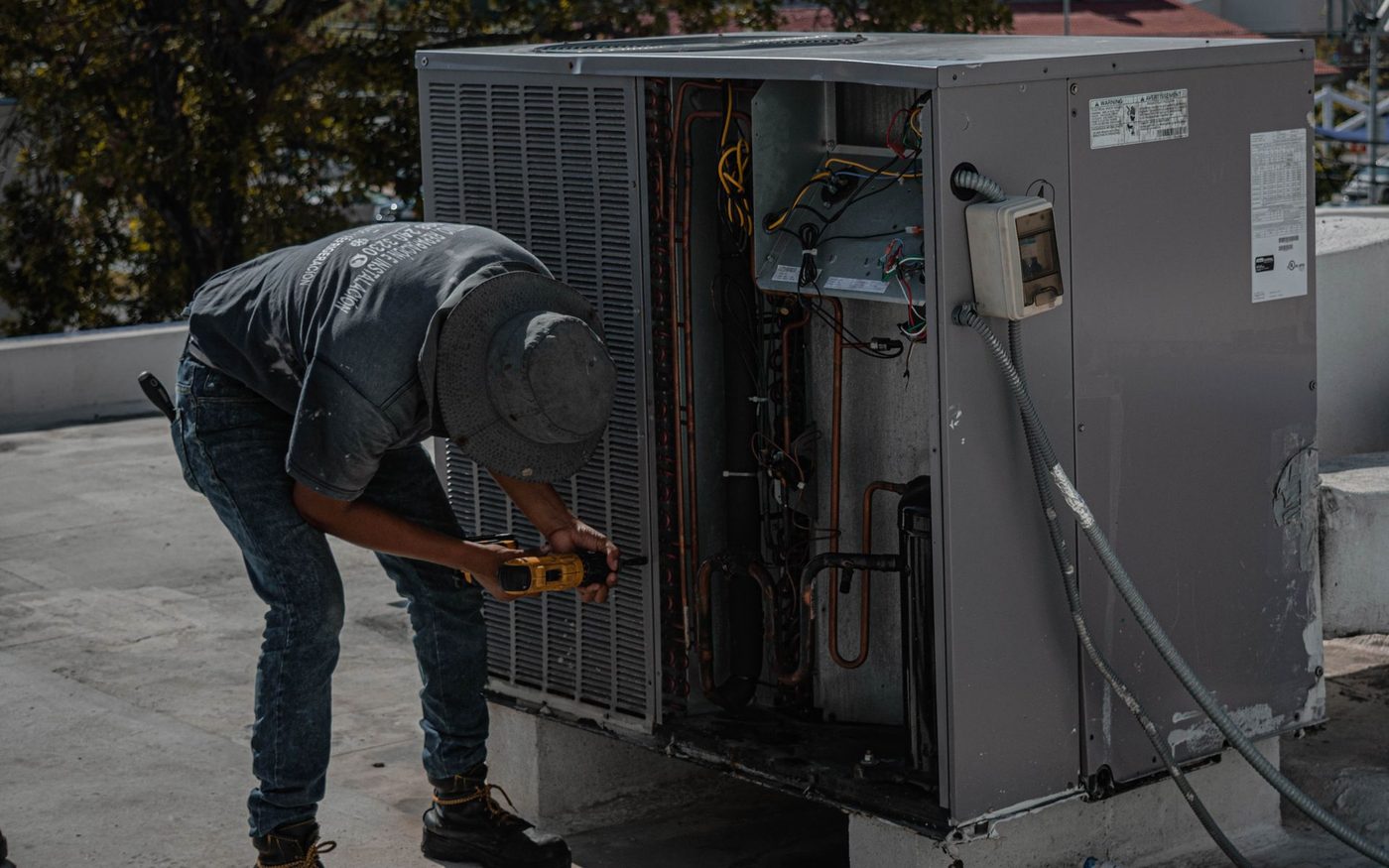
Curbs, pitch pans, pipe boots and unit flashings near the path get a close look, because most traced leaks end at one.
The usual source.
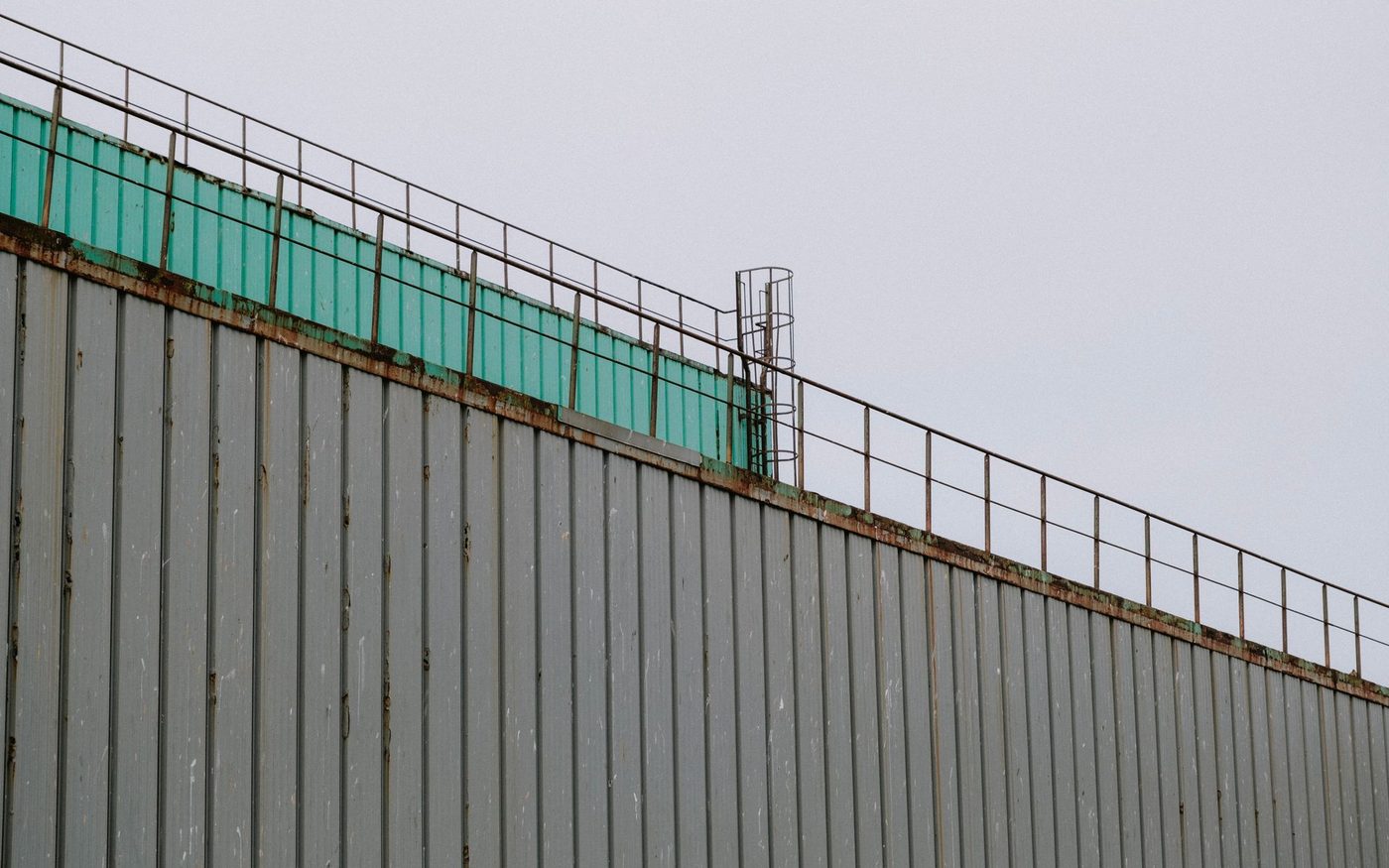
Coping joints, wall flashing and edge metal are checked where wind drives rain into them.
Wind-driven leaks start here.
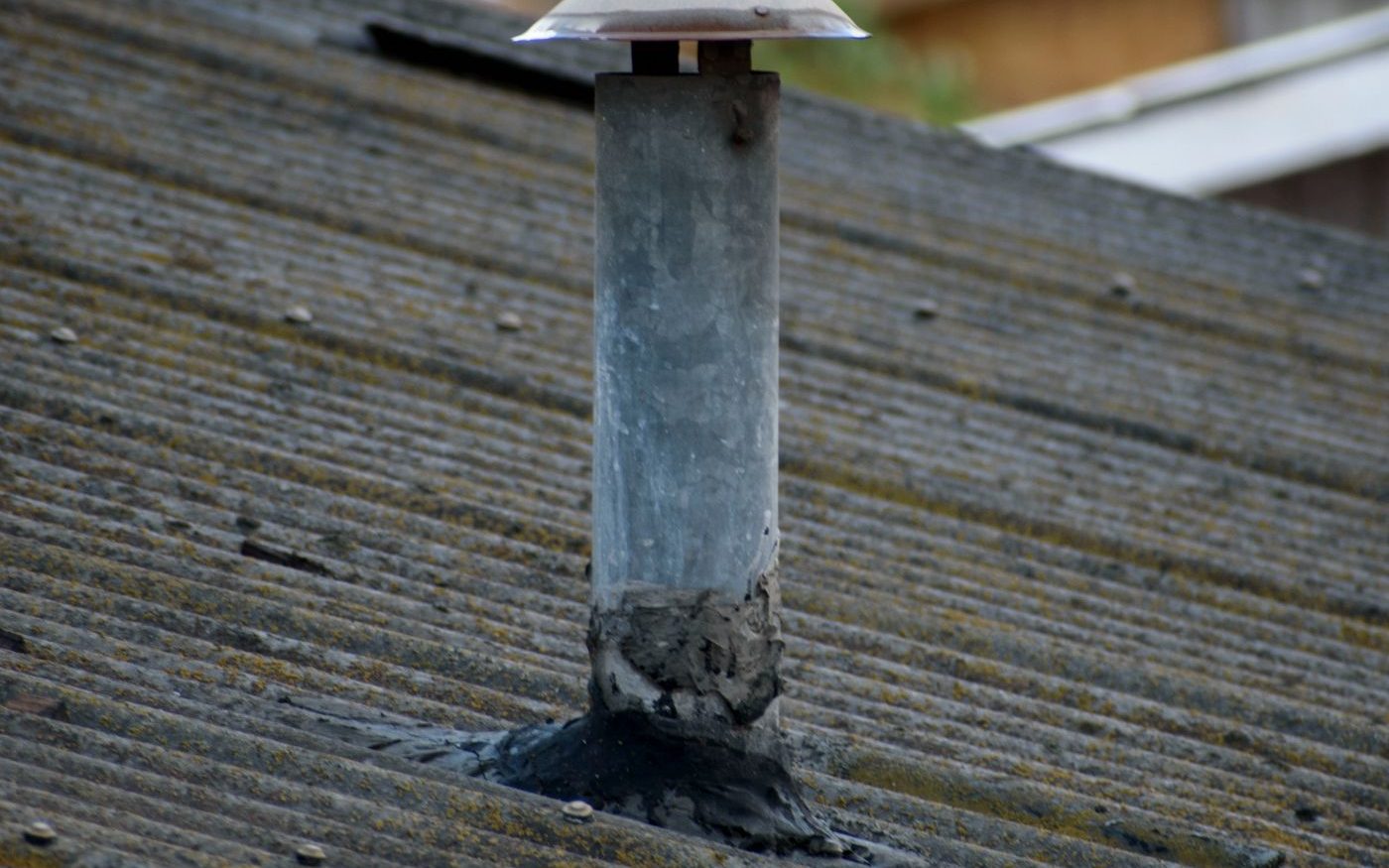
The entry point is photographed close up and from a distance, and marked on the roof plan.
You see it before you see a price.
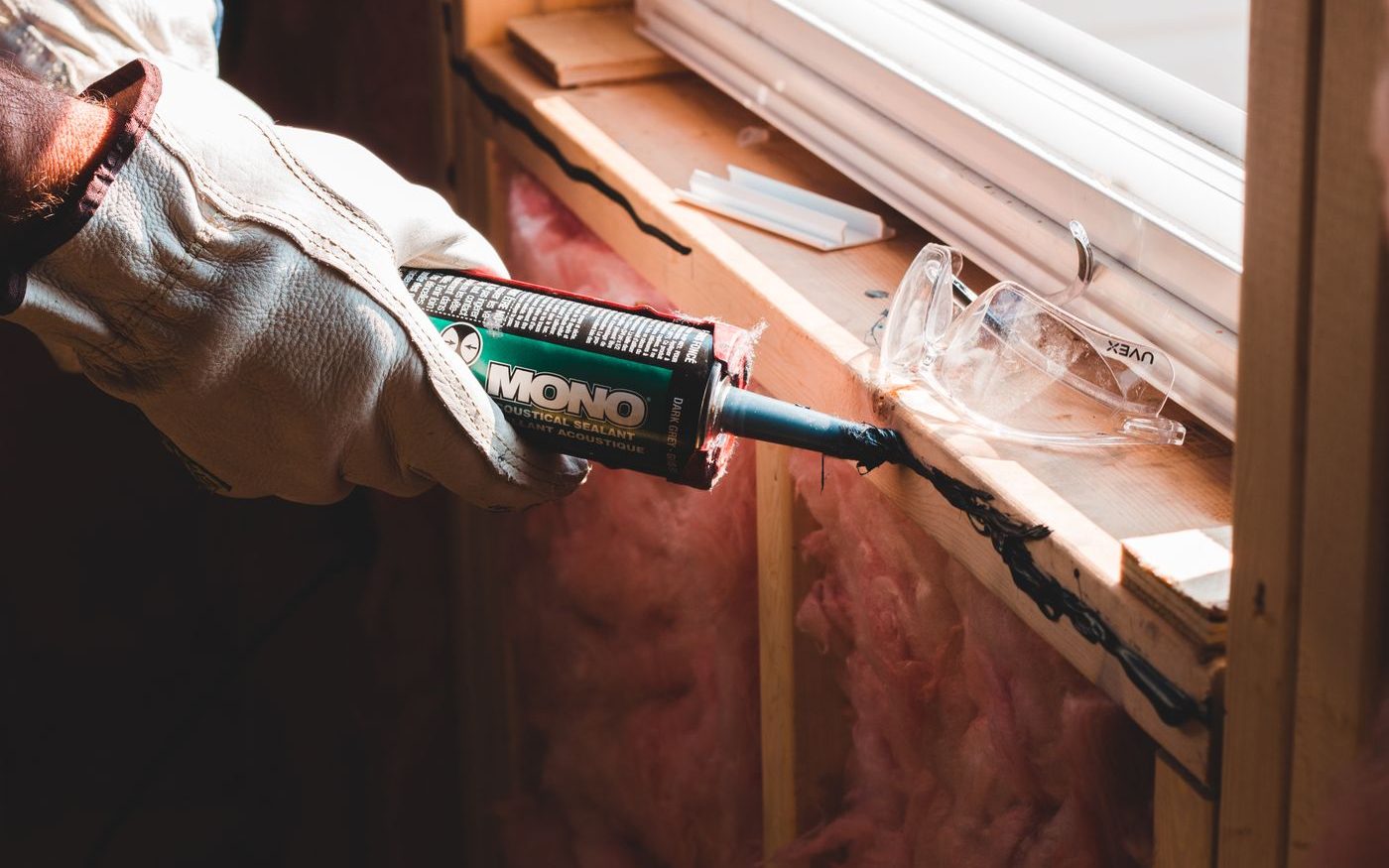
A written price comes first, then the fix at the opening, with any wet insulation under it replaced.
Once, in the right spot.
No charge for the trace. It comes with the survey.
Book a free surveyAcross a large membrane, water nearly always gets in at one of four places.
Units, ducts, pipes and hatches all break the membrane. Their flashings dry out and split long before the field does.
A blocked drain backs water up over seams that were never meant to sit underwater.
Welds, tapes and torched laps open with heat, age and movement across a wide roof.
Cracked coping and loose wall flashing let wind-driven rain in behind the membrane at the edge.
On a large roof it happens often. If the trace finds more than one entry point feeding the same area, each is shown and priced on its own.
The trace itself is free. The repair price rests on what turns up along the way.
A fresh leak may have soaked a few boards. A long-running one can wet a whole bay.
A cracked pipe boot is a short job. Rebuilding a unit curb or a parapet flashing takes longer.
Single-ply, modified bitumen and built-up each need their own repair materials and methods.
Big roofs and awkward access add setup and carrying time.
Each separate opening is priced on its own line, so you can see what each one costs.
The opening is shown to you, with its price, before any work starts. Prefer to send the details in writing? The contact page takes them.
No-cost trace, photos, and a price before work.
Most leak calls go one of two ways. On a commercial roof the second way is usually cheaper by the second visit.
Quote A is a fictional bid assembled from shortcuts common in commercial leak calls. It is not a real quote, and no actual contractor is described.
Keep a note of which storms bring the leak on. It shortens the trace.
Talk to a roofer504-229-3955On a low-slope roof water runs along the deck and the insulation until it reaches a gap or a low point. On a large building that can be a long way from where it finally drips.
Usually, yes. The trace uses the interior marks, the roof layout and a close check of seams and details along the path. The roof is only opened to confirm and repair once the source is found.
Yes, it comes with the free survey. You only pay for the repair, once you have viewed the opening and approved a written price.
Yes. Interior checks and roof work are booked for times that suit the building, and you get notice before anyone arrives.
If there is one source, yes. Where several openings feed the same area, each is found and priced, so the leak does not come back from a second one.
Call 504-229-3955. Temporary protection goes on first, and the trace follows once it is safe to walk the roof.
Name and phone are enough. We call back the same business day.