Every Transition Type
Walls, curbs, pipes, drains and edges, each with the detail that suits it.

Where flat roofs fail first. Parapet walls, unit curbs, pipe penetrations and edge metal rebuilt with membrane and metal, priced after a free survey.
Flashing is every place a flat roof turns up a wall, wraps a curb or meets a pipe. Those transitions move more than the field of the roof, so they fail first.
Big Easy Roofing Company repairs flashing on commercial roofs across New Orleans: parapet base flashing and coping, curbs under rooftop units, pipe and conduit penetrations, drains, scuppers and perimeter edge metal.
If the leak has not been pinned down yet, the job starts with commercial leak detection, so the right detail gets rebuilt.
Walls, curbs, pipes, drains and edges, each with the detail that suits it.
Base flashing in membrane, counterflashing and coping in metal, lapped so water sheds past both.
Before, during and after, so the file shows what was rebuilt and where.
Most of these can be seen from the roof in a few minutes, if someone knows to look at the edges instead of the middle.
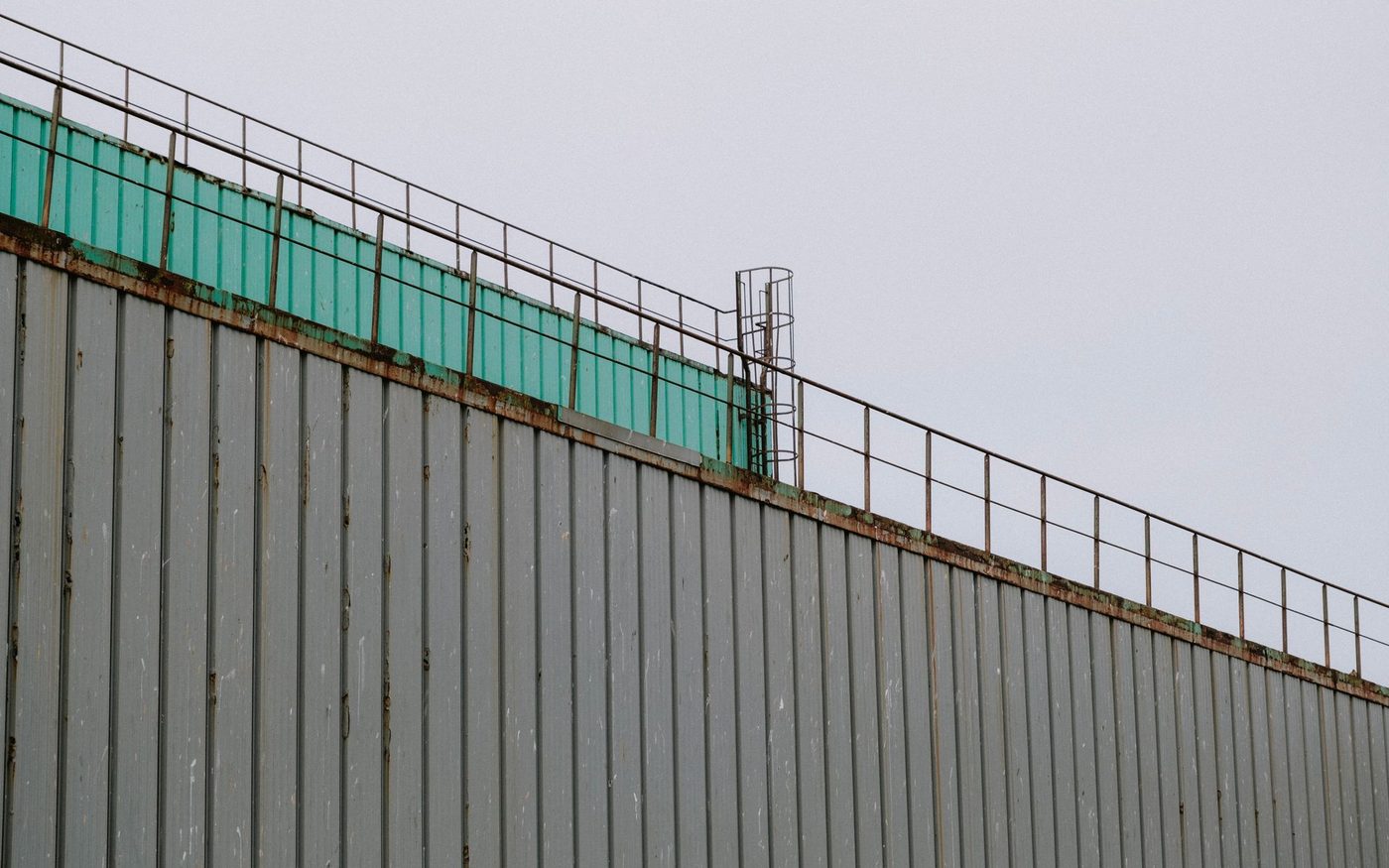
Base flashing that has sagged or peeled away from a parapet leaves a gap where rain runs straight down behind the roof.
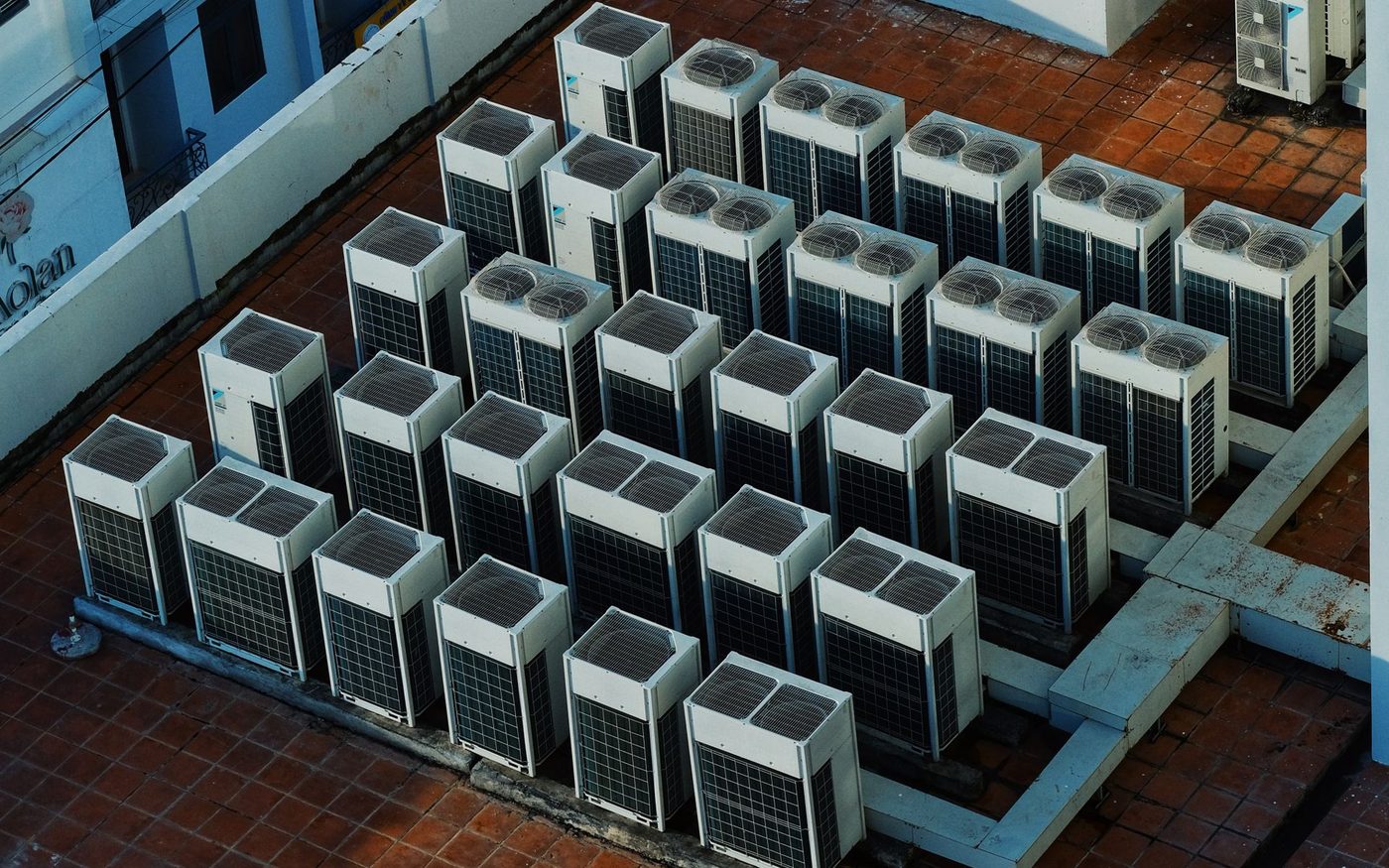
Vibration from rooftop equipment works flashing loose at the corners of the curb it sits on.
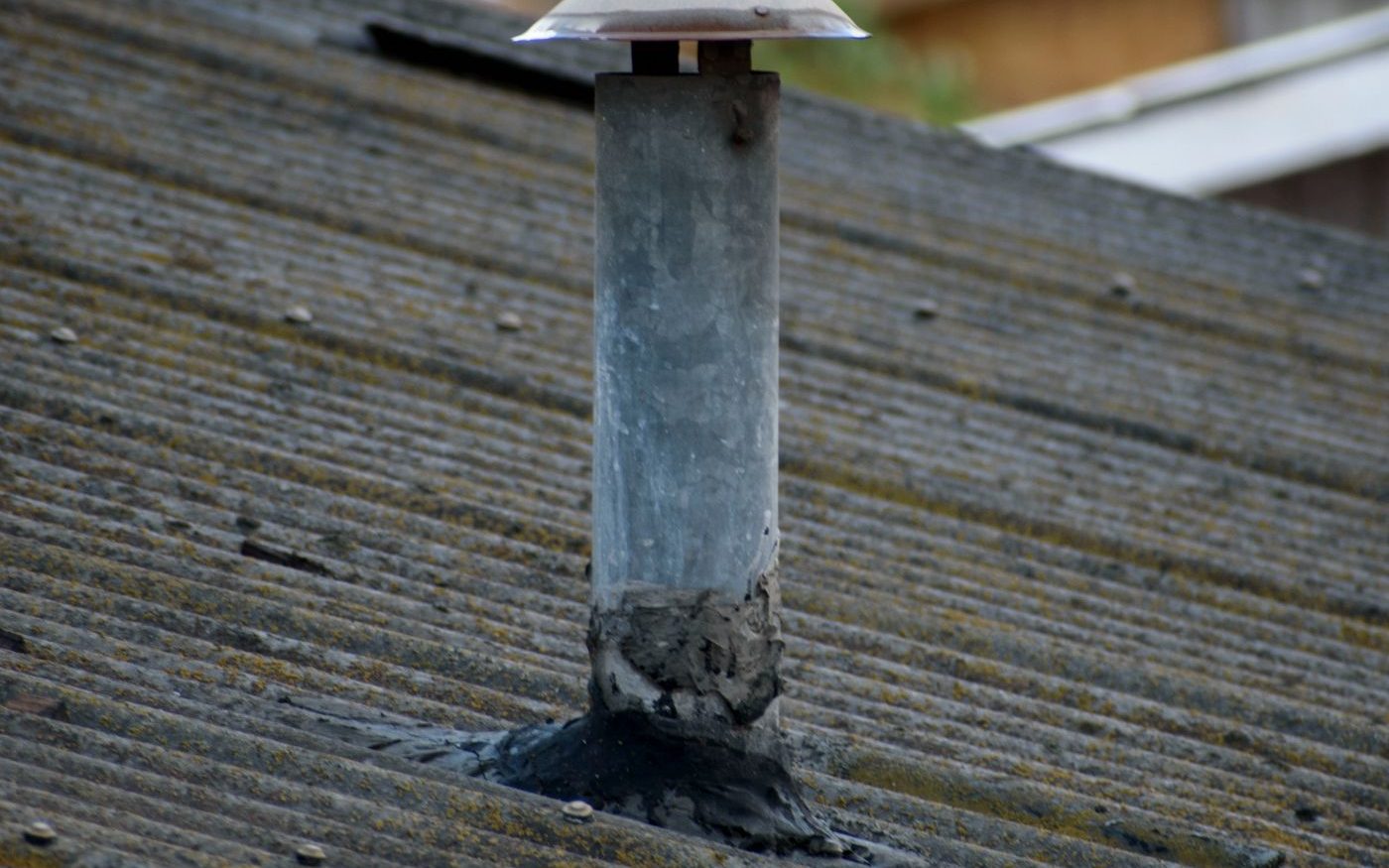
Rubber boots and sealant collars around pipes crack in the sun and let water run down the pipe.
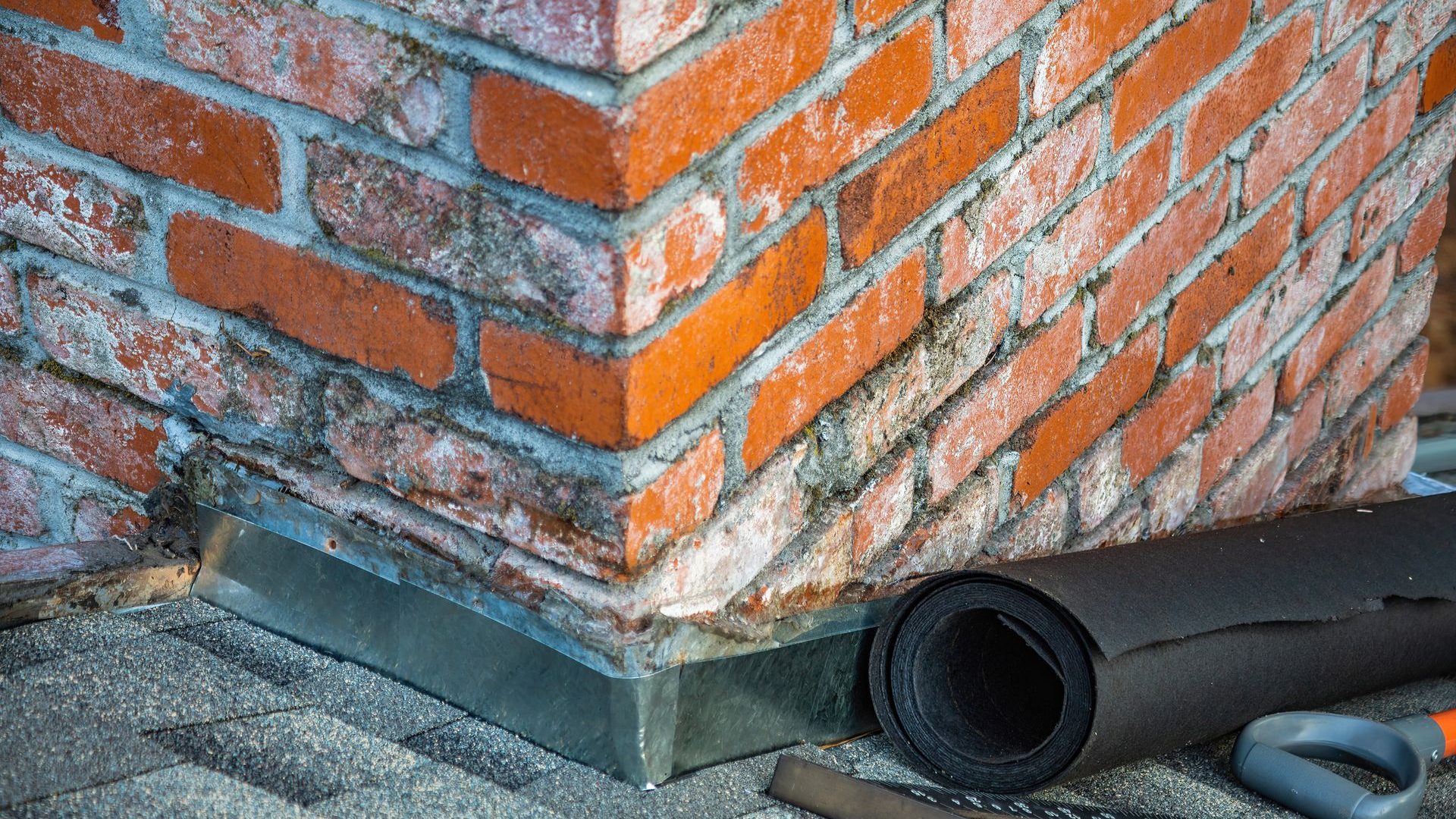
Metal set into a wall or a reglet backs out over time, and the membrane under it is left exposed.
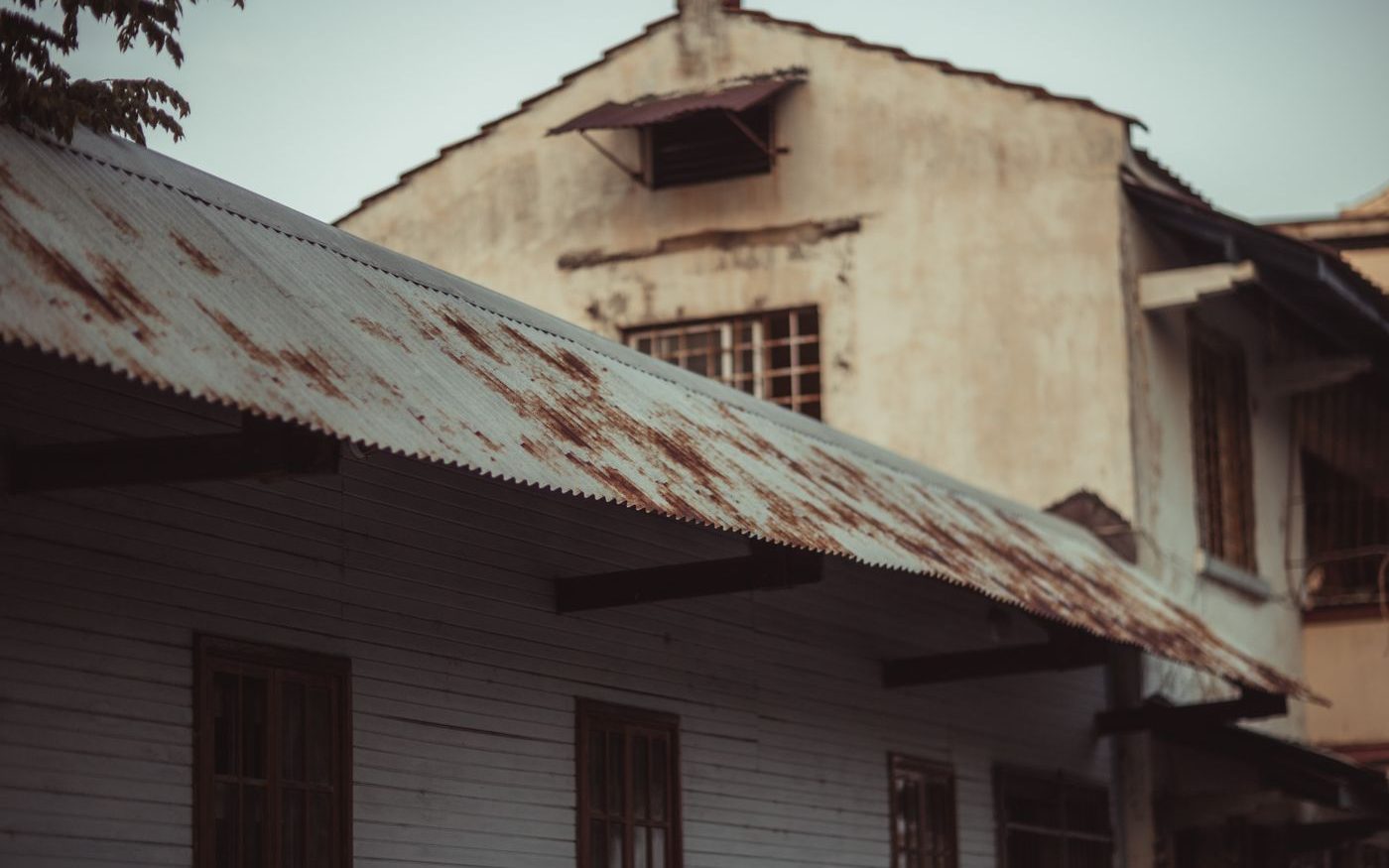
Rust at the perimeter means the metal is thinning, and wind can start to lift it and the membrane with it.
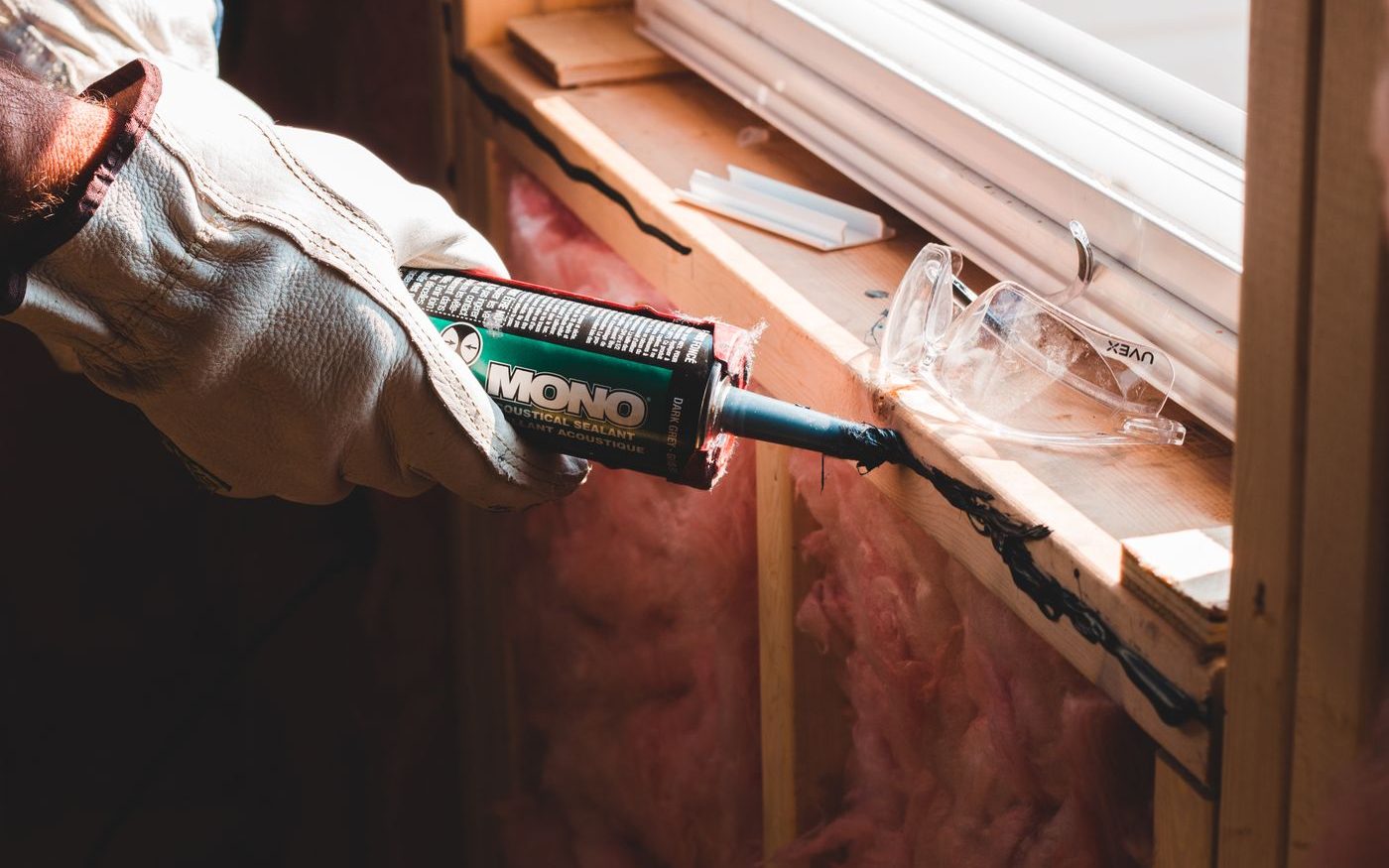
Beads of sealant layered over old joints show repeated quick fixes. Each layer cracks sooner than the last.
See one of these on your roof? Every transition is checked on the free survey.
Book a free surveyEight steps for each detail, from finding the failed transition to handing over the photos.
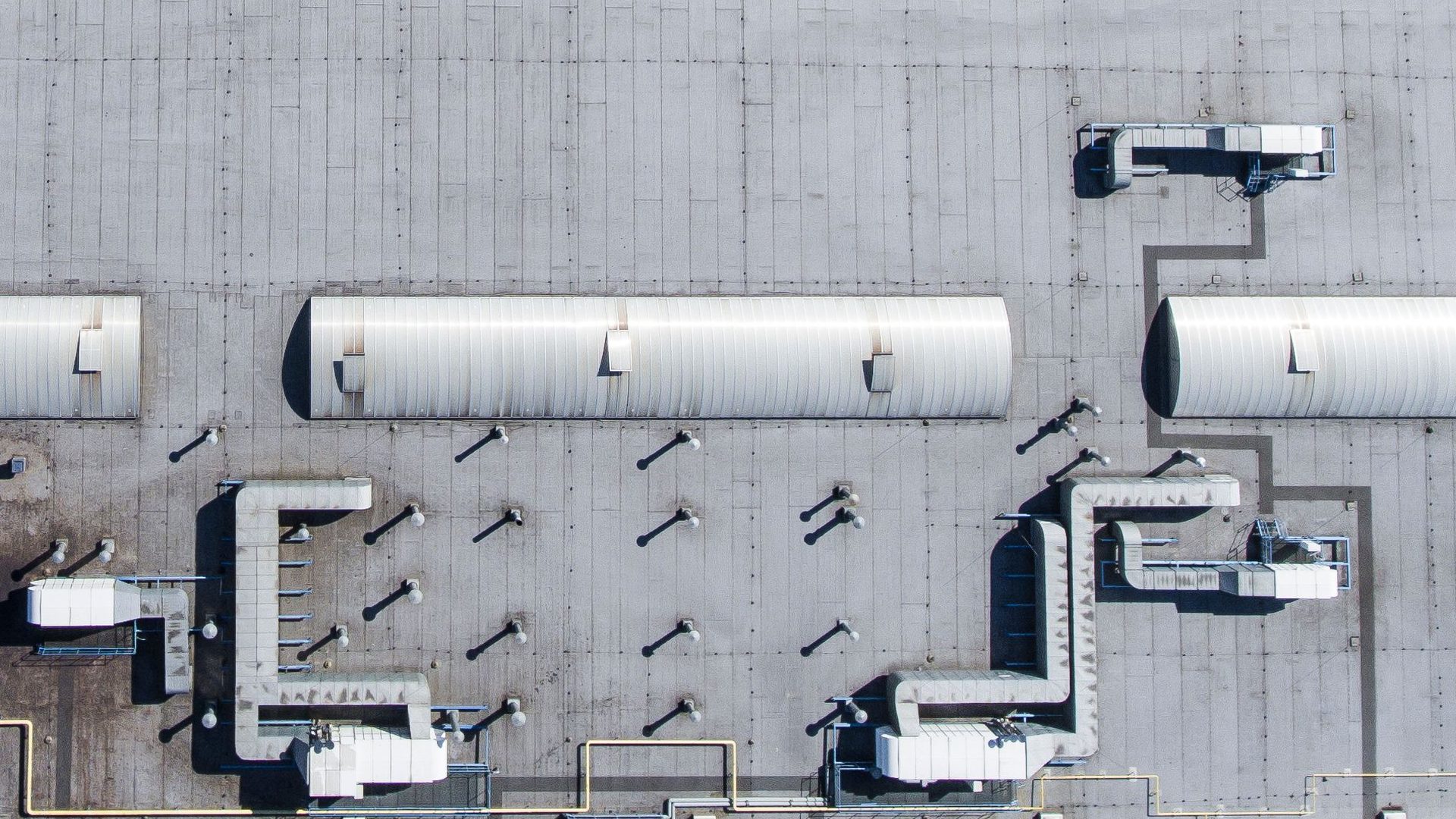
Walls, curbs, penetrations, drains and edges checked and photographed across the whole roof.
Not only the one near the leak.
Masonry, sheathing and insulation behind a failed detail are checked for water damage.
Wet material changes the scope.

Each wall run, curb and penetration is listed and priced, so you can approve all of it or part.
Approved before work.
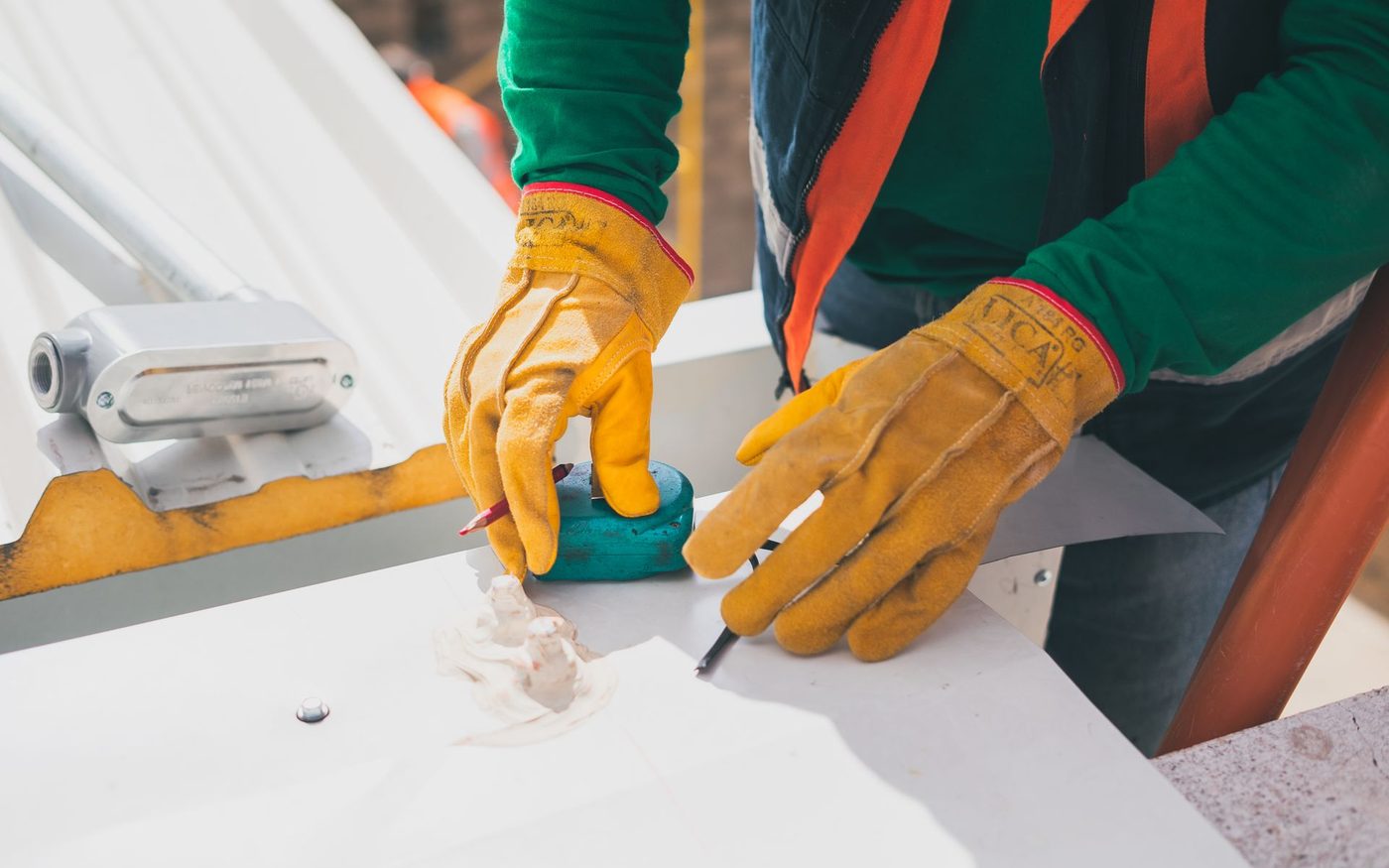
Failed membrane, loose metal and layers of old sealant come off, back to a clean surface.
Nothing new goes over old caulk.
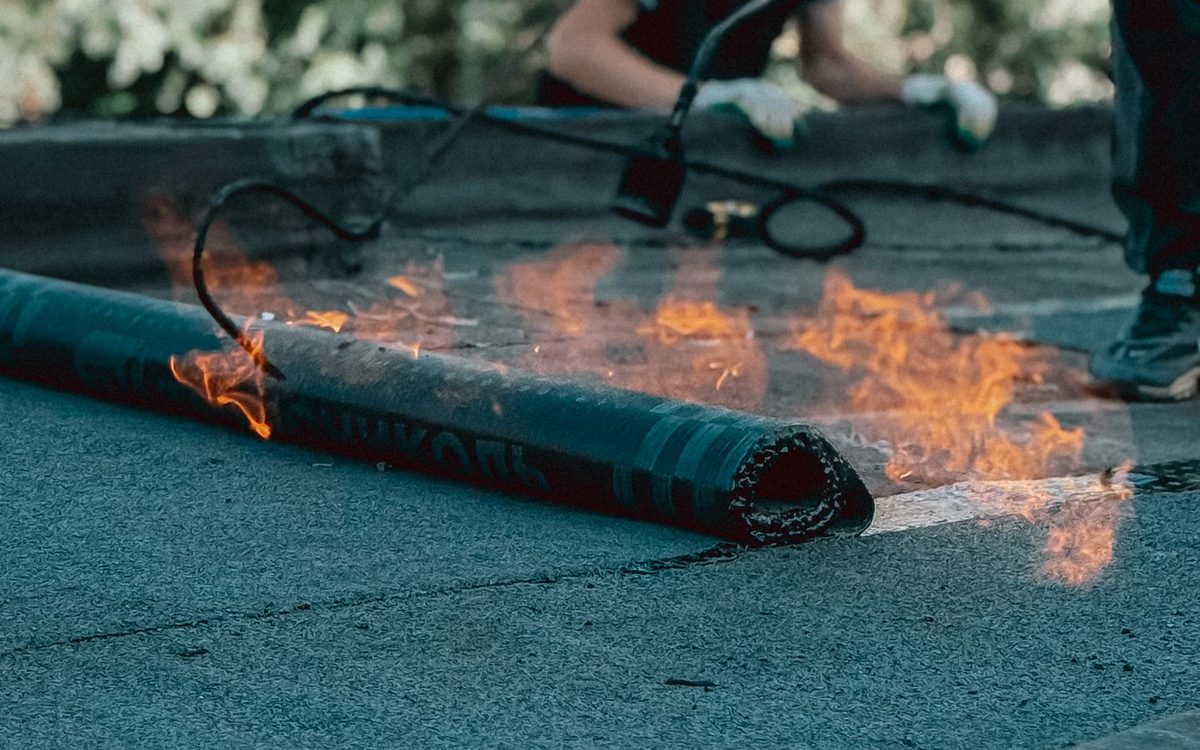
Membrane run up the wall or curb, bonded or welded to the roof and to the upstand.
Taken high enough for standing water.
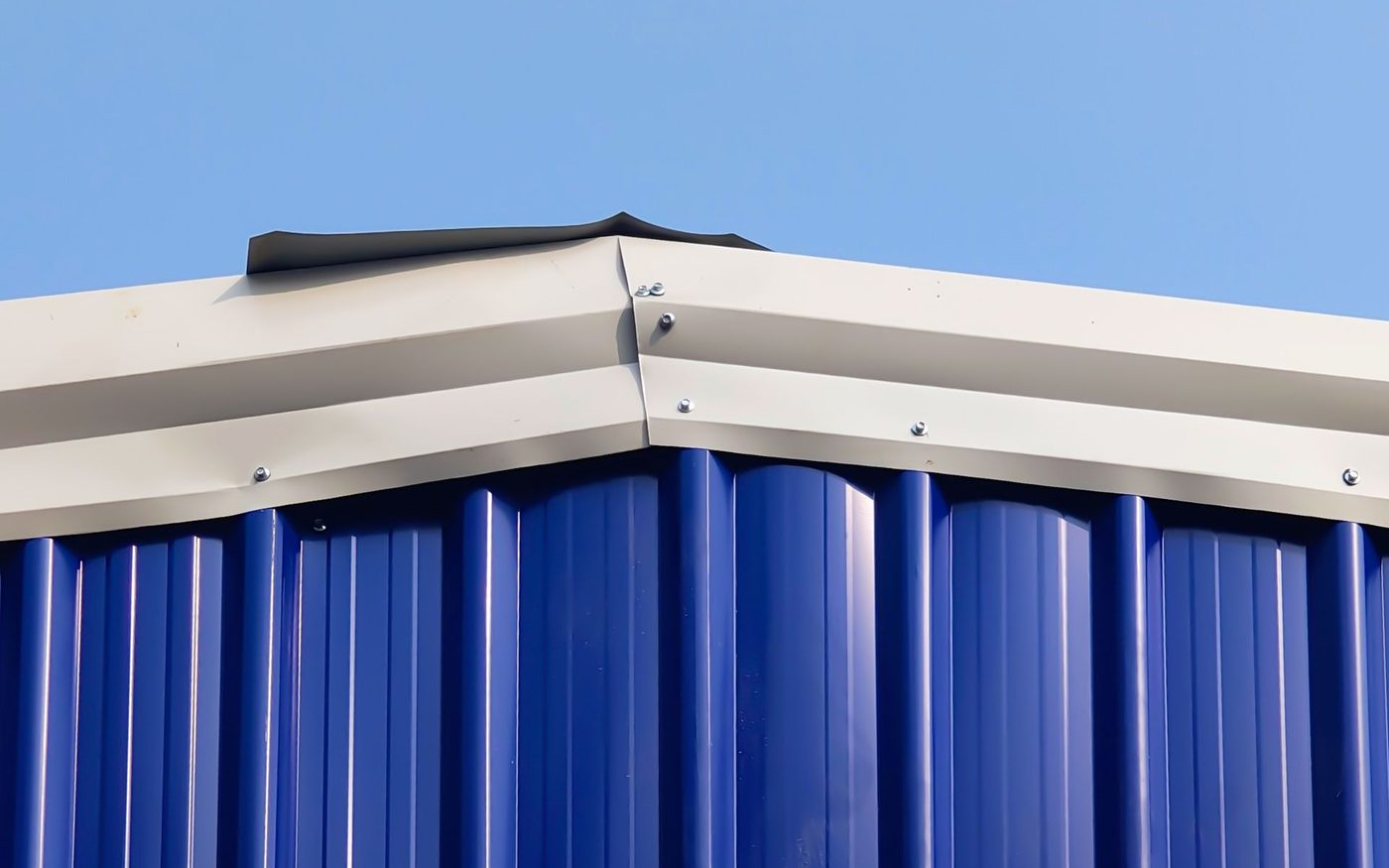
Counterflashing, coping or a hood fitted over the base flashing so water sheds past the joint.
Membrane below, metal above.
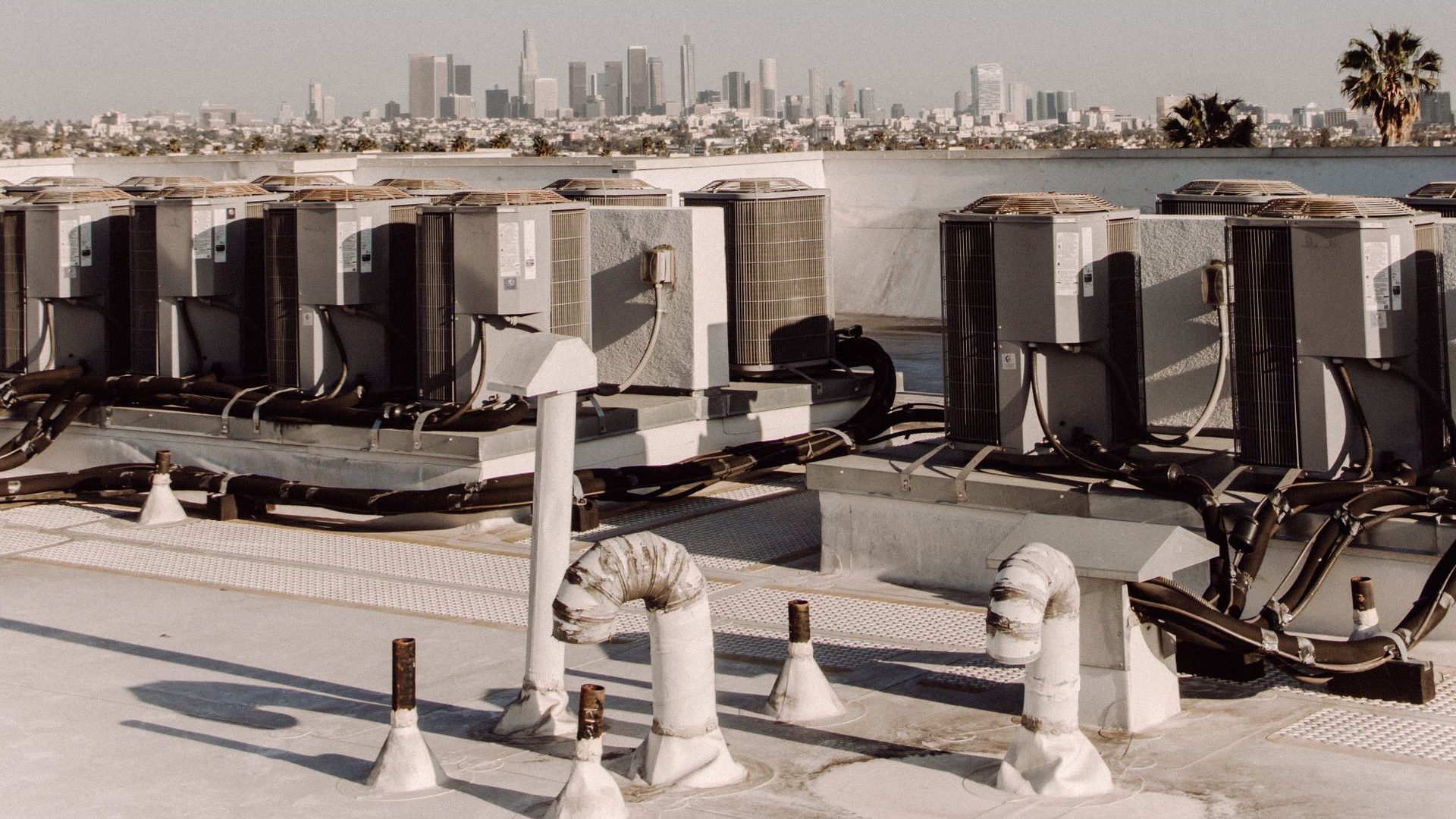
Pipe boots, pitch pans and conduit flashings replaced with parts sized to each penetration.
Sized to the pipe.

Each rebuilt transition photographed and marked on the roof plan for your records.
Yours to keep.
Flashing is checked on every free survey, and the written price is free too.
Book a free surveyA commercial roof has hundreds of feet of these. Each one fails in its own way.
Base flashing up the wall, counterflashing or coping over it. The most common leak on older buildings with brick parapets.
Curbs carry heavy, vibrating equipment. The corners crack first, and service visits add damage.
Boots, pitch pans and flashing collars sized to each penetration, not one size for all.
Drain sumps, scuppers and perimeter metal, where water leaves the roof and wind grips the edge.
A bead of caulk on a failed joint can stop a drip until the next hot spell. The survey says which details can wait and which cannot.
Flashing is priced by the run and by the detail. These five things set the total.
Parapet flashing is priced by the run, so long walls cost more than a single curb.
Every curb, pipe and drain is its own detail with its own time.
Matching single-ply, modified bitumen or built-up at the transition needs different materials.
Wet insulation or rotten wood nailers behind a detail are replaced first.
Crumbling parapet mortar may need repointing before new metal can hold.
Each detail has its own line, so the worst can be done first. Want to send photos before we visit? Send them through the contact page.
Free survey, priced detail by detail.
Flashing bids split on whether the detail is rebuilt or only sealed again.
Quote A is a made-up example drawn from sealant-only shortcuts on flat roofs. It is not a real quote and does not portray any real business.
Leaks worst when the wind blows from one side? Tell us which side. It points to the wall to check.
Talk to a roofer504-229-3955The material that seals the roof where it meets something else: walls, curbs, pipes, drains and the roof edge. It is usually membrane at the base with metal over it.
Transitions move with heat and with the building, and they collect water. That strain cracks seals and pulls membrane loose sooner than the flat field of the roof.
As a stopgap on a small crack, yes. A detail that has pulled away or split is rebuilt, because sealant over it keeps cracking.
On single-ply, modified bitumen, built-up and metal roofs, each with materials that bond to that system.
It depends on the length of wall, the number of penetrations and any damage behind them. The survey is free and every detail is priced separately.
Yes. Flashing work happens on the roof and is scheduled around your hours, with only the detail being rebuilt left open during the shift.
Name and phone are enough. We call back the same business day.