Chosen for How Water Sits
Ponding points to silicone. A roof that drains quickly can take acrylic.

A seamless, flexible membrane rolled or sprayed on. Acrylic or silicone chosen for how water behaves on your roof, applied to a measured thickness over a clean, dry surface.
Elastomeric means the coating stretches and recovers as a roof heats and cools, so it bridges hairline cracks and seams instead of splitting at them. The choice that matters most is acrylic or silicone.
Big Easy Roofing Company applies elastomeric coatings to commercial roofs across New Orleans, over single-ply, modified bitumen, built-up and metal. Each job starts with the questions that decide the product: does water pond, how much foot traffic is there, and what is the existing surface.
For whether a coating suits your roof in the first place, start with commercial roof coating.
Ponding points to silicone. A roof that drains quickly can take acrylic.
Applied in coats to the thickness the product requires, then checked.
A white elastomeric surface reflects much of the sun a dark roof absorbs.
Six things about your roof decide between acrylic and silicone, or whether to coat at all.
Standing water softens acrylic over time. Silicone tolerates it, which is why ponding roofs usually get silicone.
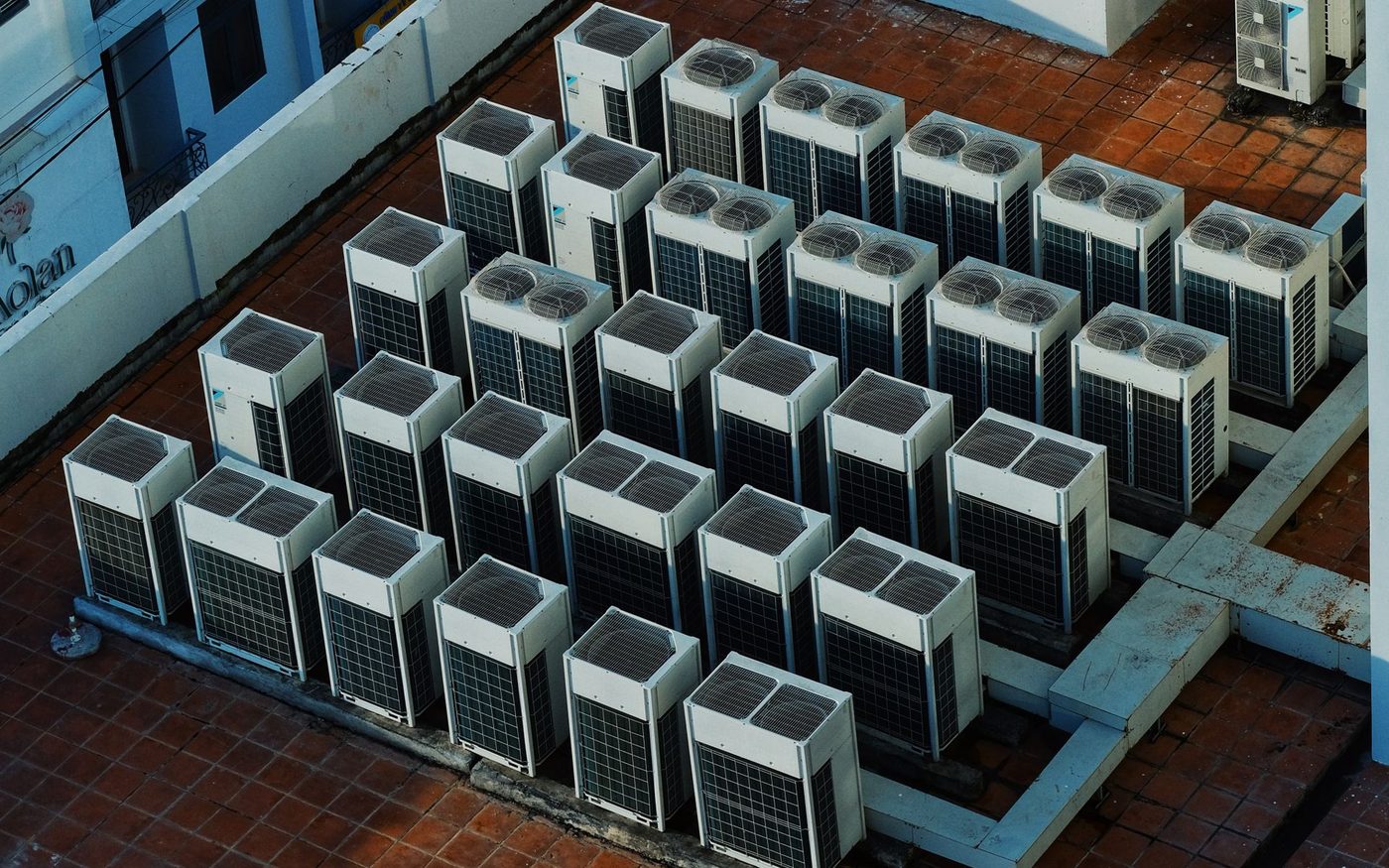
Roofs walked by service crews need a tougher system, or walkway pads around the equipment.

Modified bitumen, single-ply and metal each need their own cleaning and primer before an elastomeric will bond.
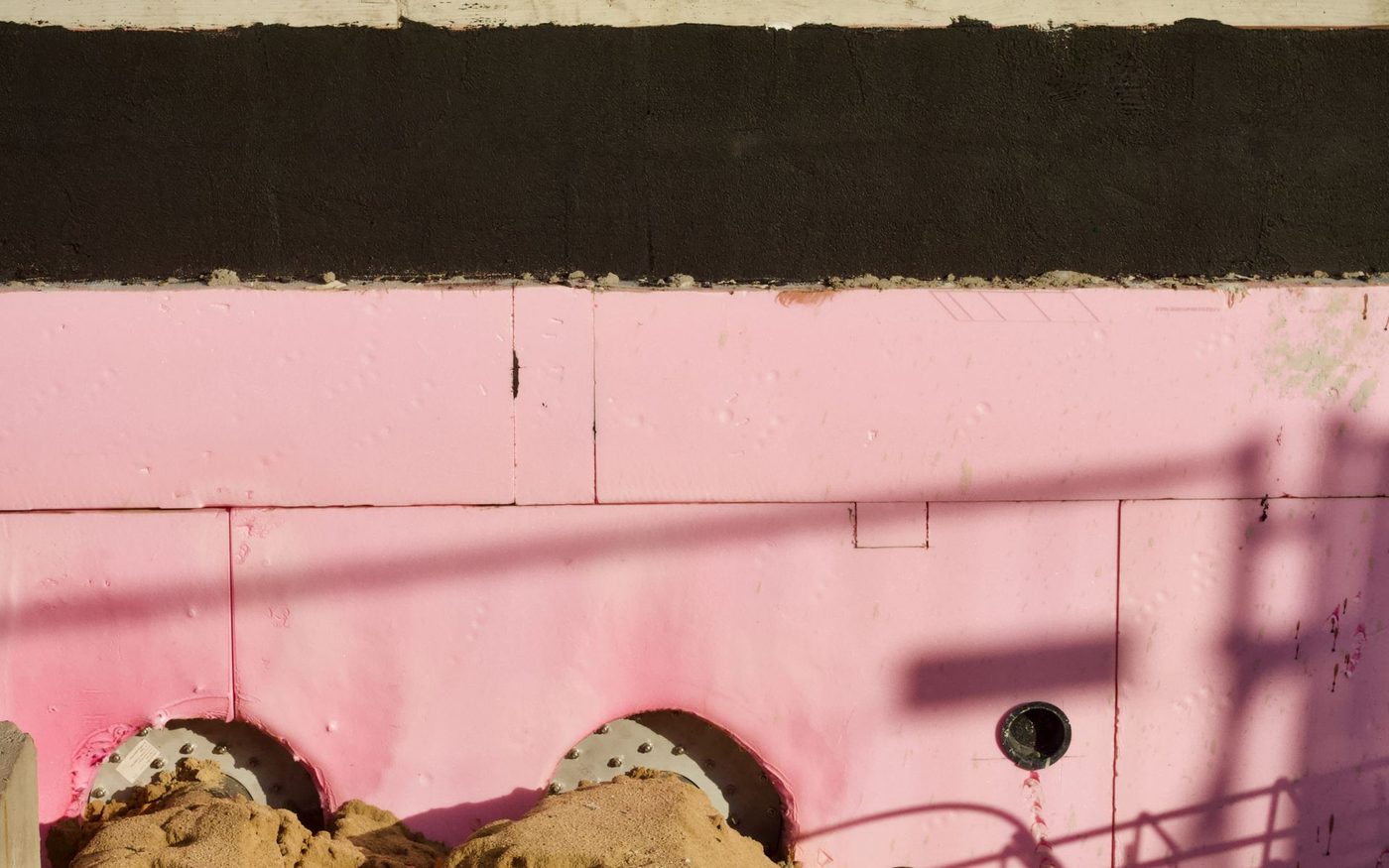
An elastomeric coating is not a moisture fix. Wet insulation is replaced before anything is applied.
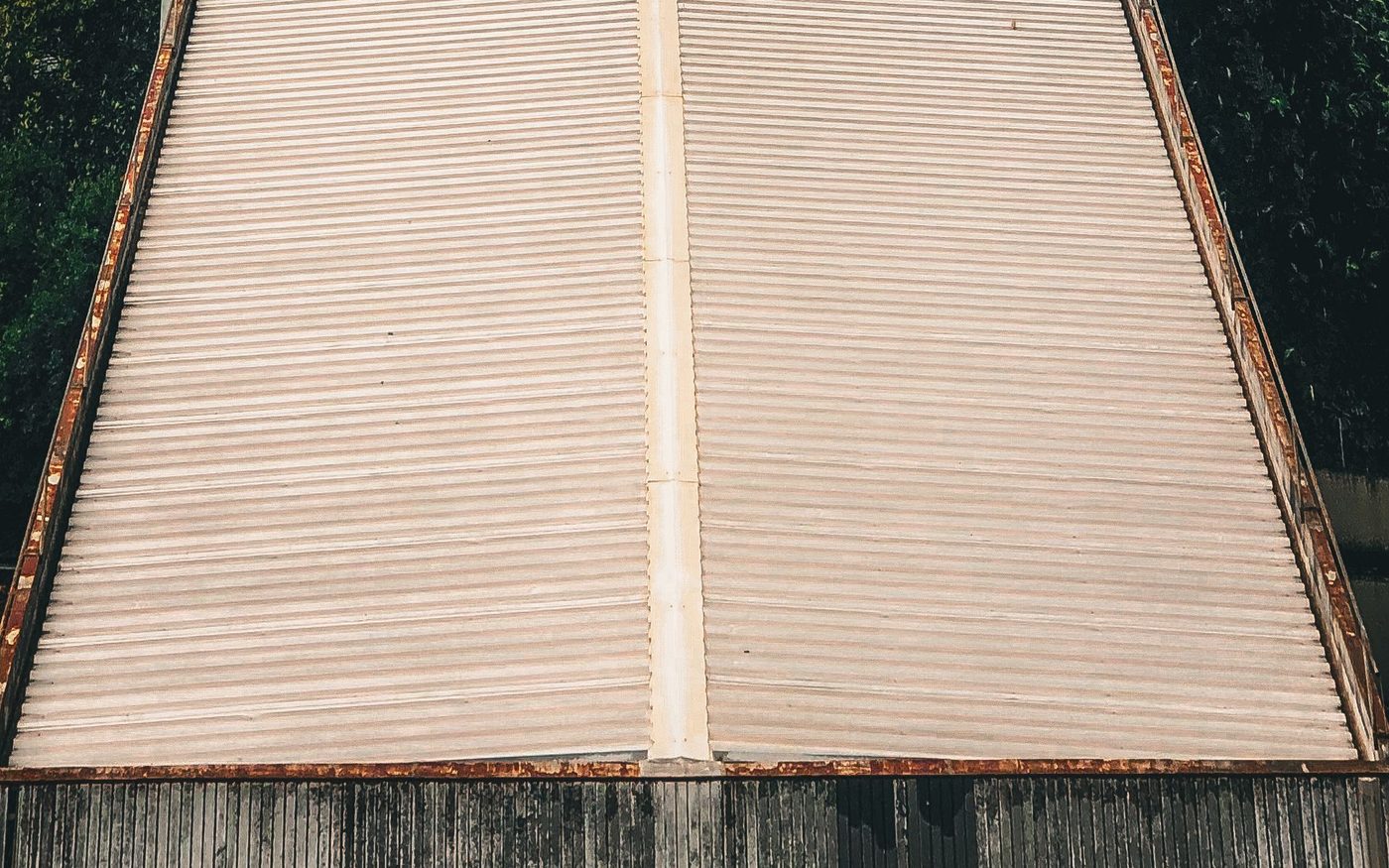
Silicone generally takes only silicone on top in future. Acrylic leaves more options for a recoat.
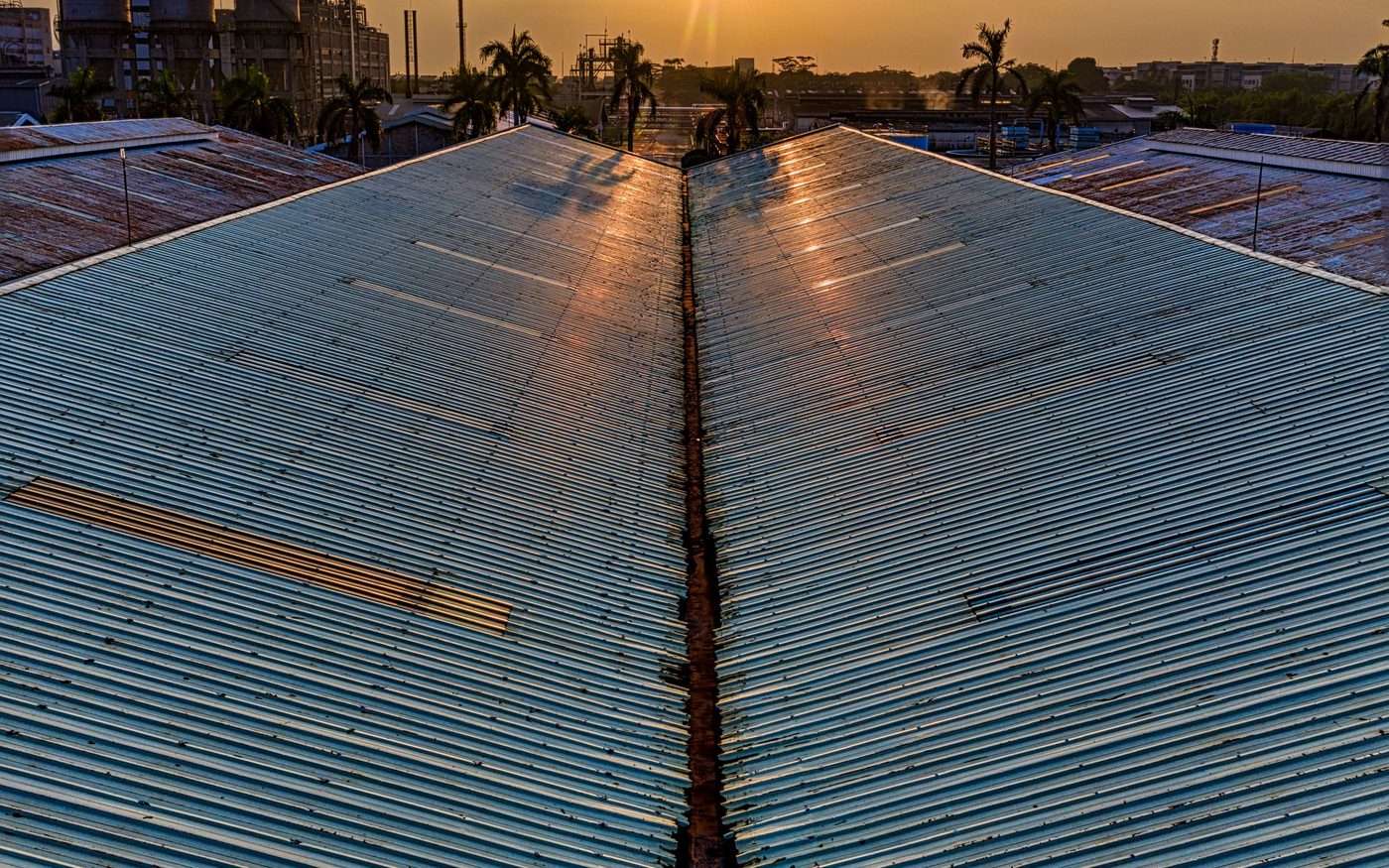
Metal needs fasteners tightened or replaced, rust primed and seams reinforced before it is coated.
Answer these on a quick call, and the survey confirms them on the roof.
Request a free inspectionEight steps. The product only performs as well as the surface and the thickness it is given.
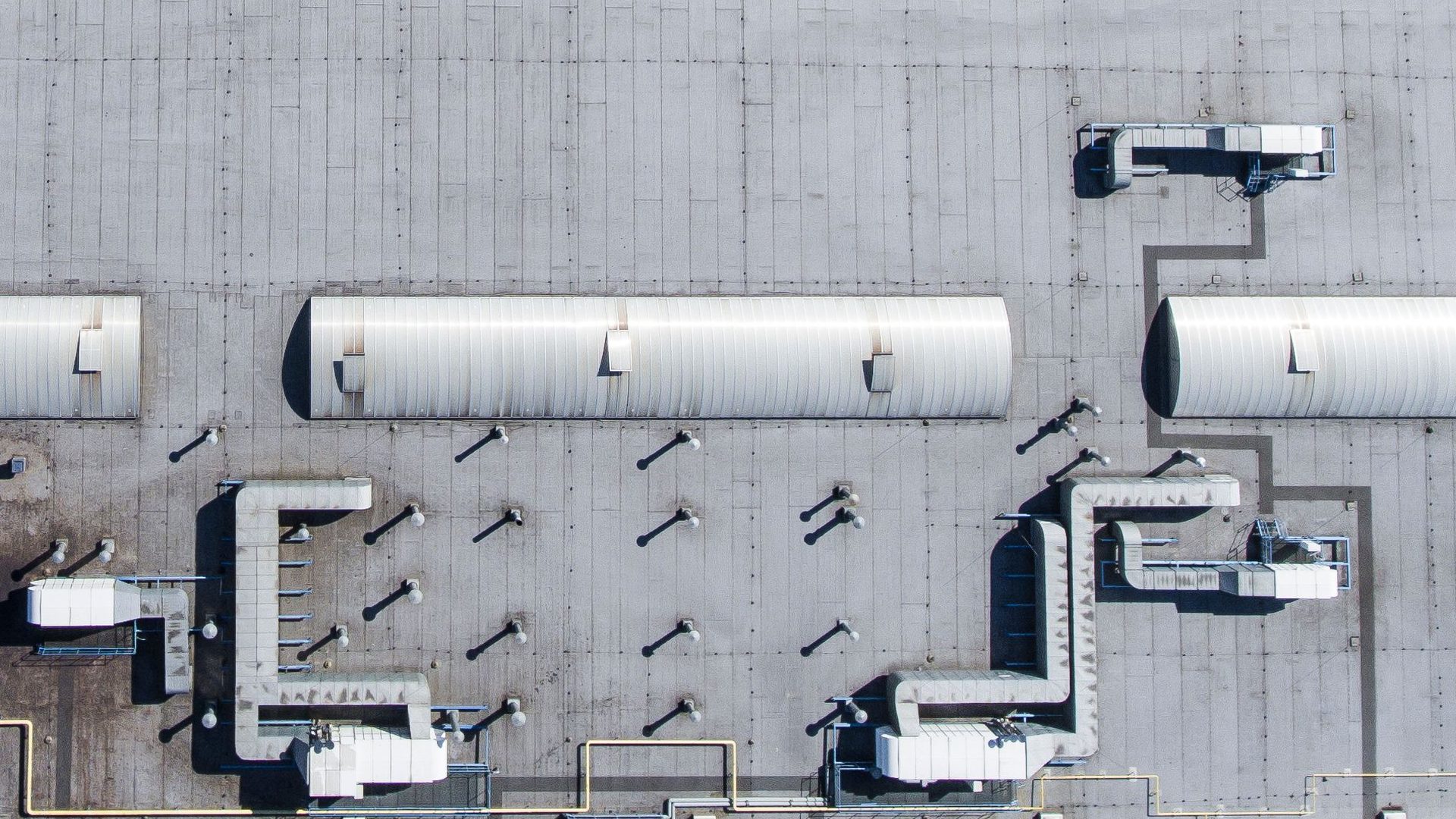
The roof walked and test areas checked, so wet sections are known before a product is chosen.
Wet areas are replaced, not coated.

The chemistry picked from ponding, traffic and substrate, and named in the quote.
Chosen for the roof.

Seams, blisters, punctures and flashings repaired before any coating.
Coating goes over sound work only.

The surface washed of dirt, chalk and growth, then given time to dry completely.
No coating on a damp roof.
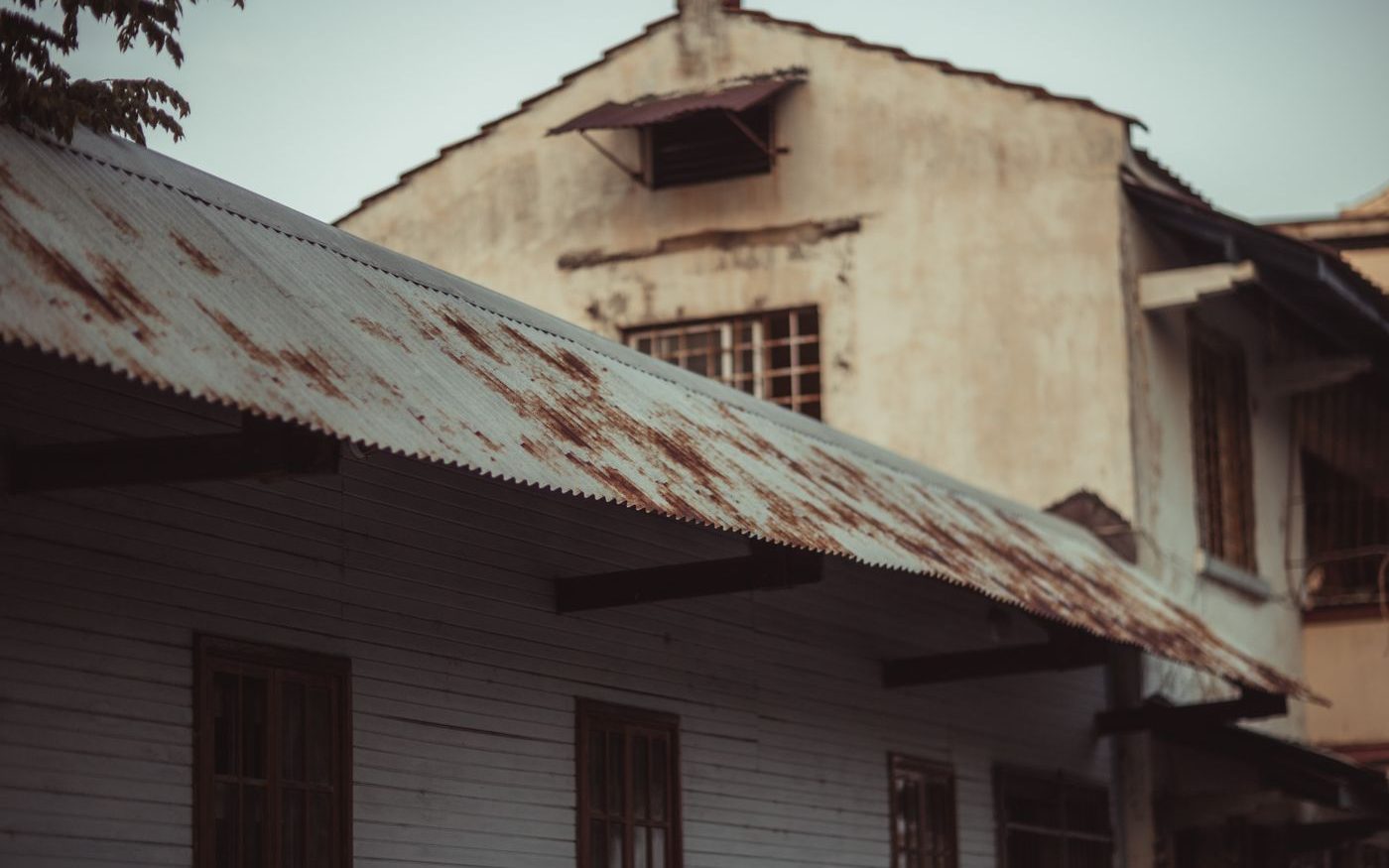
Primer applied where the substrate needs it, and a test patch checked for bond where it is in doubt.
Bond confirmed first.
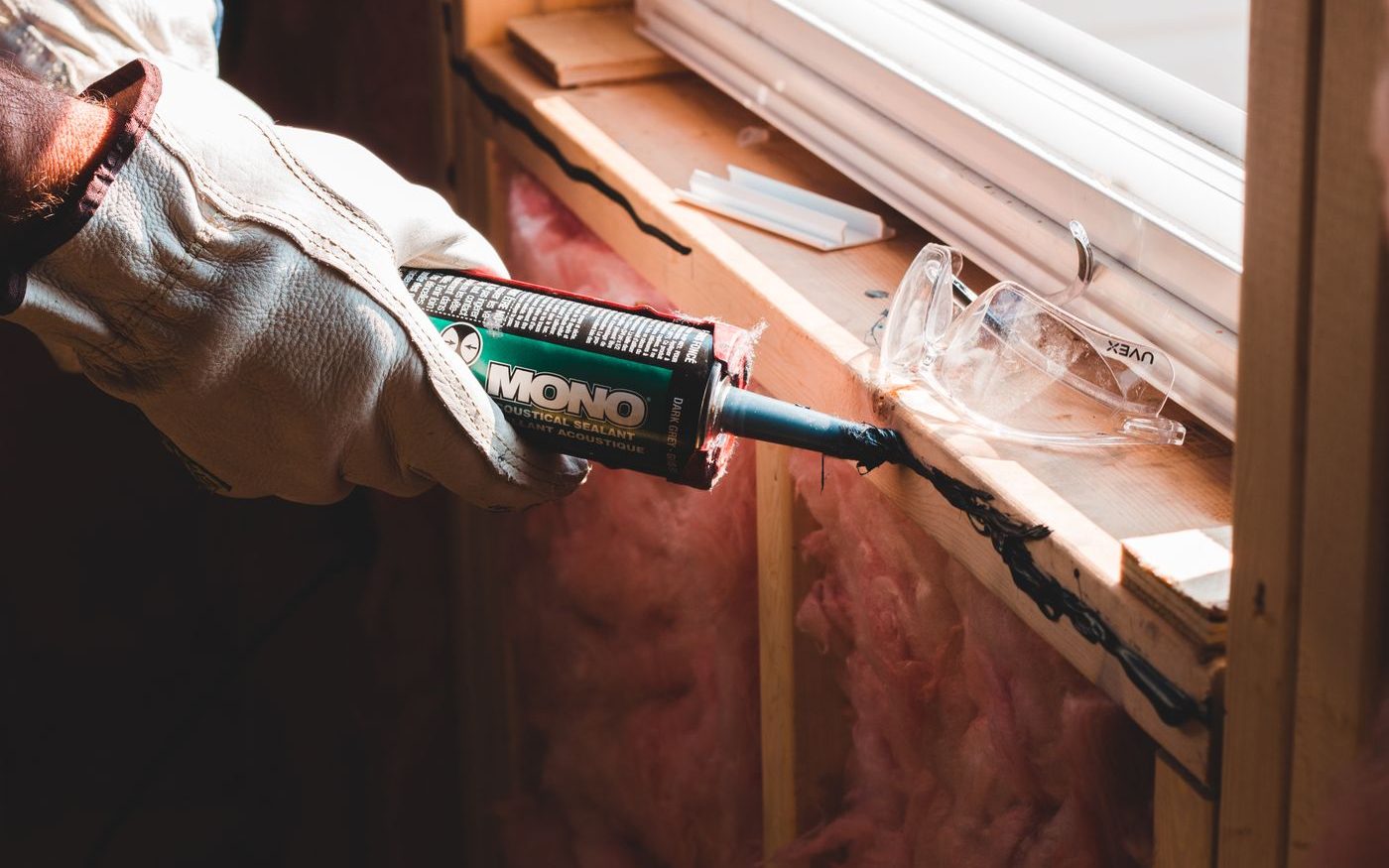
Reinforcing fabric bedded into coating at seams, curbs, drains and penetrations.
The weak points get extra.
The first coat applied across the field at the specified rate.
Rate checked as it goes.

The finish coat applied once the base has cured, and dry thickness checked in several places.
Thickness recorded.
The survey and the quote are free, and they say plainly if coating is wrong for the roof.
Request a free inspectionTwo chemistries do most of the elastomeric roof work here. Two others turn up for specific jobs.
Water-based, very reflective and economical. Best on roofs that drain quickly, since long ponding breaks it down.
Holds up under standing water and strong sun. Harder to recoat with anything but silicone.
Hard-wearing and impact resistant, used in traffic areas or as a base coat.
Rubber-modified coatings used on some modified bitumen and metal roofs where extra flexibility is wanted.
Manufacturer terms on coatings often depend on the dry thickness applied. The quote states the thickness, and it is measured on the roof.
Price follows the square footage, the chemistry and the preparation.
The surface area coated, measured on the survey.
Silicone costs more per gallon, and ponding roofs usually need it.
Thicker systems use more material and more coats.
Open seams, blisters and wet sections are repaired and priced first.
Chalking, growth and rust add preparation and primer.
The quote lists the chemistry, the thickness and every repair line. Prefer to start by email? Use the contact page.
Free survey, chemistry chosen for the roof, written quote.
Elastomeric bids often sell a product first. A specified coating starts from the roof.
Quote A is a composite of shortcuts seen in cheap elastomeric bids, made up for illustration. It is not a real quote, and it portrays no actual contractor.
Seen water still standing on the roof two days after rain? Mention it. It usually settles the chemistry.
Talk to a roofer504-229-3955That the coating stretches and returns to shape, so it moves with the roof as it heats and cools instead of cracking.
Silicone for roofs where water ponds, because it tolerates standing water. Acrylic for roofs that drain well, where its reflectivity and cost are strong points.
Yes, once fasteners are tightened or replaced, rust is treated and primed, and seams are reinforced.
The thickness is set by the product and the terms you want. It is written into the quote and measured on the roof.
Yes, in dry windows. Each coat needs dry weather to cure, so the schedule follows the forecast.
A yearly check and cleaning keeps it reflective, and damaged spots can be patched with the same product.
Name and phone are enough. We call back the same business day.