Less Heat Into the Building
A reflective surface keeps the roof cooler, and the floors under it feel the difference.

Years added to a sound roof, without a tear-off. Moisture checked first, repairs made, then a seamless coating matched to the membrane and to how water sits on the roof.
A commercial roof coating renews the surface of a flat roof in place. It only works when what is under it is dry, and it pays most on large roofs where replacement would disrupt the building.
Big Easy Roofing Company coats single-ply, modified bitumen, built-up and metal roofs on commercial buildings across New Orleans. A light coating cuts the heat a roof takes on in summer and seals seams and fasteners under one continuous layer.
Weighing up coating types? The elastomeric coatings page compares acrylic and silicone in detail.
A reflective surface keeps the roof cooler, and the floors under it feel the difference.
Wet insulation or a failing membrane rules coating out, and the survey says so.
Coating is quiet work, done section by section while the building stays open.
Coating fits a commercial roof worn on top yet solid below. Here is how to tell.
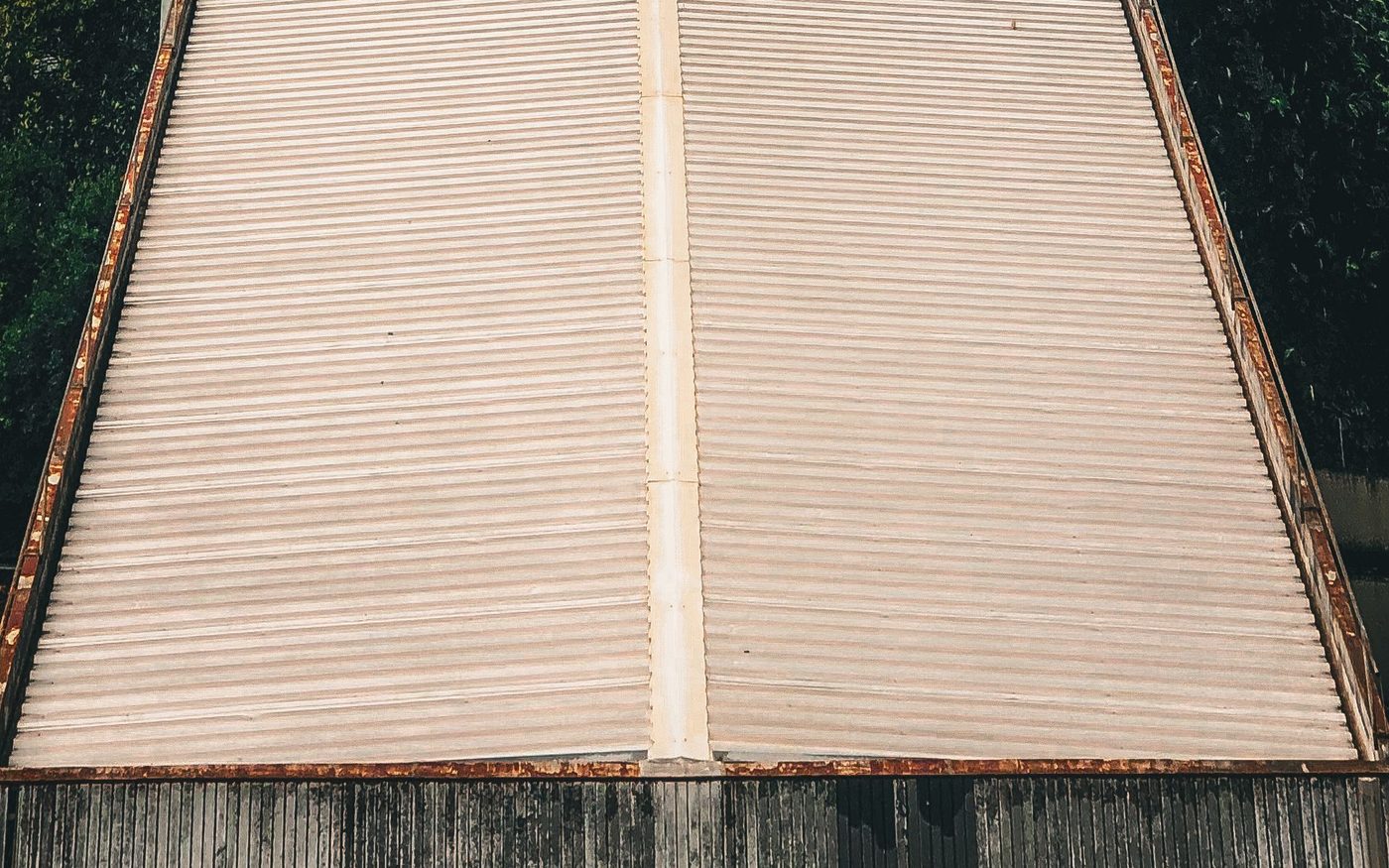
Membrane that rubs off white on your hand has lost its top layer to the sun, but it can still be sound below.
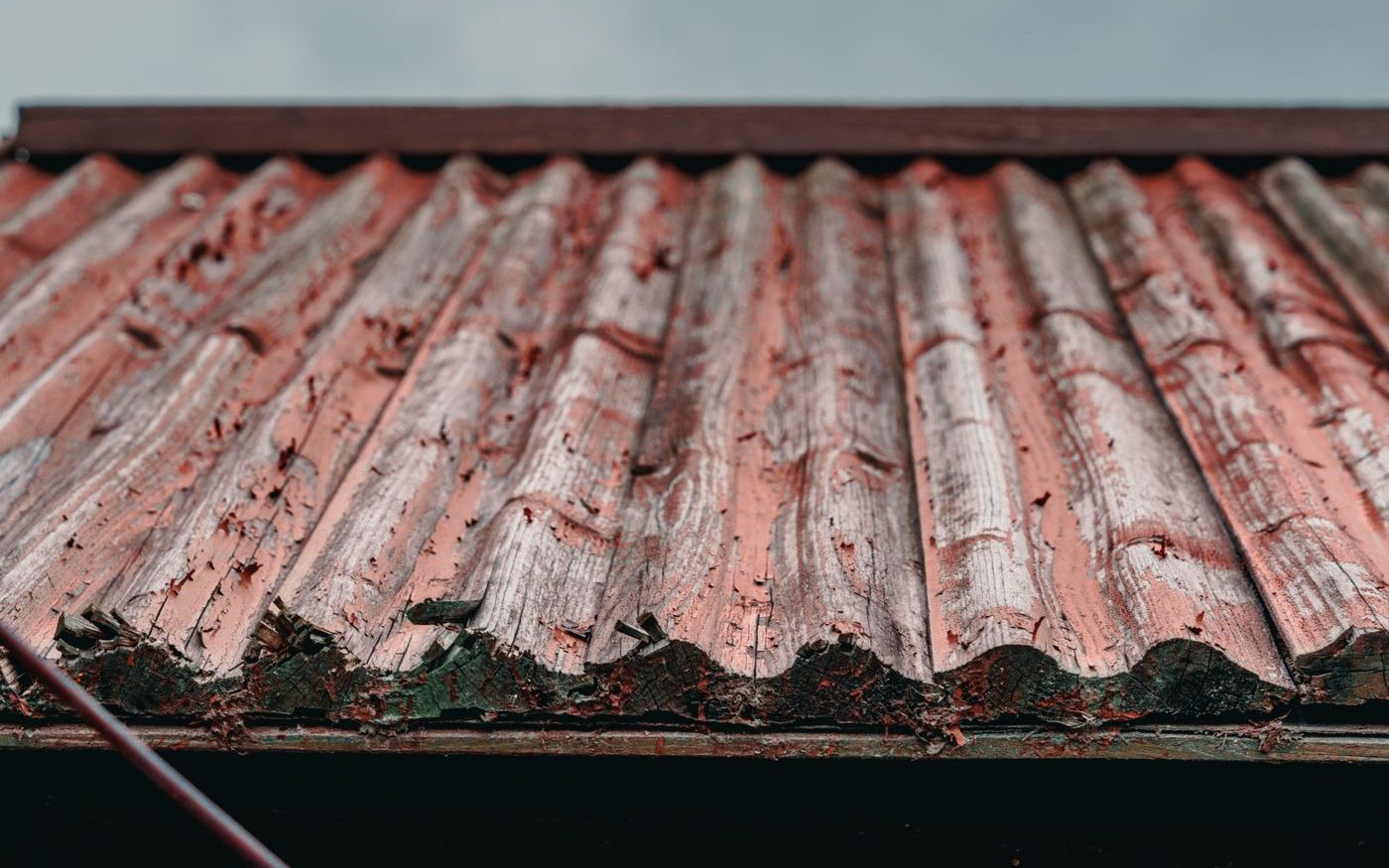
Rust that has stayed on the surface of a metal roof can be wire-brushed, primed and sealed under a coating.
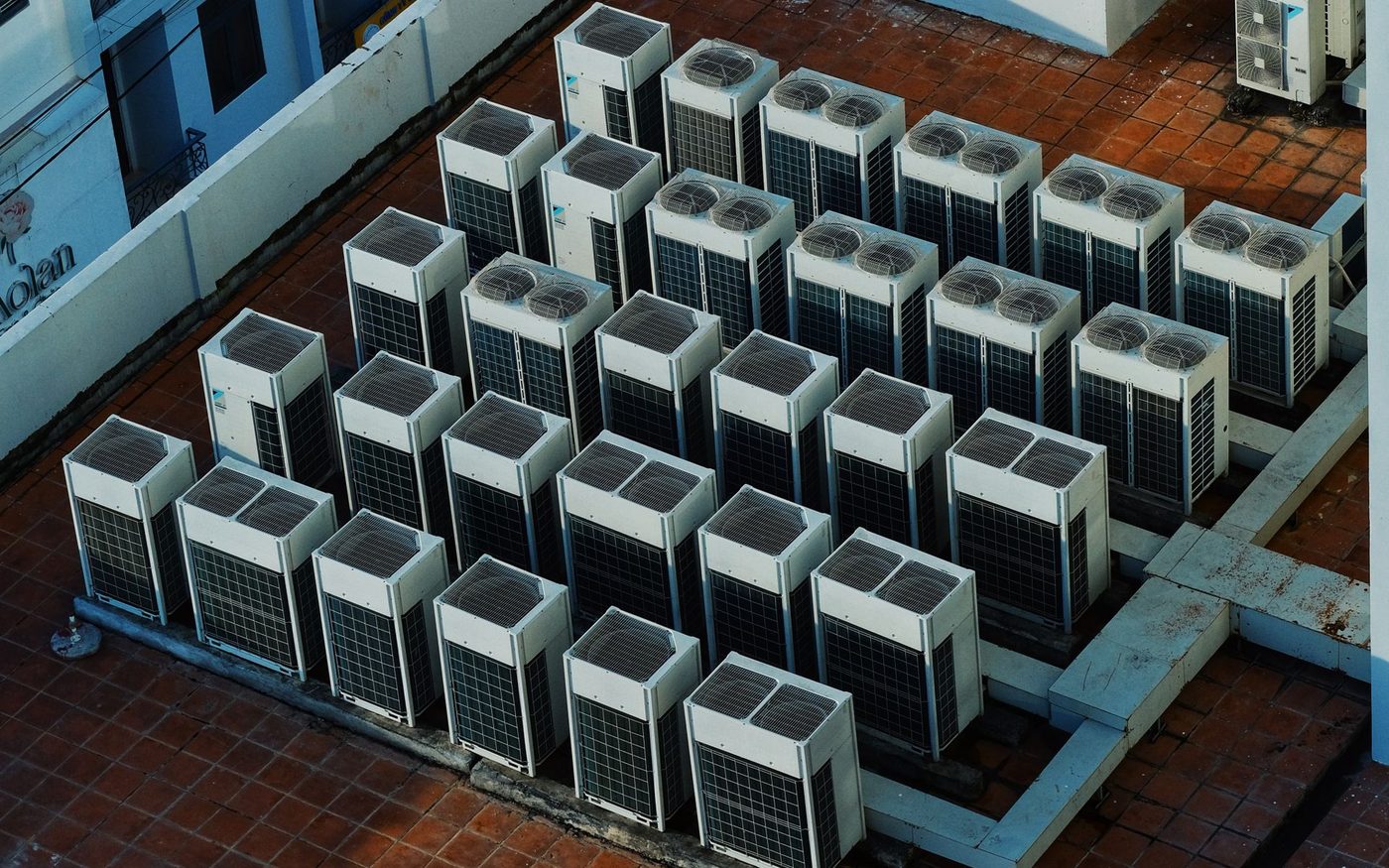
A dark membrane absorbs heat all afternoon. The floors under the roof and the units on top of it both work harder in July.
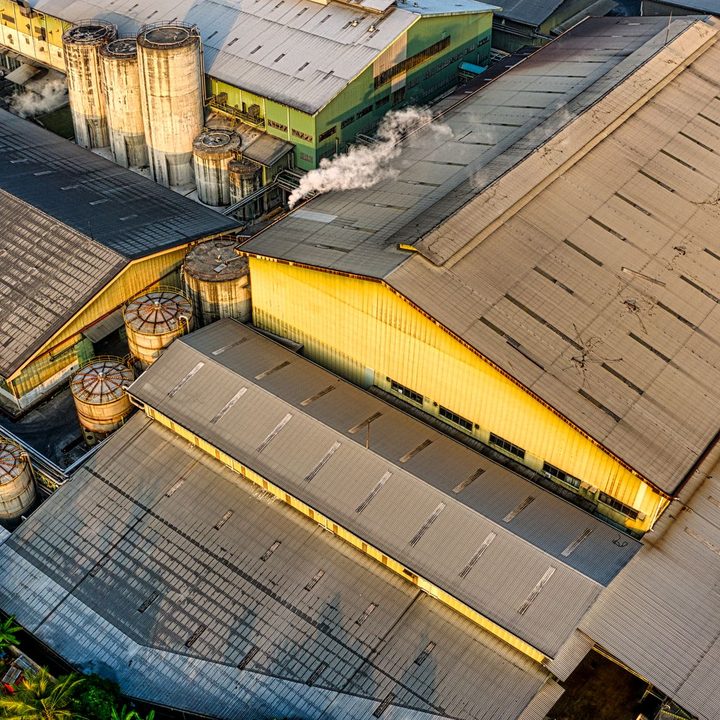
Granule loss and surface cracking on an otherwise dry roof make a common coating job.
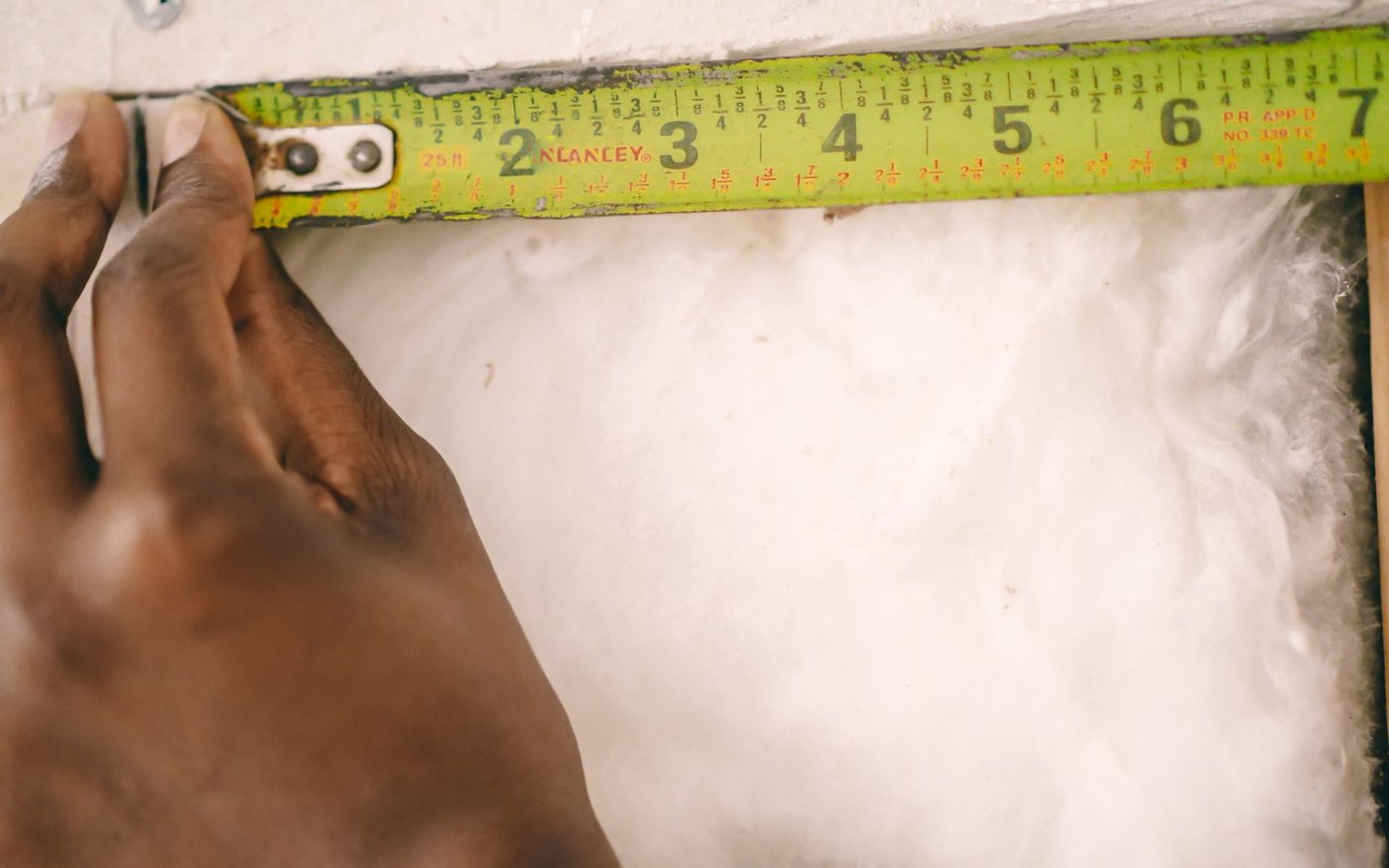
If the insulation under the membrane is dry, a coating can go over it. If it is wet, it cannot.
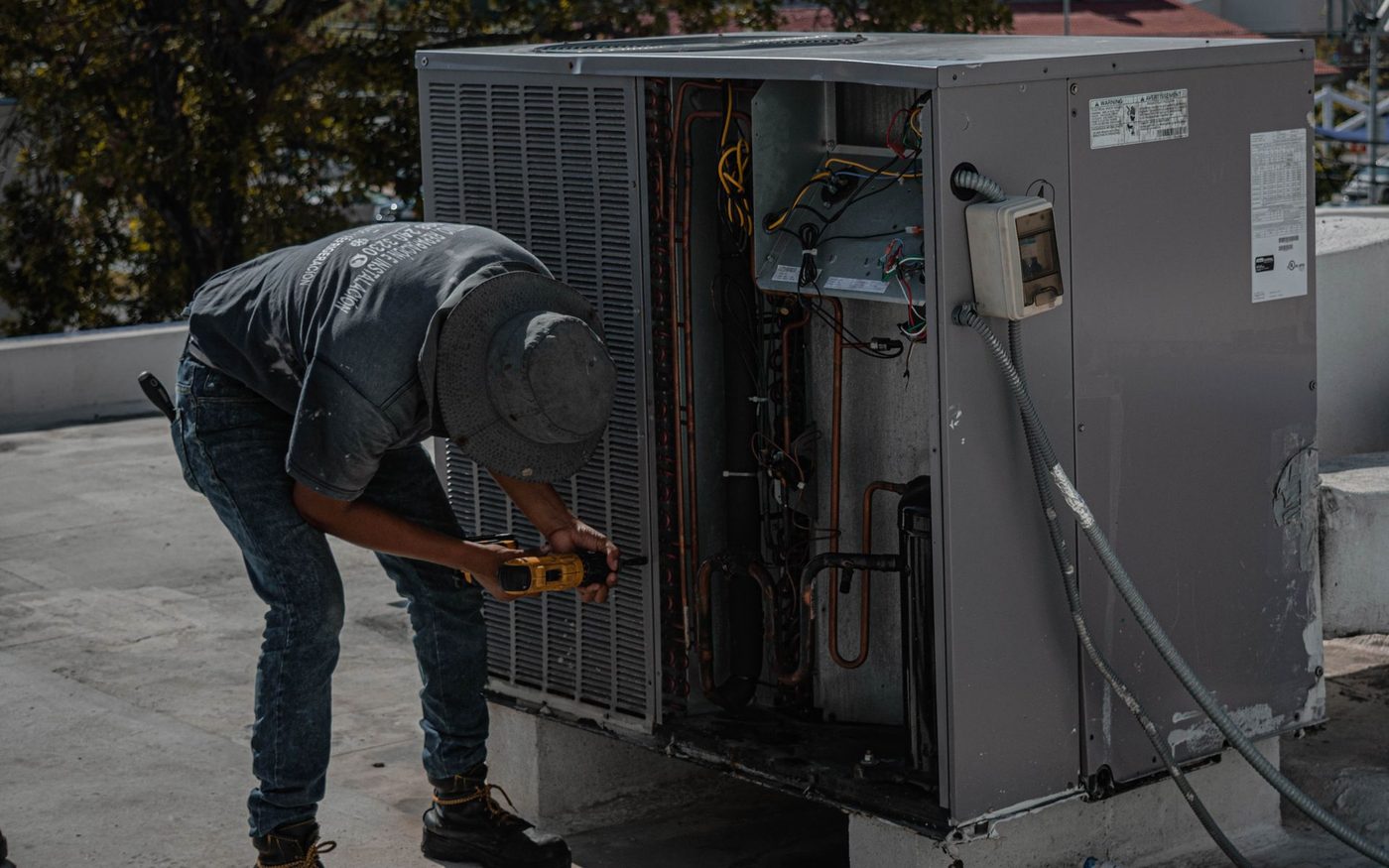
Coating avoids a tear-off, so there is no demolition noise or opened roof over working spaces.
Not sure your roof is a candidate? The survey checks for moisture before anything is quoted.
Request a free quoteMost of the eight steps happen before the coating goes on. That preparation decides how long it lasts.
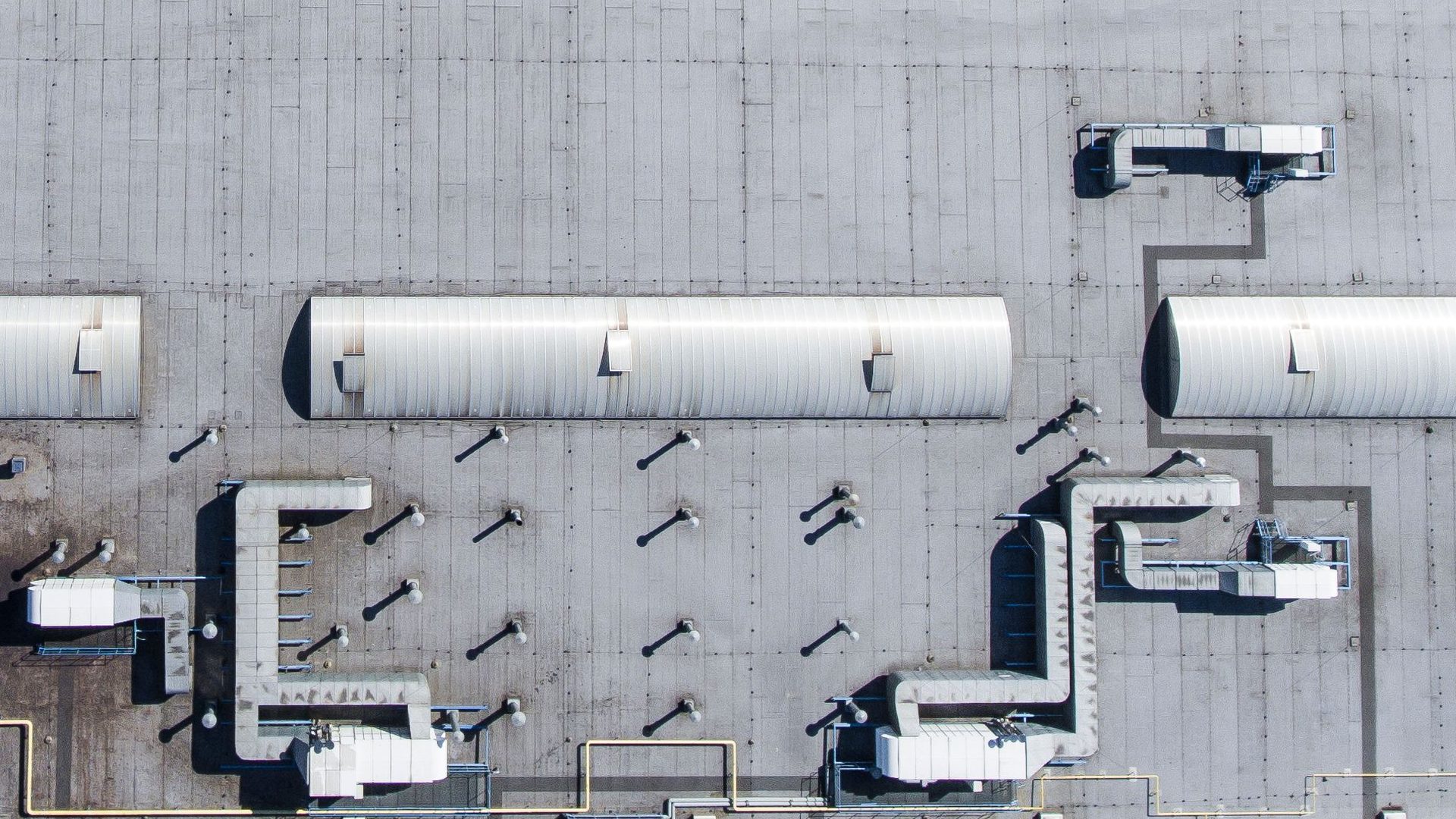
The roof walked, and test areas checked for wet insulation under the membrane.
Wet areas rule out coating there.

Coating chemistry, primer, number of coats and thickness written into the quote, with every repair.
Signed off before work.
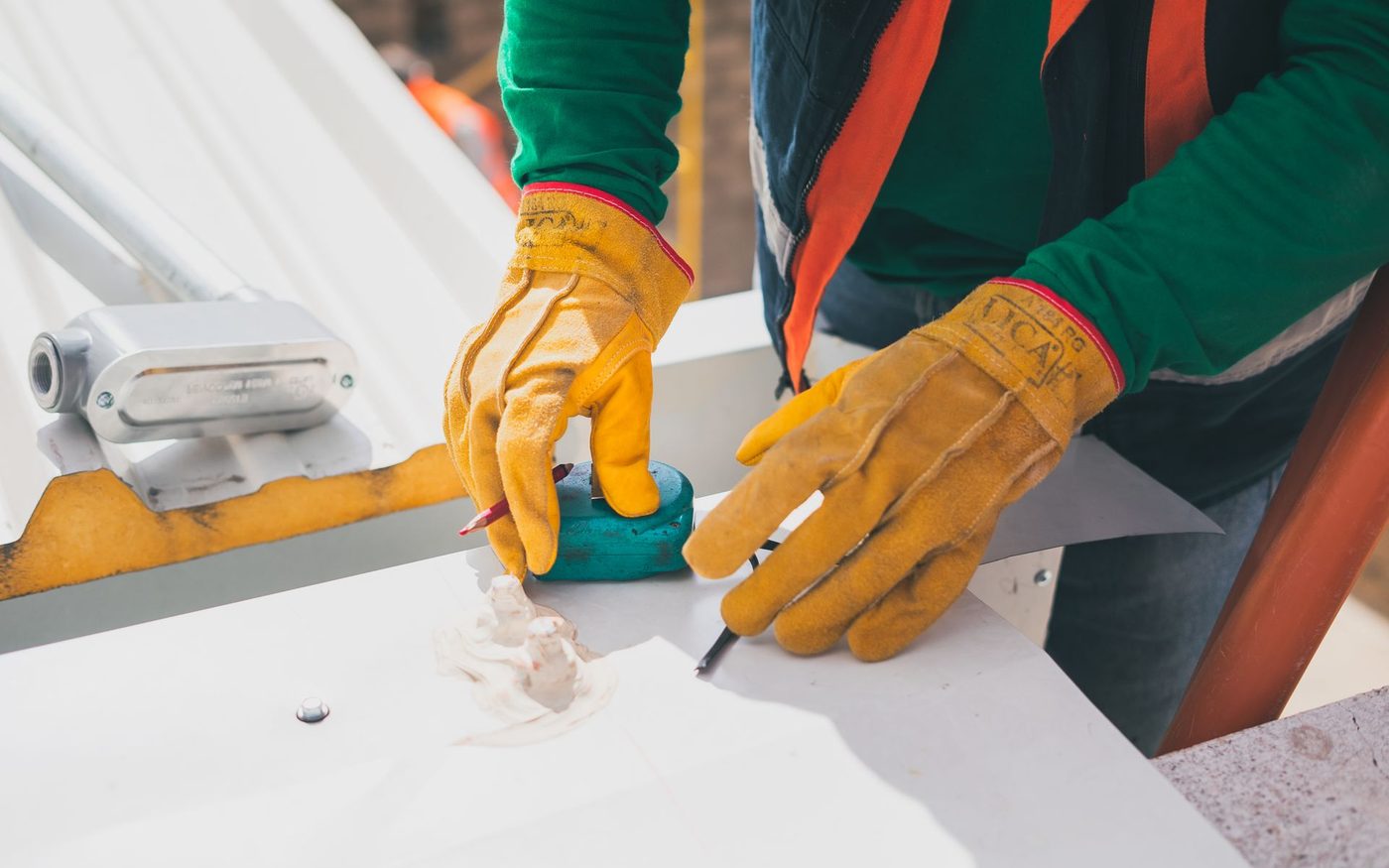
Any wet insulation found is cut out and replaced, and the membrane patched over it.
Nothing wet is sealed in.
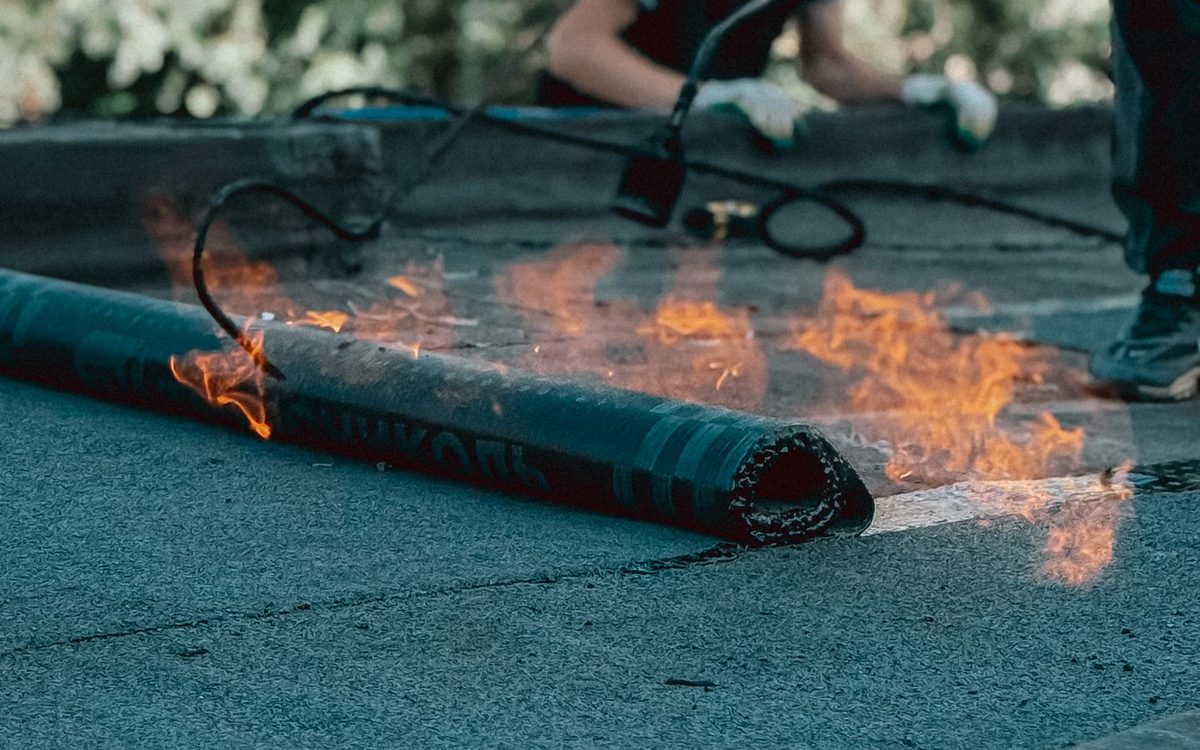
Open seams closed, blisters cut and patched, and loose fasteners on metal roofs replaced.
Repairs before coating.
Dirt, chalking and growth washed off, then time allowed for every section to dry.
Bond strength relies on a clean roof.
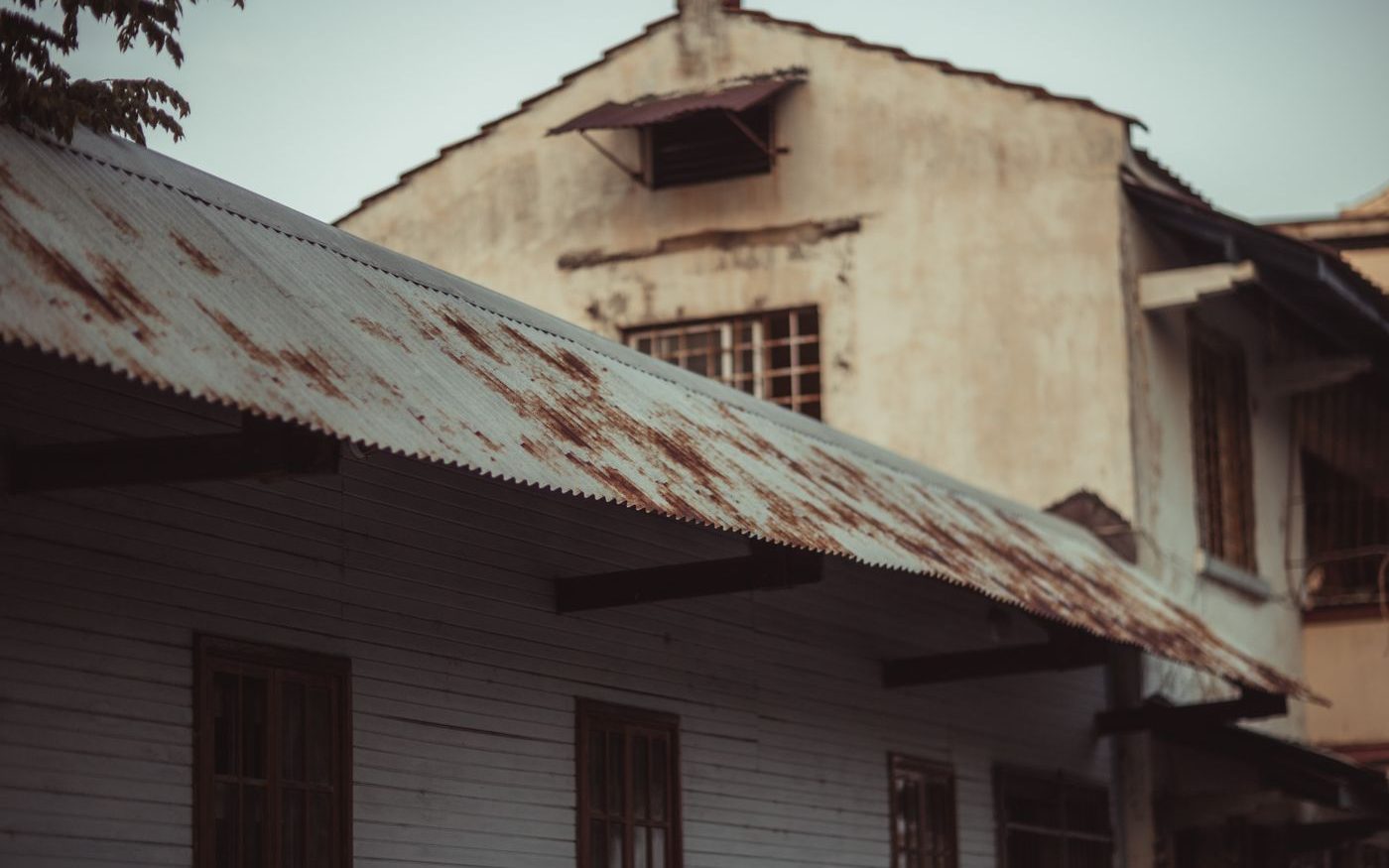
Some membranes and all rusted metal need a primer before the coating will bond.
Matched to the surface.
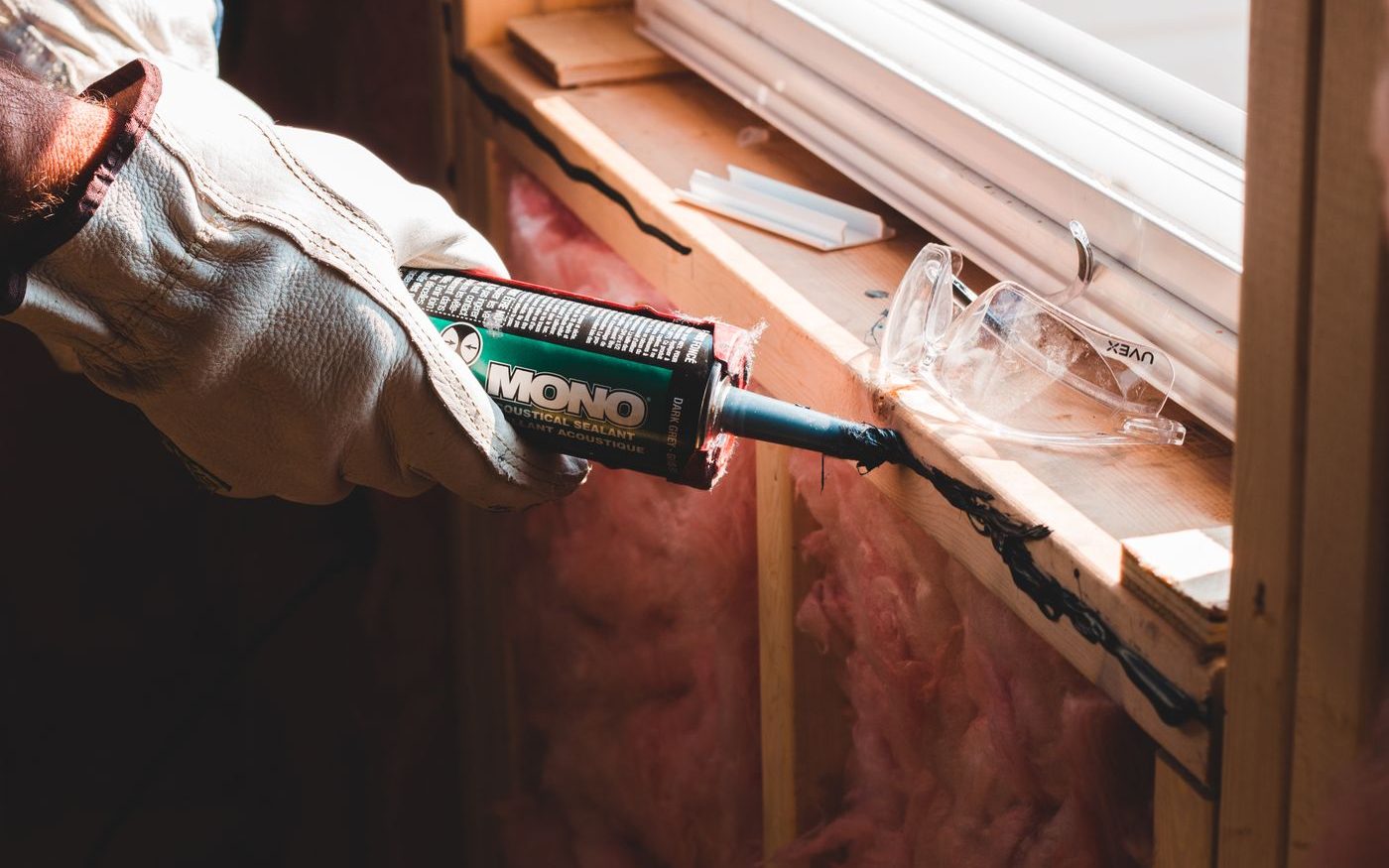
Fabric set into coating over seams, curbs and penetrations before the main coats.
Where coatings fail first.
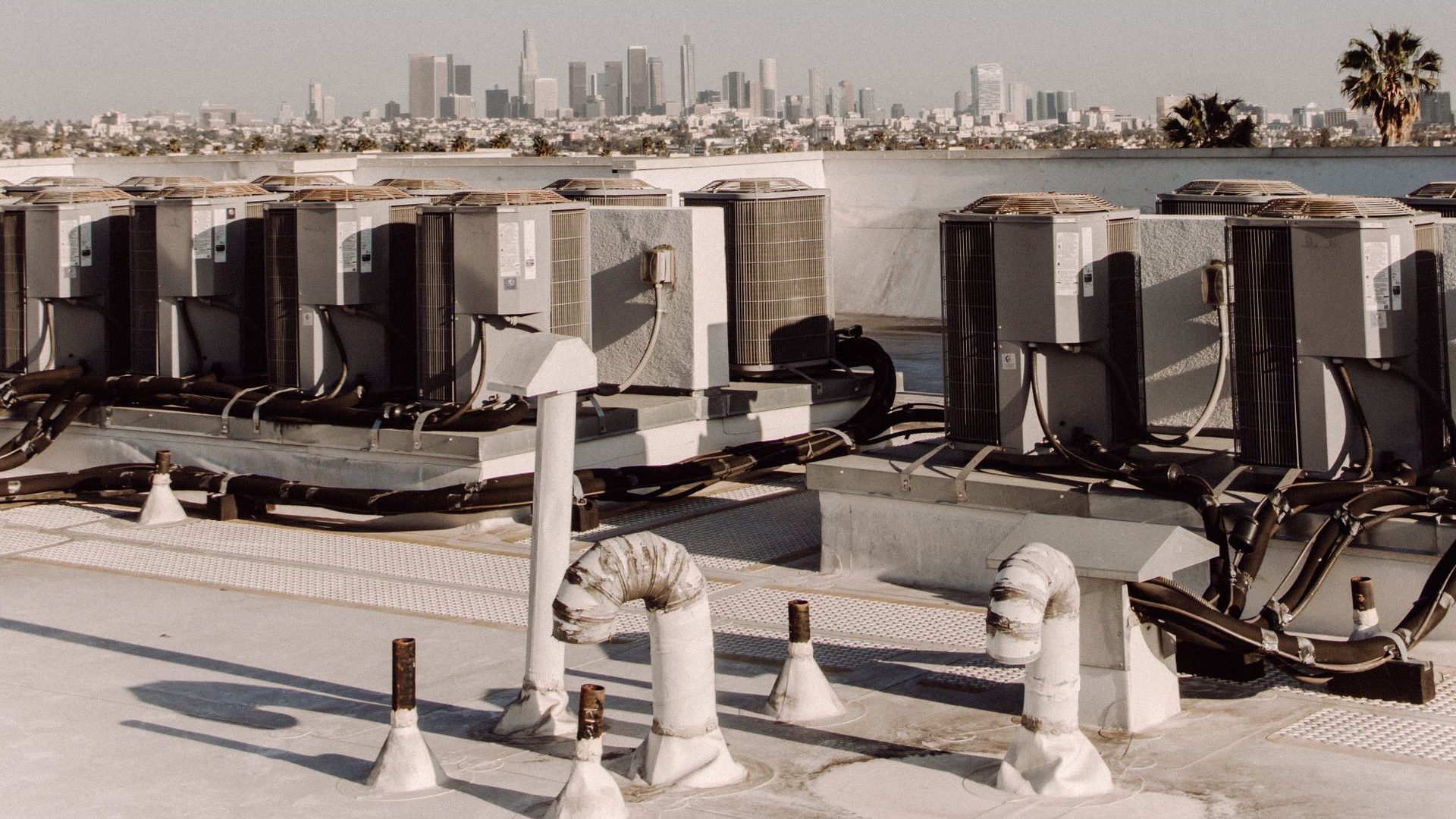
Base and top coats applied to the specified thickness, with drying time between, and checked before handover.
Thickness measured.
No charge for the survey or the quote, including when we recommend against coating.
Request a free quoteThe roof decides the coating. This is the short version of how they differ.
Handles standing water and strong sun well, which suits flat roofs that pond. Later recoats generally need silicone again.
Bright, reflective and economical over large areas where water drains away well.
Tough and impact resistant, used where the roof gets foot traffic or as a base layer below a UV-resistant finish.
A traditional silver finish for built-up and modified bitumen roofs, less reflective than white coatings.
A coating over wet insulation traps the water and hides it. The survey checks first, and wet sections are replaced before any coating.
Area sets the base price, then everything the roof needs before coating adds to it.
Measured across every section that gets coating.
Chemistry, the number of coats and the thickness specified set the material cost.
Every wet section and open seam is repaired first, on its own line.
Heavy chalking, rust or growth take more cleaning and priming.
Each unit, pipe and drain gets reinforced detailing.
The quote puts coating beside re-roofing where both are possible, so you can compare. Rather write first? The contact page has the form.
Free survey, moisture checked, written quote.
Coating bids differ less on the product than on the work that comes before it.
Quote A is a fictional bid, pieced together from shortcuts common in commercial coating sales. This is not a real quote, and no real company is described.
Know roughly when the roof went on? Mention it when you call. It helps us judge whether coating makes sense.
Talk to a roofer504-229-3955Lifespan comes down to the chemistry, the applied thickness and upkeep. The quote names the product and its manufacturer terms, and many coatings can be recoated later rather than removed.
No. The membrane has to be sound and the insulation under it dry. The survey checks both before a coating is quoted.
Leaks get repaired first, and the coating goes over everything, repairs included.
A reflective coating keeps the roof surface cooler than a dark one, which cuts the heat reaching the floors below. Savings vary with the building and its insulation.
Yes. Coating is quiet, needs no tear-off, and is applied section by section around your hours.
Dry conditions and temperatures within the product’s range, with time to cure before rain. The schedule works around the forecast.
Name and phone are enough. We call back the same business day.